
In brief: Save tomato seeds by selecting ripe fruit, removing the flesh and seeds, and allowing them to ferment in water. Then rinse the clean seeds and dry them thoroughly on kitchen paper or a sieve. Store completely dry seeds in labelled paper envelopes in a cool, dark and dry place.
Drying Tomato Seeds: Save & Store Your Own Seeds
Saving your own tomato seeds is a key step towards greater independence in the garden. You not only save money, but also secure a supply of your favourite, best-tasting varieties for years to come. The process is simple, but some steps require care.
We show you how to proceed, from selecting the right fruit to storing the seeds correctly. This way, you will always have the right tomato seed to hand.
Why save your own tomato seeds?
Buying seeds is convenient, but saving your own has significant advantages. You actively select plants for taste, health and yield. Over the years, they adapt perfectly to the conditions in your garden.
You also help preserve heirloom, open-pollinated varieties. These are often more robust and flavourful than many modern hybrids. It is a sustainable cycle that deepens your gardening and outdoor experience.
Saving your own seed is the most traditional form of gardening. It connects you with the cycle of growth and gives you complete control over your food source.
Which tomatoes are suitable for saving seeds?
Not every tomato produces useful offspring. The crucial factor is whether the variety is true to type. F1 hybrids, such as the yellow cherry tomato , are bred for a single harvest.
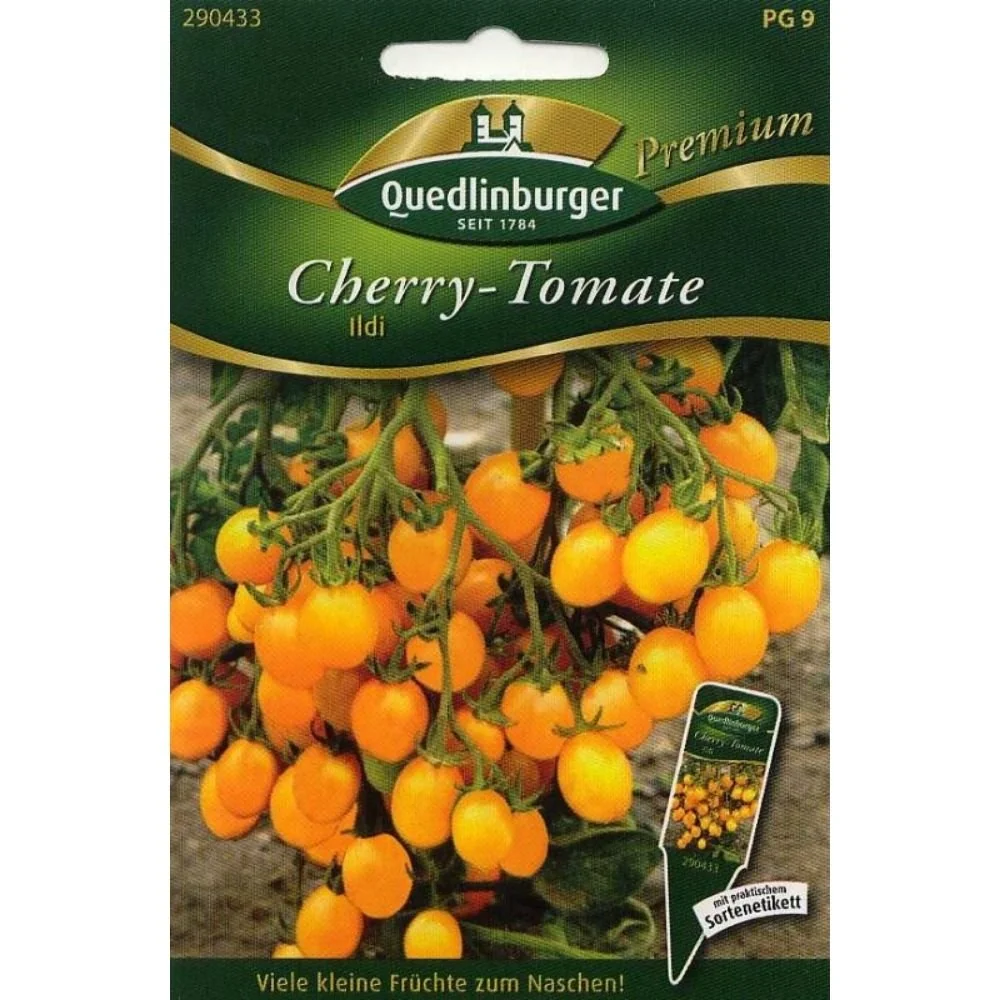
Their seeds produce inconsistent plants in the next generation, and the desired characteristics are lost. Focus on open-pollinated varieties.
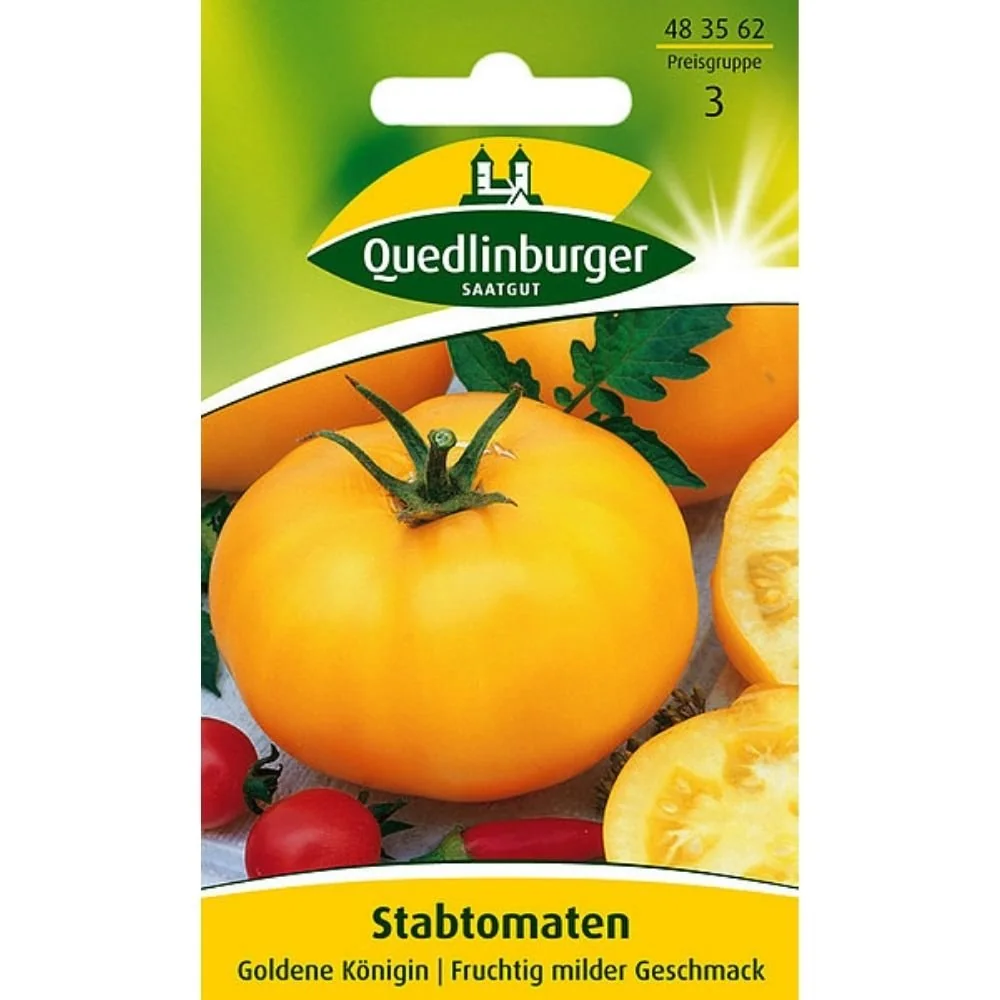
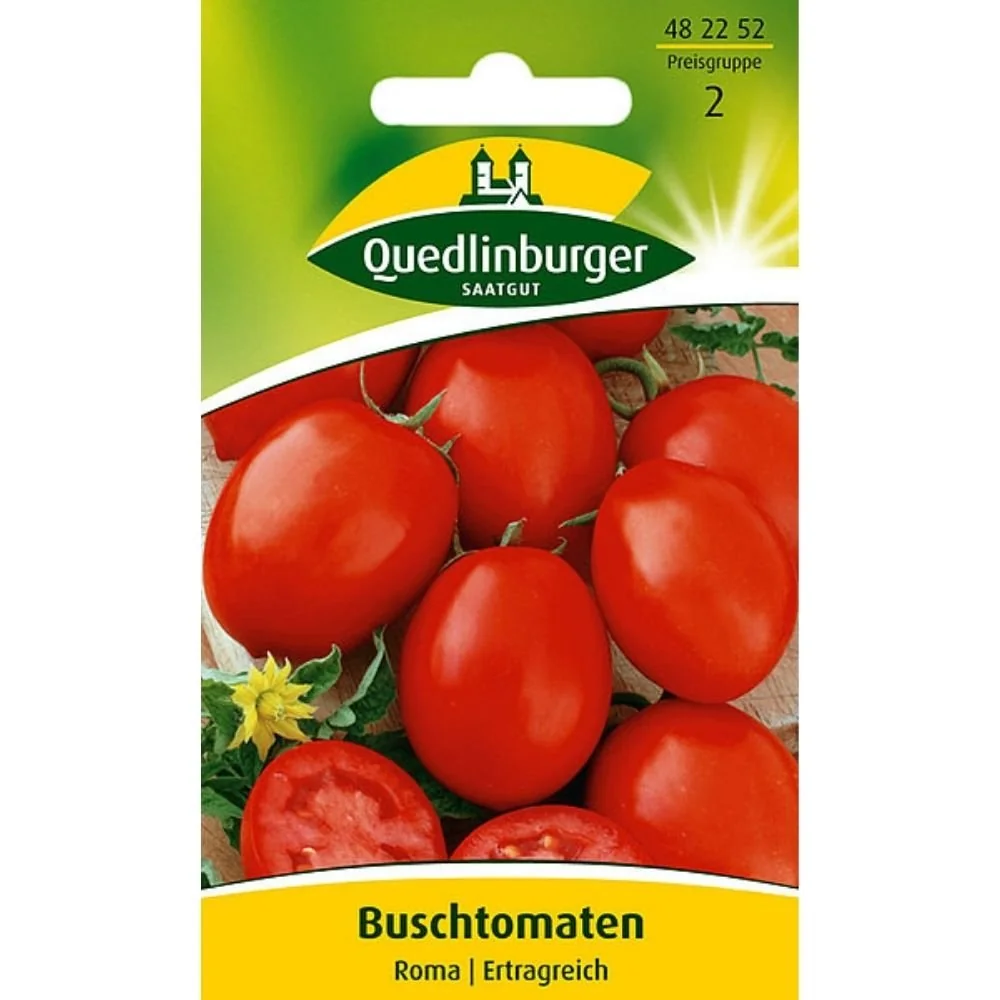
Heirloom cordon tomatoes such as the or robust outdoor varieties such as the are perfect. Their offspring resemble the parent plant. Always choose the healthiest and most productive plant of a variety.
Important note
Never save seeds from diseased plants, especially those affected by blight or viral diseases. Pathogens can cling to the seed and infect your young plants the following year. Varietal purity is essential. Prevent cross-pollination by keeping different varieties separated.
How do I save tomato seeds step by step?
This method uses a natural fermentation process. It cleans the seeds and breaks down germination-inhibiting substances. You only need ripe tomatoes, a jar, water, a sieve and kitchen paper.
1. Select the perfect fruit
Harvest the tomato when it is fully ripe. It should be flawless, healthy and typical in shape for its variety. Let it become slightly overripe if you like. The seeds will then be fully developed.
Cut the fruit across the middle. Spoon or squeeze the jelly-like interior and seeds into a clean jar. A shot glass or jam jar is suitable.
2. The fermentation process
Add enough water to cover the mixture. Stir well. Cover the jar loosely with a cloth or small plate. Place it in a warm spot out of direct sunlight for two to four days.
A layer of white mould will form on the surface. This is normal and desirable. The process is complete when the seeds have settled on the bottom and the water is noticeably cloudy. The fermenting mixture develops a distinctive smell.
Fermentation time depends on the temperature. At 20-25°C, 48 hours is often sufficient. Never leave the process for longer than five days, otherwise the seeds may start to germinate in the jar. Check them daily.
3. Clean and prepare the seeds
Carefully pour off the mould layer and cloudy water. The good seeds will be at the bottom. Fill the jar with fresh water, swirl it and pour it off again. Repeat this rinsing process until the water remains clear and only clean seeds are left in the jar.
Pour the contents into a fine-mesh sieve. Rinse the seeds thoroughly under running water. Gently rub them between your fingers to remove any remaining pieces of flesh.
Pro tip
Add a splash of vinegar or lemon juice to the first rinse water. This lowers the pH and helps loosen the seed coating. For very small quantities of seed, use a coffee filter in the sieve. It prevents the seeds from being washed away.
How do I dry tomato seeds properly?
Drying determines how long seeds will keep. Damp seeds become mouldy within a few weeks. Immediately after rinsing, spread the wet seeds in a thin layer on an absorbent surface.
Coated baking paper, a clean tea towel or coffee filters are ideal. Avoid kitchen roll, as the seeds may stick to it. Place the drying paper in a warm, well-ventilated and shaded spot.
A shelf above a radiator, the loft or a spot in the garden shed are ideal. Direct sunlight damages the seeds. Turn and separate the seeds daily with your fingers or a spoon so that they dry evenly and do not clump together.
How can I tell when seeds are perfectly dry?
Fully dried tomato seeds are rock-hard. When you press them between your fingers, they break rather than bend. They are no longer sticky and flow freely.
With good ventilation, the drying process takes around one to two weeks. Take your time. Haste is the biggest enemy when saving seeds. Never store partially dried seeds.
Additional advice
For faster, controlled drying, you can spread the cleaned seeds on a baking tray lined with baking paper. Set the oven to its lowest setting (max. 40°C) and leave the oven door slightly open. Check every 15 minutes. This method takes around three to four hours.
How should I store the seeds for maximum germination?
Proper storage protects your work. The three enemies of seeds are light, heat and moisture. Pack the fully dried seeds in small, labelled paper envelopes.
Paper is breathable and absorbs residual moisture. Do not use plastic bags or airtight jars unless the seeds are completely dry and you add a silica gel desiccant. Label each envelope with the variety name and harvest year.
Place all the envelopes in a sealable metal tin or a thick glass jar. The ideal storage location is cool, dark and dry. A cellar, frost-free garage or cool pantry cupboard are perfect. The temperature should remain consistently between 5 and 10°C.
In our range of garden and plant supplies, you will find practical storage solutions and everything you need for your next sowing.
What should I do with the seeds I have saved?
Next spring, the cycle continues. Test the germination rate of your older batches of seeds before sowing. To do this, place ten seeds on damp kitchen roll in a Tupperware container.
Keep them warm. The first seeds should germinate after five to seven days. The germination rate gives you confidence when sowing. Then sow them as usual in seed trays.
Do not forget to mark your best plants during the season so you can save their seeds again. Exchange surplus seeds with other gardeners. This allows you to expand your variety at no cost.
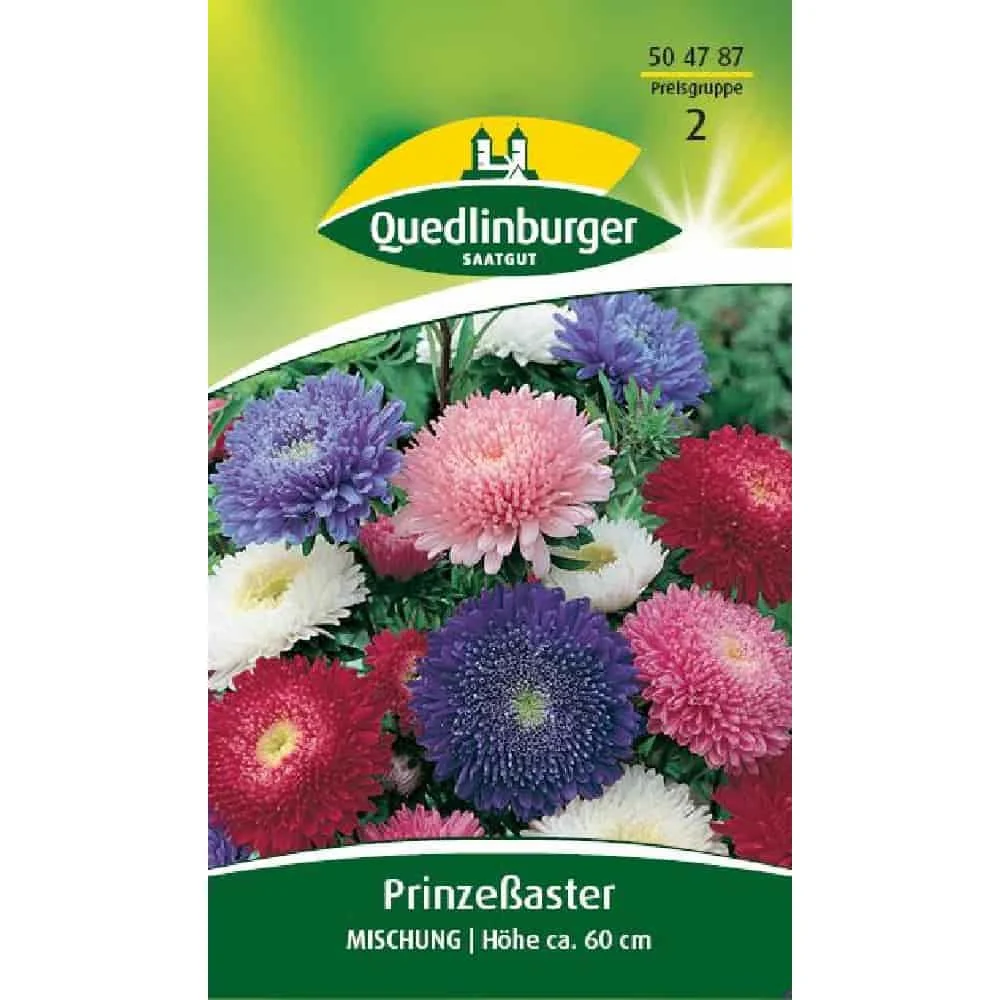
As well as tomatoes, you can use this method for cucumbers, courgettes and pumpkins. For more variety in your flower bed, take a look at our selection of flower seeds, such as the colourful .
Common mistakes and how to avoid them
A small mistake when drying or storing seeds can ruin the entire harvest. Insufficient drying is the most common cause of failure. Check the seeds thoroughly.
Do not use seeds from hybrids. The disappointment the following year is considerable. Maintain absolute hygiene during the fermentation process. Use only clean containers to keep rotting bacteria at bay.
Do not store your seeds near heat sources such as radiators or in damp sheds. Check the storage tin during winter for condensation or pest infestations. With the right garden tools, all your gardening tasks become easier.
Saving your own tomato seeds is more than a practical measure. It is an active contribution to your independence as a gardener. You complete the cycle from seed to plant to fruit and back to seed. Start this year with your favourite variety.
Frequently Asked Questions
- Can I save seeds from all tomato varieties?
- No. Seeds from F1 hybrids such as PRODUCT_21687 are not suitable for propagation because the offspring will not be true to type. Use only open-pollinated, heirloom varieties such as PRODUCT_19848 or PRODUCT_19846 to grow identical plants.
- How long do tomato seeds need to dry?
- Dry the seeds thoroughly for at least one to two weeks. They are ready when they are hard and brittle and can no longer be bent. Incompletely dried seeds become mouldy in storage. A warm, well-ventilated and shaded spot is ideal.
- How long do home-saved tomato seeds remain viable?
- When properly dried and stored in a cool, dark and dry place, tomato seeds remain viable for four to eight years. The germination rate gradually decreases over the years. Therefore, always label your packets with the variety and harvest year.
- Why do the seeds need to ferment in water?
- The fermentation process breaks down the gelatinous seed coating, which contains germination-inhibiting substances. It also kills fungal pathogens. Without this treatment, the germination rate would be significantly lower and the seeds could transmit diseases.
- What is the best place to store seeds?
- Store the dry seeds in paper envelopes or packets inside a sealable container. The location should be cool (approx. 5-10°C), consistently dry and dark. A cellar or cool pantry cupboard are good options. Avoid fluctuations.
You might also be interested in
- Overwintering tomatoes: How to protect your harvest until next year
- Starting tomato plants properly: The complete guide
- Sowing tomatoes: From seed to plant in a raised bed
- Growing tomatoes yourself: Your path to self-sufficiency
- The annual tomato plant cycle: Growing & care
- Saving bean seeds: Preserving diversity in the garden