
In brief: Eco-friendly DIY cleaners are based on a few effective basic ingredients such as vinegar, citric acid, baking soda and washing soda. They reliably remove limescale, grease and dirt, contain no harmful chemicals and create almost no packaging waste. They are simple and inexpensive to make, giving you full control over the ingredients.
Eco-Friendly Cleaning: Make Your Own DIY Cleaners
Chemical cleaning products put a strain on wastewater systems and your health. The alternative may already be in your pantry. With vinegar, lemon and baking soda, you can make effective cleaning products in minutes.
You save money, reduce plastic waste and know exactly what is in every product. This guide shows you the best recipes for your home and garden.
Why avoid chemical cleaners?
Conventional cleaners often contain phosphates, fragrances and harsh surfactants. These substances enter groundwater and put extra pressure on wastewater treatment plants.
In enclosed spaces, they can reduce indoor air quality. Contact with the skin causes irritation for many people.
DIY cleaners avoid these problems. They use biodegradable substances that have minimal environmental impact. Their production costs are also significantly lower than those of branded products.
Pro tip
Label every homemade bottle with its contents and date. Use childproof caps if there are children in your household. Always test new mixtures on an inconspicuous area first.
Basic equipment for DIY cleaners
You do not need any special laboratory equipment. A few simple utensils are enough to get started.
Essential ingredients
White household vinegar dissolves limescale and provides mild disinfection. Citric acid powder also removes limescale and gives off a fresh scent.
Baking soda neutralises odours and acts as a mild abrasive. Washing soda powerfully removes greasy dirt. High-proof alcohol is suitable for quick surface disinfection.
Practical accessories
Invest in sturdy spray bottles made of glass or durable plastic. Different sizes make them easier to use.
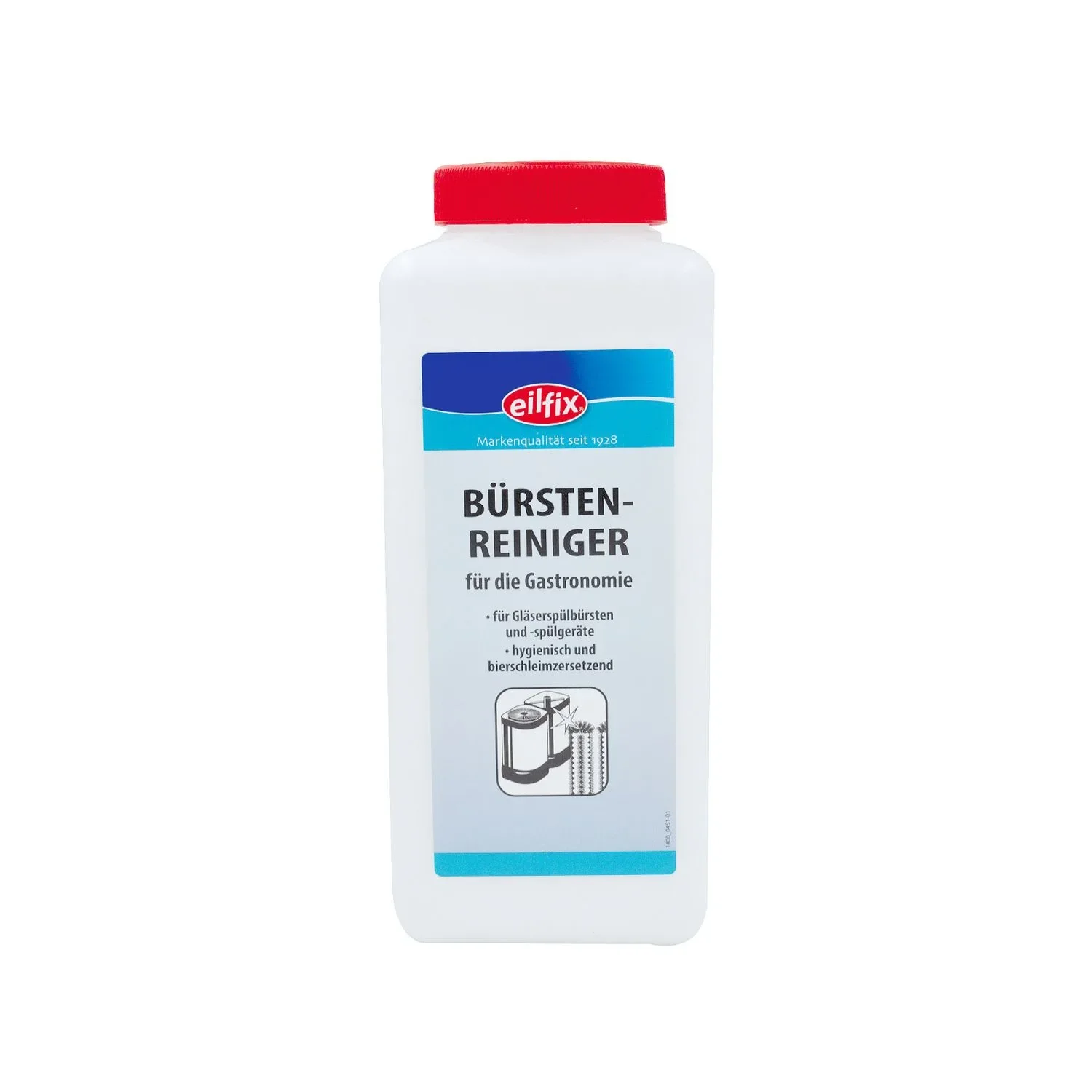
A set of funnels prevents spills when filling bottles. Writable labels keep your cleaning cupboard organised. Special brushes are essential for heavy dirt in the garden or on tools, such as our
.
A cleaner's effectiveness depends less on complex chemical cocktails than on the right combination of alkaline or acidic ingredients and the mechanical cleaning power of a good brush.
How do you make a universal multi-purpose cleaner?
This cleaner is suitable for worktops, tiles, painted furniture and many other surfaces. It reliably removes grease and light dirt.
The basic recipe
Mix 500 ml of warm water with two tablespoons of white vinegar. Add one teaspoon of liquid soap or washing-up liquid.
Optionally, add ten drops of essential oil for a pleasant scent. Lemon, orange or tea tree oil also have antibacterial properties. Shake the bottle thoroughly before each use.
Uses and limitations
Spray the solution onto the surface to be cleaned. Leave it to work briefly. Wipe with a microfibre cloth.
Avoid using it on sensitive natural stone surfaces such as marble. The acid may damage the surface. For wood, it is better to use specialised recipes.
Important note
Never mix vinegar-based or acidic cleaners with chlorine-based products. This creates hazardous chlorine gas. Do not use essential oils in households with cats either, as many are poisonous to them.
Remove limescale effectively: recipes for the bathroom and kitchen
Limescale deposits on taps, shower screens or in kettles are a common problem. These recipes will dissolve them.
Citric acid limescale remover
Dissolve two to three tablespoons of citric acid powder in 500 ml of warm water. Pour the solution into a spray bottle.
Spray limescale-covered areas generously. Leave the mixture to work for at least ten minutes, or longer for heavy deposits. Scrub with a brush and rinse with clean water.
Vinegar limescale remover for stubborn deposits
For heavy deposits in a kettle or coffee machine, use a different method. Fill the appliance with a mixture of one part vinegar and two parts water.
Bring the solution to the boil and leave it to cool. Pour it away and rinse the appliance thoroughly several times with clean water until there is no longer any smell of vinegar.
Special tools such as our
are ideal for cleaning taps and small openings, allowing targeted application.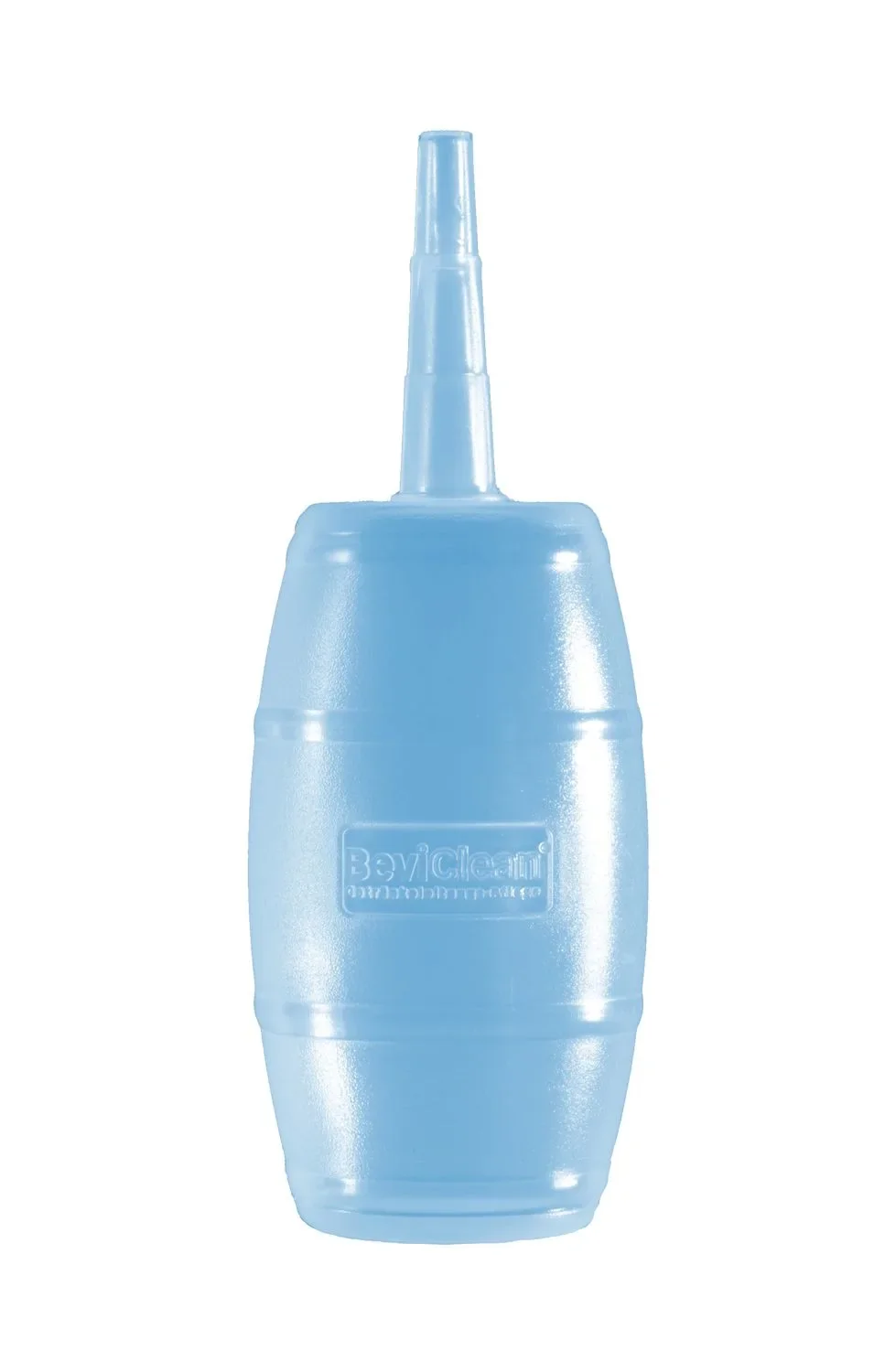
Make your own degreaser and oven cleaner
Burnt-on grease in ovens or on hobs requires a powerful yet harmless solution. Baking soda and washing soda provide the necessary cleaning power.
Baking soda paste for oven doors and walls
Mix baking soda with a small amount of water to make a spreadable paste. Apply it thickly to the dirty surfaces inside the cold oven.
Leave the paste to work for several hours, ideally overnight. The alkaline paste dissolves the grease. Wipe it off the next day with a damp sponge. Special cleaning brushes help with stubborn residue.
Spray degreaser for hobs and extractor hoods
Mix 100 ml of water, 50 ml of white vinegar and one tablespoon of washing-up liquid. Shake the mixture in a spray bottle until everything is combined.
Spray the greasy areas. Wait five minutes. The washing-up liquid emulsifies the grease, while the vinegar dissolves any limescale splashes. Wipe thoroughly with a hot, damp cloth.
The mechanical component is often underestimated. A high-quality brush suited to the dirt multiplies the effectiveness of any cleaner, whether DIY or shop-bought. For gardening, you can find sturdy tools in our Garden tools category.
Eco-friendly cleaning in the garden and outdoors
Patios, garden furniture and barbecues need special care. This is another area where household remedies can be used.
Removing algae and green growth from patio slabs
In dry weather, sprinkle washing soda evenly over the affected paving. Lightly spray the soda with water so it sticks without being washed away.
Leave it to work for several hours. Scrub the slabs with a stiff brush and plenty of water. The alkaline soda loosens the organic growth. Rinse thoroughly.
Additional advice
Stable and eco-friendly storage solutions are ideal for storing your DIY ingredients and finished cleaners. Our
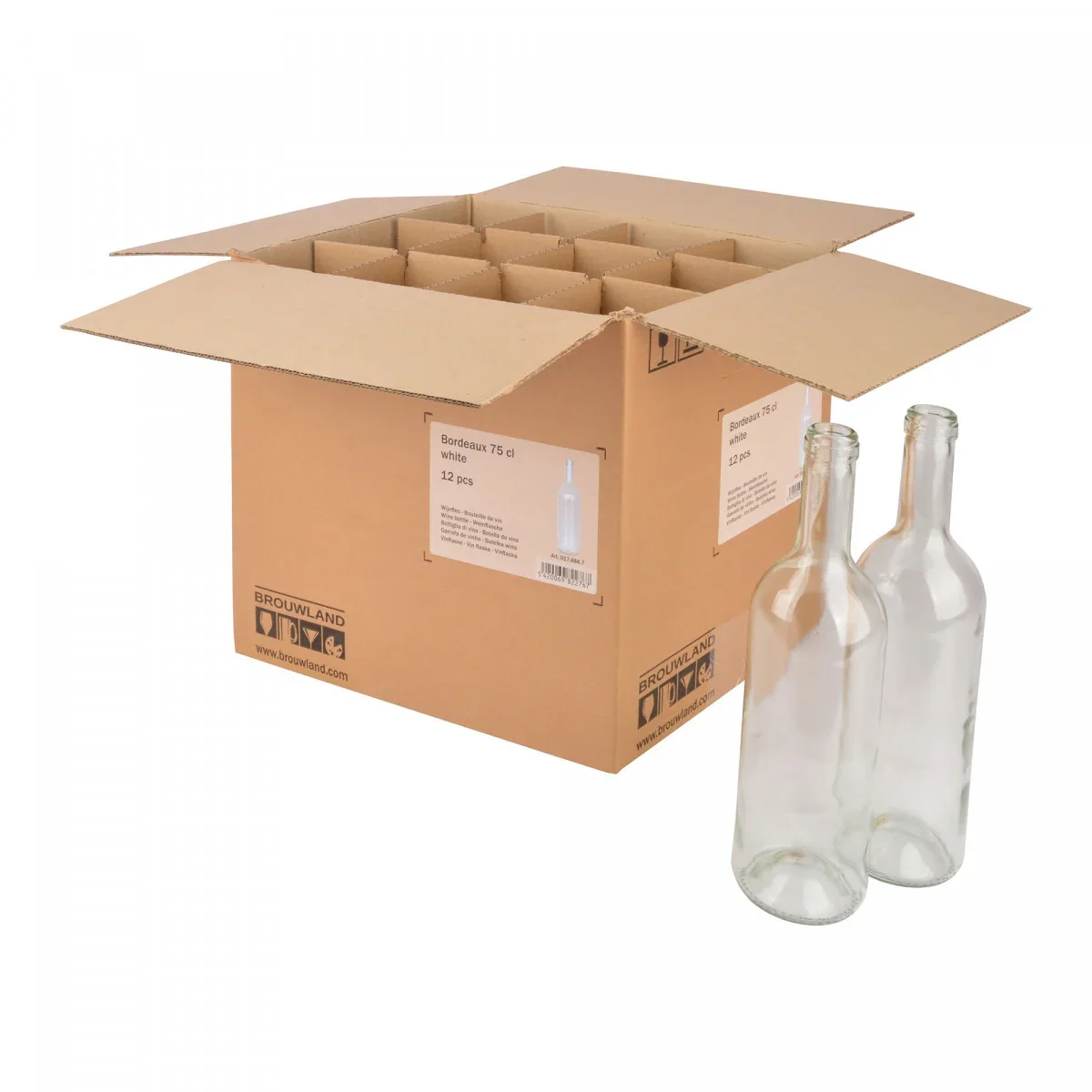
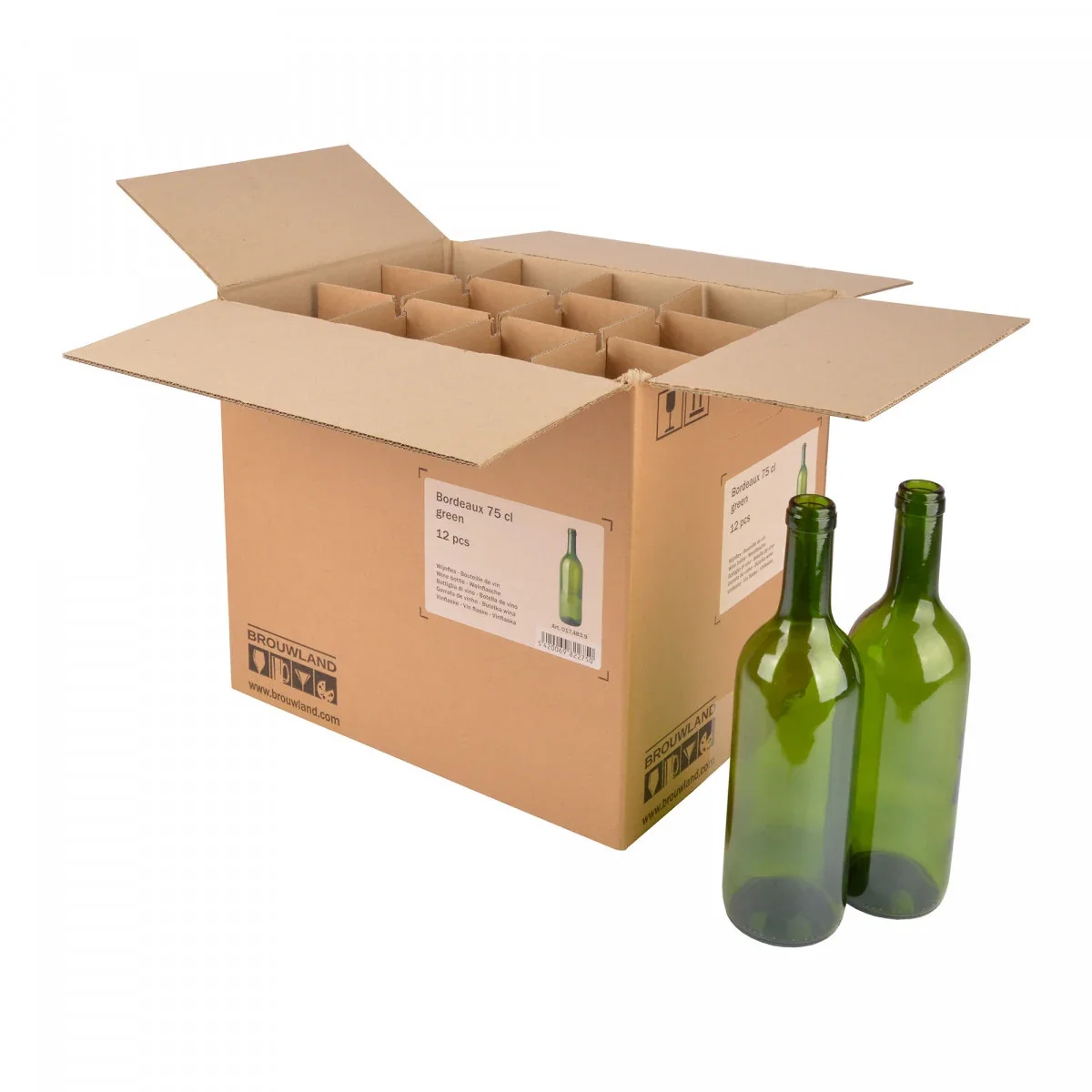
Cleaning garden furniture and barbecues
For plastic or painted garden furniture, use the universal all-purpose cleaner. For wood, use a mild soap solution made with curd soap.
For the barbecue grill after cooking, remember: burnt-on residue is easiest to remove while the grill is still warm. Sprinkle a little salt onto half a lemon and rub it over the warm grill. The combination of mechanical scrubbing and acid loosens burnt-on particles.
For thorough cleaning of brewing or fermentation barrels in the home-brewing sector, special products such as ours are worth considering.
Special cleaner for glass, mirrors and windows
Achieve a streak-free finish without chemical glass cleaner. The mixture is simple and goes a long way.
The streak-free recipe
Mix 500 ml of water with 125 ml of white vinegar. Add one tablespoon of high-proof alcohol, such as methylated spirits. The alcohol speeds up drying and prevents streaks.
Pour the mixture into a spray bottle. Use a microfibre cloth free from fabric-softener residue for wiping. Wipe dry in circular motions.
Using it on heavily soiled windows
If there is dust or pollen on the glass, first wipe it with a damp sponge. Then spray on the DIY glass cleaner and immediately wipe with the microfibre cloth.
Work on an overcast day or in the shade. Direct sunlight causes the liquid to dry too quickly and leaves streaks.
Storage, shelf life and safety
Homemade cleaners require careful handling. Proper storage extends their shelf life and helps prevent accidents.
How to store them properly
Keep all cleaners, including homemade ones, out of the reach of children. A high shelf or lockable cupboard is suitable.
Store the bottles in a cool, dark and dry place. Sunlight can break down some ingredients. Clearly label each bottle with its contents and date of preparation.
Observe the shelf life
Water-based mixtures without preservatives are susceptible to bacterial growth. Use them within four to six weeks.
It is better to mix small quantities more often. Dry mixtures, such as a scouring paste made from bicarbonate of soda and salt, last almost indefinitely as long as they remain dry. Dispose of cloudy or unpleasant-smelling liquids immediately.
For all your other home and garden projects, from watering to garden design, you will find inspiration and materials in our Garden Irrigation and Garden & Plant Accessories categories.
Conclusion: An easy start to a cleaner home
Eco-friendly cleaning starts with a decision. You do not have to replace all your shop-bought products immediately.
Start with the universal all-purpose cleaner and the glass cleaner. These two recipes cover much of your cleaning needs. Collect empty spray bottles and start mixing.
You gain control over the chemicals in your home, save a noticeable amount of money and make a direct contribution to protecting the environment. Every litre you mix yourself counts.
Frequently asked questions
- What basic ingredients do I need for most DIY cleaners?
- A comprehensive starter set consists of white household vinegar, citric acid powder, bicarbonate of soda, washing soda and curd soap. With these five ingredients and water, you can make almost any cleaner for the home and garden.
- Are homemade cleaners as effective as shop-bought products?
- DIY cleaners are highly effective for most everyday dirt, such as limescale, grease, grime or light soap residue. However, professional products may be more powerful against heavily burnt-on grease, stubborn mould or specific industrial contaminants.
- Can I use DIY cleaners on all surfaces?
- No. Acidic cleaners, such as vinegar and lemon, are ideal for limescale but are not suitable for natural stone, aluminium or untreated wood. Alkaline bicarbonate of soda works well on grease, but should first be tested on an inconspicuous area of sensitive surfaces.
- How long do homemade cleaners last?
- Water-based cleaners without preservatives have a limited shelf life. It is best to mix small quantities and use them within a few weeks. Dry mixtures such as scouring paste made from bicarbonate of soda and salt last almost indefinitely when stored dry.
- Where can I find eco-friendly cleaning and storage supplies?
- In our Cleaning Products & Accessories section and our Garden Equipment range, you will find sustainable brushes, spray bottles and storage solutions for your DIY project.
You may also be interested in
- Make your own cleaning products: sustainable and affordable cleaning
- Make your own bicarbonate of soda cleaner: the guide to a clean home
- How to identify harmful ingredients in cleaning products
- Make your own eco-friendly window cleaner
- Zero waste at home: simple everyday tips
- Make your own stain remover