
In brief: A wood gasification boiler is a specialized wood-burning heater that burns wood in two stages. First, the wood is gasified; then the gases are burned at high temperature. This results in exceptionally high efficiency of over 90%, very low emissions, and maximum heat output from the fuel. That makes it one of the most efficient, cleanest ways to heat with wood.
Wood Gasification Boilers: Efficient Wood Heating
Looking for an independent, climate-friendly heating system for your home? Wood gasification boilers set the standard for efficiency and low emissions. We explain how the technology works, what it costs, and what to consider when planning and operating a system.
How does a wood gasification boiler work?
The name says it all: unlike a basic wood-burning stove, this heating system first gasifies the wood. It uses a two-stage combustion process to maximize energy efficiency.
In the lower chamber, the gasification chamber, logs smolder with a limited oxygen supply. This produces combustible wood gases. These gases flow into a second, insulated chamber, where they meet a controlled supply of secondary air.
The mixture ignites and burns at extremely high temperatures, often above 1000 degrees Celsius. This complete combustion of the gases is the key to high efficiency and low pollutant emissions.
Pro tip
Have the flue gas temperature checked regularly. If the temperature in the second combustion chamber is too low, combustion may be incomplete. During the main gasification phase, optimal values are well above 600°C.
Why is a wood gasification boiler so efficient?
Modern wood gasification boilers achieve efficiencies of over 90%. This means almost all the energy stored in the wood is converted into usable heat. Three main factors contribute to this efficiency.
First, the wood gases are burned completely. Second, lambda sensors and electronic controls precisely regulate the air supply. Third, a buffer tank stores excess heat and releases it as needed.
This prevents inefficient part-load operation. The boiler always runs at optimal output and charges the storage tank. Your home's heating system then draws energy from that stored heat.
Two-stage combustion in a wood gasification boiler reduces carbon monoxide and unburned hydrocarbon emissions by around 80% compared with conventional wood-burning stoves.
Comparison: wood gasification boiler vs. pellet heating
Both systems use wood as a renewable fuel. Pellet heating offers a high level of convenience with automatic fuel feeding. However, the system requires electricity to operate.
A wood gasification boiler is loaded by hand with logs. In return, it's often less expensive to buy and completely independent of external infrastructure. The right choice depends on your storage space, budget, and preferred level of convenience.
How much does a wood gasification heating system cost?
The investment includes several components. The boiler itself costs between €8,000 and €15,000, depending on its output and features. A buffer tank is essential and costs between €2,000 and €4,000.
You'll also need to budget for installation by a qualified contractor. This includes connecting the system to your home's heating system, any chimney renovation, and the control technology. Budget €5,000 to €10,000 for this work.
Important note
Installing a wood gasification boiler requires notification and approval. Hire only a certified heating contractor. Only a qualified professional can ensure compliance with the fine dust standard (e.g. BImSchV Level 2) and proper system adjustment.
Grants from BAFA or KfW may cover part of the cost. Check the current guidelines for renewable energy in heating systems. Over time, savings on heating costs will help pay for the system.
Fuel costs: How to store firewood correctly
Your system's cost-effectiveness depends largely on the quality of your firewood. It must be dry. Buy wood early and store it in a well-ventilated, covered place. A well-organized garden area with a practical log store makes the work easier.
Wet wood dramatically reduces efficiency and can damage the boiler by increasing condensation and tar deposits. Invest in a good moisture meter. The ideal value is below 20% residual moisture.
How do I plan the installation?
First, decide where to install the boiler. It needs a solid base and enough room for loading. In most cases, the boiler room in the basement is the best location. Remember to leave room for firewood deliveries.
The next step is connecting the system hydraulically. A wood gasification boiler is always connected to the heating system through a buffer tank. This lets you use the heat even when the boiler isn't burning. You can find high-quality pipework accessories in our Plumbing and Irrigation section.
A buffer tank isn't optional; it's essential for efficient, gentle operation of a wood gasification boiler. It protects the boiler from corrosion and ensures a reliable heat supply.
The right control technology for your heating system
The control system coordinates the boiler, buffer tank, and heating circuits. Modern systems automatically regulate the air supply and monitor flue gas values. A precise thermostat such as the
can help control individual heating circuits efficiently and save energy.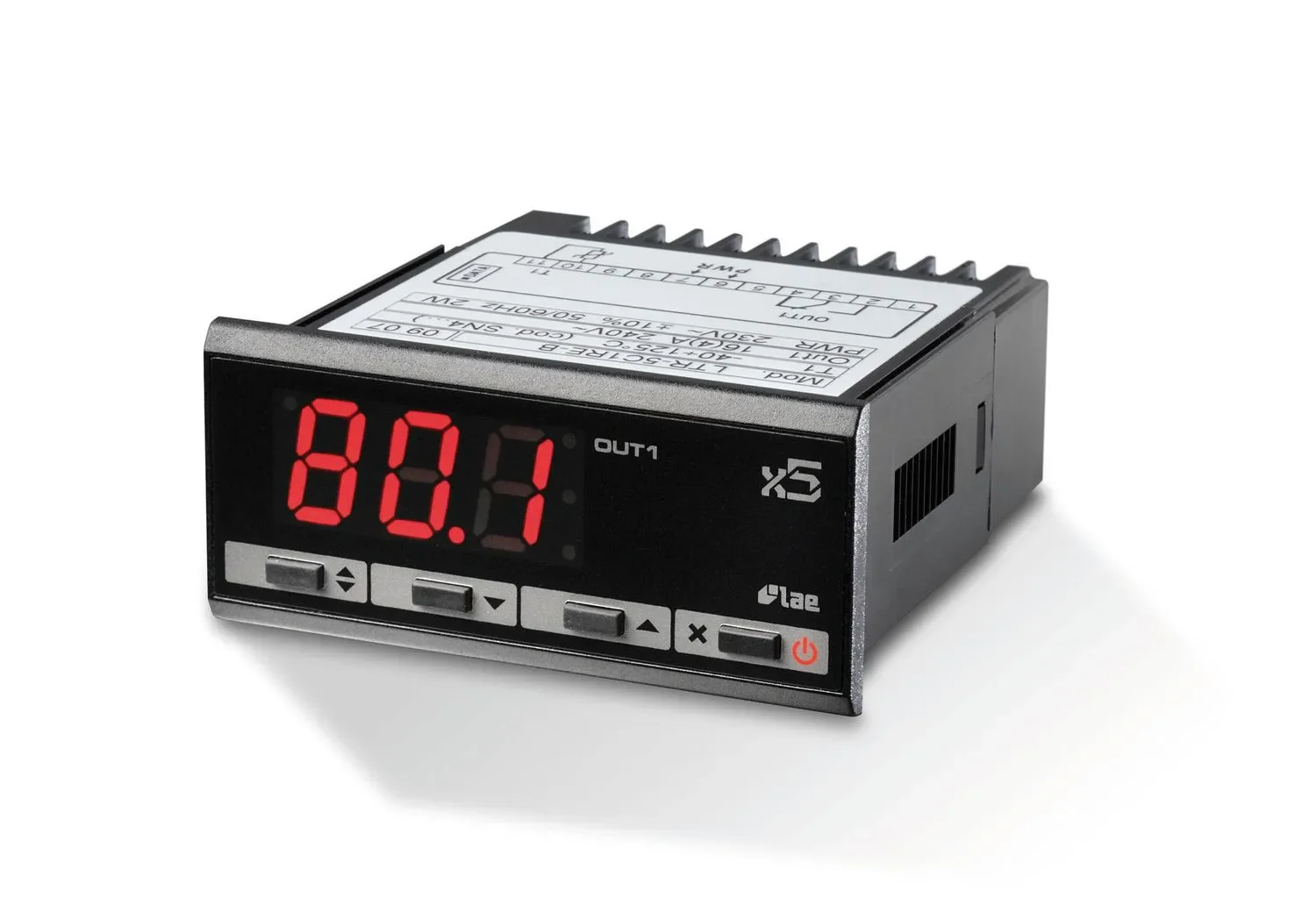
The control system should also include return temperature boosting to keep the boiler from cooling down too much. This helps prevent damage from condensation.
What maintenance does a wood gasification boiler need?
Regular cleaning is essential. Depending on how you operate the system, you'll need to remove ash from the ash pan several times a week. The chimney sweep and heating contractor should also perform a thorough annual inspection.
This includes cleaning soot deposits from the heat exchanger, checking the seals, and testing the safety devices. Keep an operating log of wood consumption and cleaning intervals.
Additional advice
Keep spare parts such as door seals and lambda sensors on hand. There's nothing more frustrating than waiting for a delivery after a breakdown in winter. A well-stocked store can help you find the essentials.
Disposing of ash: Take care
Wood ash can remain hot and glowing for a long time. Let the ash cool in a fireproof container for at least two days before disposing of it. You can compost small amounts of mineral-rich ash in the garden or dispose of it with your household waste.
Is a wood gasification boiler environmentally friendly?
When operated correctly with dry wood and modern technology, a wood gasification boiler burns wood very cleanly. It uses a renewable resource and is therefore CO2-neutral. The carbon dioxide released was absorbed from the atmosphere as the tree grew.
Modern wood gasification boilers easily meet the strict Stage 2 limits set out in the German Federal Immission Control Ordinance (BImSchV). They support the transition to cleaner heating and reduce your dependence on fossil fuels.
How it fits into your home's energy mix
A wood gasification boiler works well as your primary wood heating system alongside other technologies. Pairing it with solar thermal energy to produce hot water in summer is especially efficient. It also makes an ideal peak-load boiler to complement a heat pump.
This setup lets you meet most of your heating needs with renewable energy and use the wood gasification boiler when it is most effective: during the colder months for space heating.
Reliable fittings and valves are essential for connecting these systems. Find suitable components for your heating installation in our Ball Valves and Shut-Off Valves category.
Conclusion: Is a wood gasification boiler worth the investment?
A wood gasification boiler is a good choice if you have affordable access to firewood and are ready to take an active role in managing your heating system. Over time, you can save on heating costs, become more energy independent and heat your home with a local, renewable resource.
The technology is proven, efficient and low-emission. Professional planning and installation, careful operation and the right fuel are essential. With these in place, you can enjoy comfortable, sustainable heat at home.
Explore our range for everything you need to plan and maintain your heating system, from controls to professional pipework.
Frequently asked questions
- How is a wood gasification boiler different from a conventional wood-burning stove?
- A conventional wood-burning stove burns wood in a single stage. A wood gasification boiler separates the process: first, smouldering produces combustible gases, which are then burned in a separate chamber at over 1000°C. This delivers efficiency of over 90% and significantly lower emissions, especially particulate matter and carbon monoxide.
- How much does a wood gasification boiler cost with installation?
- A wood gasification boiler typically costs around 8,000 to 12,000 euros for a smaller model. With a buffer tank, controls and professional installation by a heating contractor, the total cost is usually between 15,000 and 25,000 euros. The exact price depends on the boiler's heating output and how complex the installation is.
- Can a wood gasification boiler heat an entire house?
- Yes. High-output wood gasification boilers are designed as central heating systems and can provide heat and hot water throughout a detached house through a buffer tank and the existing heating system. They often work well alongside other heating systems, such as solar thermal energy or a heat pump.
- What is the best wood to use in a wood gasification boiler?
- Use only untreated, dry logs with a residual moisture content below 20%. Hardwoods such as beech, oak and ash are ideal. Softwoods burn too quickly and can cause more tar to build up in the flue. Never burn painted, coated or glued wood, such as old furniture.
- Does a wood gasification boiler need a chimney?
- Yes. A wood gasification boiler needs a specially designed, permanently sealed, fire-resistant chimney. A double-wall insulated stainless steel chimney is often required to safely vent the high flue gas temperatures and condensation. A chimney inspection is essential.
You may also be interested in
- Installing a wood heating system: Connect your boiler and use it efficiently
- How to choose the right firewood for efficient heating
- Calculate your gas usage and save on heating costs
- Log splitter review and comparison 2026
- Heating advice: Heat efficiently and sustainably
- Gas boiler with hot water tank: Efficient heating