
In brief: Choosing the right electric fence depends on the animal species, terrain and desired mobility. Flexible systems such as PRODUCT_78484 are suitable for temporary divisions, while sturdy enclosures such as PRODUCT_89691 are ideal for horses. Strong electric fence energisers such as PRODUCT_153202 are necessary for large, powerful animals. Our comparison shows which combination of fencing material and energiser suits your needs.
A safe and reliable electric fence is the foundation of responsible animal keeping. Whether for horses, cattle, sheep or goats, the requirements for the system vary considerably. In 2026, you can choose from a range of high-quality solutions, from flexible temporary fences to permanently installed panels.
Our review and comparison will help you make the right choice. We assess systems based on durability, animal safety, ease of use and compatibility with different electric fence energisers.
Contents
What types of fencing are available?
Electric fences are generally divided into two categories: permanent and mobile systems. The choice affects the investment, workload and flexibility.
Mobile electric fences
These fences use lightweight posts and insulated conductors such as tape or rope. They are ideal for agriculture with rotational grazing or temporary divisions.
- Tape: Excellent visibility, especially for horses. It can flap in strong winds. One example is the .
- Rope: Very robust and durable, with less sensitivity to wind. Visibility is lower. This includes the .
Permanent fencing systems
These include wooden or metal mesh fences as well as permanently installed wire or tape fences with fixed posts. They are a permanent solution for fixed paddocks or exercise areas.
Tip: Combine mobile electric fences for grazing areas with fixed panels around feeding areas or shelters. This increases safety at critical points.
Choosing the right electric fence energiser
The energiser is the heart of every electric fence. It generates the necessary pulse. Your choice depends on the fence length, animal species and available power supply.
- 230V mains energisers: For permanent installations with a mains connection. They deliver consistently high power, like the .
- 12V battery energisers: For mobile use without mains power. Look for low energy consumption. The is a good choice here.
- Power (joules): The longer the fence and the thicker the animals' coats, the higher the stored energy needs to be. Cattle require a more powerful energiser than sheep.


Advantages of flexible systems
Flexible fencing systems are quick to set up and take down. They are perfect for grazing adapted to the location.
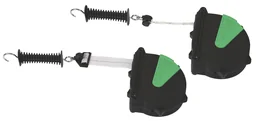
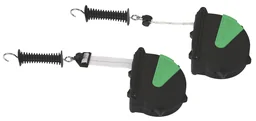
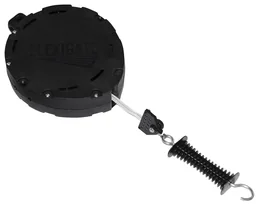
The , a flexible gate system, clearly demonstrates the advantages: You can adjust the gate width to suit your needs and adapt the system to uneven ground. It is an excellent addition to mobile tape or rope fences.
Important: Flexible fences also require adequate earthing. In dry, sandy soil, several earth rods may be necessary to ensure an effective pulse.
Sturdy panels for horses and stalls
Horses need sturdy, body-friendly enclosures. They minimise the risk of injury and provide psychological security.
The ("Pony Panel-6 Box" set) is designed for this purpose. The large, sturdy panels are quick to assemble and provide a clear, solid boundary. These systems are also ideal for paddocks, lunging areas or mobile stalls at competitions.
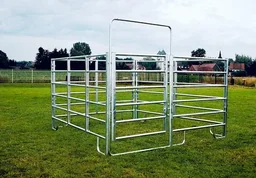
The advantage lies in the physical barrier, which works even without electricity. Nevertheless, combine the panels with an electric fence energiser to prevent animals from leaning against or testing the panels.
Buying guide: What should you look for?
When buying, you should systematically check the following points.
- Animal species and size: Determines the required fence height, number of conductors and pulse strength.
- Terrain: Is it flat or hilly? Do you need flexible posts?
- Duration of use: Seasonal or permanent solution? The material must be suitably weather-resistant.
- Your time: Mobile fences require more monitoring than permanent ones.
Our most highly rated pasture fences compared directly:
| Model | Customer rating | Availability |
|---|---|---|
| "Flexigate" tape, 7.5 m x 40 mm | – | Currently unavailable |
| "Flexigate" rope, 7.5 m x 6 mm | – | Currently unavailable |
| "Flexigate", the flexible gate system, 19 m long, 20 mm wide | – | Currently unavailable |
| "Pony Panel-6 Box" set: 3 panels 2.40 x 1.60 m + 1 panel with gate, 2.40 x 2.20 / 1.60 m wide | – | Currently unavailable |
| 12 V / 230 V electric fence energizer - farmer® AN300 | – | Currently unavailable |
Note: Investing in high-quality insulators and professional grounding is often more worthwhile than buying the most expensive energizer. Even the most powerful energizer will not make a poorly insulated or grounded fence effective.
Care and maintenance
An electric fence is only as good as its condition. Plan for regular maintenance.
- Cleaning: Clean insulators regularly to remove dust and cobwebs.
- Inspection: Regularly check for damaged conductors, loose connections and vegetation.
- Grounding: Check the grounding rods, especially after dry periods.
- Winter storage: Store mobile components in a dry place protected from UV light.
A well-maintained electric fence will last for many years and consistently ensure your animals' safety. Choose quality products and plan the system carefully.
Frequently asked questions
- Which electric fence is safest for horses?
- For horses, stable, highly visible systems with a low risk of injury are ideal. PRODUCT_89691 offers good visibility and stability with its wide panels. Combine it with a powerful electric fence energizer such as PRODUCT_153198 to reliably prevent the animals from breaking through. For horses, tape or rope systems should only be used with special wide tape.
- Can I operate an electric fence without a mains connection?
- Yes, you can operate a 12V electric fence energizer with a battery, such as PRODUCT_153197. Solar-powered devices are also an option for locations without mains electricity. Look for low power consumption and sufficient battery capacity. The fence voltage must be checked regularly, as performance decreases as the battery charge drops.
- Which is better: electric fence tape or electric fence rope?
- Tape is more visible for flight-prone animals such as horses and cattle and is therefore often the safer choice, as with PRODUCT_135194. Rope, such as PRODUCT_138029, is more durable and less susceptible to wind damage, but some animals may find it harder to see. The decision depends on the animal species and local wind conditions.
- How often do I need to check an electric fence?
- Check the fence voltage daily with a tester. Inspect the entire conductor at least weekly for damage, vegetation or loose insulators. An immediate inspection is necessary after strong winds or a storm. A weak current means reduced effectiveness and an increased risk of escape.
- Do I need a different system for sheep than for cattle?
- Yes, sheep need a finer-mesh or more closely spaced conductor because they can slip through smaller gaps. The voltage can be lower than for cattle, but checks must be carried out more frequently. Combine special netting or closely spaced wires with a reliable energizer such as PRODUCT_153193.