
In brief: The electrical panel, often called a breaker box, is the heart of your home's electrical system. It distributes electricity and uses circuit breakers and GFCIs to protect against overloads and electric shocks. Careful planning for its size, location, and spare capacity is essential for safety and future upgrades. Installation requires specialized knowledge and may only be carried out by a qualified electrical contractor.
Electrical Panel Installation: Plan Your Home
The electrical panel is your home's control center. Every circuit comes together here, and the panel supplies electricity to every room. Careful planning lays the foundation for decades to come.
You can avoid problems down the road, improve safety, and make room for smart home technology. Here's what you need to know.
What is an electrical panel?
In everyday language, we call it a breaker box or electrical panel. Technically, it is a subpanel. It receives the large incoming cable from the home's service connection or meter.
The protective devices are housed inside. Circuit breakers disconnect a circuit if it is overloaded. GFCIs detect dangerous ground-fault currents. The panel distributes power to the individual circuits throughout the house.
Without it, there would be no organized electrical system. It is the essential link between the utility service and your outlets.
Key components at a glance
Open a modern electrical panel and you will see several rows of components. Each has a specific function.
- Busbars: These metal strips distribute power to all outgoing circuits. They are the backbone of the panel.
- Miniature circuit breakers (MCBs): These breakers shut off power in the event of an overload or short circuit. They replace old screw-in fuses.
- GFCIs: They compare the current flowing in and out. If there is a difference, for example due to a ground fault, they shut off power within milliseconds.
- Main switch: A large switch disconnects the entire subpanel from the main power supply. This is useful for maintenance work or in an emergency.
- Surge protection (SPD): Modern panels often include lightning protection. It safely diverts surges from the power supply.
The components follow a logical order. The main switch comes first, followed by the GFCIs. The individual circuit breakers connect to them.
“A subpanel is not a static product. It is a living system that must be able to grow with the residents’ needs. The planning must account for this growth from the very beginning.”
How do I plan the right electrical panel?
Planning begins long before you make a purchase. Map out your current and future electricity needs. This can help you avoid needing a new panel in five years.
List all fixed appliances: range, tankless water heater, heat pump. Note every outlet and light switch. Group them mentally into circuits.
Pro tip
Draw a simple floor plan. Mark each room and add the planned outlets and appliances. This visual guide helps you and the electrician avoid overlooking anything and determine the ideal number of circuits.
Choosing the right size and spare capacity
Don't buy a panel that only just fits. This is the most common planning mistake. Technology and habits change.
An electric car needs a Level 2 charger. A photovoltaic system needs a feed-in circuit. A hobby room may require powerful machinery. Plan for these possibilities now.
A good rule of thumb is to leave 20 to 30 per cent of the positions free. For a single-family home with 12 planned circuits, choose a panel for 16 or 18 modules. The additional cost is marginal, while the benefits are substantial.
Where should I place the breaker box?
Location is crucial for accessibility and safety. Adults must be able to reach it easily. In an emergency, every second counts.
Ideal locations include the utility room, a dry basement hallway, or the garage. The area must be dry and low in dust. Avoid direct sunlight and locations near water pipes.
Keep a distance of 1 metre from gas pipes. Make sure there is enough space in front of the panel for maintenance work. The electrician needs room to work.
Important note
Installing the electrical panel and connecting it to the home's service connection is regulated specialist work. It may only be carried out by a licensed electrical contractor. Incorrectly connected wires can cause fires and may invalidate your insurance coverage.
How much does it cost to install a new electrical panel?
The cost includes materials and labor. The material price depends on the size and brand. A panel with 18 positions, including basic components, costs between 150 and 400 euros.
Labor is the variable cost. An electrician needs 1 to 2 days to completely replace and rewire an existing panel. The costs of final testing and documentation are added to this.
As a rough guide, you can expect to pay 800 to 2,000 euros for a single-family home. In new builds, the electrical panel is part of the overall work. Always ask for a detailed quote that describes the work included.
Take advantage of grants and subsidies
Replacing an electrical panel alone rarely qualifies for funding. However, combining it with an energy-efficiency renovation can open up opportunities.
Installing a heat pump or ventilation system often requires a higher-capacity electrical panel. In this context, parts of the electrical installation may be covered by BAFA or KfW funding. Ask your electrical contractor about this.
“Many property owners underestimate the importance of a high-quality subpanel. It is like the foundation of a house: invisible but essential. It is not something to economize on. The small additional cost of a name-brand panel with spare capacity quickly pays for itself through durability and safety.”
The installation process step by step
The electrician follows a set procedure. Each step helps ensure a reliable result.
First, the utility disconnects the power supply. The specialist then removes the old panel. They inspect the existing wires for damage and check that their gauge is correct.
Next, they install the new electrical panel. They align it vertically and horizontally. The fasteners must resist vibration. They then fit the modules onto the DIN rails.
Wiring is the core of the work. Each conductor is connected to its designated position. The sequence is standardized. Finally, the electrician clearly labels each circuit.
Additional advice
Ask for a detailed explanation of the completed installation. Make sure you understand which circuit breaker controls each area. Clear, permanent labels save valuable time if a fault occurs. Photograph the open, labeled panel for your records.
The importance of documentation
After the installation, you will receive important paperwork. It is more than just a formality.
The electrical contractor will give you an installation certificate in accordance with DIN VDE 0100-420. This document confirms that the work was carried out correctly. It is often requested when the house is sold.
You will also receive a circuit diagram. This schematic drawing shows every circuit. It helps with future upgrades or troubleshooting. Keep both documents in a safe place.
Connections to Other Home Systems
Electricity is not the only utility in your home. Water and heating systems run alongside it, and these trades can overlap during renovations.
When planning new electrical wiring, be aware of existing water pipes and maintain the required safety clearances. For heating or plumbing projects, find suitable accessories in our Plumbing + Irrigation category.
To seal threaded connections on faucets or radiators, you need reliable materials.
(hemp fiber) and (thread sealant paste) offer reliable solutions for different applications.

Sturdy fittings are essential for pipe installation. A threaded fitting such as the
(malleable cast iron 90-degree elbow) or the (double nipple) provides durable connections in your home's drainage or water supply system. For complete system solutions, take a look at our house drainage pipe system.

Tools for Prep and Finishing Work
As a homeowner, you should leave electrical work to a professional. However, you can prepare the work area or handle follow-up renovation work.
Precision tools are essential for these tasks. The
(VDE electrical installation pliers) are a professional tool for many DIY projects. Their insulated handles also make them suitable for safe work near live parts after a professional has switched off the entire system.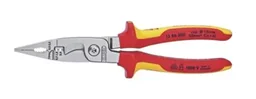
For other tools and household essentials, browse our wide selection in the Shop. You will find the right equipment for every project.
Planning and installing your electrical panel is an investment in safety and comfort. Plan ahead, hire a qualified electrician, and document the work. This creates a reliable foundation for all the electrical appliances in your home.
Frequently Asked Questions
- How many circuit breakers do I need in my electrical panel?
- Plan a separate circuit for each room or major appliance. For an apartment, 10-12 circuit breakers is a practical guideline; for a detached house, plan for 15-20. Count all outlets, fixed appliances such as the range, and lighting circuits. Reserve at least 20% of the spaces for future additions.
- Where should I install the electrical panel in my house?
- Install the electrical panel in a dry, easily accessible, cool area. A utility room, basement hallway, or garage is a typical location. Avoid wet areas such as bathrooms. Keep the area clear and accessible at all times, including for an electrician responding to an emergency.
- What is the difference between an RCD and a circuit breaker?
- A circuit breaker (MCB) protects wiring from overloads and short circuits. An RCD detects current leaking to ground and helps protect people from potentially fatal electric shocks. Both are essential in a modern electrical panel.
- Can I install an electrical panel myself?
- No. Under DIN VDE 0100-551 and NAV, work on the service connection and electrical panel must be performed by a registered electrical contractor. Only a qualified contractor may open the meter cabinet, connect the service supply, and perform the final inspection. DIY work is illegal and dangerous.
- How much does a new electrical panel with installation cost?
- The cost includes materials (the electrical panel, modules, and busbars) and labor. A standard electrical panel in a detached house typically costs between 800 and 2,000 euros. The price depends largely on the number of circuits, the equipment selected, and regional factors.
You may also be interested in
- Home electrical wiring: Safe DIY tips for homeowners
- Electrical installation test and comparison 2026: Top products put to the test
- Installing an outlet: How to wire it safely
- Safe electrical wiring in a garden shed: Choosing the right connectors
- How to install cable raceway: Tips for DIYers
- Installing electrical wiring in the garden: Wiring, safety, and regulations