
In brief: Acorns and horse chestnuts are perfect, free craft materials for fall. Use them to make classic animal figures with toothpicks, create jewelry, lanterns, or delicate mobiles. Drying or baking them helps extend their natural shelf life. Collect the horse chestnuts and acorns when they are dry and undamaged, ideally after the first frost. For children, drilling the holes is an adult's job.
Collecting and preparing acorns and horse chestnuts
The success of your craft projects starts with the quality of the materials. Collect horse chestnuts and acorns on dry days. Choose firm horse chestnuts with a rich brown color. Avoid wilted, dull, or already moldy specimens.
Acorns should still have their caps. This makes later projects much easier. Check each one for small holes. These indicate an infestation by acorn or horse chestnut weevil larvae.
Important note
Do not collect horse chestnuts and acorns directly beside busy roads. The fruit absorbs pollutants from exhaust fumes. Woodland edges, parks, or your own garden are ideal.
Clean your finds at home with a soft brush under lukewarm water. Then dry them thoroughly with a tea towel. Place the fruit on newspaper or a wire rack to dry further.
How to preserve your craft materials
Freshly collected horse chestnuts shrink within a few weeks. They lose their plump shape. You can prevent this with simple preservation methods.
The traditional method is air-drying. Spread the fruit out in a single layer in a warm, well-ventilated place. The process takes four to six weeks. Turn the horse chestnuts and acorns every few days.
Expert tip
Bake horse chestnuts and acorns in the oven at 50°C fan-assisted for about an hour. Leave the oven door slightly ajar. This method kills any larvae and preserves the fruit effectively. They are ready for crafting straight away.
Alternatively, you can soak the fruit in a mixture of water and vinegar. This disinfects the surface. However, dry them particularly thoroughly afterward to prevent mold.
What tools and materials do you need?
Good preparation saves frustration while crafting. Gather this basic equipment before you begin.
For joining: Wooden skewers or toothpicks are the classic material for horse chestnut figures. Special craft wire with a soft coating is suitable for flexible connections. A hot-glue gun with a narrow nozzle provides a particularly strong bond and dries quickly.
For shaping: A hand drill with fine drill bits (0,8-1,5 mm) is essential for making clean holes. An awl or thick sewing needle helps you make pilot holes. A sharp craft knife cuts horse chestnuts in half for hats or shoes.
Special horse chestnut drills with rounded tips and safety grips are ideal for children's hands. They significantly reduce the risk of injury, but do not replace adult supervision.
For decorating: Googly eyes in different sizes bring figures to life. Acrylic paints and fine brushes allow for detailed designs. Colorful wool, felt scraps, or fabric ribbons complete the creations.
Do not forget a sturdy work surface. A cutting mat or a thick piece of cardboard protects your tabletop.
Classic horse chestnut figures: step by step
Horse chestnut people and animals have delighted generations. These instructions will help you make your figures with confidence.
The simple horse chestnut person
Choose a large horse chestnut for the body and a smaller one for the head. Carefully drill one hole in the center of the underside of each horse chestnut using the hand drill. Position the tip at an angle and turn it slowly.
Insert half a toothpick into the hole in the body. Thread the head onto it. For the arms, drill two holes in the sides of the body horse chestnut. Insert short pieces of toothpick.
Acorns with their caps make perfect hats. Simply glue them to the head with hot glue. Draw a face with a felt-tip pen or stick on googly eyes.
Extra tip
Horse chestnuts have a hard side and a softer side. Always drill from the softer, lighter side. The tool is easier to control there, and the horse chestnut is less likely to split.
Animals made from horse chestnuts and acorns
For an owl, you need a flat horse chestnut for the body. Glue two acorn caps on as large eyes. A small halved acorn makes a beak. Attach felt or colorful paper feathers to the sides.
Hedgehogs are made from an oval horse chestnut. Push lots of short, brown pieces of toothpick into the back as spines. A small painted acorn forms the snout. Cut tiny eyes from black felt.
For caterpillars, thread several horse chestnuts of different sizes onto sturdy wire or string. Acorns with their caps become the ends. Paint each segment with dots or stripes.
These figures make excellent decorative animals for a shelf or playmates in a child's bedroom.
Creative decoration ideas for your home and garden
Beyond figures, acorns and horse chestnuts offer plenty of potential for stylish fall decorations.
Natural table and window decorations
Fill shallow glass bowls or large Mason jars with the colorful fruit. Combine them with rose hips, pine cones, and dried orange slices. A jute or linen ribbon around the neck of the jar brings the arrangement together.
Glue acorn caps closely together around a simple glass. Let the glue dry completely. Place a tealight inside. The light casts enchanting shadows in the dark.
For a wreath, wrap a straw or polystyrene ring with jute ribbon. Attach horse chestnuts and acorns alternately with small boxwood branches or artificial ivy using hot glue. This creates a long-lasting fall welcome.
The combination of natural materials and warm light creates an exceptionally cozy atmosphere. Acorn lanterns are particularly sustainable because they are made entirely from nature's by-products.
Fall mobile or garland
A mobile adds movement to your decorations. Bend a willow branch into a ring or use a discarded coat hanger. Drill holes in the tops of various horse chestnuts and acorns.
Thread them at different lengths onto strong nylon cords or ribbons. Attach the strings to the ring. Hang the mobile in a bright place where it can turn easily.
For a garland, thread the fruit alternately with wooden beads onto strong thread. Separate the elements with knots. Drape this garland over the mantelpiece or along a shelf. You can find inspiration for more variations in our decorative garlands category.
Crafts for Kids: Safe and Fun Projects
Crafting with natural materials helps children develop fine motor skills and creativity. Choose projects that are right for their age.
Painting and gluing are great activities for children under five. Let them paint horse chestnuts and acorns with non-toxic finger paint. Prepare templates in advance, such as a sheet of paper with a hedgehog outline. Children can glue the painted horse chestnuts inside the outline.
With supervision, children aged six and up can try threading. Use blunt wool needles with a large eye and sturdy thread to make simple necklaces or pendants.
An adult should always drill the holes. Set out the prepared horse chestnuts and toothpicks, and children can assemble the figures themselves. They can safely make cute wooden animals and figures to play with.
Products such as the
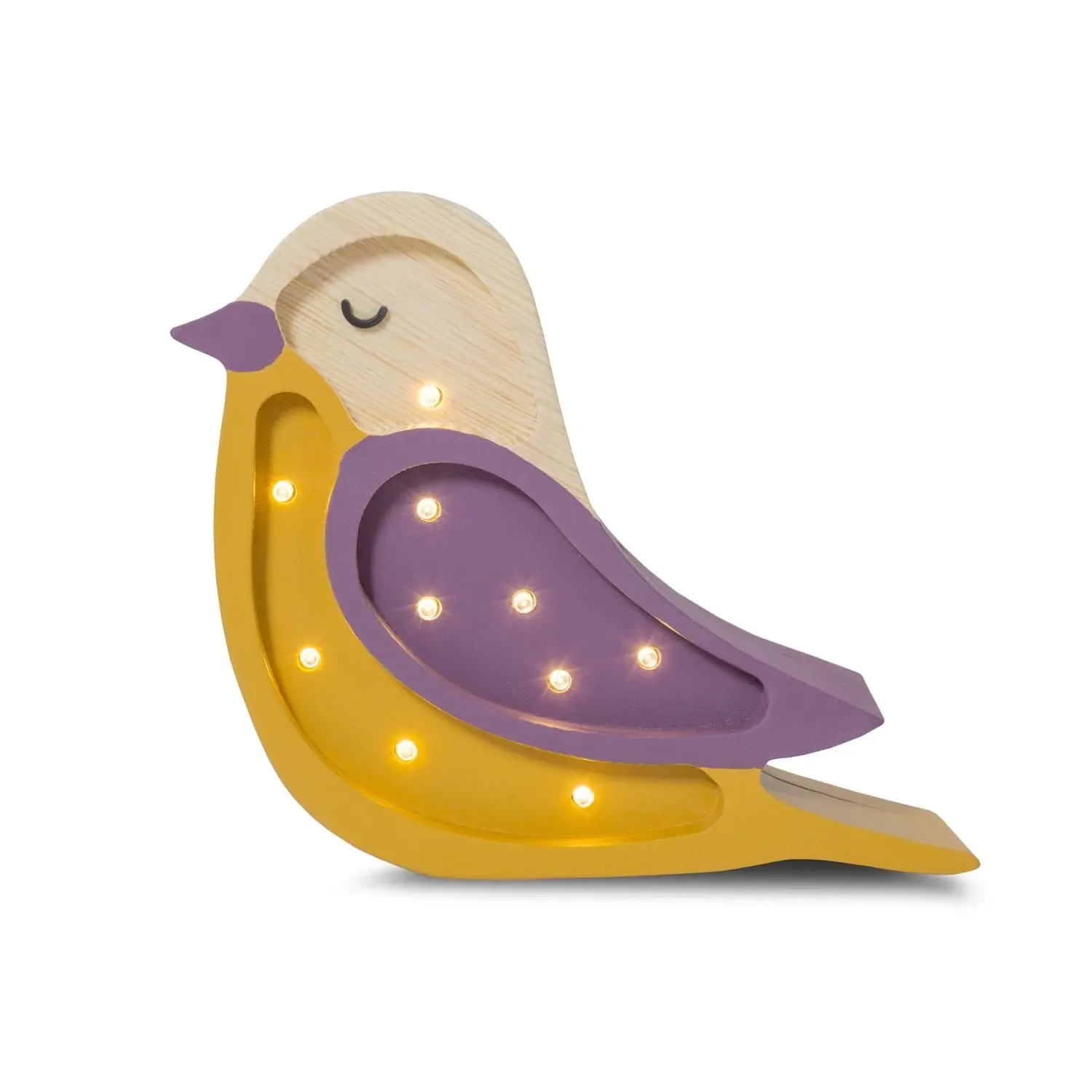
Sustainable Crafting and More Ways to Use Natural Materials
Crafting combines creativity with the sustainable use of resources. These materials are free and biodegradable.
Broken or unwanted craft figures can go straight into the compost. Chop them into smaller pieces first to return their nutrients to the natural cycle.
Remember the wildlife in your garden when collecting. Horse chestnuts provide little food for native wildlife, while acorns are an important food source for squirrels, mice, and wild boar. Always leave some acorns beneath the trees.
Help birds through the leaner months with a suitable supply of food. Our
bird seed mix offers a suitable blend. Put it somewhere cats can't reach.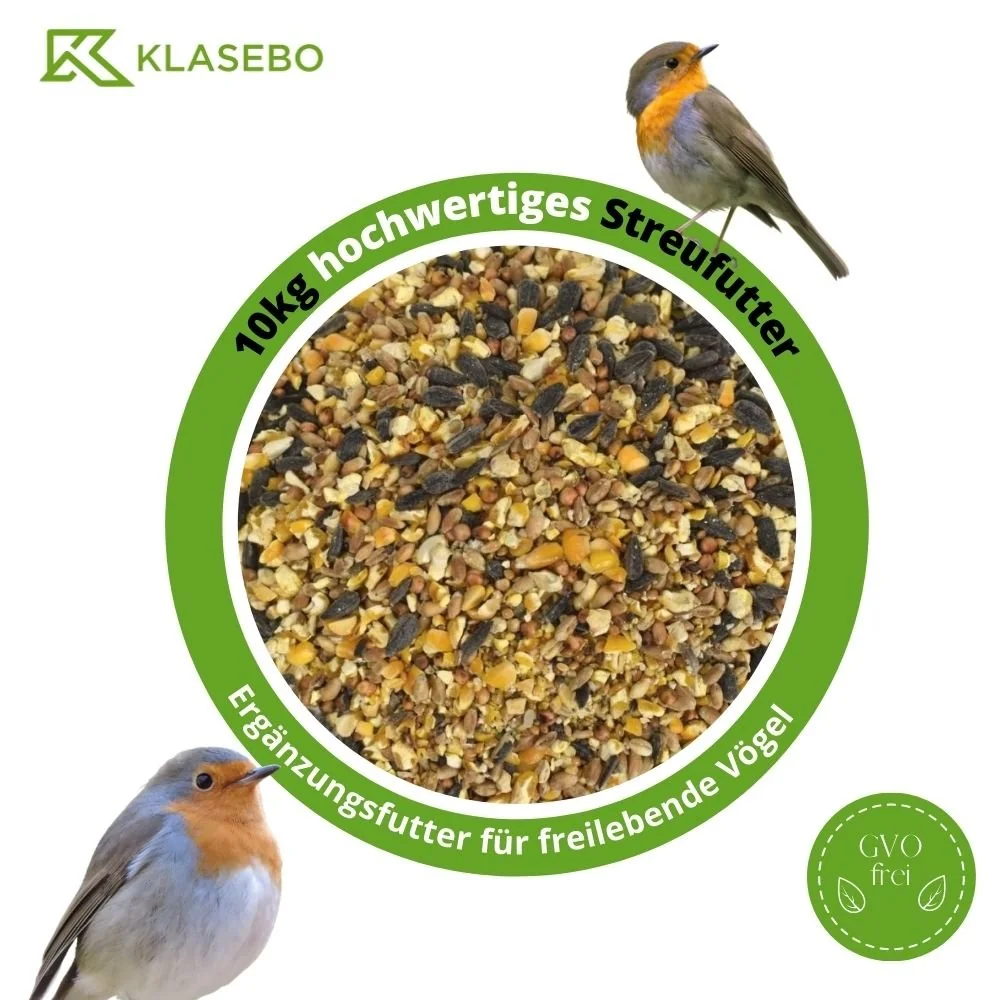
Keep falling autumn leaves out of your garden pond. A
pond net helps prevent excess nutrients and algae growth, keeping your garden pond clear throughout fall.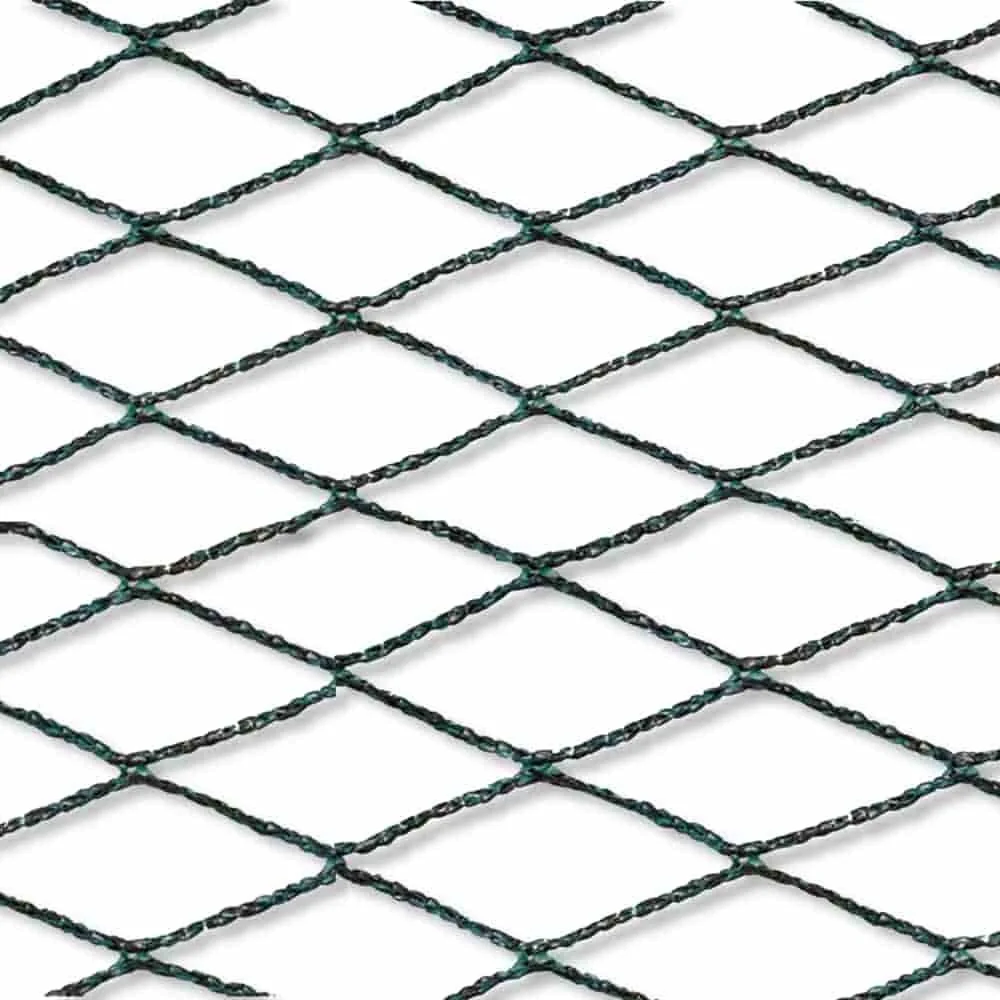
Fall crafting may be winding down, but there's still plenty to do in the garden. Prepare your lawn for winter. For tips on giving it the nutrients it needs, visit our fall lawn fertilizer category.
Your fall crafts can also make thoughtful, personalized gifts. A homemade mobile, a painted acorn pendant, or a horse chestnut hedgehog makes a heartfelt keepsake. Each one brings back memories of an autumn walk together.
Frequently Asked Questions
- How do I preserve horse chestnuts and acorns for crafts?
- Air-dry collected horse chestnuts and acorns for several weeks. To dry them faster, bake them at 50°C in a convection oven for one hour with the oven door slightly ajar. This kills any larvae and helps keep the natural materials from shrinking or getting moldy too soon.
- What do I need to make horse chestnut characters?
- You’ll need horse chestnuts in different sizes, acorns or acorn caps, toothpicks or craft wire, a hand drill with a fine drill bit (e.g. 1mm) and, optionally, googly eyes or markers for decoration. A sharp knife is useful for cutting horse chestnuts in half to make hats or shoes.
- Can I use acorns and horse chestnuts for fall table decorations?
- Yes, they’re perfect for table decorations. Fill shallow bowls or glasses with natural materials and pair them with pine cones and small pumpkins. For a special touch, make your own candle holders: glue acorn caps around a glass and place a tealight inside.
- Are horse chestnuts and acorns safe for crafts with toddlers?
- Whole horse chestnuts and acorns are choking hazards and aren’t suitable for children under three. Older children can paint or decorate them with non-toxic glue. An adult must always drill holes for toothpicks to prevent injuries.
- Where can I find horse chestnuts and acorns to collect?
- Look in parks, mixed woodlands, or beneath mature, isolated beech and oak trees. The best time to collect is shortly after the first frost, when many of the natural materials have fallen. Choose firm, shiny horse chestnuts and acorns without holes or cracks, and avoid busy roadsides.
You might also like
- Pumpkin Crafts: Creative Ideas for Fall and Halloween
- Fall Wall Decor: DIY Ideas with Dried Leaves
- Make Your Own Christmas Decorations: Sustainable Ideas with Natural Materials
- Cozy Fall Decor: Creative DIY Ideas for Your Home and Garden
- Creative Crafts for Kids: DIY Ideas for Home
- Fall Windowsill Decor: 12 Sustainable Ideas