
In brief: Use fall leaves as free mulch for your vegetable beds. Shred the leaves and apply a 5-10 cm layer. This protects the soil from frost, suppresses weeds, improves soil structure through humus formation and supplies your plants with important nutrients in spring.
Fall transforms the garden into a sea of golden colors. But this beauty also brings work: piles of leaves cover lawns and paths. Many people see them only as a chore and dispose of them in the organic waste bin. In doing so, they overlook one of the most valuable resources their garden provides for free. Fall leaves are not waste. They are the foundation for fertile soil and a rich harvest next year.
Instead of removing the leaves, use them directly on your vegetable beds. As a layer of mulch, they protect the soil, nourish soil life and slowly break down into valuable humus. This allows you to complete the natural cycle and save money on expensive fertilizer and soil amendments in spring. Find out how to prepare and use this garden gold correctly.
Table of contents
Why are fall leaves too valuable for the organic waste bin?
In a natural forest ecosystem, leaves fall to the ground in autumn and form a protective blanket. Over the winter, microorganisms, earthworms and other soil organisms break down the leaves. This returns the nutrients the tree stored over the summer – calcium, magnesium, potassium and phosphorus – to the soil. The result is a dark, crumbly and nutrient-rich layer: humus.
This humus is the heart of fertile soil. It improves soil structure, stores water like a sponge and provides plants with everything they need to grow. When you remove leaves from your garden, you interrupt this vital cycle. You take nutrients away from the soil that you later have to replace with purchased fertilizer. Using leaves as mulch is therefore not only environmentally beneficial but also saves you money.
Adding organic material is the most important measure for maintaining and improving soil fertility over the long term.
The protective layer of leaves keeps the soil beneath it loose and full of life. Earthworms pull leaves deep into their tunnels, aerating the soil in the process. Countless microorganisms find food and shelter. Soil covered with leaf mulch freezes less deeply in winter, protecting soil life and enabling a faster start in spring.
The benefits of leaf mulch in the vegetable garden
A layer of fall leaves on vegetable beds offers many benefits that go far beyond simply adding nutrients. You work with nature, not against it, and create ideal conditions for healthy plant growth.
- Natural winter protection: The blanket of leaves acts as an insulating layer. It protects the soil from extreme temperature fluctuations, deep frost and drying out due to winter sun and wind. Root vegetables such as parsnips or black salsify that overwinter in the bed are therefore well protected.
- Weed suppression: A thick layer of mulch blocks the light that weed seeds need to germinate. This saves you much of the tedious weeding work in spring. The soil stays clean and ready for sowing.
- Improved soil structure: Humus forms as the leaves decompose. It loosens heavy, clay soils and improves their drainage and aeration. In sandy soils, humus increases the ability to store water and nutrients.
- Moisture regulation: The layer of mulch reduces water evaporation from the soil. Your beds stay moist for longer, which significantly reduces watering needs, especially during dry springs and summers.
- Activating soil life: Earthworms and microorganisms love leaves. They pull them into deeper layers, break them down and turn them into valuable worm castings. Active soil life is the key to a healthy and resilient Garden + Outdoor space.
Pro tip
Mix fresh grass clippings into the dry leaves before spreading them. The grass provides valuable nitrogen, which balances the carbon-rich leaves and speeds up decomposition. The ideal mixing ratio is about two parts leaves to one part grass clippings.
Guide: How to Make Leaf Mulch Properly
Turning piles of leaves into valuable mulch is straightforward and requires just a few steps. Proper preparation is key to success.
Step 1: Collect the Right Leaves
Collect leaves on a dry day. Wet leaves are heavy and tend to clump together. You can rake leaves from your lawn, paths or perennial beds. You can also ask your neighbours—many will be happy for someone to take their leaves away.
Take care not to use diseased leaves. Leaves showing signs of fungal diseases such as powdery mildew, black spot (on roses) or shot hole disease (on cherry laurel) should be disposed of with household waste to prevent the pathogens from spreading the following year.
Step 2: Shred the Leaves
This is the most important step. Whole leaves, especially large, leathery ones such as oak or walnut leaves, form a dense, wet mat on the bed. This layer allows very little air or water through and suffocates the soil below. Shredded leaves, on the other hand, break down much faster, provide a larger surface area for microorganisms and form an airy, permeable mulch layer.
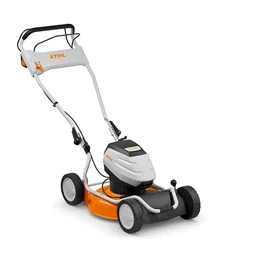
There are effective tools for shredding leaves. An excellent method is to use a lawn mower. Spread the leaves over the lawn and run the mower over them several times. A special collects the shredded leaf-and-grass mixture directly in the grass catcher—a perfect mulch mix. Alternatively, you can use powerful power tools such as a leaf vacuum with an integrated shredding function. The vacuums up the leaves and shreds them inside the machine to a fraction of their original volume. The result is fine shredded leaf material, ideal for mulching.

Important note
Avoid applying a thick layer of unshredded, wet leaves. This can form an impenetrable, slimy layer that promotes rot and suffocates soil life instead of nourishing it. Sometimes less is more, and shredding is essential.
Step 3: Apply the Mulch Layer
The best time to apply leaf mulch is in late autumn, after you have cleared most of the beds. The soil should not yet be frozen. Spread the shredded leaves evenly over empty vegetable beds. A layer of 5 to 10 centimetres is ideal.
You can also spread the material around hardy crops such as kale, lamb's lettuce or leeks. However, leave a small gap around the plant stems to prevent rot. The mulch layer protects the roots and ensures more stable soil conditions even during frost without snow cover.
Additional advice
Have you collected and shredded more leaves than you need immediately? Fill the excess into jute sacks or breathable fabric bags. Stored in a dry place, this gives you ready-to-use mulch in spring to spread between the first sowings or around young vegetable plants.
Which Leaves Are Best for Mulching?
Not all leaves are the same. Some types of leaves break down quickly and are rich in nutrients, while others take longer and contain substances that can initially inhibit plant growth. A good mixture is always the best solution.
Leaves that are very well suited (quick to break down, nutrient-rich):
- Fruit trees (apple, pear, cherry): Break down very quickly and provide plenty of nutrients.
- Maple, lime, ash, birch, hazel: Have a balanced carbon-to-nitrogen ratio and break down quickly into valuable humus.
- Beech: Beech leaves are also well suited, but take a little longer to break down than fruit tree leaves.
Leaves that are conditionally suitable (slow to break down, rich in tannins):
- Oak and chestnut: Contain high levels of tannic acid (tannins), which slightly lower the soil pH and slow down decomposition. Shredding is particularly important here. Always mix these leaves with other types that break down quickly.
- Walnut: Walnut leaves contain juglone, a substance that can inhibit the growth of other plants. However, juglone breaks down during composting. It is therefore best to compost walnut leaves separately for a year before using them in a sensitive vegetable garden.
- Conifer needles: Conifer needle litter is very acidic and breaks down extremely slowly. Use it only for acid-loving plants such as blueberries or rhododendrons, not in a traditional vegetable bed.
Healthy soil is alive. A handful of compost soil contains more organisms than there are people on Earth.
Avoid Common Mistakes When Mulching with Leaves
Although mulching with leaves is easy, some mistakes can undo its benefits. Keep the following points in mind so your soil benefits as much as possible.
- Using diseased leaves: As already mentioned, fungal spores and other pathogens can survive in the mulch and infect your new plants the following spring. Always dispose of infected leaves with household waste.
- Applying the layer too thickly: More is not always better. A layer of more than 15 cm, especially made from wet, unshredded leaves, can cause a lack of oxygen in the soil and provide slugs with an ideal hiding place.
- Not shredding the leaves: This is the most common mistake. Whole leaves mat together, block water and air, and only decompose at the edges. Take the time to shred them—it is worth it. The right garden tools make the process quick and easy.
- Covering the plant collars: Always place mulch around the plants, but leave a small area clear around the stem or trunk. Mulch touching the plant collar directly encourages rot and can damage the plant.
- Skipping nitrogen balancing: As carbon-rich leaves decompose, microorganisms consume nitrogen. On very poor soils, this can lead to a temporary deficiency. A small amount of horn meal or the previously mentioned mixture with grass clippings effectively prevents this.
By viewing autumn leaves as a valuable resource, you complete an important cycle in your garden. You support healthy soil life, improve the long-term fertility of your beds and will be rewarded with healthy plants and a plentiful harvest next year. Autumn gives you the perfect opportunity to lay the foundations for a successful gardening season—free of charge and in harmony with nature.
Frequently asked questions
- Can I use any fallen leaves as mulch?
- Almost any type. Leaves from fruit trees, maple or beech are ideal. Oak or walnut leaves contain tannins and decompose slowly. It is best to mix them with other leaves or compost them first to reduce the concentration and speed up decomposition.
- Do I need to shred the leaves before using them as mulch?
- Yes, this is highly recommended. Shredded leaves decompose faster, do not form an impenetrable layer and are less likely to be blown away by the wind. A lawn mower or leaf vacuum with a shredding function is ideal for this and makes the job much easier.
- How thick should a layer of leaf mulch be?
- A layer of 5 to 10 centimetres is ideal. It is thick enough to insulate the soil and suppress weeds, but not so thick that it prevents the soil from breathing. On empty beds, the layer can also be slightly thicker.
- Will leaf mulch cause my plants to suffer from nitrogen deficiency?
- Nitrogen is bound during the decomposition of carbon-rich material such as leaves. Mix some grass clippings or horn meal into the leaves to compensate for this. In the vegetable garden, the effect is usually minor because decomposition takes place slowly over winter.
- What should I do with the remaining leaves in spring?
- You can simply work slightly decomposed leaves into the top layer of soil. Rake up larger pieces and add them to the compost. The soil underneath will then be loose, rich in humus and ready for the new gardening season.