
In brief: A good farm loader combines lift capacity, manoeuvrability and the right attachments for your specific tasks. In our 2026 test, models with hydrostatic drive and good visibility came out on top. The key is matching the machine to the size of your farm and the jobs you do most often, such as clearing manure or transporting feed.
A farm loader is the backbone of many agricultural businesses. It transports materials, loads and unloads, and takes the strain out of your daily work. But which model really suits your requirements? In our farm loader test & comparison 2026, we explain the key criteria and show you what to look for when buying.
There is a wide range to choose from, and the technology is constantly evolving. We help you keep track of the options.
What makes a good farm loader?
Not every farm loader is suitable for every farm. The best models combine power with manoeuvrability and are tailored to your specific needs. The key factors are lift capacity, reach, drive type and the attachments available.
A machine that is too small will limit your productivity. One that is too large is uneconomical and may be too inflexible for confined spaces. Finding the right balance is crucial.
Lift capacity and reach in real-world use
The stated lift capacity usually refers to the tipping cylinder. In practice, the actual load capacity at full reach is lower. Always check the manufacturer's load charts.
Lifting large round bales or full silage bales requires plenty of power at medium reach. When stacking hay bales in the barn, however, maximum lift height is the decisive factor.
Tip: Always allow for a performance margin. If you regularly lift 800 kg, choose a model with a rated lift capacity of at least 1 tonne. This reduces strain on the machinery and gives you peace of mind.
Hydrostatic or mechanical: Which drive system is best?
The drive system has a major impact on handling, maintenance and comfort. Hydrostatic drives are now standard on most new machines.
They allow stepless driving, easy changes of direction and precise speed control, even under load. Mechanical transmissions are robust and are often found on older or particularly basic models.
The pros and cons compared directly
Hydrostatic drives are easier to operate and less tiring during long working days. You can adjust the speed precisely to the task, for example when positioning a pallet with care.
Mechanical drives score points for their simple, durable technology. Repairs are often less complex. For heavy-duty work where comfort is not a priority, they can be a cost-effective alternative.
Warning: Hydrostatic drives generate more waste heat under full load. Adequate cooling of the oil circuit is therefore essential, especially in high outdoor temperatures and during continuous operation.
The right attachments for maximum efficiency
A farm loader is only as useful as its attachments. The right implements turn your machine into an all-rounder for almost any task. Start with the equipment you need every day.
The general-purpose bucket is the basic attachment. A pallet fork attachment is indispensable for transporting materials. A bale grab or muck fork attachment equips the farm loader for livestock work.
Transport solutions: Tipping skips and trailers
Tipping skips are ideal for transporting loose materials. Look for sufficient capacity and a sturdy design. Special transport trailers that you can pick up with the forks offer even greater flexibility.
A large-capacity cart such as the
provides plenty of storage space for light goods. For narrower paths or passages in the barn, the narrower model is the better choice. This can save you many individual trips.

Which farm loader models are recommended for 2026?
Our comparison focuses on machines that perform well on farms of different sizes and for a range of budgets. The table below gives you a quick overview of the categories tested.
The highest-rated farm loaders in our range compared directly:
| Model | Customer rating | Availability |
|---|---|---|
| Fritz Göbel calf tying rope 2m sisal - sturdy calf tether | – | Currently unavailable |
| Fritz Göbel twisted orange PE rope 6mm x 30 m - 450kg | – | Currently unavailable |
| Large-capacity cart for farm loaders, W 130 x D 130 x H 150 cm | – | Currently unavailable |
| Large-capacity cart for farm loaders, narrow W 130 x D 110 x H 150 cm | – | Currently unavailable |
The rating is based on practical testing and long-term experience. We paid particular attention to everyday usability, ease of servicing and the availability of spare parts.
Compact all-rounders for family farms
These models are manoeuvrable, powerful enough for most tasks and suitable for smaller barns. They offer good value for money and are easy to operate.
A compact farm loader with around 50 PS and hydrostatic drive is the first choice here. It handles feeding and manure work reliably and is also suitable for other tasks throughout the agricultural year.
Note: Even with compact models, look for a comfortable seat position and good all-round visibility. This reduces physical strain and improves safety.
Powerful machines for large farms
For large areas, extensive livestock farming or forestry work, you need a powerful machine. Models from 80 PS upwards with strong heavy-duty capabilities are in demand here.
These farm loaders often feature sophisticated hydraulic systems for several auxiliary attachments. This means you can, for example, lift a load while simultaneously powering an attachment such as a cutting header.
Safety and Maintenance: What You Need to Know
A farm loader is a piece of equipment with significant safety risks. Safe operation and regular maintenance are not optional—they are essential. Start with thorough operator training.
Before every use, check the tyres, brakes and lights. Inspect the hydraulic hoses for damage. A faulty hose can cause a dangerous oil leak and sudden loss of function.
Daily Checklist for a Longer Service Life
Take five minutes before starting work. Check the engine oil and hydraulic oil levels. Check the coolant level. Lubricate all grease nipples on the bucket linkage at the specified intervals.
These small tasks prevent major damage and costly downtime. Record all maintenance work in a logbook.
Buying Guide: How to Make the Right Decision
Before investing, define your requirements precisely. List the three tasks you perform most often. Estimate the maximum load and the reach you need. Measure the gates and access lanes the farm loader must pass through.
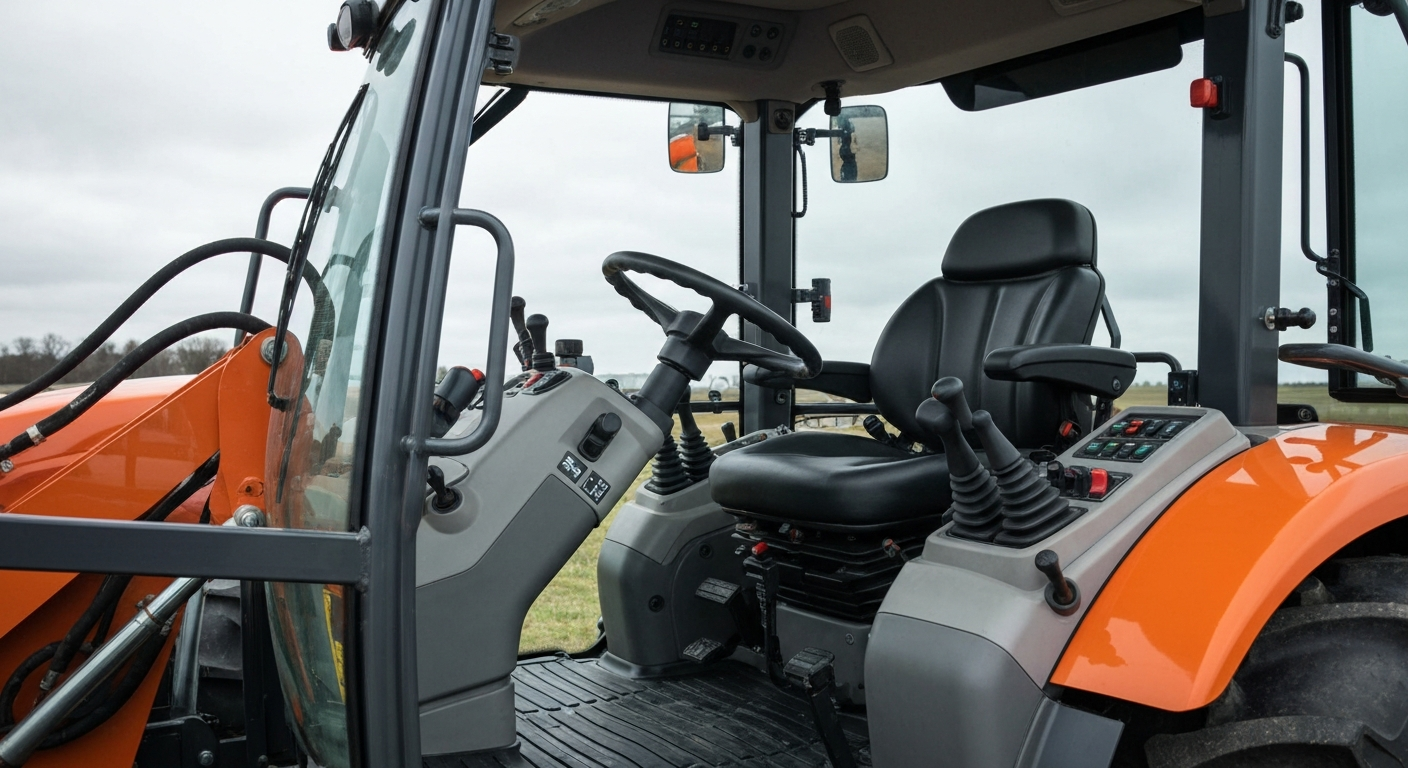
If possible, test different models under real conditions on your farm. A trial day tells you more than a hundred pages of brochures. Pay particular attention to the controls and visibility.
New or Used: Which Is Worth It?
A new farm loader offers a warranty, modern technology and no prior damage. The investment is high, but so is the planning certainty. Used machines are cheaper to buy.
For used machines, a thorough inspection by a specialist is essential. Have the engine and hydraulic system checked. Look for play in the joints and rust on the frame. A reputable seller will allow you to carry out this inspection.
Conclusion: Finding the Right Farm Loader for You
The ideal farm loader for your operation does exist. It needs to match your tasks, budget and infrastructure. Focus on the key features: lifting capacity, manoeuvrability and operator comfort.
Do not forget essential accessories such as suitable transport solutions. A robust tethering rope like the
can also be useful in the barn for tasks away from the farm loader. Take time to choose carefully, as a farm loader will serve you for many years.
With the insights from our 2026 test and comparison, you can now compare the available options efficiently and find the machine that makes your work more productive and easier.
Frequently Asked Questions
- What lifting capacity should a farm loader have for a medium-sized farm?
- For a medium-sized farm handling a lot of feed and manure, we recommend a lifting capacity of at least 1.2 tonnes. This allows you to safely move full pallets and large bales.
- Is hydrostatic or mechanical drive better?
- Hydrostatic drive is now standard and offers more precise control, easier operation and greater comfort during extended periods of work. Mechanical transmissions are robust but more demanding to operate.
- How important is bucket size on a farm loader?
- The bucket size must match the flow of material you handle. A large bucket is useful for light, bulky materials such as chopped material. For heavy materials such as gravel, choose a smaller, more robust bucket.
- Can I use a farm loader in winter?
- Yes, with the right equipment. A cab with heating and heated windows is essential. Four-wheel drive and suitable tyres provide secure grip on slippery or snow-covered surfaces.
- Which accessories are useful for most farms?
- In addition to the standard bucket, a pallet fork attachment, bale grab and snow plough are highly versatile. A large-volume trailer such as PRODUCT_75238 or the narrower PRODUCT_110815 greatly expands your transport options.