
In brief: Feed wild animals only when they are genuinely in need, for example during prolonged frost or when the ground is covered in snow. Set up fixed, clean feeding stations and offer species-appropriate food. Avoid bread, salt and seasoned leftovers, as these can cause harm. Choose sheltered locations so the animals are not put at risk.
How does responsible wildlife support work?
Supporting wildlife in your garden means more than simply scattering food. It is an intervention in a sensitive ecosystem. Your help should support the natural cycle, not disrupt it. Observation is always the first step.
Find out which animals visit your garden. Distinguish genuine emergencies from normal foraging. A healthy hedgehog in autumn does not need feeding. A bird, however, may need help when the ground is covered in snow.
Responsible support requires knowledge. Learn about the needs of each species. The wrong food can do more harm than good. Focus on native species such as songbirds, squirrels and hedgehogs.
Feeding is always first aid, not a permanent solution. A wildlife-friendly garden with native shrubs, seed heads and insect hotels provides the best and most sustainable food source.
When should you feed wild animals?
Feeding is not an everyday ritual. It is support during extreme conditions. Winter is the traditional time for feeding. However, not every winter day requires help.
Feed birds during prolonged frost, icy conditions or when the ground is covered in snow. These conditions block access to natural food sources such as seeds and insects. In mild winters, many birds find enough food.
Hedgehogs follow a different rule. Feed them only in late autumn, when young or underweight animals need to build up fat reserves before hibernation. A fully grown, heavy hedgehog from November onwards does not need supplementary feeding.
Important note
Never feed wild animals all year round out of misplaced compassion. Feeding throughout the year can create unnatural dependence, disrupt population structures and encourage the spread of disease.
The risks of feeding at the wrong time
Feeding birds in summer is controversial. At high temperatures, food spoils quickly. Nuts and suet become rancid. This attracts pests and can cause serious illness in birds.
In spring, many birds need protein-rich insect food to raise their young. Grain-based food is unsuitable for this purpose. Instead, provide a wildlife-friendly garden with native plants that attract insects.
How do you set up the right feeding station?
The location determines both safety and success. The feeding station must be accessible to the animals while being protected from predators. Cats are the most common danger to birds at feeders.
Hang bird feeders at least two metres above the ground. Choose an open location where birds can spot approaching cats early. A distance of two to three metres from nearby bushes or walls is ideal.
Ground-feeding animals such as hedgehogs and deer need particularly sheltered locations. Set up the feeding station close to a hiding place such as a hedge or woodpile. This gives the animals a sense of security. Keep the area clean.
A tube feeder is the most hygienic solution for bird food. The food stays dry and uncontaminated, and birds do not walk through their own droppings, which greatly reduces the transmission of diseases such as trichomoniasis.
Practical tips for setting up a feeding station
Use different types of feeding stations for birds. Suet balls and rings are suitable for climbing species. Tube feeders or covered feeding tables are preferred by seed-eating birds. Scattering food on the ground attracts robins and blackbirds.
Clean all feeding stations regularly. Use hot water and a brush. Avoid chemical cleaners. Dry the stations thoroughly before adding fresh food. A sharp garden tool such as the
helps remove troublesome branches near the feeding station.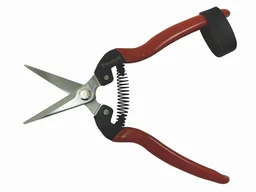
For hedgehogs, provide food in shallow, heavy bowls. This prevents them from tipping over. Put the bowl out in the evening and remove leftovers the next morning. This prevents the food from spoiling or attracting unwanted visitors.
Expert tip
Place several small feeding stations around the garden instead of one large one. This reduces competition between animals and the risk of spreading disease. Weaker birds can also access food this way.
What food is suitable for each animal?
Choosing the right food is crucial. Each species has a specific digestive system. What is healthy for a bird can be fatal to a hedgehog. Base your choice on the animal's natural diet.
Suitable foods for native songbirds include sunflower seeds (shelled and unshelled), hemp seeds, oats and poppy seeds. Insect-eating birds such as robins and wrens also accept dried mealworms. Suet food such as suet balls or beef fat is a good source of energy in winter.
Hedgehogs are insect eaters. As emergency food, use high-quality cat or dog food with a high meat content. Never give them milk. Special dry hedgehog food from specialist retailers is a good alternative. Always provide a bowl of fresh water as well.
Absolutely off-limits: These foods are harmful
Bread is unsuitable for all wild animals. It swells in the stomach, provides very few nutrients and can cause fatal crop inflammation in birds. Salty or seasoned leftovers damage the kidneys.
Also avoid large quantities of cooked potatoes, pasta or rice. For squirrels, raw peanuts in their shells can be problematic because they may contain mould fungi. Offer hazelnuts, walnuts or beech nuts instead.
Mouldy or spoiled food is life-threatening. Dispose of leftovers regularly. Store supplies in a cool, dry place protected from pests. Sturdy storage can help.
Additional advice
Provide water, not just food. A shallow, stable bowl of fresh drinking water is equally important for birds, hedgehogs and insects in summer and winter. Clean the water bowl daily.
How do you protect animals at feeding stations?
Safety comes before convenience. A feeding station must not become a death trap. The greatest danger to birds is nearby glass panes. Birds cannot recognise reflections and fly into them.
Place bird feeders and silos either directly next to the window (less than one metre away) or more than five metres away. This helps prevent high-speed collisions. Special window stickers make glass visible.
Protect the feeding station from predators on the ground. A smooth metal pole supporting the bird feeder will keep cats and martens away. Special cat-repellent collars are also available. Remove climbing aids such as nearby fences or furniture.
Hygiene as an active form of wildlife protection
Diseases spread quickly at feeding stations. Salmonellosis and trichomoniasis can decimate entire bird populations. Good hygiene helps break this cycle.
Clean bird tables and feeders every week. Wear gloves while doing so. Remove old food and droppings. Scrub the surface with hot water. Leave it to dry in the sun, as sunlight has a disinfecting effect.
If there is an outbreak of disease (several dead or lethargic birds), stop feeding immediately. Remove all leftover food. Clean and disinfect the area thoroughly. Report the incident to a local bird or wildlife conservation centre.
How do you encourage natural food sources?
The best form of feeding is a healthy natural environment. Design your garden to provide food all year round. This is sustainable wildlife support. Avoid striving for a perfect English lawn.
Plant native shrubs and perennials. Rowan, blackthorn, hawthorn and rose hips produce fruit into winter. Thistles, sunflowers and teasels provide seeds. Leave faded perennials standing over winter.
Create a wild corner. A pile of dead wood, leaves and stones provides shelter for insects, which in turn serve as food for birds and hedgehogs. Avoid pesticides and chemical fertilisers. Healthy soil is full of life.
Garden fleece protects sensitive plants in winter that provide important food. Plan your garden irrigation so that plants can thrive even during dry summers.
Helping wildlife is a responsibility. By providing species-appropriate food and creating a nature-friendly garden, you make a valuable contribution. Observe, learn and act thoughtfully. Your garden will become more vibrant.
Frequently asked questions
- Can you feed wild animals in your garden all year round?
- No. Feeding most wild animals all year round is not appropriate and can lead to dependency or disease. Only feed them in emergencies, such as prolonged frost, ice or heavy snow cover that prevents natural access to food.
- What should you never feed to wild animals?
- Strictly avoid bread, as it swells in the stomach and is unhealthy. Salty, spiced or sugary leftovers, dairy products for hedgehogs and old, mouldy food are also off limits. These foods cause serious digestive problems and can be fatal.
- How do you set up a safe bird feeding station?
- Place bird feeders or feeding houses in a quiet, cat-safe location, for example about two metres above the ground on a branch. Clean them regularly with hot water to prevent the spread of diseases such as salmonellosis. A roof protects the food from getting wet.
- Can you help hedgehogs with cat food?
- Yes, high-quality cat food with a high meat content is suitable as emergency food for hedgehogs. Serve it in shallow bowls and always provide fresh water. Milk, on the other hand, is harmful and causes life-threatening diarrhoea. The best help is a hedgehog-friendly, nature-friendly garden.
- Does feeding wild animals attract rats and mice?
- Yes, food left lying around can attract rodents. Minimise this risk by keeping feeding stations clean and offering only as much food as will be eaten during the day. Use enclosed bird feeders and remove fallen leftovers in the evening.