
In brief: Feng Shui in the living room optimizes the flow of life energy, Qi, through a clear floor plan, strategic furniture placement and carefully selected materials. You create harmony by avoiding blockages and incorporating all five elements. This specifically promotes relaxation, better conversation and a deep sense of well-being for everyone in the household.
How Feng Shui transforms your living room
Feng Shui is not esoteric decoration. It is a practical approach to interior design. It uses principles to optimize the flow of life energy, Qi. Your living room becomes the central place for regeneration. Every decision has a tangible effect.
The arrangement of your furniture influences conversations. Your choice of colors affects your mood. The way you use lighting controls the energy level. Feng Shui gives you the tools to use these effects intentionally. You create not just a beautiful space, but one that is functionally harmonious.
The basics: What is Qi and how does it flow?
Qi is the invisible life force. In your home, it must be able to circulate freely. Imagine Qi as a gentle breeze. It should reach every corner without creating eddies or stagnating in corners.
A key goal of living room design according to Feng Shui is to enable this flow. Wide, unobstructed walkways are essential. Avoid furniture that acts like a barrier. A room where you can move freely also allows energy to flow freely.
Important note
The greatest blockage to Qi is clutter. Overfilled shelves, obstructed corners and piles under the sofa stifle energy. Before buying anything new, declutter thoroughly. A tidy room is the first and most important Feng Shui measure.
The floor plan: How to use the Bagua map
The Bagua map is a Feng Shui tool. It divides your floor plan into nine areas of life. Each area corresponds to a compass direction, an element and a theme such as career or relationships.
Place your living room plan in front of you. The entrance door defines the “supporting zone”. It is always located on the wall with the door. From there, project the grid across the entire room. This allows you to identify which corner corresponds to each area of life.
The Bagua is not a rigid set of rules, but a map of possibilities. Use it to identify weaknesses and strengthen potential, not to regulate every inch dogmatically.
How to position furniture for optimal Qi
The arrangement of your furniture is crucial. It defines functional zones and directs movement. A well-positioned sofa creates a sense of security. A poorly placed cabinet causes unconscious irritation.
The sofa: Your seat of security
Your sofa is the most important point. Place it with a solid back against a stable wall. Sit facing the room door without being directly in the path of incoming movement. This position is called the “command position”. You can see who enters and feel protected.
Avoid placing the sofa with its back to the door or in front of a large window. This creates a sense of insecurity. The seating area should form a protected, inviting conversation island. Make sure there is enough space between the armchairs for Qi to flow freely.
Pro tip
Use tall shelving or room dividers as a “symbolic wall” when no real wall is available. A large, sturdy piece of furniture behind the sofa provides the necessary support. A large, robust plant can also serve this purpose.
Cabinets and shelves: Avoid lines of attack
Cabinets with sharp edges should not point directly at seating areas or the bed. These “poison arrows” create unconscious stress. Soften edges with plants or reposition the furniture.
Open shelves tend to become cluttered. Keep things under control. Use closed cabinets for unattractive items. A tidy, aesthetically designed room is the foundation for good Qi. Products such as comfortable seating can be found in our garden equipment category, which can also provide inspiration for indoor spaces.
The power of colors and materials
Colors are pure energy. They have a direct effect on your emotions and energy level. In Feng Shui, they are assigned to the five elements: wood, fire, earth, metal and water.
Ask yourself: What mood should my living room create? Energizing conversation or deep relaxation? For lively communication, use warm, fiery tones such as terracotta or orange in small accents. For calm, choose earthy beige, green or soft blue tones.
Color is the most affordable and effective tool in Feng Shui. A single accent in the right shade can energetically balance an entire room and establish the desired mood.
How to use the five elements intentionally
- Wood (Green, Blue): Represents growth. Introduce it with plants, wooden shelves or pictures with vertical lines.
- Fire (Red, Orange, Purple): Represents passion and activity. Use it sparingly as an accent through cushions, a throw or candles. (fireplace glass cleaner) helps your fireplace or stove shine as a fire element.
- Earth (Yellow, Brown, Beige): Represents stability. Clay and ceramic objects, as well as earth-colored rugs, incorporate this element.
- Metal (White, Gray, Pastel shades): Represents clarity. Metal vases, picture frames or a clock add precision.
- Water (Black, Dark blue): Represents depth and calm. A small water vessel, a mirror or a picture with a water motif is enough.

Additional advice
Start with earth and wood elements as your foundation. Then carefully add accents from the other elements. Too much fire (red) or water (black) can disrupt the balance. Our color design category offers inspiration for harmonious implementation.
Light, air and sound: The invisible helpers
Good Qi needs movement. Stagnant air means stagnant energy. Open the windows every day for a complete air exchange. This is the simplest Feng Shui ritual.
Light is the most important source of energy. Make maximum use of natural light. Avoid heavy curtains. Combine different light sources: ceiling lights for general illumination, floor lamps for reading areas and indirect light for atmosphere. Dimmable lights give you control over the mood.
The role of sound and scent
Sound cleanses the atmosphere. A wind chime by the window, moved by the breeze, dispels old energy. Soft background music or the regular ringing of a singing bowl can energetically “cleanse” the room.
Scents should be subtle and natural. Avoid synthetic air fresheners. A drop of essential citrus oil on the windowsill is invigorating. Cedarwood has a grounding effect. A clean fireplace or stove spreads a comforting warmth. Keep it clean so the fire element can burn clearly.
Common Feng Shui Challenges: Doors, Windows and Corners
Every living room has its challenges: a narrow doorway, a neglected corner or a busy walkway. Feng Shui offers ways to address them all.
When Two Doors Face Each Other
Qi can rush through the room too quickly. Slow the flow by placing a plant, an attractive piece of furniture or a small rug in the line of sight. This encourages the energy to move in a gentle curve.
How to Brighten a Neglected Corner
Dark, unused corners can cause Qi to stagnate. Bring them to life with a floor lamp that gives off warm light, a tall plant such as a rubber tree or a small fountain. An inviting armchair with a reading lamp can also turn an overlooked corner into a relaxing retreat.
Outdoor spaces can also affect how you feel at home. Find suitable accessories in Garden + Outdoor. A high-quality doormat such as
helps create a sense of order at the entrance and keeps the outside world’s unrest from entering your home.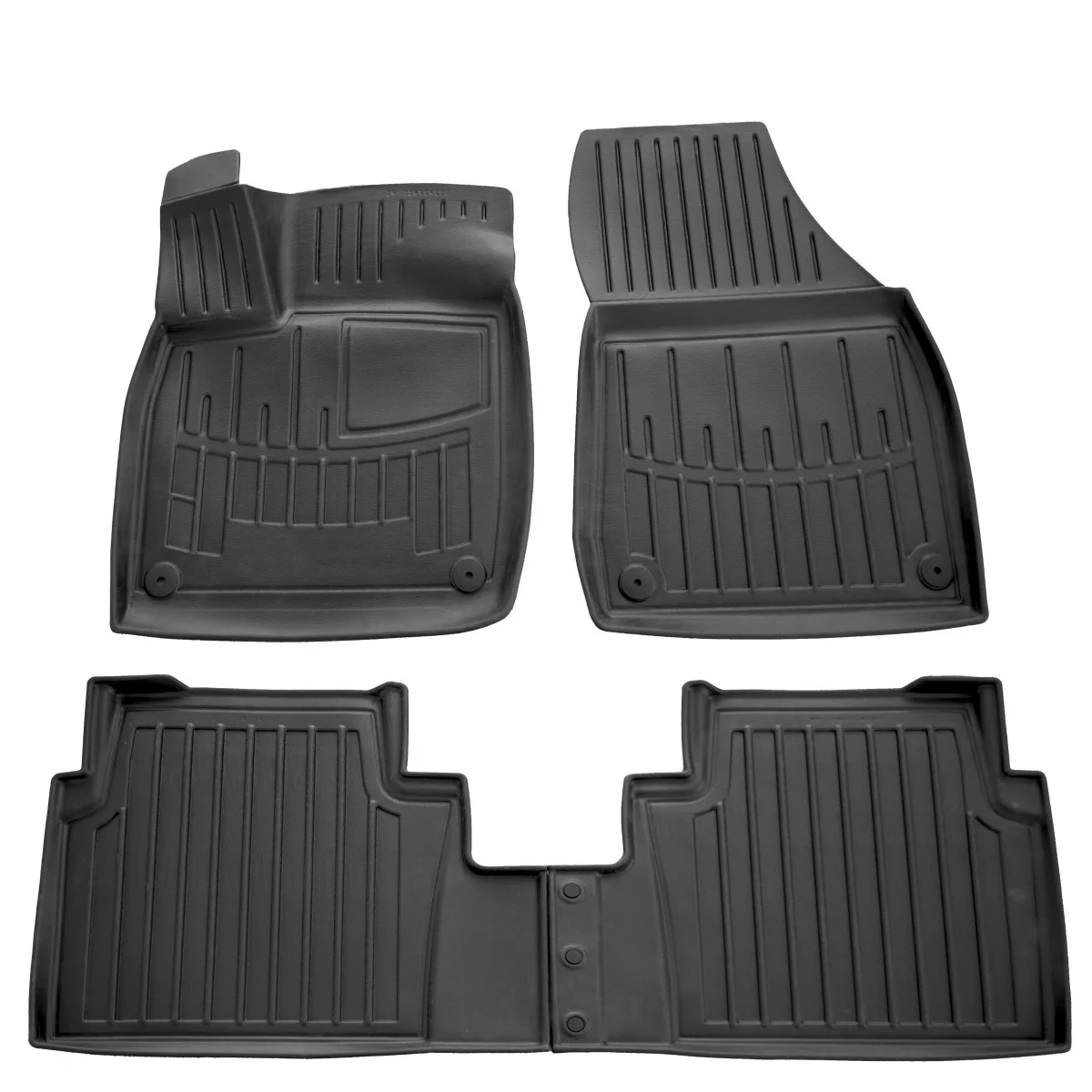
Choose Décor with Care: Less Clutter, Better Qi
Every decorative object holds energy, so choose carefully. Ask yourself about each item: Do I really like it? Does it bring back happy memories? We often keep gifts or family heirlooms out of obligation, even when they don't make us feel good.
Let go of anything tied to negative experiences. Surround yourself with art, photos and objects that inspire you and bring you joy. One striking picture can have more impact than an overcrowded gallery wall.
Feng Shui Mirrors: Use with Care
Mirrors reflect light, make rooms feel larger and can double the energy in a space. But they also reflect whatever is in front of them. Avoid positioning a mirror so it reflects the bed or seating area, as this can double stress. A mirror opposite the front door can welcome incoming Qi and guide it back into the room.
Chairs such as the
Make It Your Own: Feng Shui Is Not a Rulebook
Feng Shui principles are useful tools, not strict rules. Your own sense of well-being matters most. If a recommendation doesn't feel right, leave it aside and trust your intuition.
A harmonious living room balances your personal needs with Feng Shui principles. The goal is balance, not perfection. Start small: tidy a corner, rearrange your sofa or swap out a lamp.
Pay attention to how each change feels. You might also find inspiration in recipes from
(the Oven Delights recipe book) to make homemade treats inspired by the fire element and bring warmth into your home.
Feng Shui is an ongoing process. Enjoy creating a living space that feels right for you and notice how improved room energy can bring greater balance and well-being to you and your family.
Frequently Asked Questions
- What is the best Feng Shui color for a living room?
- There is no single best color for every living room. Consider which direction the room faces and the mood you want to create. South-facing rooms (fire) work well with red and orange tones to encourage activity, while west-facing rooms (metal) benefit from white and pastel shades that create a sense of clarity. Earthy beige and sand tones in the center of the home can promote stability. Choose colors that support your emotional well-being.
- Where should I place my sofa according to Feng Shui?
- Place your sofa with its back against a solid wall, where you can see the door from the seating area. This helps you feel secure and connected to the room. Arrange seating to create a welcoming, protected space for conversation. Avoid placing the sofa directly beneath a heavy ceiling beam or in front of a window.
- How can I get rid of negative energy in my living room?
- Clutter, dead plants and dark corners can cause Qi to stagnate. Clear away clutter and brighten neglected corners with a plant, a light or a piece of furniture. Air out the room regularly. A small indoor fountain can help get the energy flowing again.
- Can I have a TV and other electronics in a Feng Shui living room?
- Yes. Just think carefully about where you place them. In Feng Shui, a TV is associated with the fire element and can dominate the room. Tuck it into a shelving unit or conceal it when it’s not in use. Turn devices off completely at night to reduce electromagnetic fields. Set aside tech-free areas for conversation and relaxation.
- Which plants are best for improving Qi in a room?
- Choose plants with soft, rounded leaves, such as money trees, rubber trees or spider plants. They symbolize growth and soften sharp edges. Avoid cacti and other plants with pointed leaves in relaxation areas. Keep your plants healthy, as wilting plants can drain energy.
You May Also Be Interested In
- The Sofa as the Heart of the Room: Living Room Furnishing Tips
- Living Room Ideas: Cozy Furnishings for Your Home
- How to Make the Most of a Small Living Room: Create Space-Saving Solutions
- Renovating and Decorating Your Living Room
- Living Room Wallpaper: Modern Wall Décor Ideas
- How Do I Furnish an Apartment Stylishly and Functionally?