
In brief: Winter-proof your windows by checking the weatherstripping, lubricating the hardware and cleaning the frames. Repair cracks in vinyl windows early with a 2K repair resin to prevent water ingress and costly frost damage. Seasonal maintenance helps preserve energy efficiency.
The first frost signals that winter is on its way. While you winterize your Garden + Outdoor area, don't forget your windows. Cold, ice and moisture can put them under considerable strain. Small, untreated defects in a window frame can allow freezing water to cause serious problems and send your heating bills soaring. Targeted maintenance in the fall helps protect you from costly surprises.
Have you spotted a crack or chip in your white vinyl window? Act quickly. Moisture that gets inside freezes, expands and makes the damage worse. With the right tools, you can fix these defects yourself before they become expensive. A special resin system provides a lasting, visually seamless repair.
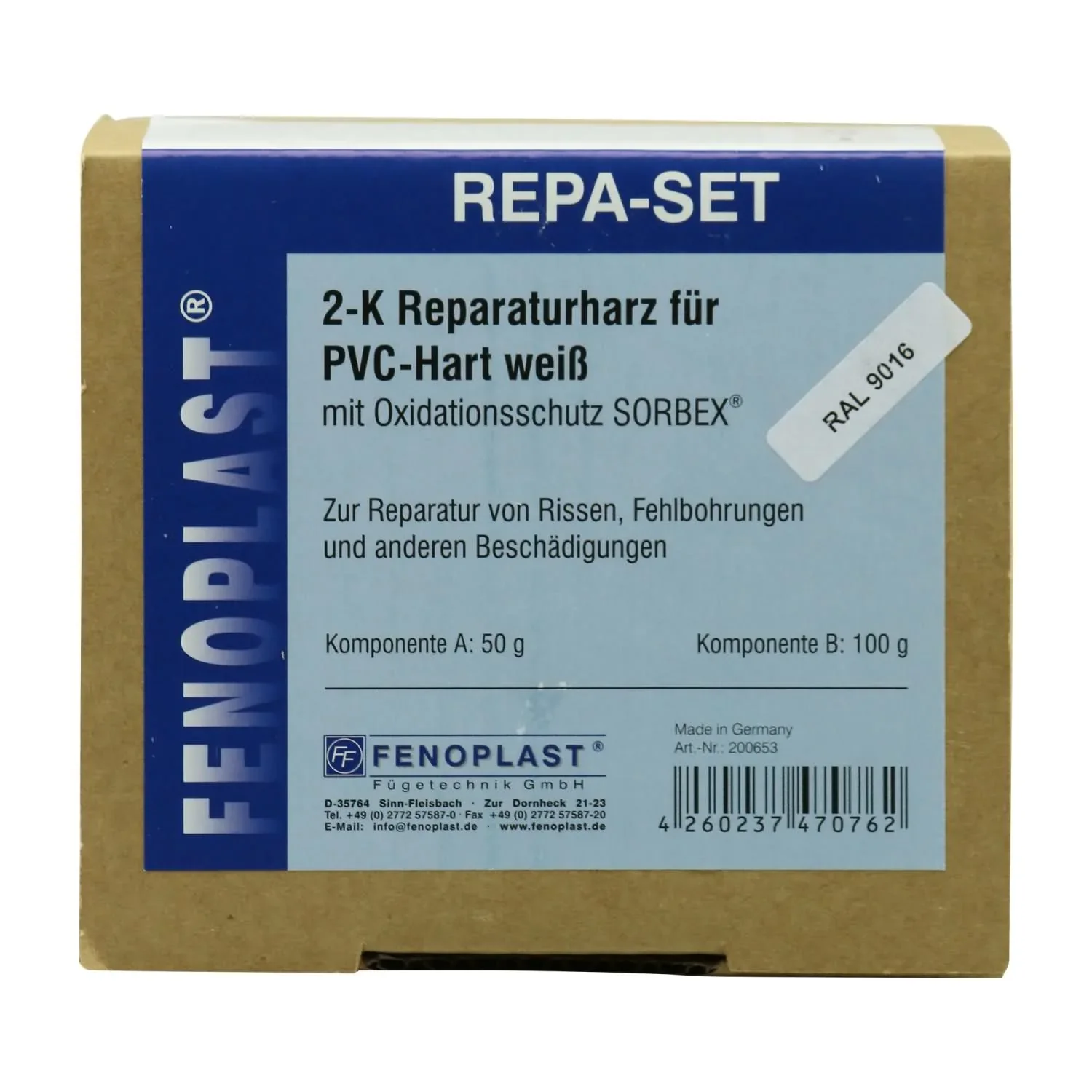
For this task, the : FENOPLAST Repair SET RAL 9016 is ideal. This set contains a two-component repair resin specially designed for white vinyl profiles. It fills cracks and holes, cures quickly and can then be sanded smooth. This restores the protective surface of your window frame and prevents water from getting inside.
Expert tip
Test your windows' seals with a sheet of paper. Place it between the frame and sash, then close the window. If you can pull the paper out without much resistance, the window is no longer closing tightly at that point. Adjust the hardware or replace the weatherstripping.
How can you spot frost damage on windows?
Damage caused by cold and moisture can appear in several ways. Regular inspections help you identify problems early. Look for fine hairline cracks, chips or changes in how your windows operate. The sooner you act, the easier and less expensive the repair will be.
Cracks and chips in the frame
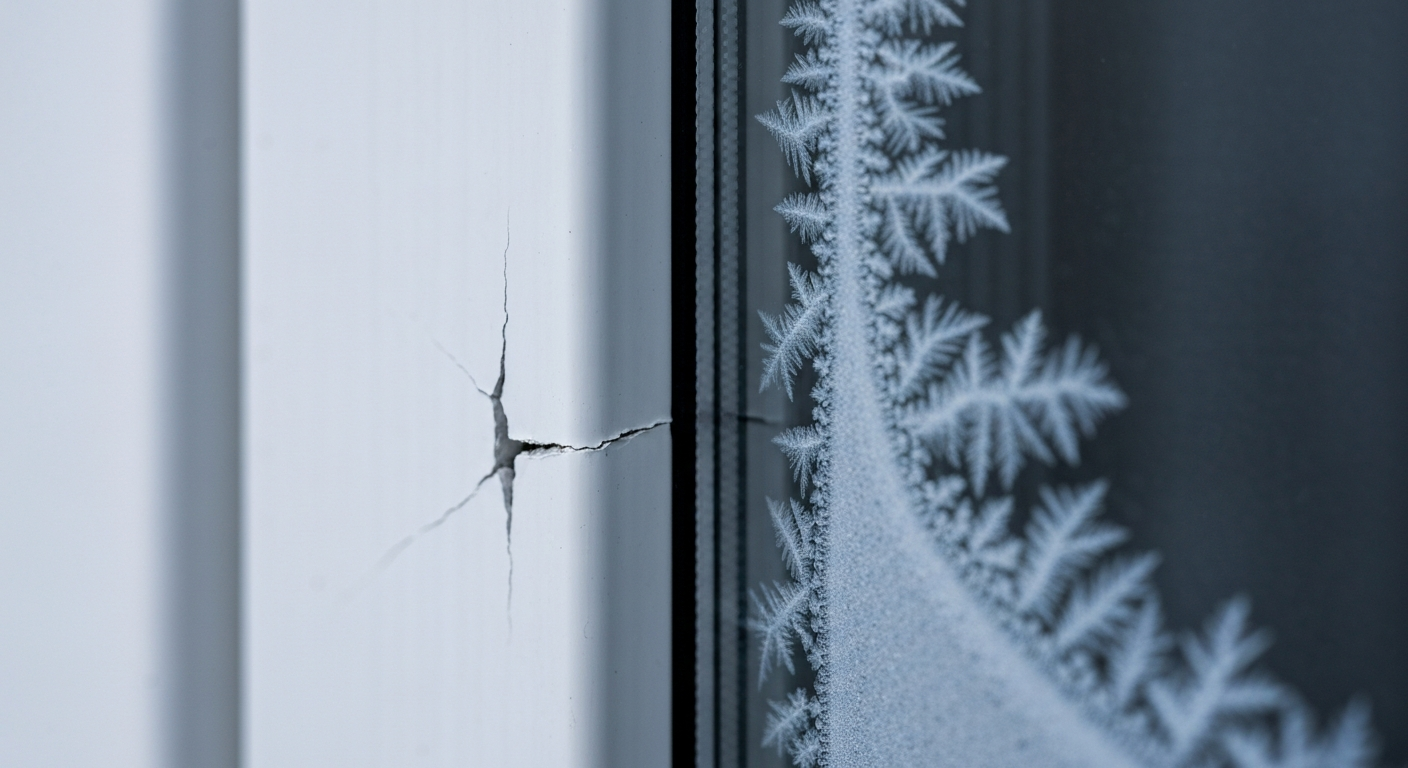
Vinyl and wood frames are particularly susceptible. Inspect the surface for fine cracks, especially around the corners and edges. On vinyl windows, these may appear as small splits in the material. On wood windows, look for cracks in the paint or the wood itself. Even small chips are a warning sign, as water can enter the material directly through them.
Cracked or brittle weatherstripping
The rubber weatherstripping between the sash and frame is the first barrier against cold and moisture. Over the years, it becomes brittle and loses its elasticity. Check the weatherstripping by running your finger along it. If it feels hard or looks cracked, it needs to be treated or replaced. Damaged weatherstripping is a major cause of drafts and heat loss.
A regular fall inspection of your windows isn't a luxury—it's a necessity. The hour you invest in maintenance in October will save you heating costs and frustration throughout the winter.
Moisture between the panes
Do you see a fine haze or even water droplets between the panes of your insulated glass unit? This is a clear sign that the edge seal has failed. The inert gas that provides insulation has escaped and been replaced by moist air. The window's insulating performance is severely reduced. In this case, replacing the pane is often the only solution.
How can you effectively prevent frost damage? Seasonal window maintenance
Prevention is the best protection. Systematic maintenance in the fall helps ensure your windows make it through the winter undamaged. Set aside a few hours on a dry day. You only need a few supplies, which you can find in our Shop.
Step 1: Thorough cleaning
Dirt holds moisture and gradually damages weatherstripping and frame materials. Start by cleaning every part of the window thoroughly. This includes the panes, frames and, above all, the hard-to-reach rebates and channels. Use a mild cleaner and water.
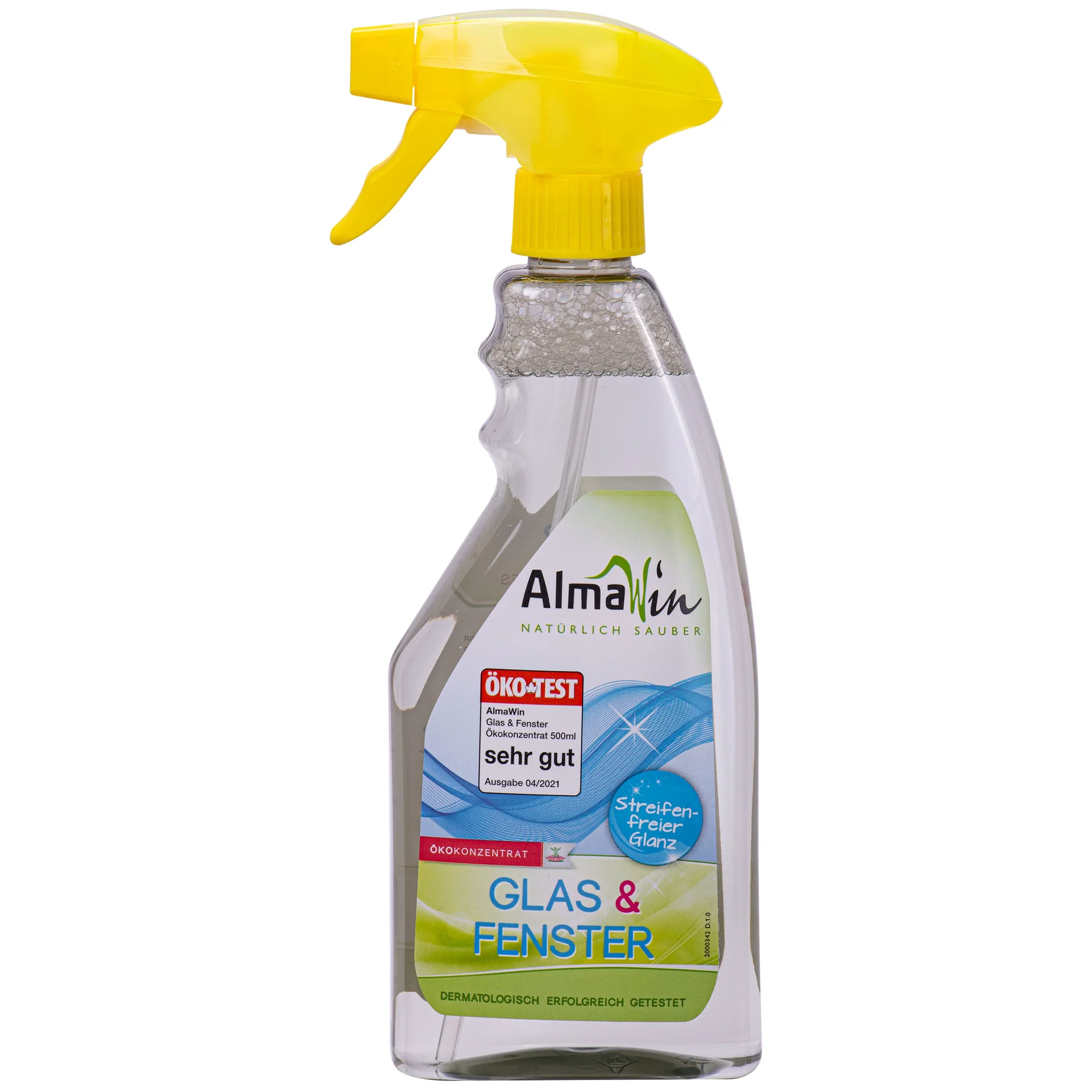
For a streak-free shine, use the : ALMAWIN glass and window cleaner. It reliably removes dirt and grease from glass surfaces. Don't forget the drainage holes. These are the small slots at the bottom of the outer window frame. They must remain clear so rainwater can drain away.
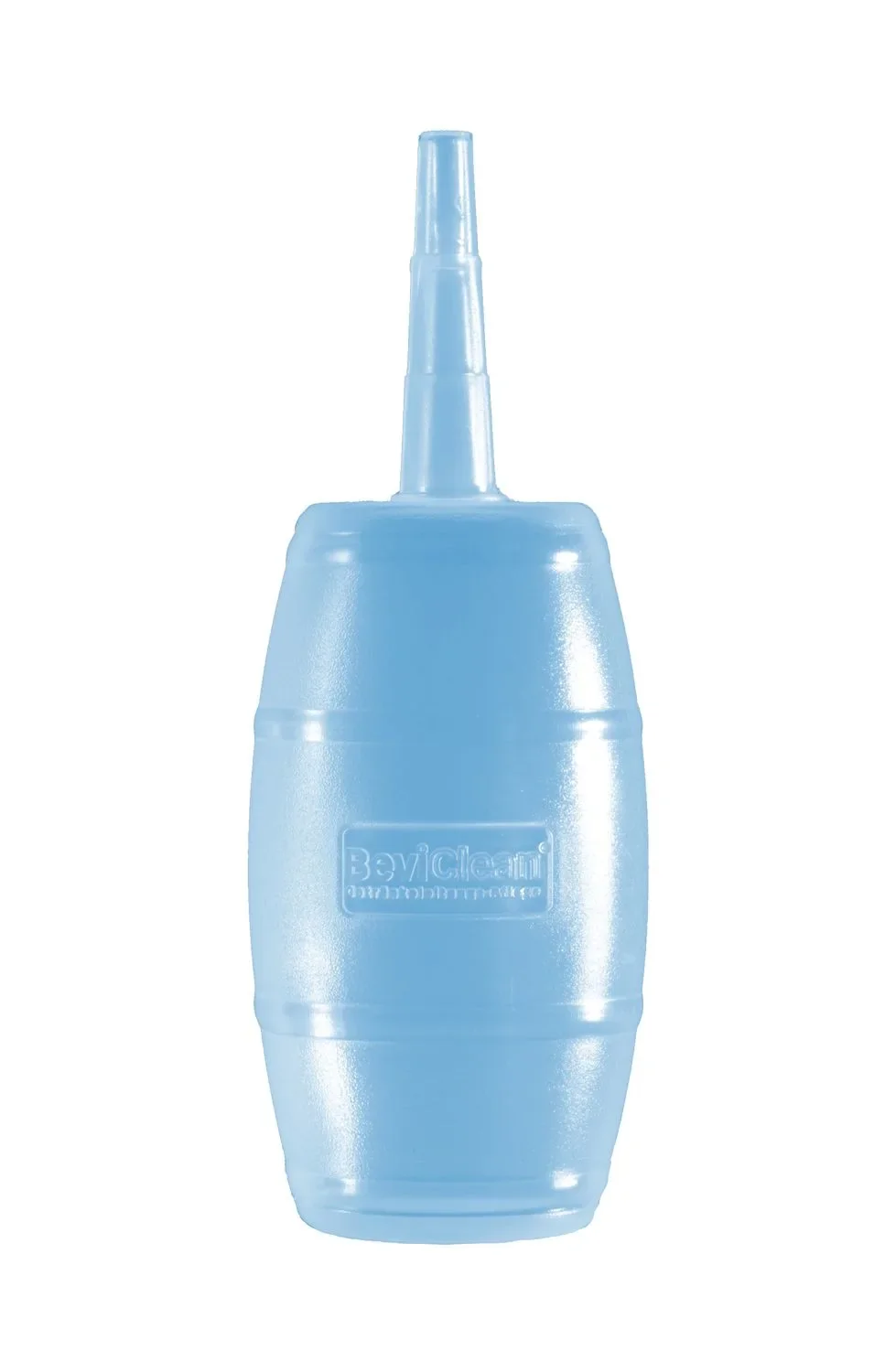
Use the small but powerful : cleaning bellows to easily blow stuck dirt, dust and insects out of these narrow channels.
Additional advice
Good window maintenance works both ways. Windows that keep the cold out in winter also help protect your home from heat in summer. Well-maintained weatherstripping and correctly adjusted hardware improve your home's insulation all year round.
Step 2: Check and care for the weatherstripping
After cleaning, turn your attention to the weatherstripping. Run your fingers over the rubber. It should feel soft and elastic. Treat the weatherstripping with a special silicone-based conditioner. This keeps the material supple, prevents it from freezing in winter and significantly extends its service life.
Step 3: Adjust and lubricate the hardware
Open and close the window several times. Does it move smoothly, or does it stick? Windows that are difficult to operate may have poorly lubricated or misaligned hardware. Apply a drop of resin-free oil, such as sewing machine or gun oil, to all moving parts of the locking mechanism. Most modern windows can also be adjusted with a hex key to increase the compression and ensure a tight seal.
What to do if your vinyl windows already have frost damage
Have you discovered a crack, hole or deep scratch in the white vinyl frame? Don't panic. As long as the damage is only superficial and hasn't affected the frame's structural integrity, you can repair it yourself. This prevents water from getting in and frost from making the damage worse.
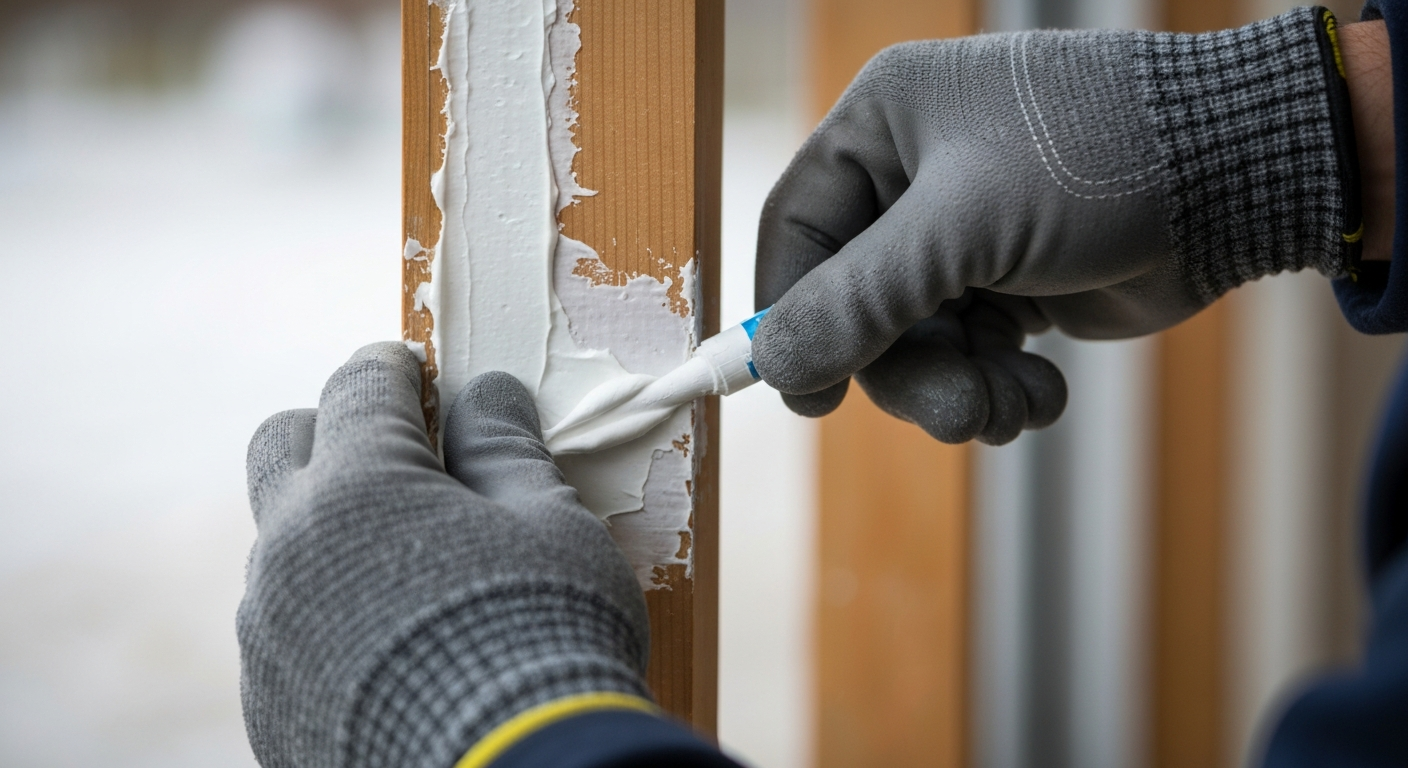
Step-by-step guide: Repairing your window with the FENOPLAST Repair Kit
The : FENOPLAST Repair Kit is your first choice for a professional repair. Its color is matched to common white vinyl windows (RAL 9016, Traffic White).
- Preparation: The damaged area must be completely clean, dry and free from grease. Clean the area thoroughly and, if necessary, lightly roughen it with fine-grit sandpaper. Carefully remove any loose pieces with a knife. Cover the surrounding area with masking tape. For larger jobs around the house, tarps + netting can also be useful for protection.
- Mixing: The kit consists of resin and hardener. Thoroughly mix both components in the prescribed ratio on a clean surface, such as a piece of cardboard, until you have a homogeneous compound. Observe the working time (pot life), as the compound will soon begin to harden.
- Applying: Use the supplied spatula to press the repair compound into the damaged area. Apply slightly more material than necessary, as the compound may shrink slightly as it hardens. Smooth the surface as evenly as possible.
- Curing and sanding: Allow the resin to cure completely. Refer to the instructions for the exact curing time. Then carefully sand away the excess, hardened filler. Start with medium-grit sandpaper and work your way up to a fine grit until the repaired area is flush and smooth.
Important note
When using 2-component resins, always work in well-ventilated areas and wear suitable protective gloves and safety goggles. Avoid skin contact with the uncured material.
Why is it so important to repair small areas of damage?
Ignoring a small crack in a window frame can have expensive consequences. Repairing it isn't just about appearance; it also protects your home's structure and energy efficiency.
Water gets in through the crack. In winter, it freezes, expands by around 10% and acts like a wedge. The crack gets bigger, allowing more water to enter. This cycle repeats itself and destroys the frame from the inside. In the worst case, moisture reaches the masonry, causing mold and damage to the plaster.
Every drafty spot around a window creates a thermal bridge. Heat you've paid to generate escapes in winter, while cold air gets in. This not only pushes up your heating bills but also reduces indoor comfort through unpleasant drafts. A quick, clean repair restores the window's full insulating performance.
A property's value is also measured by its condition. Well-maintained windows show that a property has been carefully looked after and make a significant contribution to preserving the value of the entire building.
Take the time to carry out a thorough window check. Investing in maintenance and prompt repairs pays off many times over through lower energy costs, greater comfort and the long-term value of your home.
Frequently Asked Questions
- How often should I maintain my windows?
- Ideally, carry out a thorough window maintenance check twice a year: once in spring to remove the effects of winter, and once in fall to prepare your windows for the cold season. Regular checks ensure proper operation and a long service life.
- What is the most common cause of frost damage to windows?
- The most common cause is moisture entering small, unnoticed cracks or porous seals. When this water freezes, it expands and splits the material from the inside. This significantly worsens the original damage and leads to drafty areas.
- Can I repair cracks in wood windows in the same way?
- No, wood windows require different materials. While the FENOPLAST Repair Kit is optimized for vinyl, wood frames need a special wood filler or 2K wood repair compound. However, the process of cleaning, filling and sanding is very similar for both types of window.
- How can I tell if my window seals are damaged?
- Place a sheet of paper between the window sash and frame, then close the window. If you can easily pull out the paper while the window is closed, the seal is no longer intact at that point. Carry out this test at several points around the window.
- Is it worth repairing small cracks in a window frame?
- Yes, absolutely. A small crack is an entry point for moisture. If it isn't repaired, freezing water will cause more extensive damage, impair the window's insulating performance and may eventually even damage the building's structure. Prompt repairs are inexpensive and prevent costly consequential damage.
You may also be interested in
- Seal drafty joints before winter: How to protect your home from frost
- Care for repaired vinyl windows: How to keep them looking like new
- Winter-proof your pipes: How to protect your home from frost damage
- Damage to vinyl windows: Repair or replace?
- Repair vinyl windows: Guide to the FENOPLAST Repair Kit
- Winter-proof your car: No more frozen doors