
In brief: Fertilize lavender sparingly in spring and at most once more after the first bloom. Use a low-nitrogen fertilizer with a higher potassium content and keep the soil fairly lean. Too many nutrients produce soft stems, less fragrance and greater sensitivity to frost. Sun, drainage and appropriate pruning also determine how abundantly it blooms.
Lavender belongs in every sunny Mediterranean garden. Its violet flowers attract bees, have an intense fragrance and need little water. When it comes to fertilizing, however, less is more: a lean, well-drained soil suits Lavandula better than a nutrient-rich bed.
Good lavender care is therefore not about applying as much fertilizer as possible. The right timing, a small amount and a suitable location are what matter. This keeps the stems compact, the flowers plentiful and the fragrance strong.
Why does lavender need so little fertilizer?
Lavender comes from dry regions around the Mediterranean. There, it grows in rocky, porous and relatively nutrient-poor soils. The plant is adapted to these conditions and produces aromatic flowers even without regular fertilization.
Soil that is too rich mainly promotes leaf and stem growth. The stems become soft, grow long and are more likely to fall apart. At the same time, the plant may store fewer essential oils, making its characteristic fragrance weaker.
How can you recognize a good nutrient supply?
Healthy lavender grows compactly and produces firm, gray-green leaves. The stems stand upright and carry numerous buds. A few yellow leaves or slow new growth do not automatically mean that fertilizer is missing. First check the light, drainage and pruning.
- Too much nitrogen: long, soft stems and lots of leaves, but few flowers.
- Soil that is too wet: yellowish leaves, weak growth and rotting roots.
- Too little light: spindly growth and significantly fewer flowers.
- Suitable location: at least six hours of sun and loose soil without waterlogging.
Well-established lavender in the garden often needs just one application a year, or no additional fertilizer at all. In their first stage, young plants benefit more from suitable soil than from lots of fertilizer. If the soil is heavy, work in coarse sand, fine gravel or mineral material instead.
Expert tip
Check the soil by hand before fertilizing. If it feels damp, heavy and sticky, improve drainage first. A dry, lean location usually brings lavender into bloom more reliably than an extra handful of fertilizer.
For a varied, drought-tolerant planting, you can combine lavender with suitable garden and outdoor plants. Scabiosa also fits well in a sunny bed with its airy flowers:
. Place companion plants with similar needs next to one another so you do not have to overwater a single species.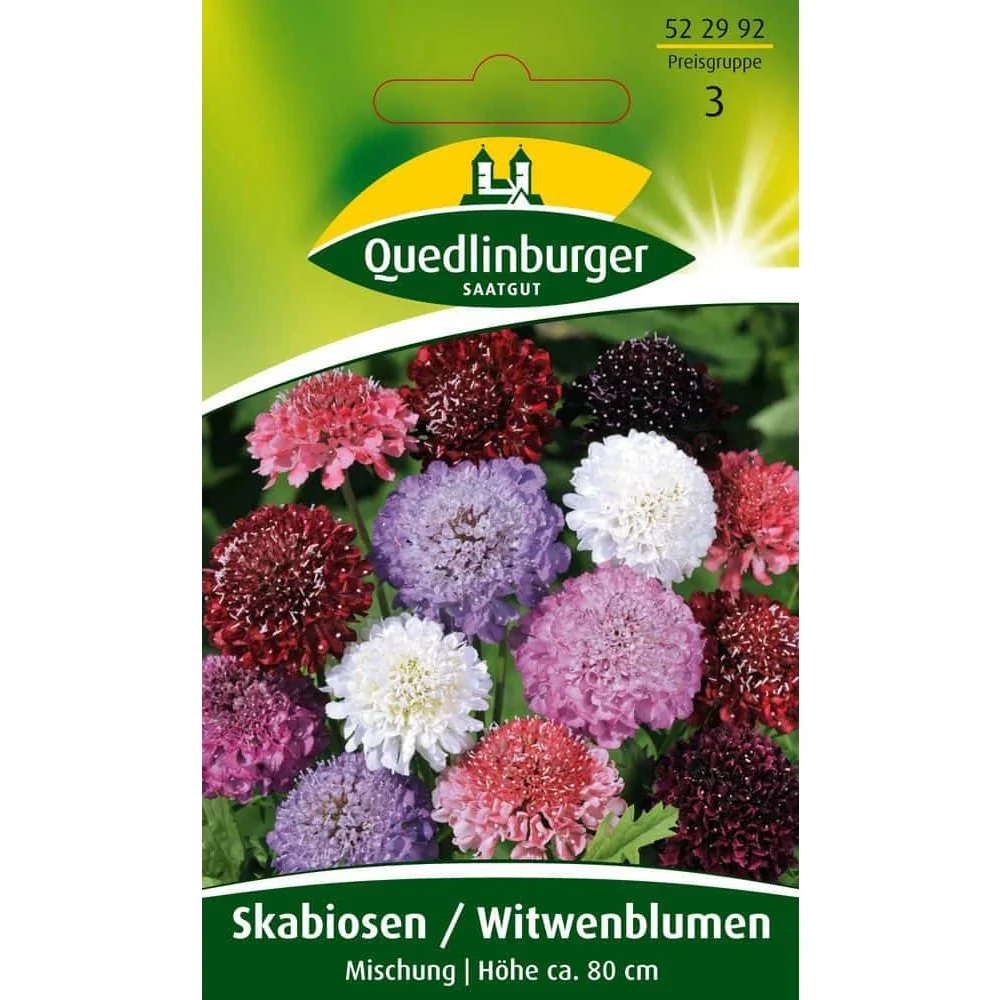
When should you fertilize lavender?
The best time to apply lavender fertilizer is in spring, as soon as the plant visibly begins to grow. The soil should be frost-free and slightly moist. A small application supports the start of the season without disturbing the plant's natural, compact growth.
The first fertilization in spring
With older plants, wait until new stems appear. Do not spread the fertilizer directly over the center of the plant; apply it around the outer root zone instead. This is where many fine roots absorb nutrients.
For young plants in their first year, a very small amount is usually enough. If you used a suitable mineral-based soil when planting, skip the first application. Lavender initially invests in root development and does not need a strong supply of nutrients for this.
A second application after the first bloom
A second application is only worth considering if the plant looks weak after its first bloom or is growing in a pot. Use no more than half the spring amount. This application is not necessary for vigorous lavender in the garden.
Stop fertilizing by August at the latest. Late applications of nitrogen encourage new growth that does not mature before winter. Frost can then damage the soft stems more easily.
A simple fertilizing calendar
- March to April: first small application as soon as new growth begins.
- June to July: if growth is weak, apply a reduced second dose after the main bloom.
- From August: stop fertilizing so the stems can mature.
- Fall and winter: do not apply nutrients and avoid waterlogging.
“Lavender develops most reliably in a sunny location with well-drained soil. Lean soil supports compact growth and protects against the problems caused by excessive moisture.”
This seasonal schedule applies to many varieties, including English lavender, French lavender and spike lavender. French lavender is often more sensitive to cold and wet winters. For this variety, a sheltered location matters more than an additional application of fertilizer.
Which lavender fertilizer suits the plant and location?
Choose a fertilizer with little nitrogen and a balanced amount of potassium. Potassium supports strong plant tissue and helps lavender cope better with drought and changing temperatures. However, the dosage remains crucial.
Organic or mineral fertilizer?
Organic fertilizers usually release their nutrients more slowly. This suits lavender well because the plant does not need strong growth spurts. Well-rotted compost can be used in small amounts, but fresh manure and large amounts of compost can overwhelm the bed.
Mineral fertilizers work faster and can be dosed precisely in pots. Use a product for herbs, Mediterranean plants or flowering plants. The range of fertilizers and organic fertilizers includes various forms such as granules, liquid fertilizer and slow-release fertilizer.
What nutrients does lavender need?
- Nitrogen: only in small amounts to keep the shoots compact.
- Phosphorus: supports root and flower development, but must not be overapplied.
- Potassium: strengthens plant tissue and improves resilience.
- Magnesium and trace elements: are useful in depleted soil, but they are no substitute for a suitable location.
Do not use conventional lawn fertilizer. It often contains a lot of nitrogen and is designed for rapid leaf growth. Highly concentrated all-purpose fertilizer is also unsuitable for a plant that thrives in poor soil conditions.
Important note
Never sprinkle fertilizer onto a dry root ball, and do not pour concentrated liquid fertilizer over the leaves. Moisten the soil slightly beforehand, keep the fertilizer away from the centre of the plant and always follow the dosage instructions on the packaging.
For beds with a variety of flowering plants, you can also find plant and flower fertilizers. Check the nutrient information and choose a low dosage. Fertilizer for heavy-feeding balcony flowers is not automatically suitable for lavender.
How do you fertilize lavender in beds, pots and containers?
The right application depends on how much soil is available to the roots. In a bed, the fertilizer spreads over a larger area and is diluted by rain. In a pot, nutrients remain concentrated, so you need to use a more cautious dosage.
Fertilizing lavender in the garden bed
Carefully loosen the top layer of soil with a small rake. Sprinkle the granules in a ring around the plant, leaving a few centimetres of space around the shoots. Work the granules lightly into the soil and then water slowly.
- Remove dry leaves and weeds from around the lavender.
- Check that the soil is slightly moist but not wet.
- Spread a small, measured amount around the outer root area.
- Work the fertilizer into the surface of the soil.
- Water thoroughly without leaving the bed permanently waterlogged.
Fertilizer alone will not improve heavy clay soil. Before planting, mix in coarse sand, grit or fine gravel. You can place established plants on a slightly raised bed area so that rainwater drains away more quickly.
Feeding lavender in pots
Lavender in pots occasionally needs nutrients because the limited potting medium becomes depleted more quickly. Use liquid fertilizer only when heavily diluted, or use slow-release granules at a low dosage. Water only once the top layer of soil has dried out.
A pot with a drainage hole is essential. A drainage layer made from mineral material helps, but it does not replace a hole in the base of the container. Do not leave the pot permanently standing in a saucer filled with water.
Additional tip
For potted lavender, initially reduce the stated fertilizer portion by half. Monitor the plant's colour, growth and buds for two to three weeks. If the plant develops strong shoots and new flowers, there is no need to apply more fertilizer.
What should you do if lavender is overfertilized?
Strong leaf growth, soft shoots or a whitish coating on the soil indicate an excess of nutrient salts. Remove any visible fertilizer residue. In a pot, flush the potting medium with low-lime water and allow it to drain completely.
In a bed, patience helps. Stop fertilizing, water only during prolonged dry periods and improve drainage if necessary. Do not cut soft shoots back drastically while the plant still appears stressed.
What care keeps lavender flowering year after year?
Good fertilizing only works alongside plenty of sun, dry soil and the right pruning. Lavender copes with short periods of drought better than wet roots. After heavy rainfall, check whether water is collecting in the bed or planter.
Combining sun and water correctly
Place lavender in the warmest, sunniest spot in the garden. It usually produces more flowers against a south-facing wall or in a gravel bed than in a partially shaded, damp bed. Water young plants regularly, while older plants only need watering during prolonged dry spells.
When watering, thoroughly soak the root area and then wait until the soil has dried out again. Frequent small amounts of water keep the surface permanently damp and encourage shallow roots. In pots, also check that water can drain freely from the bottom.
Pruning encourages compact growth
Prune lavender back by about one third after the main flowering period. Remove the faded stems and lightly shape the plant into a rounded form. Do not cut deeply into old, bare wood, as lavender often regrows from it only slowly.
A second, light trim in spring removes frost-damaged tips. Wait until severe frosts are no longer expected. Pruning encourages new branching and prevents the plant from becoming bare at the base.
Using the flowers and extending your garden bed
Harvest the flower stems as soon as the lower flowers open. Tie them into small bunches and dry them upside down in an airy, dark place. This preserves some of the fragrance, allowing you to use the flowers in bowls, sachets or decorations.
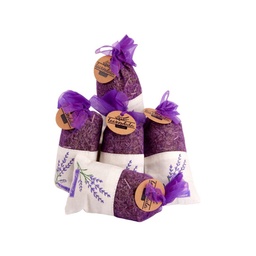
Ready-made lavender scented sachets such as
. A smaller pack is . These products do not replace plant care, but they provide the characteristic fragrance when your own harvest is not yet sufficient.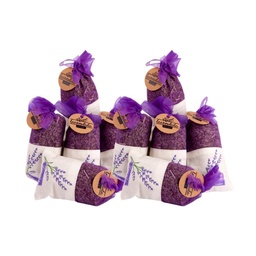
Combine lavender with drought-tolerant garden flowers. Scabiosa from our range adds a loose flower shape and extra colour to a sunny bed. Make sure you group companion plants according to their watering needs.
“Lavender needs full sun, well-drained soil and a restrained approach to watering. Regular pruning keeps the plant compact and extends its decorative appeal in the garden.”
If you follow these basic rules, fertilizing remains straightforward. Apply a small amount of fertilizer in spring, observe the plant and stop feeding as soon as it begins to grow vigorously. This will give your lavender sturdy stems, plenty of fragrant flowers and a long life.
Frequently asked questions
- How often should I fertilize lavender?
- In the garden, one application in spring is usually enough. Only weak-growing plants should receive a second, small dose after the first flowering period. In pots, you can apply a little more fertilizer carefully during the growing season. Follow the manufacturer's instructions and reduce the amount for young plants.
- Which fertilizer is suitable for lavender?
- A low-nitrogen fertilizer with a higher potassium content is suitable, preferably one intended for herbs, Mediterranean plants or flowering plants. Organic slow-release fertilizers also work if applied sparingly. Lawn fertilizer and highly nitrogen-rich general-purpose fertilizers encourage soft stems and few flowers in lavender.
- Can I fertilize lavender with coffee grounds?
- Coffee grounds are not suitable as a regular fertilizer for lavender. Over time, they can compact the soil and provide nutrients unevenly. If you use them, mix only a very small amount into the compost. A lightly dosed, potassium-rich lavender fertilizer is a better choice.
- Why does my lavender have lots of leaves but few flowers?
- The cause is often an excess of nitrogen. Shade, waterlogging, pruning too late or very nutrient-rich soil can also inhibit flowering. Stop fertilizing, improve drainage and lightly prune the plant after flowering.
- Should I fertilize lavender in autumn?
- No, late fertilizing in autumn is usually unfavorable. New shoots do not mature sufficiently before winter and are more sensitive to frost. Stop feeding by August at the latest. Remove faded stems and protect potted lavender from severe frost and winter waterlogging.
You may also be interested in
- Watering lavender correctly: Care for a wonderfully fragrant plant
- Planting and caring for lavender: The ultimate guide
- Fertilizing oleander correctly: For abundant, beautiful flowers
- Fertilizing perennials correctly: For a magnificent display of flowers
- Pruning lavender in summer: For abundant flowering and growth
- Fertilizing plants correctly: How to feed your garden and balcony plants properly