
In brief: If birds are staying away from your feeder, it is often due to natural causes such as an abundant food supply in the wild or the weather. Other reasons include an unsafe location with predators, poor-quality or spoiled food, and inadequate hygiene. Optimise the location, offer high-quality food and clean the feeding station regularly.
Sudden silence at the feeding station: where have the birds gone?
You carefully set up and filled your bird feeder. Yesterday, tits, finches and sparrows were still flocking around it. Today, it is eerily quiet. This phenomenon worries many garden enthusiasts. However, there are usually simple, natural explanations for the sudden absence of your feathered visitors. It does not necessarily mean that you have done anything wrong.
Birdwatching in your own garden is a fascinating hobby. Understanding the reasons behind birds’ behaviour allows you to take targeted action and turn your garden into an appealing meeting place for wildlife again. Patience and the right measures are the keys to success.
Why have the birds suddenly stopped visiting my feeder?
Nature follows its own rules. Seasonal or environmental factors often influence birds’ behaviour. Before changing the location or the food, check whether nature itself has simply laid a richer table than your bird feeder.
Natural food sources in the surrounding area
In late summer and autumn in particular, nature is a feast. Trees and shrubs are full of ripe fruit, berries and seeds. Meadows and perennial plants offer an abundance of insects and seeds. Faced with this wealth of food, many birds prefer fresh, natural fare. Your feeder may temporarily become uninteresting. This is a good sign, as it shows that the surrounding natural environment is healthy.
Weather conditions and seasonal changes
The weather plays a crucial role. In mild temperatures and without snow cover, birds can still find enough food on the ground in winter. Only during prolonged frost and with continuous snow cover does your feeding station become vital for survival and attract more visitors again. A sudden spell of warm air can therefore reduce activity just as much as the start of spring or autumn migration.
A feeding station is like a restaurant for birds. Whether it is busy depends not only on what is on offer, but also on the competition in the neighbourhood and the current weather conditions. Sometimes nature’s buffet is simply more tempting.
Population fluctuations and migration patterns
Bird populations are subject to natural fluctuations. A poor breeding season can lead to fewer young birds and therefore fewer visitors the following year. Many species are also migratory birds. Species that were with you in summer migrate south in autumn, while winter visitors from the north and east have yet to arrive. These changes can create temporary gaps at your bird feeder.
Could the location of the bird feeder be the problem?
Once you have ruled out natural causes, the location becomes the focus. For a bird, safety while feeding is the top priority. A poorly positioned feeding station will be avoided, no matter how tempting the food may be.
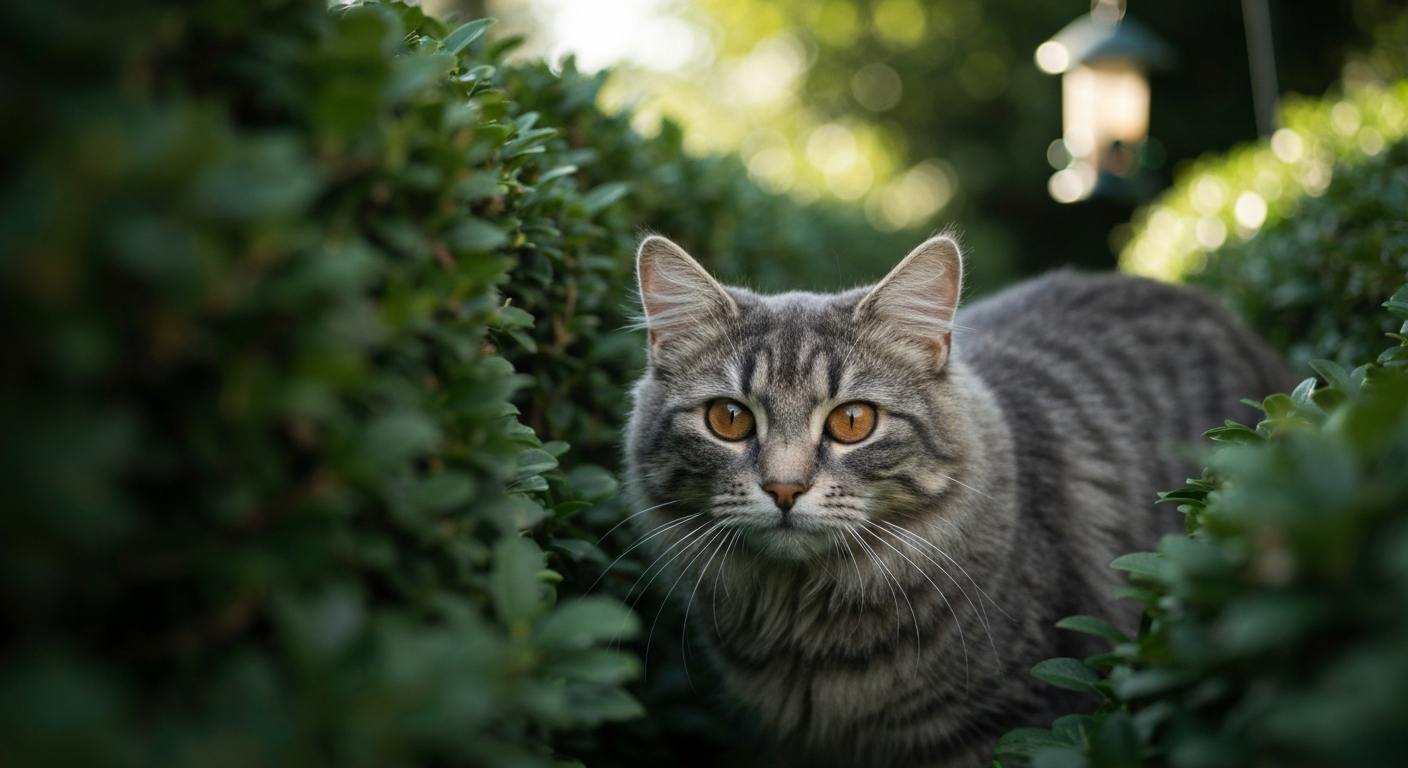
Insufficient protection from predators
The greatest danger to feeding small birds comes from cats, but also from martens and sparrowhawks. A bird feeder placed directly beside dense hedges or beneath low-hanging branches gives predators perfect cover for a surprise attack. The birds notice this danger and avoid the location. An open, unobstructed spot is a better choice.
Position the bird feeder so that the surrounding area is clearly visible within a radius of at least two to three metres. A freestanding pole or hanging structure makes it harder for cats to reach the feeding station.
Too much noise and human activity
Birds are timid animals. Constant movement near the feeding station can deter them. A location directly beside a frequently used patio table, clothes airer or window where there is often movement is unsuitable. Children playing or dogs running loose can also drive birds away permanently. Look for a quieter corner of your garden.
Additional advice
A water source near the bird feeder greatly increases its appeal. Birds readily use a shallow bowl of fresh water for drinking and bathing, especially on hot days and in winter, when natural water sources are frozen.
Lack of approach and escape routes
A completely bare location is not ideal either. Birds need nearby cover so they can quickly seek shelter in danger or assess the situation before flying to the feeding station. Trees or larger shrubs a few metres away make perfect “lookout posts”. They provide shelter without giving predators a direct ambush point. The right balance between a clear view and nearby escape routes is crucial.
How does bird food affect visitor numbers?
The quality and type of food determine which birds you attract and how many. An unsuitable or spoiled offering may be the reason birds stop visiting, and it also poses a health risk.
Choosing the wrong food for different bird species
Different bird species have different preferences. They can broadly be divided into seed-eating birds and soft-billed birds.
- Seed-eating birds (e.g. finches, sparrows and tits) have strong beaks and love sunflower seeds, hemp seeds and crushed peanuts.
- Soft-billed birds (e.g. blackbirds, robins and thrushes) prefer oats, raisins, fruit or special softbill food.
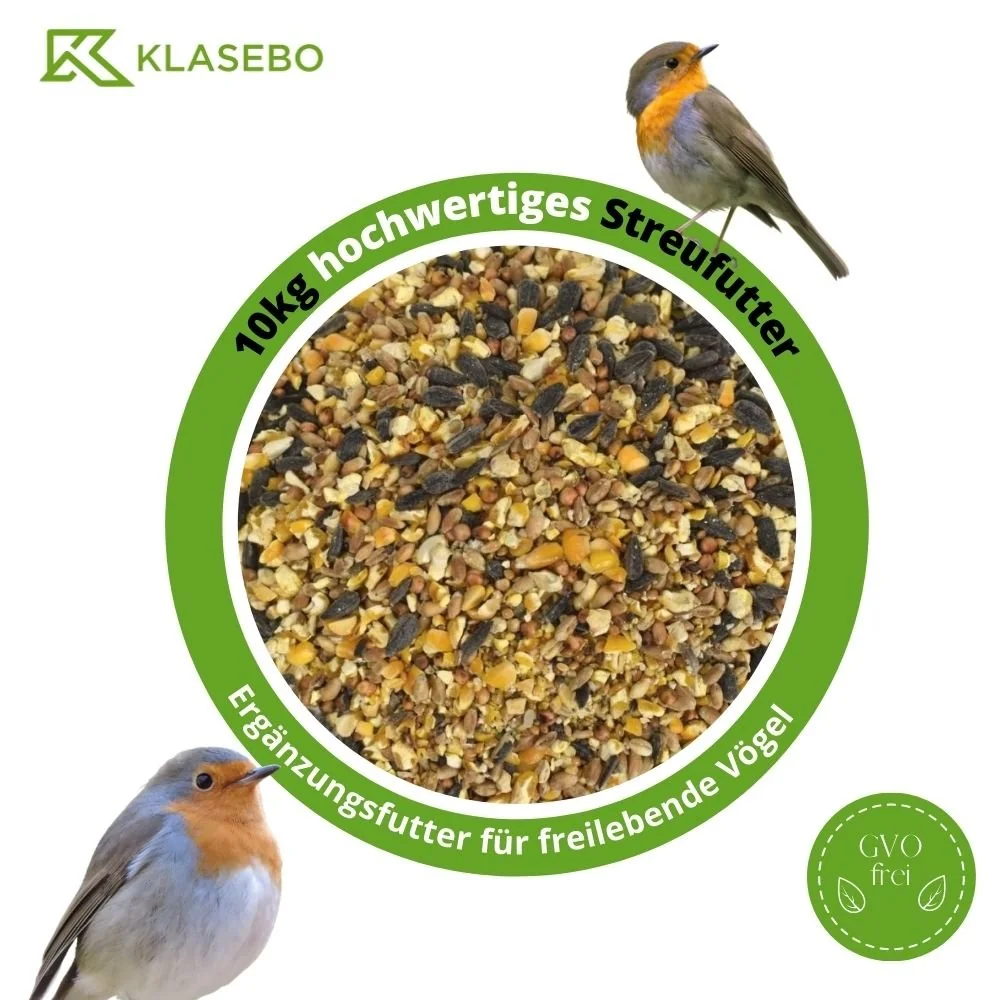
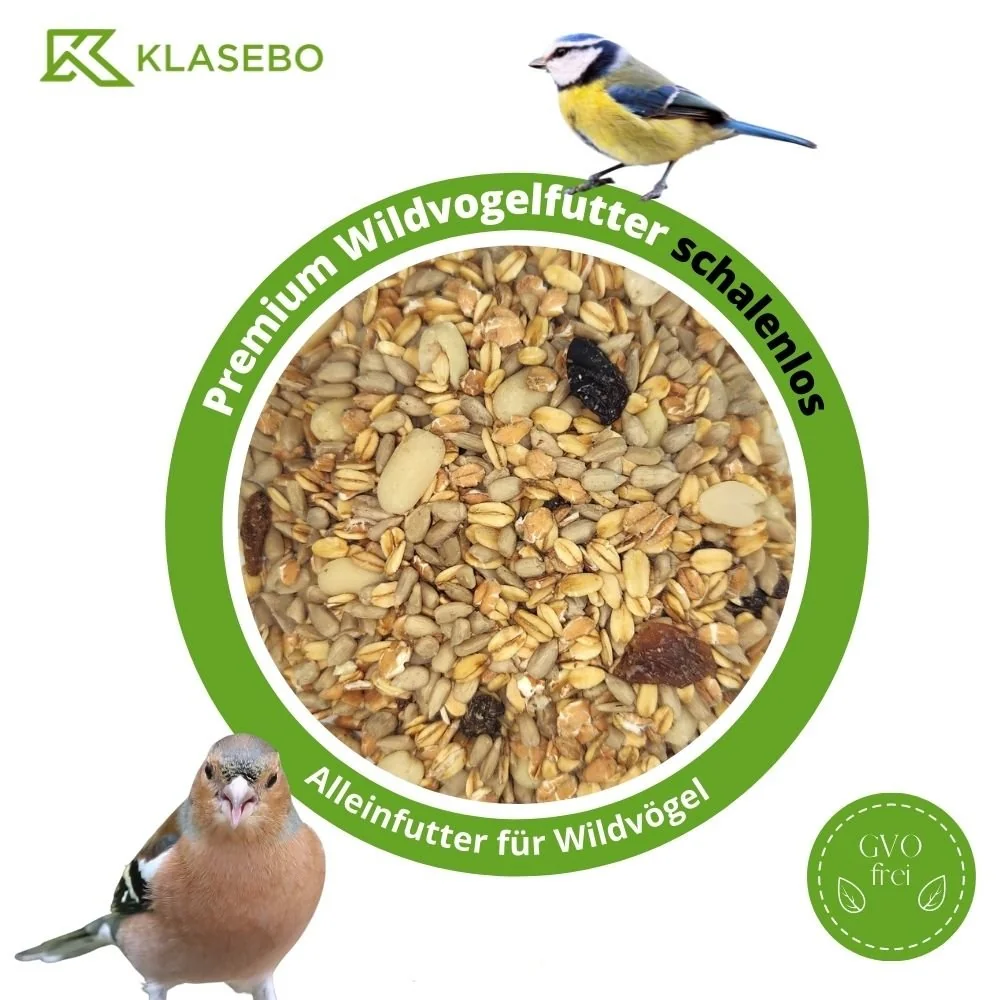
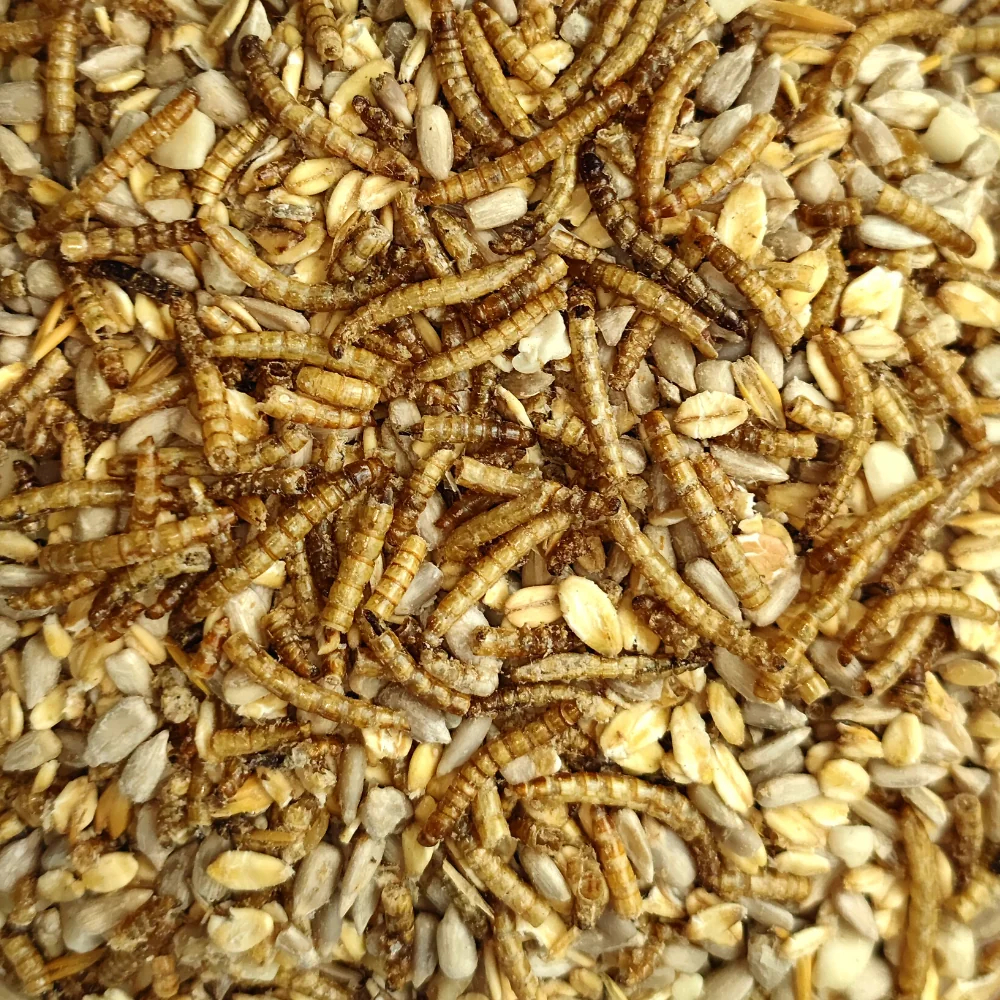
A seed mix, such as classic 10 kg bird seed, mainly caters to seed-eating birds. To attract a greater variety, offer a mix. High-quality wild bird food, such as 20 kg premium no-mess wild bird food, is an excellent choice because it leaves no husks behind. For a particularly energy-rich meal that also attracts demanding species such as the great spotted woodpecker, try 20 kg deluxe bird food with mealworms.
Spoiled or poor-quality food
Birds have a keen sense of the quality of their food. Old, rancid or mouldy food is rejected. Moisture is the biggest enemy of bird food. Make sure your bird feeder protects the food from rain and snow. Always store food supplies in a cool, dry and sealed place.
Variety is key. Offering different types of food in different places – for example, a silo for seed-eating birds, a feeding table for soft-billed birds and fat blocks for tits – will reward you with a greater diversity of species in your garden.
Poor hygiene at the feeding station
A dirty feeding station is a breeding ground for pathogens such as salmonella or trichomonads. Bird droppings in food can quickly lead to epidemics that decimate the local bird population. Birds instinctively avoid unhygienic places. Regular and thorough cleaning is therefore essential.
Important note
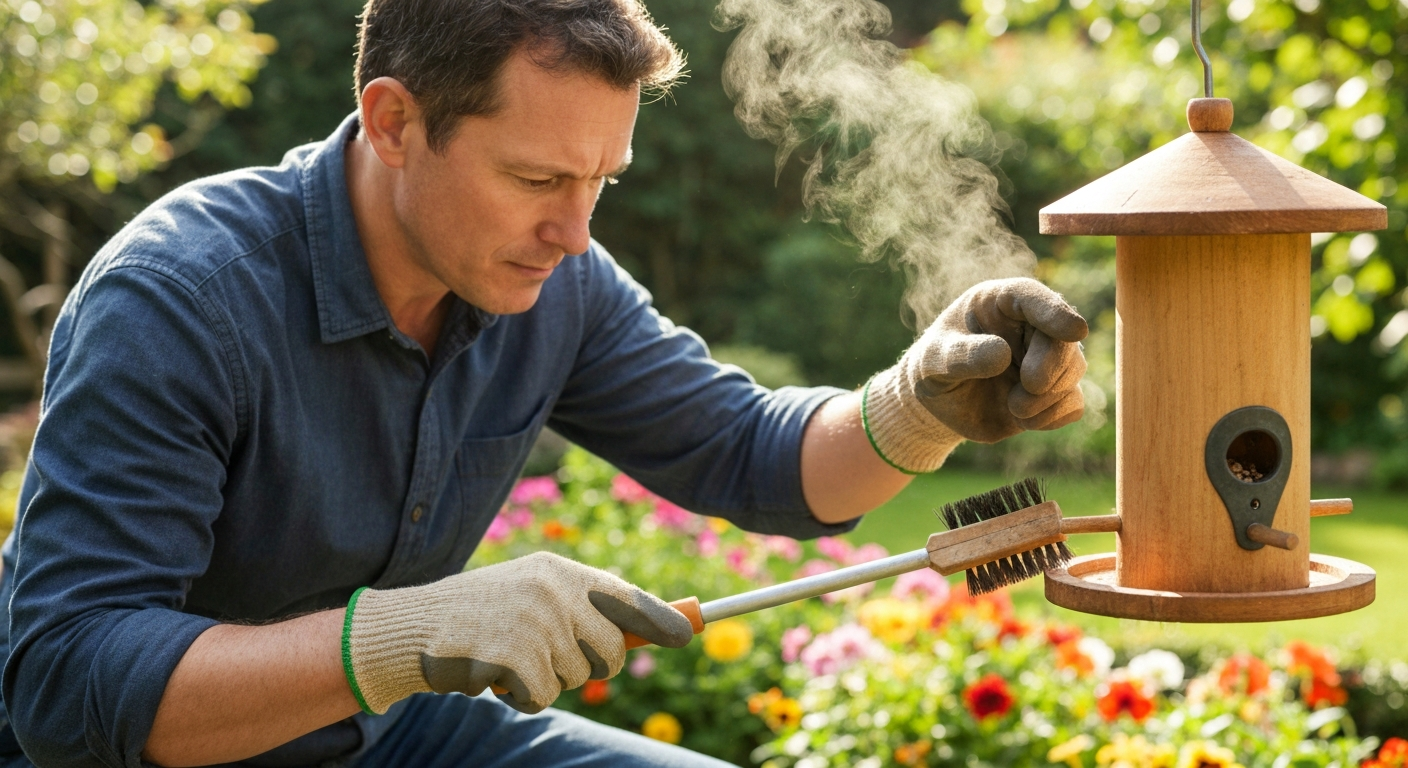
Clean the bird feeder at least once a week. Remove all food scraps and droppings. Rinse it with hot water and scrub it clean. Do not use chemical cleaning products. Allow the feeder to dry completely before adding fresh food.
What can I do to attract more birds again?
If birds stop visiting, you can take targeted measures to encourage them back. Often, even small changes are enough to turn your garden into a popular meeting place for birds again.
Optimising the feeding station
Take a critical look at its location. Choose a spot that gives birds a 360-degree view while providing escape routes in the form of trees or shrubs 2-5 metres away. Use feeders such as tube feeders, which protect the food from contamination and make it harder for cats to reach.
The right food for every season and bird species
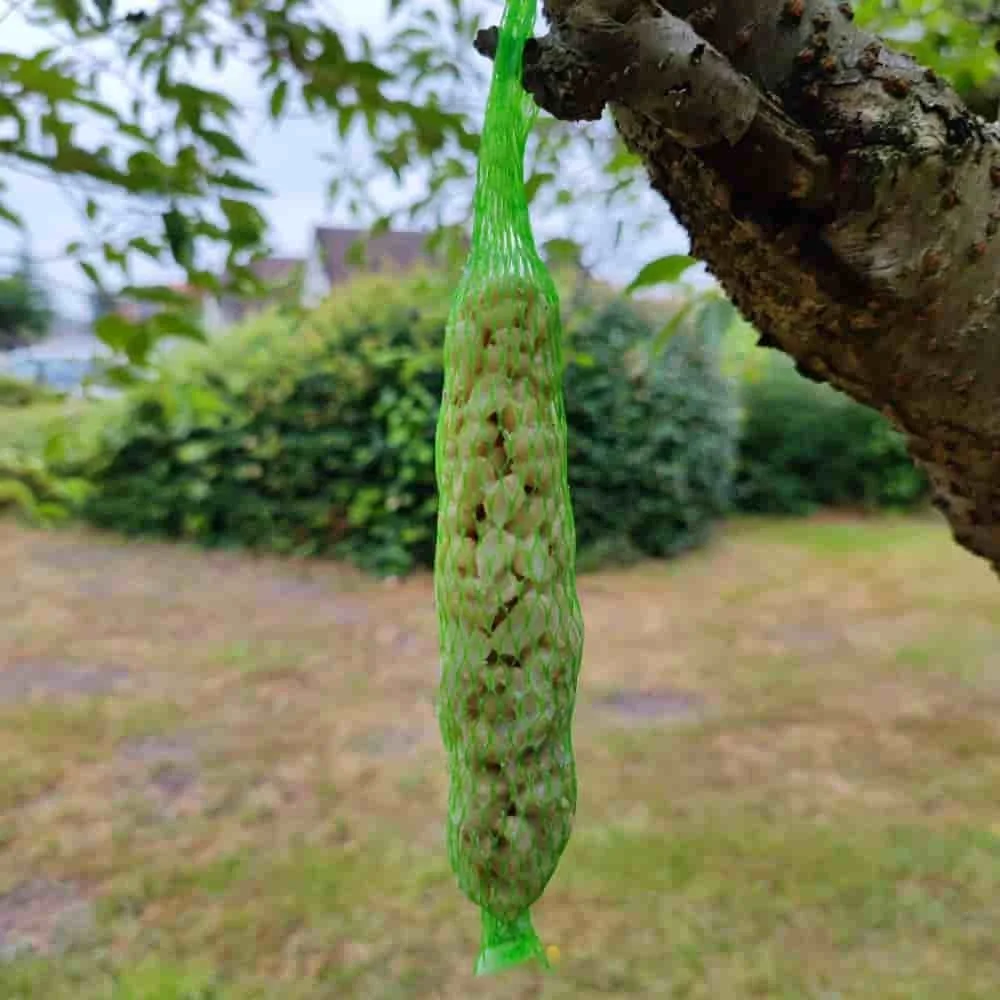
Adapt what you offer. In winter, high-energy suet food is particularly popular. For example, these peanut bird food sticks are a welcome treat. A varied mix of different grains and seeds, including peanuts for birds, will appeal to a wide range of species. Experiment with different types of food and observe what your garden birds like best.
Top tip
Put food out in several small areas of the garden instead of just one large feeding station. This spreads out the crowds, reduces stress and competition between birds, and gives shyer species a chance to feed in peace. This increases both species diversity and the total number of visitors.
Making your garden bird-friendly
The best way to protect birds is to create a natural garden. Native shrubs such as hawthorn, elderberry and rowan provide not only shelter but also natural food in the form of berries and insects. A “wild corner” with nettles and thistles provides seeds for goldfinches and other finches. Avoid pesticides and create habitats. A bird-friendly garden is the best and most sustainable form of feeding, attracting birds throughout the year.
Frequently Asked Questions
- Why have birds suddenly stopped visiting my bird feeder?
- There can be many reasons. Often, plenty of natural food is available, such as ripe berries or seeds in late summer. Changes in the weather, a new predator such as a cat in the neighbourhood, or spoiled bird food can also keep birds away. Check the location, food quality and hygiene.
- Which bird food attracts the most birds?
- A varied mix attracts the widest range of species. Sunflower seeds are popular with finches and tits. Soft-billed birds such as blackbirds and robins prefer porridge oats, raisins and fruit. High-quality mixes containing fat and insects such as mealworms are particularly nutritious and attractive to many species.
- How often should I clean a bird feeder?
- Clean bird feeders regularly, at least once a week, and more often if they are heavily used. Remove old food and droppings. Use hot water and a brush. Avoid chemical cleaning products so you do not endanger the birds' health.
- Where is the best place for a bird feeder in the garden?
- The ideal location is open and easy to survey, so birds can spot predators early. It should be around two to three metres away from dense bushes or trees. These provide a safe place to retreat, but do not give predators direct cover for an attack. Protect the feeder from strong wind and rain.
- Can the wrong or old bird food harm birds?
- Yes, definitely. Spoiled, wet or mouldy food can spread diseases such as salmonellosis, which can be fatal to birds. Unsuitable food such as salty leftovers, bread or dairy products can also damage their health. Only provide fresh bird food that is suitable for the species.
You might also be interested in
- Wild birds in the garden: how to create nesting boxes and feeding stations
- Feeding birds: when is the right time? Suet balls tested
- How to feed birds in the garden: what is allowed?
- Attract birds: turn your suet ball feeder into a hotspot
- How to store bird food correctly: freshness and safety for birds
- How to feed blackbirds: the best way to help garden birds