
In brief: The right greenhouse depends on your space, the plants you want to grow and how long you plan to use it. A cold frame or polytunnel is often enough for starting seeds and growing a few tomatoes; delicate plants benefit from a sturdy glass or polycarbonate model. Before you buy, check the location, ventilation, foundations, access to water and local building regulations. Prioritise usable height over floor area alone.
A greenhouse extends the growing season and protects plants from rain, wind and cold nights. The right model depends on whether you want to raise seedlings, grow vegetables or overwinter potted plants. Your garden, the greenhouse’s orientation and the amount of maintenance it needs also matter.
Which type of greenhouse suits your garden?
The design determines how much space a greenhouse takes up, how easy it is to work in and which plants will fit. Before you buy, consider whether you need a permanent structure or a flexible cover. A large glass greenhouse is not right for every task or garden.
Cold frames and mini greenhouses for starting seeds
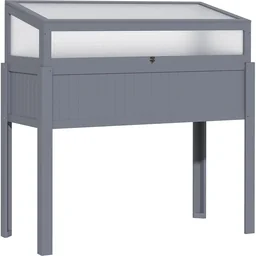
A cold frame protects seeds and low-growing plants close to the ground. It suits small gardens and can be used in spring for lettuce, herbs or seedlings. A mini greenhouse offers a little more height and is suitable for a few tomato plants or as a sheltered spot for delicate potted plants.
A compact model with a raised bed combines growing space with a cover. describes a 2-in-1 greenhouse with a polycarbonate housing and a footprint of 120 x 54 centimetres. Check the listed dimensions and available working height before choosing a spot for it.
Polytunnels and lean-to greenhouses
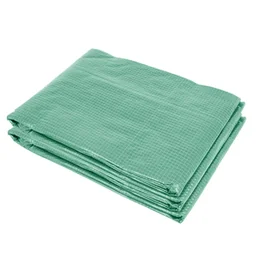
A polytunnel provides plenty of growing space with a relatively simple structure. It is suitable for vegetable beds, but needs to be securely anchored and the cover checked regularly. If you need a replacement for an existing structure, a suitable cover such as the may be an option. Check the length, width and height before choosing a cover.
A lean-to greenhouse sits against a house wall or garden wall. The wall can shelter it from the wind and retain heat, but the structure must be securely fixed to the building. Check that it will not block doors or windows and that rainwater from the roof will not run into the greenhouse.
Freestanding greenhouses for regular growing
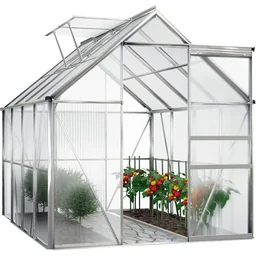
A freestanding model is accessible from several sides and can be placed independently of your home. It needs a sturdy frame, a level base and enough clearance from trees, fences and buildings. A larger model such as the is listed with an internal volume of 7,6 cubic metres and two roof vents. These features are especially useful if you plan to work in the greenhouse regularly and grow several rows of plants.
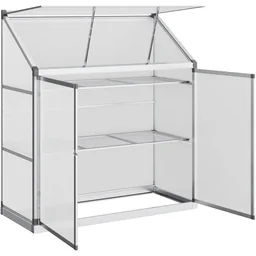
A low aluminium greenhouse with a sliding door and multiple tiers, such as the serves a different purpose: it can provide a sheltered spot for seed trays and smaller plants. Check the actual internal height and door opening. Product descriptions list different dimensions, so compare them with the space you have in mind.
How Do You Choose the Location and Size?
A good location combines sunlight, shelter, and easy access. Observe your garden on a sunny day and check when trees or buildings cast shade. Vegetables such as tomatoes and peppers need plenty of light. For starting seeds and overwintering plants, other factors may matter more, such as a sheltered spot near the house.
Plan for more than just the footprint. You’ll need room to open the door, reach your beds, and water your plants. Leave enough space on paths for buckets, watering cans, or small garden tools. Also keep in mind that plants grow and trellises take up extra space.
- Sunlight: Choose a spot that gets as much light as possible, and consider how shade changes throughout the day.
- Wind: Avoid exposed locations where gusts hit the door, roof, and covering.
- Water: Keep the greenhouse close to a water supply or plan to use a rain barrel.
- Ground: Choose a level, stable surface and prevent rainwater from pooling at the site.
- Access: Keep paths clear so you can easily move soil, pots, and your harvest.
Choose a size based on what you actually plan to grow. A small model is enough for a few seed trays. If you’re growing several tomatoes, cucumbers, or peppers, leave room for proper spacing, trellises, and paths for tending your plants. Draw your beds and paths to scale on paper, or mark the area with string in your garden.
“When choosing a location, look for plenty of light, level ground, and easy access to water.” (paraphrased)
Pro tip
Use boxes or boards to mark out the planned footprint, then walk the paths. Before you buy, you’ll be able to check whether you can open the doors, reach the beds, and comfortably turn around with a watering can.
Which Material Is Right for Your Plants?
The frame and glazing affect weight, light, heat retention, and maintenance. Aluminum frames are lightweight and don’t rust like untreated steel. Wood blends naturally into the garden, but needs regular care and protection from moisture. With any frame, check how easy it is to maintain the windows, doors, and fittings.
Glass: Plenty of Light and a Clear View
Glass lets in plenty of light and stays clear for a long time with proper care. It’s a good choice for greenhouses that will stay in place, but it’s heavier than plastic panels. Glass can break if struck. Check that the structure is suitable for your location and review the manufacturer’s information about glazing and replacement parts.
Polycarbonate: Lightweight and Shatter-Resistant
Polycarbonate panels weigh less and are less prone to breaking than glass. Multiwall panels can retain heat better than a single thin covering; performance depends on the panel’s thickness and construction. The material often diffuses light more. This can help plants that are sensitive to direct midday sun, but it doesn’t replace shade during extreme heat.
Plastic Film: Flexible and Seasonal
Greenhouse plastic film is lightweight and works well for tunnels and simple protective coverings. It can move in the wind, so it needs to be securely fastened. Check the film’s UV resistance, thickness, and dimensions, and inspect it for tears throughout the season. Find more materials in the greenhouse film and mesh film category.
Important
Before assembly, check the manufacturer’s installation instructions and your local building codes. Permitted size, setback requirements, and whether a permit is needed depend on your location and local rules. Anchor the greenhouse according to the ground conditions so wind can’t shift the structure or covering.
The direction of the door and windows matters, too. Position the greenhouse so you can ventilate it regularly and the door won’t be blocked by garden beds, hedges, or stored items. Shading may be necessary in very sunny locations. Keep suitable shade cloth or a removable cover on hand.
How Do You Build and Set Up a Greenhouse?
Prepare the site before assembly. Remove roots and stones, level any uneven spots, and prepare the ground according to the installation instructions. Some models may need a solid foundation. Smaller greenhouses may also work with a suitable frame on stable, level ground.
Sort the parts and compare them with the instructions. Assemble the frame and glazing in the order specified by the manufacturer. Work with a partner if you need help holding large panes or long profiles. Don’t fully tighten the screws until the frame is aligned, so the doors and windows will open and close smoothly.
Arrange the interior so you can reach all your plants. A path between two beds makes care easier; in a small greenhouse, a single row of plants with a narrow work area is often enough. Place shelves where they won’t unnecessarily block light and airflow. Install trellises before your plants need them.
Plan your water supply, too. A nearby rain barrel saves trips, and a hose makes watering easier when you have lots of plants. Find suitable water supply solutions in the garden irrigation category. Water directly at the soil, and avoid keeping leaves wet for long periods if your plants are prone to problems.
“Ventilation helps remove excess heat and moisture from the greenhouse.” (paraphrased)
Ventilate early enough on warm days. Roof vents and doors allow air to circulate; automatic openers can raise the vents as temperatures rise. Keep an eye on how the greenhouse warms up throughout the day, and adjust ventilation to the weather and your plants. Even spring sunshine can cause temperatures to rise quickly.
Keep scissors, gloves, and small gardening tools within easy reach. Find tools for plant care in the garden tools category. Store soil and fertilizer in a dry place, without blocking access or ventilation.
How Will You Use Your Greenhouse Throughout the Year?
In spring, you can start seedlings and use the greenhouse to grow early crops. Gradually acclimate seedlings to outdoor conditions before planting them in the garden beds permanently. A greenhouse protects plants from cold nights, but you still need to monitor the temperature. Cover delicate plants as well if needed.
Keep Things Ventilated and Watered in Summer
In summer, ventilation and watering are the priorities. Check the greenhouse often, especially on hot days, as temperatures can rise quickly. Open windows and doors if plants are getting too warm, and close the doors in strong winds. Shade can help when the sun shines directly onto the roof.
Check the soil regularly with your finger and water as needed. Containers and small seed trays dry out faster than large beds. Watering in the morning gives plants time to absorb moisture before the midday heat sets in. An automatic irrigation system can save time, but you should still check the drippers, hoses and soil moisture.
Plan for Crop Rotation and Ongoing Care
Growing the same plants in the same soil every year makes it easier for pests and disease to build up. Rotate your crops, replace some of the soil, or use large planters filled with fresh growing medium. Remove diseased plant parts promptly and clean pots, supports and tools between crops.
In fall, a greenhouse can extend the harvest season for lettuce and herbs. Check the cover, panels and fasteners before the cold, windy season begins. In winter, you can shelter tender potted plants as long as the temperature and light meet their needs. An unheated greenhouse does not automatically keep frost out.
Extra Tip
Keep a calendar of sowing, planting and harvest dates. Add brief notes about ventilation, watering needs and pests. This will help you see when your plants grew well in the greenhouse and which routines you might want to adjust next year.
Before you buy a greenhouse, decide how you plan to use it instead of choosing based only on the largest possible growing area. If you want to build a greenhouse, check the ground, anchoring and assembly instructions first. Compare greenhouse types by the space they need, their materials and the care they require. With good ventilation, suitable crops and a convenient water source, you can use your greenhouse without making everyday tasks unnecessarily difficult. Find more garden ideas in Garden & Outdoor and Garden and Plant Care Supplies.
Frequently Asked Questions
- What type of greenhouse is best for a small garden?
- A cold frame, compact lean-to greenhouse or polytunnel can work well in a small garden. Measure the available space first and check that you can open the doors and windows easily. A model with enough headroom makes plant care easier and gives tomatoes more room to grow.
- Is glass or polycarbonate better for a greenhouse?
- Glass lets in plenty of light and has a long-lasting, high-quality appearance, but it is heavy and can break if struck. Polycarbonate is lighter and more shatter-resistant; depending on the type, it may diffuse light more. Choose based on the location, stability, maintenance and the plants you want to grow.
- How big should a greenhouse be for tomatoes?
- The right size depends on how many plants you want to grow and how much space you have. Leave a path that is easy to reach alongside the tomatoes, with room for supports, a watering can and routine plant care. Extra usable height makes it easier to reach the plants and gives climbing stems room to grow upwards.
- Does a greenhouse need a foundation?
- Many greenhouses need level, stable ground and secure anchoring. The recommended foundation depends on the greenhouse design and its location. Check the assembly instructions before installation and secure the greenhouse so the wind cannot shift or lift it.
- How do I ventilate a greenhouse properly?
- Open roof vents and doors as soon as the air warms up noticeably. Allow air to circulate without exposing plants to drafts. Ventilate after watering, too, to let excess moisture escape. Automatic vent openers make it easier to control the temperature when you cannot check the greenhouse regularly.