
In short: Create a practical firewood storage area by choosing a sunny, well-ventilated location with a firm base. Use a dedicated firewood rack for a tidy look and optimal drying. Incorporate the wood stack as a privacy screen, pair it with seating, or surround it with suitable plants for a harmonious garden design.
A stack of wood in the garden is much more than just a supply for cold winter evenings. Styled well, your firewood storage area becomes a rustic yet stylish feature in your garden. It adds structure, brings natural warmth and combines practicality with visual appeal. Instead of leaving firewood in a corner, create a dedicated area that keeps everything organized and looks great.
From choosing the perfect location and using clever stacking techniques to integrating your firewood storage into your overall garden design, a well-planned setup enhances any outdoor space. Discover the many possibilities of this natural material in the Garden + Outdoor section.
Why a dedicated firewood storage area is an asset to your garden
A purpose-built firewood storage area solves the problem of messy wood piles and transforms a purely functional space into an attractive feature. You can keep your firewood supply organized while creating a new focal point in your garden.
Creating order and structure
A designated place for your firewood keeps logs from being left around the garden. This creates a tidy look and improves safety by reducing tripping hazards. A sturdy firewood rack, such as the
, keeps logs neatly together and creates clean lines.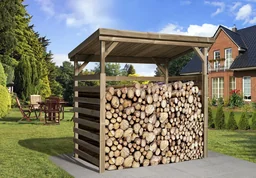
Adding visual appeal to your garden
Wood is a natural material that brings warmth and coziness. A neatly stacked woodpile looks calm and inviting. It can provide a rustic contrast to modern architectural features or blend seamlessly into a natural garden design. The grain, colors and shapes of the logs create a lively picture that keeps changing.
Practical benefit: dry wood always within reach
The most important functional consideration is making sure the wood dries properly. Only well-seasoned wood burns efficiently, producing little soot and plenty of heat. A well-planned firewood storage area protects your supply from ground moisture and allows air to flow freely around it. That way, you always have ideal fuel ready for your fire.
Good design is created when function and aesthetics come together harmoniously.
How do I plan the perfect location for my firewood rack?
Choosing the right location is essential for keeping your wood in good condition and making your firewood storage area practical. Take time to plan carefully so you can avoid problems later, such as mold or awkward routes for carrying wood.
Consider sunlight and air circulation
Sun and wind are your best helpers when drying firewood. Choose a spot that gets as much sun as possible, ideally on the south or west side of your house or garden. Make sure air can circulate freely around the stack. Avoid sheltered, damp corners behind dense hedges or garden sheds.
The right base: protection from ground moisture
Never store logs directly on grass or soil. Rising moisture can quickly cause rot and mold in the bottom layer. Create a barrier between the wood and the ground. A layer of gravel, old paving slabs or a simple wooden pallet makes an effective base. This allows air to circulate underneath and helps keep the wood dry.
Important note
Before building a larger firewood rack, check your local building codes. Rules about distance from property lines and height may apply, particularly if you are building it near a property boundary or other buildings. Be sure to follow fire safety regulations, too.
Distance from the house and property boundary
A firewood rack right against the house may seem practical, but it can cause problems. Air circulation is often restricted, which slows drying. Moisture can also build up against the exterior wall, while pests such as ants or termites may find an easy way into the house. Leave a gap of at least 10-15 cm from the wall to ensure adequate ventilation behind the rack.

Creative Design Ideas: More Than Just a Woodpile
Your firewood storage area can take many forms. Look beyond basic storage and make it an integral part of your garden design.
Classic Firewood Storage as a Privacy Screen
A tall stack of firewood makes an ideal natural privacy screen. It can shield your patio from prying eyes, conceal the compost area or divide the garden into different zones. A large, sturdy rack such as the
offers plenty of space and creates an impressive, solid wood wall.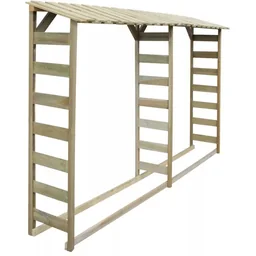
Integrating Firewood Storage into Your Garden Design
Surround your firewood storage area with suitable plants. Tall grasses, ferns or shade-loving perennials soften the rigid shape of the stack and create a gentle transition to the rest of the garden. A small path of stepping stones leading to the firewood adds extra appeal. A bench placed nearby invites you to sit and relax.
Pro tip
Cross-stack the wood for maximum stability and ventilation. Lay the first row in one direction and the next row across it. This technique is especially useful for freestanding stacks without side supports, as it helps keep the logs from rolling apart.
Multifunctional Wood Storage Areas: Seating and Storage in One
Combine practicality with comfort. A low, wide firewood rack can be topped with a sturdy wooden plank and used as a rustic bench. This dual-purpose design is a clever, space-saving solution, especially in smaller gardens. A large model such as the
can also be paired with a seating area.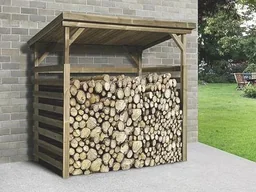
Which Type of Wood Is Suitable and How Should I Store It Properly?
Proper storage is essential for good firewood. It helps your wood dry properly so it can deliver its full heating value when you need it.
Choosing the Right Type of Wood
Wood is generally divided into hardwood and softwood. Hardwoods such as beech, oak and ash burn slowly and evenly, producing long-lasting embers and plenty of heat. Softwoods such as spruce and pine catch fire quickly and reach high temperatures fast, but they also burn faster and tend to produce sparks. For garden storage, the type of wood matters less than drying it properly.
The Golden Rule: Air, Air and More Air
Good air circulation is the most important requirement for drying wood. Wind must be able to circulate around the wood on all sides. Never stack logs too tightly together. Always leave a few centimeters of space between individual pieces of wood. A cover over the top protects against rain, but should never completely close off the sides. A simple firewood cover tarp that rests only on top and leaves the sides open is ideal.
Additional advice
Invest in a wood moisture meter. It lets you quickly and easily check whether your firewood has reached the ideal residual moisture level of below 20%. Burning wood that is too damp harms the environment and your chimney, and produces significantly less heat.
How to Split and Stack Wood Properly
Split fresh wood as soon as possible after felling. It is easier to split then, and the larger surface area significantly speeds up drying. The ideal log length depends on the size of your fireplace or stove. When stacking, keep the bark facing downward wherever possible. This prevents rainwater from collecting in the curve of the bark.
For smaller jobs around the wood storage area, such as cutting packaging twine or making kindling, a sturdy cutting tool is essential. The versatile
is a practical helper for the job. Other useful garden tools make the work easier.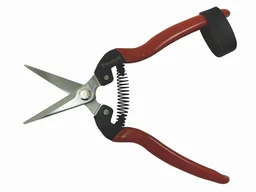

Care and Protection: How to Keep Your Wood Storage Area Looking Good for Years
With a little care, you can protect your firewood supply and keep your wood storage area looking attractive in your garden for years to come.
Protection from the Elements
A solid roof provides the best protection from rain and snow. Ready-made firewood storage units like this one already come with a suitable roof. It protects both the wood and the storage structure. Prolonged exposure to direct sunlight can bleach the wood and make it brittle, although this is purely an aesthetic issue.
Preventing Pest Infestations
A well-ventilated, dry woodpile is unattractive to most pests. Keep the immediate area clean and free of leaves and weeds to reduce hiding places for insects and rodents. Check regularly, especially the lower layers, for signs of pests or fungal growth. If you also want to store tools alongside your firewood, a sturdy
is a good option.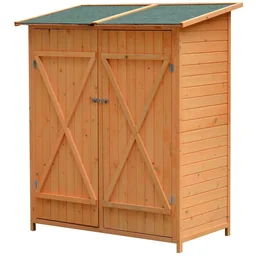
Attention to detail is the foundation of all good work.
A well-planned wood storage area is an asset to any garden. It combines function with natural beauty and creates a place of order and comfort. Start planning today and turn your firewood supply into a standout garden feature.
Frequently Asked Questions
- How high can you stack firewood in the garden?
- The height depends on the stack's stability and local regulations. For safety, freestanding stacks should generally be no higher than 2 meters. Make sure the ground is solid and level, and stack the wood securely to prevent it from tipping over, especially in windy conditions or when children are playing nearby.
- What is the best surface for a wood storage area?
- The ideal surface for a wood storage area is solid, level and permeable. Gravel, crushed stone or paving stones are all suitable options. They let moisture drain away and protect the bottom logs from rotting. You can also use a simple pallet as the bottom layer to keep the wood off the ground.
- Does a wood storage area in the garden need a building permit?
- In most cases, smaller wood storage areas do not require a building permit. However, regulations vary by state and local jurisdiction. Before building, check with your local building department to find out which rules apply, especially if the storage area exceeds a certain size or height or sits directly on the property line.
- What is the best way to protect firewood from rain?
- A roof provides the best protection from rain. Many firewood storage units have an integrated roof. Alternatively, you can use a firewood cover. Leave the sides open so air can circulate and residual moisture can escape. Never cover the wood completely with an airtight tarp.
- How long does firewood need to dry?
- Drying time depends on the type of wood, the size of the logs and the storage conditions. As a rule of thumb, freshly cut wood should be stored for at least one to two years in an airy, sunny and dry location. Ideally, residual moisture should be below 20 percent before burning.
You might also be interested in
- How to Plan Garden Corners: Ideas for Small and Large Gardens
- Build Your Own Wooden Privacy Screen: Instructions and Ideas
- Garden Design: Planning, Ideas and Tips
- Build a Raised Garden Bed with Seating: Practical and Stylish Ideas
- Tree Stump Garden Decor: Creative Upcycling Ideas
- Sustainable Garden Trends: How to Create an Eco-Friendly Garden