
In brief: Keeping fish in a garden pond takes careful planning. The essentials are enough water and depth, stable water conditions and the right fish for your pond. Goldfish and native sunbleak are hardy choices for beginners. Ongoing care includes regular water checks, sensible feeding and preparing for summer and winter.
Keeping Fish in a Garden Pond: How to Care for Them Properly
A garden pond filled with lively fish brings movement and interest to your yard. But keeping fish healthy takes planning and regular care. This guide covers the essentials.
How do I plan my garden pond for fish?
Good planning lays the groundwork for healthy fish. Start by deciding on the pond’s size and depth.
Choosing the right pond size and depth
Fish need room to swim. A pond built just for fish should hold at least 8000 liters. For many species, deep areas measuring 80 to 120 cm are essential. They also help protect fish from predators such as cats and herons.
Shallow ponds freeze more quickly in winter. A minimum depth of 80 cm helps keep the pond from freezing solid, giving fish a better chance of making it through the cold season.
Plan for future growth. Golden orfe and koi need considerably more room than small sunbleak. Never add more fish than your pond can support over the long term.
Pro tip
Build in several depth zones: shallow water (10-30 cm) for plants, a mid-depth zone (40-60 cm) and a deep zone (80-120 cm). This gives a range of plants and animals places to thrive.
The importance of plants and equipment
Pond plants are essential. They produce oxygen, absorb excess nutrients and give young fish places to hide. Choose native species such as Canadian waterweed or water milfoil.
A pump and filter help keep pond water clear. Fish waste builds up, especially in a well-stocked pond. The filter breaks down pollutants such as ammonia. Without filtration, water quality can quickly become unbalanced.
Find the equipment and plant accessories you need in our Garden + Plant Accessories category. You’ll find everything you need to create a healthy pond environment.
A garden pond is a complex ecosystem, not a static feature. Every fish, plant and piece of equipment affects the balance. Plan ahead from the start.
Which pond fish are right for me?
Your choice of fish affects how much care your pond needs. Here are some popular, hardy options.
Hardy fish for beginners
Goldfish are classic pond fish. They’re relatively easy to care for and can become tame enough to feed by hand. Keep their adult size in mind: a full-grown goldfish can reach over 20 cm.
Sunbleak are native schooling fish that grow to only around 12 cm and breed readily in ponds. Their silvery scales shimmer in the sunlight. By feeding at the surface, they help keep algae growth in check.
Bitterlings are a special case. They need live freshwater mussels or painter’s mussels to reproduce. These peaceful fish grow to only 9 cm and can suit smaller ponds.
Important note
Never put wild-caught fish from local waterways into your pond. It’s prohibited by law and can spread disease. Buy fish only from a reputable pet store or pond specialist.
Fish for larger and specialty ponds
Golden orfe are active swimmers with red and gold coloring. They need plenty of space and a pond holding at least 15000 liters. They’re social fish, so keep them in groups of at least five.
Koi are the ultimate pond fish. These Japanese ornamental carp can live for many years and grow to over one meter long. They need a very large, deep pond with high-quality equipment. Compared with hardier species, they’re more susceptible to parasites.
Sturgeon are ancient bottom-dwelling fish. They need clean, oxygen-rich water and plenty of room to swim. Keep in mind that they find food only on the bottom, so they can’t compete with other fish for food.
Specialty garden tools can also come in handy when maintaining a large fish pond, especially around the banks.
How do I keep the water in my garden pond healthy?
Clear, healthy water is essential for fish. Regular checks and maintenance help keep it that way.
Understanding and checking water parameters
Use a water test kit to check pH, general hardness, carbonate hardness, ammonia, nitrite and nitrate. Test weekly, especially after adding fish or if you notice a problem.
The pH should be between 7 and 8.5. Keeping it stable helps prevent stress for fish. Carbonate hardness (KH) buffers pH changes and should be above 5 °dH.
Ammonia and nitrite are highly toxic, so their levels should be close to zero. A working filter converts ammonia into nitrite and then into less harmful nitrate. Plants use nitrate as a nutrient.
Many pond problems come down to three things: too many fish, too much food and too few water changes. When it comes to fish health and a stable pond, less is often more.
Practical maintenance measures
Change some of the water every two to four weeks. Remove around 10-20% of the pond water and replace it with fresh tap water that has been left to stand. This helps dilute pollutants such as nitrate.
Regularly remove dead plant material and leaves. As organic matter decomposes, it uses up oxygen and adds to the pond’s workload. A sturdy leaf net is a worthwhile investment in fall.
Clean the filter regularly, but don’t overdo it. Rinse the filter media only in pond water. Tap water can kill the beneficial bacteria in the filter.
Additional advice
Don’t reach for chemical treatments as soon as algae become a problem. Often, you can improve things by adjusting feeding, removing nutrient sources such as leaves or adding fast-growing underwater plants such as Canadian waterweed, which absorb nutrients algae need.
How should I feed my pond fish?
Feeding involves more than simply providing food. It has a direct effect on water quality.
Types of food and feeding schedule
Choose high-quality pond fish food. Depending on the type, it floats or sinks. Sturgeon need a special sinking food. Feed only as much as your fish can finish in a few minutes.
Overfeeding is one of the most common mistakes. Uneaten food decays and pollutes the water. In midsummer, when the water is warm, you can feed once a day. In spring and fall, every other day is enough.
Let your fish forage for natural food too. A healthy pond provides water fleas, mosquito larvae and algae. This live food is especially nutritious.
Feeding throughout the year
In spring, when the water temperature rises above 10 degrees, fish gradually start eating again. Begin with small portions of easily digestible food.
In summer, fish have an active metabolism and can eat food with more protein. Keep an eye on the water temperature. During extreme heat, reduce feeding or pause it altogether.
In fall, switch to energy-rich but easily digestible fall food. It helps fish build fat reserves for winter. Stop feeding altogether when temperatures fall below 10 degrees.
How do I prepare my garden pond for summer and winter?
Extreme temperatures can put your fish under stress. These steps will help protect them.
Garden pond care in summer
Low oxygen levels are the biggest danger in summer. Warm water holds less oxygen, so a pond pump or fountain can improve surface movement and gas exchange.
Shade part of the pond. Floating plants such as water hyacinths or a shade sail can help prevent overheating. Direct sunlight also encourages algae growth.
Keep an eye on the water level. Evaporation can cause it to drop in summer. Top up regularly with water that has been allowed to stand to help prevent pollutant concentrations from rising.
How to overwinter pond fish
Leave your fish in the pond. They are adapted to seasonal changes, and moving them to an indoor tank can cause stress.
Keep an area of the pond ice-free. Use a pond aerator or a polystyrene pond de-icer. Never break the ice! The pressure waves can damage your fish's hearing and swim bladder.
Thoroughly remove leaves in the fall. As organic matter decomposes beneath the ice, it releases toxic gases that cannot escape and can poison the water. A leaf net is the best way to prevent this.
For general pond maintenance and winter preparation, find sturdy accessories in our garden equipment category.
Handy tools for pond maintenance
The right tools make working around and in your pond much easier.
With the
, the 2-in-1 XXL garden rake, you can quickly remove leaves and larger debris from the bottom or banks of your pond. Its wide tine spacing helps you avoid moving too much debris at once.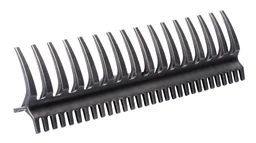
Insects can be a nuisance in summer. The
, a twin pack of electronic UV insect traps, helps keep mosquitoes and other flying insects away from the pond. That means fewer pests for your fish and for you.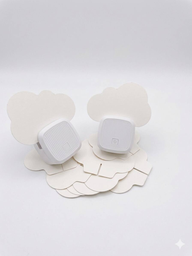
If you're building a pond or maintaining wooden or stone features around it, you may need a powerful tool. The
, an 18 V angle grinder, can help you cut materials to size. The battery and charger are sold separately.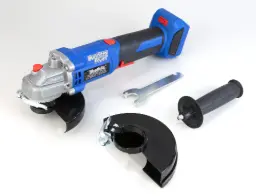
A healthy, thriving garden pond with fish is a rewarding project. With the right knowledge, regular maintenance, and suitable equipment, you can create a little paradise right outside your door.
Frequently Asked Questions
- How many fish can I keep in my garden pond?
- As a rule of thumb, allow 30 to 50 liters of water for every centimeter of fish length. A 15 cm goldfish needs at least 450 liters. Remember to account for the fish's adult size. Overstocking can lead to poor water quality and stress.
- Which fish are suitable for a small garden pond?
- Hardy species that stay small are ideal for ponds of up to 1000 liters. Bitterlings grow to only about 9 cm and are peaceful. Moderlieschen are also easy to care for and reach a maximum length of 12 cm. Goldfish are suitable only for larger ponds because they grow considerably and can put a heavy load on the water.
- Do I need to feed my pond fish in winter?
- No. When water temperatures fall below 8-10 degrees, fish largely stop digesting food and live off their reserves. Don't feed them during this period: uneaten food pollutes the water and can make the fish sick. Keeping an area ice-free for gas exchange is more important.
- Why are my fish suddenly dying in the garden pond?
- Sudden fish deaths often have three main causes: low oxygen levels, especially on hot summer nights or beneath a sealed layer of ice; poisoning from algae die-off or other pollutants; or a sudden, extreme temperature change during a water change. If this happens, test the water parameters right away.
- Does a fish pond need a filtration system?
- Not necessarily, but a filtration system is highly recommended. A natural, sufficiently large pond with plenty of plants can reach a biological balance. In most garden ponds with fish, however, a filter helps stabilize water parameters, remove pollutants, and keep the water clear, especially when the pond is heavily stocked.