
In brief: Fly screens are the most effective barrier against insects. They let air and light through while keeping mosquitoes, flies and other nuisances outside. You only need a few tools for installation and can choose between clip-on, sliding-panel or tension-frame systems. Installation is a simple DIY project.
Install Fly Screens: Effective Insect Protection
An open window on a summer evening is tempting. Until the first mosquitoes start buzzing in. Fly screens solve this problem elegantly. They create an invisible barrier. Fresh air and daylight pass through unhindered. Insects stay outside. Installation is easier than you think.
We show you how to protect windows and doors. You will learn about different installation methods. You will find out which material is suitable for your intended use. By the end, you will have the knowledge needed for a successful DIY project. Find suitable products in our Tarps and Nets category.
Why is it worth installing fly screens?
Fly screens provide mechanical protection. They work without chemicals, which is better for the environment and your health. Annoying insect buzzing stops. You can sleep with the window open. Irritating bites are avoided.
The screens also protect against other small creatures. Spiders and ladybugs stay outside. Pollen and coarse dirt are partly kept out. This improves indoor air quality. The investment is small, but the benefits are considerable. For more garden accessories, also browse Garden and Outdoor.
A well-installed fly screen is the most efficient and environmentally friendly way to keep insects out of living areas. It allows natural ventilation without compromise.
Which fly screen material is right?
The choice of material determines durability and visibility. Standard mesh made from fiberglass or polyester is lightweight and flexible. It does not rust and is inexpensive. High-quality models use aluminum or stainless-steel mesh.
These are more stable and durable. Mesh size is crucial. For ordinary mosquitoes and flies, 1,3 x 1,3 mm is sufficient. So-called "No-See-Um" screens with 0,8 x 0,8 mm also keep out tiny biting midges. However, this slightly reduces airflow.
Pro tip
Choose UV-stable mesh for windows exposed to sunlight. Conventional plastic mesh can become brittle and tear in strong sunlight. Aluminum mesh is the best choice here.
How do I measure windows and doors correctly?
Accuracy is the key to success. Always measure at several points. Window frames are often not perfectly square. Take measurements at the inner rebate where the screen will sit. Note the height and width at the narrowest point.
For a clip-on or tension system, measure the clear opening between the window sashes. For a track system, measure the complete outer frame. When ordering, subtract 1-2 cm from the measurements so the screen is not under tension. A well-stocked workshop supplies range helps you get equipped.
Tools and materials for installation
- Fly screen frame kit or roll material
- Metal tape measure and pencil
- Utility knife or sharp scissors
- Rubber spline or plastic sealing profile
- Screwdriver and, if necessary, drill
- Adhesive tape for temporary fixing
How do I install a fly screen on a window?
The simplest option is a tension frame. Measure the window opening. Cut the mesh with an overlap of about 5 cm. Then stretch it into the frame using the supplied rubber profile or cord. No drilling is required.
Clip-on frames work in a similar way. They are secured in the window rebate with screw clamps or retaining springs. This is ideal for rented homes. For a permanent solution, choose an aluminum track frame. Screw the tracks to the outer frame. Slide the mesh into the groove and secure it with rubber spline.
Important note
When installing a screen on a window, always make sure the window handle remains unobstructed and the window can close completely. Test the closing action before securing the screen permanently.
Our or . You get two screens at an affordable price.
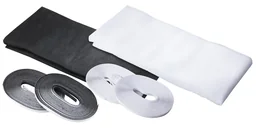
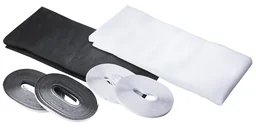
How do I install a mosquito screen on a door?
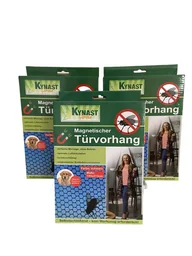
Doors have different requirements. They are opened and closed frequently. The screen must be robust. A door curtain such as this is the simplest solution. It is attached to the top of the door frame with nails or screws. The screen swings to the side as you walk through.
Sliding systems with aluminum frames are more elegant. They work like a second, transparent door. Install a guide track at the top and bottom. The screen frame runs in these tracks. The system is stable and provides a tight seal. Ideal for patio doors.
The most common mistake when installing a door screen is using a fastening system that is too weak. The forces involved when opening and closing are high. Always use the supplied wall plugs and screws, and check the stability regularly.
What should you consider with roof windows?
Roof windows are angled. Standard screens can slip off. Special solutions are needed here. Our for roof windows with a magnetic frame is a good choice. The frame clamps securely in place. Magnets ensure a secure seal in the centre.
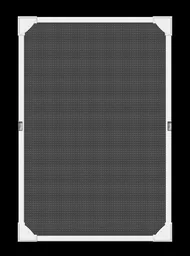
Measure roof windows particularly carefully. Installation is often carried out from the inside. Make sure you do not block the handle or the tilting mechanism. The screens must follow the angle of the pane.
Additional tip
Clean your fly screens regularly with lukewarm water and mild soap. Do not use harsh cleaners or brushes that could damage the mesh. Then allow the screen to air dry.
How do I repair a damaged fly screen?
A small tear does not mean you have to replace the entire screen. Our fly screen repair tape makes it easy. Cut the self-adhesive mesh to the right size. Stick it over the hole from both sides.
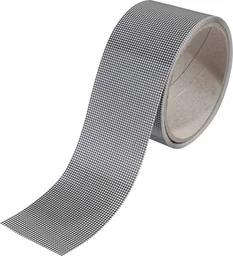
The patch is almost invisible and creates a tight seal. For larger areas of damage, replace the entire mesh in the frame. To do this, remove the rubber spline, take out the old mesh and fit the new one. Repairing the screen can significantly extend its service life.
Care and maintenance for long-lasting durability
Remove coarse dirt with a soft broom. If the screen is more heavily soiled, take it down and rinse it with a garden hose. Let it dry before putting it back in place. Check the fixing points once per season to make sure they are secure.
Store spare screens or unused curtains in a dry place protected from direct sunlight. This helps them remain flexible. In our garden tools section, you will find suitable cleaning and maintenance tools.
Conclusion: Simple protection, greater comfort
Installing fly screens is a worthwhile project. They create an insect-free zone. You enjoy a better quality of life. The work takes only a few hours. The effect lasts for years.
Start with a window that you open frequently. This gives you valuable experience. Then protect the patio door. Choose the right system for your needs. Enjoy the summer without disturbance.
Frequently Asked Questions
- Which fly screen is suitable for a roof window?
- For roof windows, you need special models, often with magnetic or clamp frames that adapt to the slope. A PRODUCT_103415 provides a suitable solution. Measure the exact size and ensure secure attachment, as the screen must not slip.
- Can I install a fly screen on a patio door?
- Yes, door curtains such as PRODUCT_72753 or sliding systems with aluminium frames are suitable for patio doors. Stable attachment and sufficient width are important. A mosquito screen for a door should be easy to open and close without obstructing the passage.
- What should I do if my fly screen has a hole?
- You can easily repair small tears or holes with special repair tape such as PRODUCT_121514. Stick the self-adhesive mesh over the damage from both sides to seal it permanently. Larger areas of damage often require replacing the entire mesh.
- Does a white or black fly screen last longer?
- The colour primarily affects the appearance. Black screens such as PRODUCT_131450 are less noticeable from the outside, while white screens such as PRODUCT_131444 reflect more light. Durability depends on the material quality, UV resistance and correct installation, not on the colour.
- Can I install a fly screen without drilling?
- Yes, many systems can be installed without drilling. Clamp frames are secured with screw clamps, while tension frames are wedged into the frame with springs or rubber cords. These solutions are ideal for tenants. However, screw fixing is more robust for a permanent hold in frequently used areas.
You might also be interested in
- Fly screens with magnetic frames: Easy DIY installation
- No more flies: 7 expert tips for an insect-free home
- Build your own porch canopy: Effective weather protection for your entrance
- Installing privacy netting: Easy DIY guide
- Natural mosquito repellents: Home remedies for a bite-free summer
- Installing pond netting: The complete bird protection guide