
In brief: A successful flower bed starts with careful planning. Choose a sunny location, decide on the bed’s shape, and prepare the soil thoroughly. The right mix of plants, with varied heights, colors, and bloom times, creates a harmonious display. These basics will help you avoid common beginner mistakes.
Flower Bed Design 101: A Beginner’s Guide
Creating your own flower bed is a rewarding project. You don’t need years of experience—just a clear plan. These basic rules will guide you step by step.
How do I start planning my garden?
Don’t start at the garden center. Begin with a plan on paper or a digital sketch. Measure the available area. Choose a clear bed shape: a classic rectangle, an organic curve, or a narrow border along a path.
The size determines how much work is involved. A starter bed of two square metres is manageable. Make sure you can access it from all sides. You need to be able to reach every plant for maintenance or pruning.
The most important factor: location
Light is the currency of the garden. Observe the chosen spot throughout the day. Note how many hours of direct sun it receives. Most flowering plants need at least six hours.
Check the soil conditions. Does the soil stay wet for a long time after rain, or does it dry out quickly? Good drainage is essential. Waterlogged soil causes root rot. Find the tools you need to prepare your bed in our garden tools category.
Expert tip
Draw a simple layout of your garden. Use arrows to show the path of the sun. Mark shady spots beneath trees. This map will help you plan and choose plants in the future.
How do I prepare the soil properly?
Healthy soil is the foundation of every flower bed. Start by preparing it thoroughly. Remove all weeds, especially those that spread through their roots. Even a small piece of ground elder or quackgrass can grow back.
Loosen the soil deeply. A spade or digging fork is your best friend. Turn the soil to a depth of about two spades. This aerates the soil and makes it easier for roots to grow.
Improve the soil if needed. Heavy clay soil benefits from sand and compost. Sandy soil holds water and nutrients better when enriched with compost. Our soil amendments range has the right products.
Landscape fabric as a long-term solution
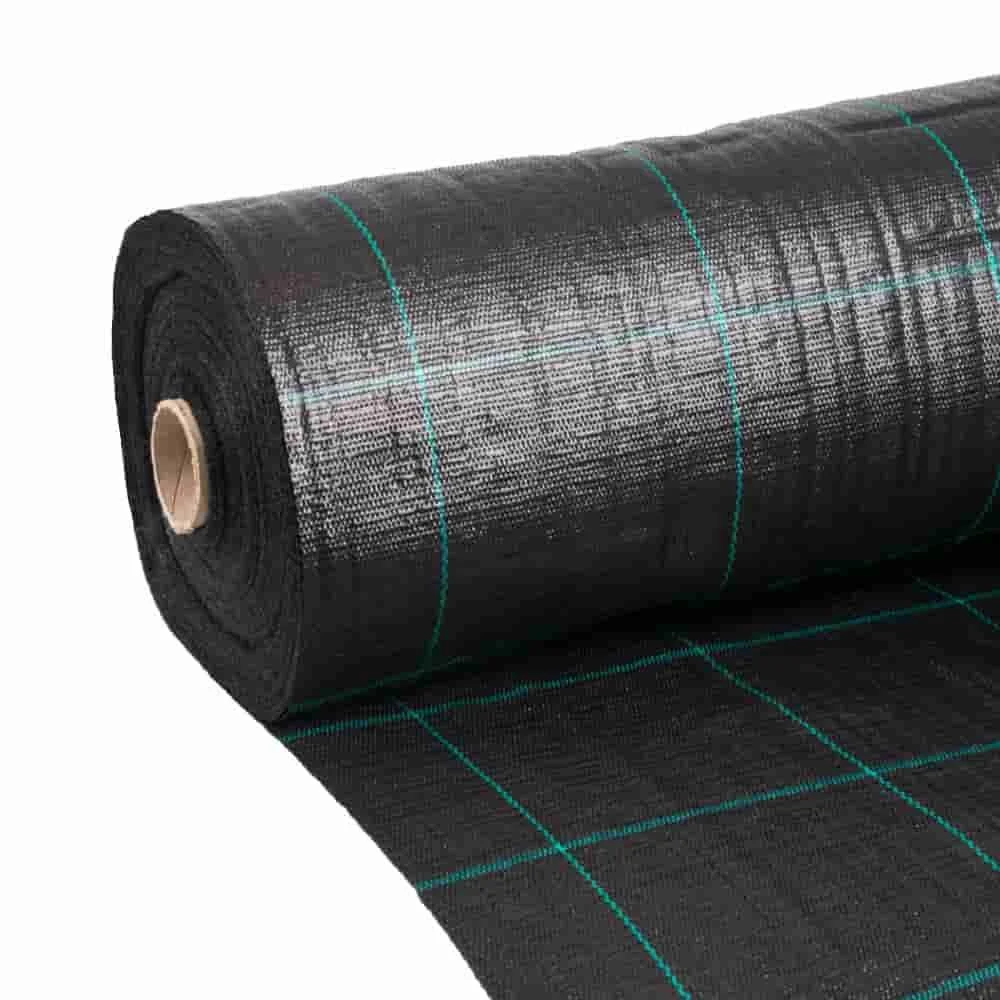
Landscape fabric can save you a lot of work. It suppresses weed growth while allowing water and nutrients through. Lay it over the prepared area before planting.
For small beds, the
is ideal. For larger areas or vegetable gardens, the is the economical choice, with its 100-metre length. Cut cross-shaped slits for your plants and plant them directly through the fabric.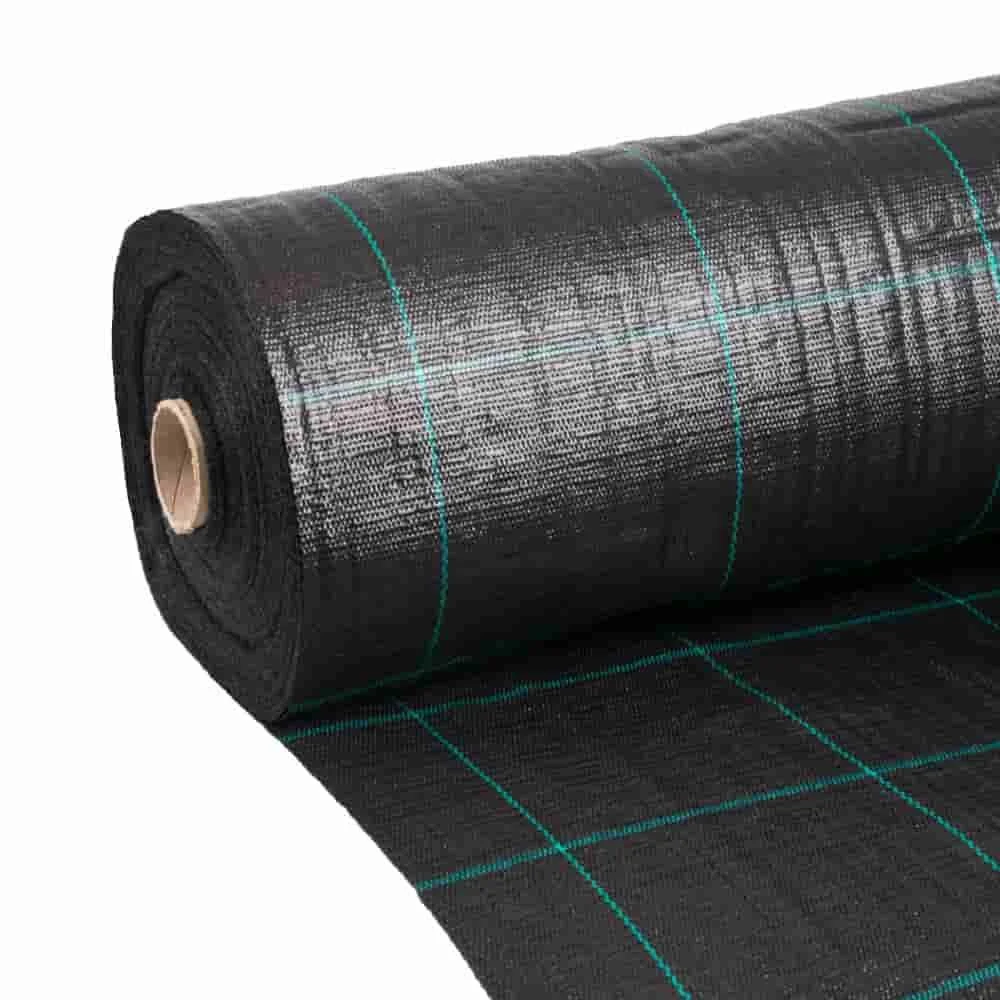
Important note
Never use black plastic sheeting as a weed barrier. It suffocates the soil, blocks airflow, and traps heat. Breathable fabric, such as our
, is the right choice.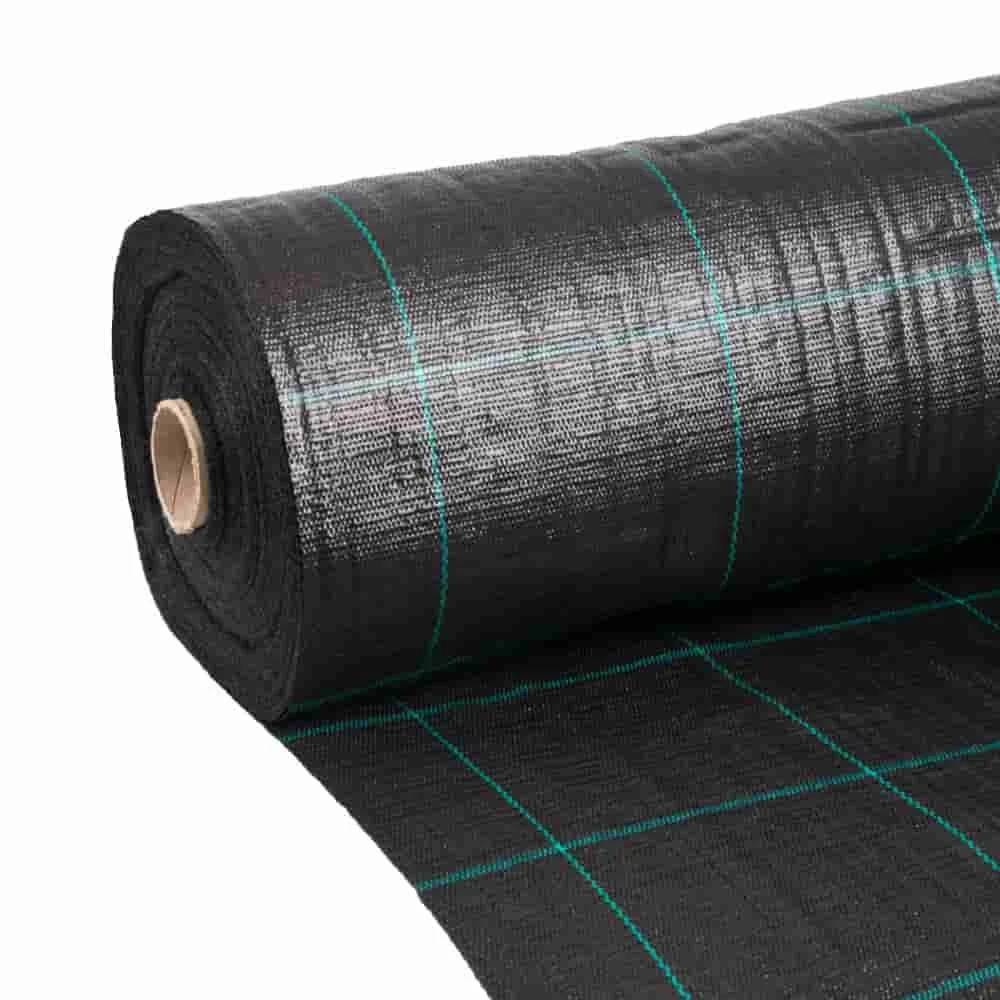
How do I find the right plant combinations?
The art lies in combining plants. Avoid placing individual plants at random. Think in groups and layers. Build structure into your bed with focal plants.
These are often larger or have a distinctive shape. They give the bed structure. Companion plants fill most of the area, while ground cover plants fill gaps and suppress weeds.
“A successful flower bed tells a story in every season. In spring, it’s bulbs; in summer, lush perennials; and in fall, grasses and seed heads that add structure through winter.”
The magic of graduated heights
Place tall plants at the back, or in the center of the bed if it can be viewed from all sides. Put medium-height plants in the second row. Low-growing and ground-covering plants form the front edge.
This pyramid shape looks natural and gives every plant access to light. Don’t forget about bloom times. Combine spring flowers such as tulips with summer perennials such as delphiniums and fall flowers such as asters.
For inspiration on different garden design styles, browse our Patterns & Design category.
Additional advice
Start with hardy, easy-care perennials. Coneflowers, phlox, and catmint can handle a few beginner mistakes. It’s better to buy three plants of one variety than ten different plants. Repetition creates a calm, harmonious look.
How do I make a flower bed visually appealing?
Color is a powerful tool. A harmonious flower bed follows a color scheme. Choose warm tones such as yellow, orange, and red, or a cool palette of blue, violet, and white.
A monochromatic planting looks elegant and calming. Contrasting combinations such as yellow and violet are lively and eye-catching. Foliage color matters too. Silvery, red, or dark green leaves add interest even when nothing is in bloom.
Use shape and texture
Color isn’t the only factor. Combine different leaf shapes and textures. The rounded leaves of a hosta contrast with the fine blades of feather grass. The spiky flowers of sage add accents among the ball-shaped flower heads of yarrow.
This variety keeps the flower bed interesting on rainy days and outside the main bloom season. The goal is a bed that looks attractive all year round.
“A garden is never finished. That’s the beauty of it. Observe, learn from your plants, and try something new next year. The best planting develops through experience, not just planning.”
How do I care for a new flower bed after planting?
The first few weeks are critical. Water regularly and thoroughly. Light surface watering encourages shallow roots. Instead, water deeply for a longer period every few days, allowing the water to soak deep into the soil.
Mulch the bare soil between plants. A layer of bark mulch or shredded yard waste helps retain moisture, suppress weeds, and protect the soil. Our landscape fabric can be used as an underlayment here.
Fertilize sparingly. Too much fertilizer leads to soft, vulnerable growth. An organic slow-release fertilizer in spring is enough for most perennials. Keep an eye on plant growth and leaf color.
Prune the right way for more flowers
Many summer-flowering plants respond well to early pruning. Cut back spent blooms on lavender or sage, and a second, often smaller, flush of flowers will follow. Leave ornamental grasses and seed heads standing through winter. They add structure and provide food for birds.
The most important tools for maintenance are a sharp knife and clean pruning shears. Dull blades crush plants and create entry points for disease. Keep your tools from the garden tools category in good condition.
What common mistakes should beginners avoid?
The most common mistake is planting too closely. Plants need room to grow, so follow the recommended spacing on the label. A full flower bed may look great right away, but within a year the plants could be competing with and crowding one another.
Another mistake is ignoring plants’ light requirements. Planting sun-loving plants such as roses in the shade can lead to stunted growth and powdery mildew. Shade-loving plants such as ferns can scorch in full midday sun.
Plan pathways for maintenance. Stepping stones or a narrow path keep you from trampling plants while you work. The right garden equipment makes every job easier.
Get started now. With these basic tips, you’re well prepared. Your first flower bed may not be perfect, but it will be lively, educational, and entirely your own.
Frequently Asked Questions
- Where is the best place to put a flower bed?
- Most flowering plants need at least six hours of sunlight a day. Observe your garden for a day: where does the sun shine the longest? Avoid fully shaded spots beneath large trees. A sunny to partially shaded area with good drainage is ideal.
- How deep should I dig the soil for a new flower bed?
- Dig the soil to a depth of about two spade lengths, equivalent to 30-40 cm. This loosens compacted layers and makes it easier for roots to grow. Thoroughly remove stones and invasive weeds such as ground elder and couch grass.
- Can I create a flower bed right in the lawn?
- Yes. Mark the desired shape with a spade and remove the sod. A more efficient method is to cover the area with a thick layer of cardboard or weed control fabric such as PRODUCT_40286 for several months to kill the grass.
- How do I combine plants in a flower bed?
- Consider three factors: plant height (tall plants at the back), bloom times (for continuous color), and color harmony (for example, complementary colors or tone-on-tone combinations). Use structural plants such as ornamental grasses as focal points.
- How often should I water a new flower bed?
- During the first four to six weeks after planting, the roots need regular watering. Water deeply every two to three days rather than lightly every day. A soaker hose from our garden irrigation range saves water and time.
You might also be interested in
- How to start a vegetable garden: tips for beginners
- Designing a perennial flower bed: creating contrast with color and shape
- Get more from a small garden: tips for small flower beds
- Planting flowers for beginners: add color and variety to your garden
- Designing a narrow garden: 6 principles for smart planning
- Designing a rose garden: tips for a sea of blooms