
In brief: Our 2026 flower fertilizer comparison highlights options tailored to specific plants. Hydrangea fertilizer (PRODUCT_73051) and rose fertilizer (PRODUCT_73281) provide nutrient blends suited to their target plants. Acid-loving plants such as rhododendrons benefit from a specialized fertilizer like PRODUCT_73282. The right choice depends mainly on the plant, how much time you want to spend applying fertilizer (liquid or slow-release), and how long you want it to last.
A garden full of blooms or a beautiful balcony display takes more than good luck. The right nutrients help your plants stay healthy, flower abundantly and withstand stress. Our 2026 flower fertilizer comparison helps you choose the right fertilizer for your plants. We look at different types, explain how to use them and share what to consider when buying.
Table of Contents
What types of fertilizer are available?
There are many types of fertilizer to choose from. The main differences are where their nutrients come from and how they work.
Mineral fertilizers
Mineral, or synthetic, fertilizers supply nutrients in a form plants can use right away. They act quickly and have a precise nutrient composition. They can help correct immediate problems such as yellow leaves or slow growth. Apply them regularly and follow the recommended dosage.
Organic fertilizers
Organic fertilizers are made from natural materials such as compost, horn shavings or guano. Soil microorganisms break them down before plants can absorb their nutrients, so they take longer to work but provide a lasting supply. They also improve soil structure and support soil life.
Liquid fertilizer vs. slow-release fertilizer
Liquid fertilizer is mixed with water and is a convenient way to feed plants in pots and on balconies. Slow-release fertilizer, often sold as granules, releases nutrients gradually over several months. One application in spring is usually enough for the season. This saves time and helps reduce the risk of overfertilizing.
Tip: You can combine the benefits of both types. Mix an organic slow-release fertilizer into the soil in spring. If your plants need extra nutrients while flowering, supplement it with a mineral liquid fertilizer.
How do I choose the right fertilizer for flowers?
Different flowers have different nutrient needs. Consider a few key factors when choosing a fertilizer.
The plant species matters
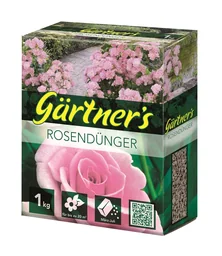
Flowering plants need plenty of phosphorus to produce abundant blooms. Foliage plants need more nitrogen to support healthy leaf growth. Specialty fertilizers are formulated for these different needs. Rose fertilizer encourages abundant blooms and helps roses cope with stress. Hydrangea fertilizer supports healthy growth and vibrant flower colors.
Consider the location and soil
Container plants have only a limited amount of soil, so nutrients wash out more quickly. Regular feeding or slow-release fertilizer is especially important. For plants in garden beds, check the soil pH first. Rhododendrons and hydrangeas, for example, prefer acidic soil. A specialty fertilizer such as
helps keep the pH in the ideal range.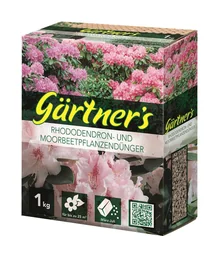
Convenience and effort
Think about how much time you want to spend fertilizing. If you're short on time, slow-release fertilizer is a good choice. Liquid fertilizer gives you precise control over how much you apply. Granules are easy to spread by hand and create less dust than fine powders.
<
The best flower fertilizers compared
Our comparison features recommended fertilizers for a range of uses. We rated them based on their nutrient composition, ease of use and suitability for the intended purpose.
Here are the highest-rated flower fertilizers in our range, compared:
| Product | Customer rating | Availability |
|---|---|---|
| Hydrangea fertilizer 1 kg 🏆 Test winner | ★ 4,7 (14) | In stock |
| Rose fertilizer 1 kg | ★ 4,7 (7) | In stock |
| Rhododendron fertilizer 1 kg | ★ 4,5 (6) | In stock |
| Multi-Star Mini Set P 224 - Balcony and Patio Care Set | – | Currently unavailable |
| BIO Horse Manure for Roses - 12 kg | – | Currently unavailable |
Alongside specialty fertilizers, all-purpose fertilizers are worth considering. They work for many types of flowers and make a versatile choice for the garden. For an easy-to-use option, fertilizer sticks or granules such as
are a practical choice for houseplants.
Important: Store fertilizer safely, out of reach of children and pets. Keep opened packages dry and sealed. Moisture can make granules clump together and harder to measure.
How do I fertilize flowers correctly?
Using the product correctly is at least as important as choosing the right one.
The best time
The main fertilizing period for most flowers is spring and summer, during the growing and flowering season. Do not fertilize in autumn or winter. During this time, plants are preparing for their dormant phase. A nitrogen-rich fertilizer would result in soft, frost-sensitive new growth.
The correct dosage
More is not always better. Strictly follow the manufacturer's dosage instructions. For liquid fertilizer, it is best to use the supplied measuring cap. For granules, you can use a small kitchen scale for flower beds. A measuring spoon is useful for potted plants.
The right technique
Spread granules evenly around the plant, but not directly against the stem. Work them lightly into the top layer of soil and then water thoroughly. This dissolves the nutrients and allows them to reach the roots. With liquid fertilizer, pour the mixture directly onto the soil, not over the leaves.
Note: Newly repotted or newly purchased plants do not initially need fertilizing. Fresh potting compost is usually already enriched with a slow-release fertilizer. Wait around 6 to 8 weeks before applying fertilizer yourself for the first time.
What mistakes should I avoid?
Some common mistakes can damage your plants or make fertilizing ineffective.
Over-fertilizing
This is the most common and serious mistake. Too many salts in the soil draw water away from the roots, causing "fertilizer burn". The leaves turn brown and curl up. In the worst case, the plant dies. If you suspect over-fertilization, thoroughly flush the root ball with clean water.
Under-fertilizing
Too little fertilizer results in pale foliage, weak growth and few flowers. Heavy-feeding plants such as roses or petunias in window boxes quickly suffer from nutrient deficiencies. Check the condition of your plants regularly.
The wrong fertilizer at the wrong time
Do not use lawn fertilizer for flowers. It is extremely high in nitrogen and promotes leaf growth rather than flowers. Do not fertilize in bright midday sun or on extremely hot days. Diluted liquid fertilizer can act like a lens on damp leaves and cause burns.
Conclusion of our flower fertilizer test
Ideal plant nutrition combines knowledge with the right product. Specialist fertilizers such as the
for hydrangeas or the for roses offer tailored solutions for outstanding results. For straightforward basic feeding, a high-quality all-purpose fertilizer from the plant fertilizers range is a good choice.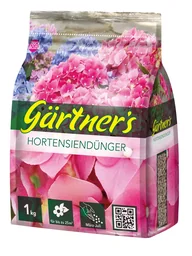
Choose slow-release fertilizer if you want to save time and minimize the risk of over-fertilizing. Liquid fertilizers are ideal for targeted feeding during the flowering season. Observe your plants, respond to their signals and adapt your fertilizing strategy. With the right nutrient supply, you can enjoy healthy, flower-filled planting for a long time.
Frequently Asked Questions
- How often should you fertilize flowers?
- How often you need to fertilize depends on the type of fertilizer. Liquid fertilizer is usually applied every 1-2 weeks during the growing season. Slow-release fertilizers work for 3 to 6 months and only need to be applied once a year in spring. Always follow the dosage recommendations on the packaging to avoid over-fertilizing.
- What is the difference between all-purpose and specialist fertilizer?
- All-purpose fertilizers provide a balanced nutrient base for many plants. Specialist fertilizers such as rose or hydrangea fertilizer are precisely tailored to the needs of specific groups of plants. They often contain special trace elements or an adjusted pH value that optimizes growth and flower production.
- Can flower fertilizer over-fertilize plants?
- Yes, over-fertilizing is a common mistake. Too many nutrients damage the roots, cause leaf burn and inhibit growth. Yellow leaves or a crusty soil surface can be signs of over-fertilization. Strictly follow the dosage instructions and use less fertilizer if you are unsure.
- Are organic flower fertilizers better than mineral fertilizers?
- Both have advantages. Organic fertilizers such as compost or horn meal improve the soil over the long term and release nutrients gently. Mineral fertilizers work immediately and can be dosed precisely. For sustainable garden care, many gardeners combine both types: organic base fertilization and additional mineral fertilizer when deficiencies appear.
- Do balcony plants need a special fertilizer?
- Balcony plants in containers and window boxes have specific needs. The limited volume of potting compost stores fewer nutrients. Therefore, use a special balcony plant fertilizer or slow-release fertilizer for flowering plants. These supply your plants reliably for months and significantly reduce maintenance.