
In brief: To find the right Forstmeister Titan chainsaw chain, you need three specifications from your old chain or guide bar: the pitch (e.g. 3/8"), the drive-link gauge (e.g. 1.3 mm) and the number of drive links. All three values must match the new chain’s specifications exactly.
A sharp, properly fitted chainsaw chain is the heart of your saw. It affects cutting performance, safety and comfort while you work. A dull or incompatible chain makes cutting harder and less safe, and can cause your saw to wear out faster. Choosing the right chain can seem like a science, though. Terms such as pitch, drive-link gauge and cutter type can be confusing. This guide explains what they mean, how to find a chain that fits your saw and what to look for when you buy.
If you’re looking for great value, the Forstmeister "Titan" chainsaw chain is a great choice. It combines durability with strong cutting performance, making it well suited to common jobs around the home and garden. Before you buy, make sure it’s compatible with your saw.

- How can you tell when your chainsaw chain needs replacing?
- Which measurements matter when choosing a chainsaw chain?
- How do you find the right Forstmeister Titan chain for your saw?
- What types of cutters are available, and which is right for you?
- How do you care for your new chainsaw chain to help it last?
How can you tell when your chainsaw chain needs replacing?
Even the best chainsaw chain eventually wears out. Watch for clear signs that it’s time for a replacement. Don’t ignore them: a worn chain cuts less efficiently and can create serious safety risks.
A drop in cutting performance is the clearest sign. If the saw no longer pulls itself into the wood and you have to push hard, the chain is dull. The chips it produces can also tell you a lot. A sharp chain makes coarse, well-defined wood chips, while a dull chain makes fine sawdust. Pay attention to the cutting direction, too. If the saw pulls to one side and the cut goes crooked, the teeth on one side are more worn or damaged than the others.
Inspect the chain as well. Missing or badly damaged cutter teeth, cracked connecting links or bent parts mean it needs to be replaced right away. Each cutter tooth also has a wear indicator. Once filing reaches that mark, the chain has reached the end of its service life. If you can no longer tension the chain properly because the tensioner has reached its limit, it’s time for a new one.
A chain is only as good as its sharpest tooth. Regular checks and timely replacement are essential for safe, effective work.
Which measurements matter when choosing a chainsaw chain?
Three measurements are essential when choosing a chainsaw chain, and all three must match exactly. If even one is off, the chain may not fit your guide bar or could seriously damage your saw while you’re using it.

Pitch: The key measurement
Chain pitch is the most important measurement. It describes the distance between the links and is calculated by measuring between the centers of three consecutive rivets, then dividing by two. The result is given in inches. Common pitches include 1/4", .325", 3/8" and .404". The chain pitch must match the drive sprocket on the saw and the sprocket nose at the tip of the guide bar. A mismatch causes rapid wear and can make the chain jump.
Drive-link gauge: The key to a proper guide-bar fit
Drive links are the fin-shaped parts on the underside of the chain that run in the guide-bar groove. Their thickness, also called the gauge, is measured in millimeters or inches. Common sizes are 1.1 mm (.043"), 1.3 mm (.050"), 1.5 mm (.058") and 1.6 mm (.063"). The drive-link gauge must match the width of your guide-bar groove exactly. If the drive links are too thin, the chain can move from side to side, wobble and cut unevenly. If they’re too thick, the chain won’t fit in the bar or may jam, creating excessive friction and heat.
Drive-link count: The chain’s length
The number of drive links determines the chain’s exact length. There’s no standard count: it depends on the saw model, bar length and chain pitch. The most reliable way to find the right length is to count the drive links on your old chain. Lay it out straight and count each link that protrudes downward. If the new chain has even one drive link too many or too few, you won’t be able to tension it properly.
Pro tip
The three key measurements (pitch, drive-link gauge and drive-link count) are usually stamped or printed on the guide bar near the saw body. Look for a sequence such as „3/8" 1.3mm 56DL“ (DL stands for Drive Links). This is the quickest way to find the specifications for a replacement chain.
How do you find the right Forstmeister Titan chain for your saw?
Once you know the three key measurements, choosing the right chain is straightforward. Follow these steps to avoid buying the wrong one. Take a moment to check the details of your current equipment. A quick check can save you trouble later and help ensure your new chain fits properly.
Start by checking the old guide bar or chain for its measurements. As mentioned in the pro tip, the bar usually lists the pitch and drive-link gauge. Then count the drive links on the old chain and write down all three values. You can also check your chainsaw manual, which lists compatible chain and guide-bar types.
With the three values in hand (e.g. 3/8\", 1,3 mm, 56 drive links), visit the product page for the Forstmeister \"Titan\" chainsaw chain. The product description and technical specifications list these details. Compare them with the values you wrote down. If all three measurements match, you’ve found a chain that fits your saw. This method works for all types of power tools in the Garden + Outdoor range.
Important note
Never use a chain if its measurements don’t exactly match the specifications for your saw and guide bar. The wrong pitch or drive-link gauge can cause the chain to jam or come off the bar, which could lead to serious injury. Don’t guess or rely on the guide-bar length in centimeters alone.
What cutter shapes are available, and which one is right for you?
Along with the chain’s technical specifications, cutter shape also affects cutting performance. The two most common types are semi-chisel and full-chisel. The right choice depends on how you’ll use the chain and your experience.

Semi-chisel chains are a versatile choice and work well for most homeowners. Their cutters have rounded side edges, making them less sensitive to dirt in the wood and helping them stay sharp longer than full-chisel cutters. They offer very good cutting performance and cut smoothly, making them more forgiving to use. The Forstmeister Titan chain is generally designed as a robust semi-chisel chain, ideal for cutting firewood and general yard work.
Full-chisel chains have sharp, square-cornered cutters and are the preferred choice for professionals. They cut more aggressively and quickly, but perform best in clean, debarked wood. Contact with dirt or soil can dull them very quickly. They’re also more prone to kickback and require more precise filing when sharpened. For professional use in commercial forestry, they’re often the first choice, but they’re usually more than you need for home use.
Extra tip
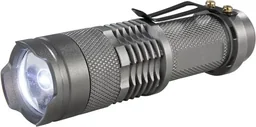
Good visibility is essential for safety when working at dusk or in shaded areas. A sturdy, adjustable-focus flashlight such as the 3 Watt Titan LED flashlight helps illuminate your work area and makes it easier to see the markings on the chain or guide bar in low light.
How do you maintain your new chainsaw chain to maximize its service life?
Choosing the right chain is only half the job. Regular, careful maintenance is essential for keeping cutting performance high, extending service life, and working safely. Don’t overlook these simple steps.
The best chain is useless without proper lubrication. A constant film of oil protects the chain and guide bar from friction, heat, and premature wear.
Lubrication is the most important maintenance task. Keep your saw’s oil tank full and make sure the chain lubrication system is working properly. Use high-quality chainsaw bar and chain oil that clings to the chain and doesn’t fling off at high speed. An excellent, environmentally friendly option is the Bio chainsaw chain oil. It provides reliable lubrication and is biodegradable.

Regular sharpening is just as important. Sharpen the chain as needed rather than waiting until it’s completely dull. Use a round file with the correct diameter for your chain’s pitch. Follow the correct sharpening angle, which is usually listed on the chain packaging or in the manual. After sharpening the chain several times, use a flat file to adjust the depth gauges so the cutters can bite into the wood properly again.
Check chain tension before every use. When cold, the chain should pull easily along the guide bar by hand and sit against the underside of the bar. Lift the chain at the middle of the bar: around one to two drive links should be visible outside the groove. A chain that’s too loose can come off, while one that’s too tight causes excessive wear. Clean the guide bar groove and oil holes regularly to keep the chain running smoothly.
Frequently Asked Questions
- What do the numbers on a chainsaw guide bar mean?
- These numbers indicate the key measurements you need to find the right chainsaw chain: pitch, drive link gauge, and often the recommended number of drive links. They’re the quickest way to find the correct specifications for a replacement chain such as the Forstmeister Titan.
- How often should I sharpen my chainsaw chain?
- Sharpen your chain as soon as cutting performance drops or the saw produces fine sawdust instead of coarse chips. With regular use, you may need to sharpen it several times a day. A sharp chain is safer and puts less strain on both the wood and your saw’s motor.
- Can I use a chain with a different pitch on my saw?
- No. This is not possible and is extremely dangerous. The chain pitch must match the pitch of the sprocket and the nose sprocket at the tip of the guide bar exactly. The wrong pitch can cause rapid wear, chain derailment, and serious accidents.
- What’s the difference between semi-chisel and full-chisel chains?
- Semi-chisel chains have rounded cutters, stay sharp longer, and are less sensitive to dirt. Full-chisel chains have square-cornered cutters and cut more aggressively and quickly in clean wood, but they also dull faster. For most users, a semi-chisel chain is the better choice.
- Why is chain tension so important?
- Correct chain tension helps ensure optimal cutting performance and safety. A chain that’s too loose can jump off the guide bar (dangerous!), while one that’s too tight puts excessive strain on the guide bar, sprocket, and motor bearings, causing premature wear.
You may also be interested in
- Titan Chainsaw Chain vs. Standard: Which Chain Is Right for You?
- 45 cm Chainsaw Chain: How to Find the Perfect Chain
- Full-Chisel vs. Semi-Chisel Chainsaw Chain: Making the Right Choice
- How to Use a Petrol Chainsaw Safely: The TITAN Beginner's Guide
- How to Change a Chainsaw Chain: The Expert Guide for 50 cm Guide Bars
- How to Change a Chainsaw Chain: Step by Step to Perfect Chain Tension