
Kurz erklärt: In unserem Forstseilwinden Test 2026 vergleichen wir die leistungsstärksten Modelle für den professionellen Einsatz. Wir bewerten Zugkraft, Sicherheit, Handhabung und Kompatibilität mit Ihrem Schlepper. Eine gute Forstseilwinde zeichnet sich durch robuste Bauweise, zuverlässige Bremsen und ein klares Sicherheitskonzept aus. Unsere Kaufberatung hilft Ihnen, das passende Modell für Ihre betrieblichen Anforderungen zu finden.
Für die effiziente und sichere Holzernte im Wald ist eine leistungsstarke Forstseilwinde unverzichtbar. Sie erweitert die Möglichkeiten Ihres Schleppers enorm und ermöglicht das Bergen von Holz auch in unwegsamem oder steilem Gelände. Unser Test und Vergleich für 2026 nimmt die wichtigsten Modelle unter die Lupe. Wir zeigen Ihnen, worauf Sie beim Kauf achten müssen und welche Winde zu Ihren Anforderungen passt.
Inhaltsverzeichnis
Was ist eine Forstseilwinde?
Eine Forstseilwinde ist eine an einen Schlepper anbaubare Vorrichtung, die über die Zapfwelle angetrieben wird. Sie zieht gefällte Baumstämme aus dem Bestand zum Rückeweg oder Lagerplatz. Das geschieht mithilfe eines Stahlseils, das an den Stämmen befestigt wird. So schonen Sie den Waldboden und reduzieren den Maschineneinsatz im sensiblen Bestand.
Moderne Winden verfügen über hohe Zugkräfte, präzise steuerbare Bremsen und ergonomische Bedienelemente. Sie sind das Rückgrat einer bodenschonenden und effizienten Forstwirtschaft.
Kaufkriterien im Test
Im Vergleich bewerten wir die Modelle anhand konkreter Kriterien. Diese entscheiden über Praxistauglichkeit und Wirtschaftlichkeit.
Zugkraft und Leistung
Die Zugkraft, gemessen in Kilonewton (kN), ist der zentrale Wert. Sie muss zum maximalen Stammvolumen und zum Gelände passen. Ein zu schwaches Modell überlastet Sie und den Schlepper. Eine zu starke Winde ist unnötig teuer. Im Test prüfen wir, ob die angegebene Kraft im Dauerbetrieb gehalten wird.
Sicherheitssysteme
Sicherheit ist nicht verhandelbar. Wir achten auf eine zuverlässige, mehrstufige Bremse. Eine Lastbremse hält das gezogene Holz. Eine Fliehkraftbremse verhindert ein unkontrolliertes Ablaufen des Seils. Die besten Modelle haben eine Notbremse, die auch bei Druckabfall in der Hydraulik greift.
Handhabung und Komfort
Die Bedienung sollte intuitiv und kraftsparend möglich sein. Lange Wege zum Ein- und Aushängen der Last kosten Zeit und Kraft. Ein klarer Seilverlauf und eine gute Übersicht über die Trommel sind entscheidend. Wir testen die Ergonomie der Bedienhebel im praktischen Einsatz.
Tipp: Planen Sie immer einen Leistungspuffer ein. Wenn Ihre typische Last 35 kN erfordert, wählen Sie ein Modell mit mindestens 40-45 kN. Das schont die Technik und erhöht die Sicherheit.
Vergleich der besten Forstseilwinden
Im Markt finden Sie Modelle verschiedener Hersteller und Leistungsklassen. Unser Vergleich stellt die jeweiligen Stärken und idealen Einsatzgebiete heraus.
Die meistbewerteten Forstseilwinden aus unserem Sortiment im direkten Vergleich:
| Modell | Kundenbewertung | Verfügbarkeit |
|---|---|---|
| Rucksackgestell, speziell gefertigt für Koffer | – | Derzeit nicht verfügbar |
| Transportkoffer mit vorgeformten Mulden für PCW3000, 47 x 37 x 32 cm | – | Derzeit nicht verfügbar |
| Chokerseil mit Stahlstange, 10 mm x 2,1 m | – | Derzeit nicht verfügbar |
| Forstmarker Eco Neon Grün 500ml - Forstmarkierungsfarbe | – | Derzeit nicht verfügbar |
| Forstmarker Eco Neon Gelb 500ml - Forstmarkierungsfarbe | – | Derzeit nicht verfügbar |
Die Tabelle gibt Ihnen einen ersten Überblick. Die Detailbewertung folgt in den einzelnen Testkategorien. Achten Sie besonders auf die Kompatibilität mit Ihrer bestehenden Landwirtschafts-Technik.
Modell für den Kleinwaldbesitzer
Kompakte Winden mit 25-35 kN Zugkraft eignen sich für die Pflege von Waldparzellen und die Brennholzernte. Sie sind leicht, gut handhabbar und passen zu kleineren Schleppern. Ihre Stärke liegt in der Wendigkeit und dem geringen Kraftstoffverbrauch.
Profimodell für den Dauerbetrieb
Für forstliche Lohnunternehmen oder große Betriebe sind schwere Winden ab 50 kN die erste Wahl. Sie arbeiten mit langen Seilen und großen Zugkräften im schwierigen Gelände. Robustheit, geringe Wartungsintervalle und hohe Zuverlässigkeit stehen hier im Vordergrund.
Sicherheit hat Vorrang
Jeder Arbeitsunfall im Wald ist einer zu viel. Die Technik muss daher fehlertolerant sein. Neben den eingebauten Sicherheitssystemen der Winde liegt die Verantwortung bei Ihnen.
Prüfen Sie vor jedem Einsatz das Seil auf Beschädigungen. Kontrollieren Sie die Befestigungspunkte am Schlepper. Halten Sie den gesicherten Sicherheitsabstand zur laufenden Winde und zum gespannten Seil ein. Niemals dürfen Sie sich in die Zuglinie stellen.
Warnung: Arbeiten Sie niemals alleine mit der Forstseilwinde. Eine zweite Person muss als Einweiser und für den Notfall anwesend sein. Ein reißendes Seil oder ein zurückschlagender Stamm kann lebensgefährlich sein.

Die richtige Seilführung
Eine korrekte Seilführung verhindert Verschleiß und erhöht die Sicherheit. Das Seil muss immer sauber und ohne Überschlag auf die Trommel gewickelt werden. Nutzen Sie Umlenkrollen, um ungünstige Zugwinkel zu vermeiden. Das schont das Seil und die Windenmechanik.
Wartung und Pflege
Regelmäßige Wartung verlängert die Lebensdauer Ihrer Forstseilwinde erheblich. Planen Sie diese Zeiten verbindlich ein.
- Täglich: Sichtkontrolle auf Beschädigungen, Schmierung der beweglichen Teile, Prüfung der Seilführung.
- Wöchentlich/Monatlich: Kontrolle der Bolzen und Sicherungselemente, Nachziehen von Schrauben, Prüfung der Bremsbeläge.
- Jährlich: Komplettwartung gemäß Herstellerangaben, Wechsel von Verschleißteilen, Funktionsprüfung aller Sicherheitseinrichtungen.
Hinweis: Dokumentieren Sie alle Wartungsarbeiten. Ein Wartungsprotokoll hilft bei der Fehlersuche und ist im Schadensfall ein wichtiger Nachweis für die bestimmungsgemäße Nutzung.
Zubehör für den professionellen Einsatz
Die Winde allein macht noch keine Holzernte. Hochwertiges Zubehör ist entscheidend für einen reibungslosen Arbeitsablauf.
Ein robustes Chokerseil ist die Verbindung zwischen Winde und Holz. Unser getestetes
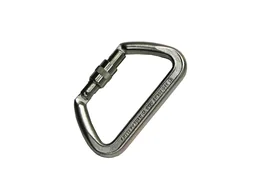
mit Stahlstange bietet hohe Bruchlast und gute Handhabung. Für die sichere Verbindung benötigen Sie zuverlässige Karabiner wie den mit einer Bruchlast von 50 kN.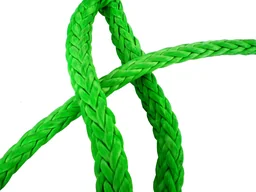
Vergessen Sie nicht die Organisation im Wald. Markieren Sie Rückegassen und zu fällende Bäume deutlich. Die
in Neon-Grün ist auch bei schlechtem Licht gut sichtbar und umweltverträglich.
Lagerung und Transport
Schützen Sie Ihre Investition bei Nichtbenutzung. Ein trockener, überdachter Standort beugt Rost vor. Spezielle Transportkoffer oder -gestelle, wie sie für andere Forstgeräte angeboten werden, sind auch für Windenzubehör eine Überlegung wert.
Fazit und Kaufempfehlung
Die Wahl der richtigen Forstseilwinde ist eine langfristige Investition in die Effizienz Ihres Forstbetriebs. Orientieren Sie Ihre Entscheidung primär an der benötigten Zugkraft und der Kompatibilität mit Ihrem Schlepper. Zweitrangig, aber nicht unwichtig, sind Bedienkomfort und Serviceangebot des Herstellers.
Kaufen Sie keine Winde, die gerade noch ausreicht. Der Leistungspuffer ist Ihr Sicherheitspuffer. Setzen Sie von Anfang an auf qualitativ hochwertiges Zubehör wie passende Seile und Verbinder. Nur die Kombination aus leistungsstarker Winde, sicheren Arbeitsabläufen und robustem Zubehör macht Ihre Holzernte produktiv und unfallfrei. Informieren Sie sich umfassend im Fachhandel über die verschiedenen Modelle im Forstseilwinden-Sortiment.
Häufige Fragen
- Welche Zugkraft benötige ich für meine Forstseilwinde?
- Die benötigte Zugkraft hängt vom maximalen Stammdurchmesser und dem Gelände ab. Für mittlere Stärken bis 40 cm im leichten Hang reichen oft 30-40 kN. Für starkes Holz oder schwieriges Gelände sind 50 kN und mehr empfehlenswert. Berücksichtigen Sie immer einen Sicherheitspuffer.
- Kann ich jede Forstseilwinde an meinen Schlepper anbauen?
- Nein. Sie müssen auf die Kompatibilität mit der Dreipunkt-Anbauweise (Kategorie I, II oder III) und der Zapfwelle Ihres Schleppers achten. Prüfen Sie die erforderliche Mindestleistung und die mechanischen Anschlüsse vor dem Kauf genau.
- Wie wichtig ist eine Seilbremse bei einer Forstseilwinde?
- Eine zuverlässige Seilbremse ist entscheidend für die Sicherheit. Sie hält die Last kontrolliert in Position und verhindert ein ungewolltes Ablaufen des Seils. Integrierte Sicherheitsbremsen, die auch bei Druckverlust greifen, sind ein wichtiges Qualitätsmerkmal.
- Was ist der Unterschied zwischen Trommel- und Plattenwinden?
- Trommelwinden wickeln das Seil auf eine Trommel, was eine saubere Aufwicklung ermöglicht. Plattenwinden legen das Seil auf eine Platte, was den schnellen Seilwechsel erleichtert. Die Wahl hängt von der bevorzugten Arbeitsweise und der Seillänge ab.
- Welches Zubehör ist für den Betrieb einer Forstseilwinde essentiell?
- Essentiell sind ein robustes Chokerseil wie das PRODUCT_105549, zuverlässige Karabiner wie der PRODUCT_99339 und geeignete Forstmarkierungen. Schutzausrüstung wie Helm, Handschuhe und Sicherheitsschuhe sind obligatorisch.