
In brief: A freestanding post box combines security, weather resistance and personal style. Choose models made from powder-coated steel or aluminium that can be locked. Installation is carried out by securing the box firmly in the ground or to a post. Make sure it has sufficient capacity, a sturdy rain protection flap and a clearly visible house number.
Freestanding Post Box: Design & Functionality for Your Home
Your post box is the first calling card of your home. It is in view every day. A freestanding model gives you maximum design freedom. You can position it independently of the house wall.
Functionality and security go hand in hand with aesthetics here. The right post box protects your mail reliably. It can withstand any weather. And it reflects your personal style.
We show you what to look for when choosing one, from the material to secure installation. With our tips, you will find the right model for your garden + outdoor area.
Why choose a freestanding post box?
Wall-mounted models are often the standard solution. Freestanding post boxes offer decisive advantages. You can position the box exactly where it is ideal for the postman. This is particularly practical for long driveways.
They also keep your front door clear. No more wet footprints from the postman on the mat. The door remains free for decoration or a doorbell plaque. The separate location also improves protection against theft.
Pro tip
Plan the location with your postman. They know the ideal height and reach for daily deliveries. A height of 100 to 120 cm above the ground is ideal. The postman does not have to bend down and you can reach the box easily.
Freestanding models are often built more robustly. They have to withstand wind and weather without the protection of a house wall. This is reflected in the material thickness. Many offer greater capacity for parcel deliveries.
The advantages at a glance
- Flexible positioning: Independent of the architecture of your home.
- Easier access: For postmen and in snowy conditions.
- Greater capacity: Ideal for newspapers and small parcels.
- High stability: Thanks to secure ground anchoring.
- Design freedom: Fully integrated into your garden design.
How do I choose the right material?
The material determines durability and security. It shapes the overall impression of your property. The choice depends on your budget and security requirements.
Steel is the classic material for secure post boxes. Modern powder-coated steel does not rust. The coating protects against scratches and the elements. Sheet steel with a thickness of 1 mm or more can withstand attempts to break in.
is an example of a robust steel post box. Its black finish suits many house façades. The lockable compartment protects your mail. The integrated newspaper compartment makes it even more useful.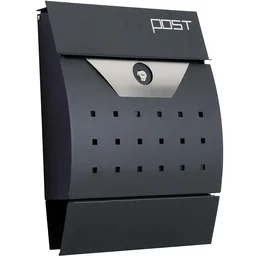
“The powder coating is the key to long-lasting durability. It must be applied evenly and without pores. Look for painted edges and interiors. This prevents rust from forming inside.”
Aluminium is lighter than steel and completely rustproof. It is suitable for coastal climates. High-quality aluminium post boxes such as
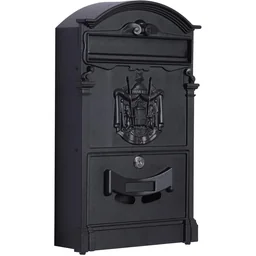
Plastic or composite materials are the budget-friendly alternative. They do not require painting. The colour runs through the material. Look for UV-resistant quality. Otherwise, the box will fade quickly.
Important note
Never use untreated iron or plain galvanised steel without an additional coating. Even galvanising will not last forever. Condensation inside inevitably leads to rust. Invest in high-quality finishes.
Which security features are important?
A post box outdoors is potentially exposed to theft. Not only the mail but the box itself can be targeted. Good security features protect both.
A high-quality lock is the minimum requirement. Padlocks are easy to pick. Integrated cylinder locks are a better option.
has this type of security lock. Two keys are included as standard.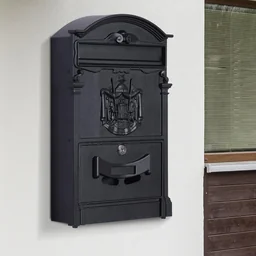
The protection flap over the slot is an often underestimated feature. It prevents rain or snow from entering the box. At the same time, it makes fishing out mail with wire loops more difficult. The flap should be spring-loaded and made of metal.
The fixing to the post or stand must be vandal-resistant. Use special screws with locknuts. These cannot be removed with standard tools. A look at our tools category will help you choose the right installation accessories.
Security checklist
- Lockable main compartment with 2 keys
- Sturdy, spring-loaded metal protection flap
- Locks with security cylinders (not a cheap cylinder)
- Welded or riveted construction (not just screwed together)
- No visible points of attack for crowbars
“The most common mistake is positioning the lock incorrectly. It should be on the side or rear wall, not on the easily accessible front. A side-mounted lock is protected from the weather and harder for thieves to reach.”
How do you achieve the perfect installation?
A permanently installed post box can withstand storms and accidental collisions. The installation method depends on the ground and the model of the box. Plan this step before buying.
For classic post mounting, set a metal or wooden post in concrete. The post should be at least 60 cm deep in the ground. This prevents it from tipping over. Use frost-resistant concrete. The post box is then screwed or clamped onto the post.
Pedestal models are suitable for paved surfaces such as driveways. The heavy base is secured to the ground with wall plugs and screws. Pay attention to the maximum load capacity of the base. A lightweight box can tip over in strong winds.
For wall mounting on a masonry wall, you need special brackets. These distribute the weight across several wall plugs. The installation height should be suitable both for the postman and for you. Remember to allow for possible snow in winter.
Additional advice
Locate all cables and pipes before pouring the concrete. Power, water or data cables may run beneath driveways. A cable detector provides peace of mind. Mark the position of the post with wooden stakes. This helps you maintain the correct alignment.
The right tools make installation easier. A cordless drill driver, spirit level and the right drill bit for your masonry are essential. Allow sufficient time for setting the post in concrete. The concrete needs several days to cure.
Design and integration into your outdoor space
A post box is a design feature. It should complement the style of your home. Modern architecture calls for clean lines. A classic country house can accommodate more decorative shapes.
Colour is the simplest way to customise your post box. Black, anthracite and grey are neutral all-rounders. White creates contrast. Coloured models can be matched to details of the house, such as shutters. Powder coating provides long-lasting colour retention.
The shape ranges from a simple cuboid to a curved designer object. Consider the practical aspects too. Sloping roofs allow water to run off quickly. Rounded edges are less likely to cause injury if someone accidentally bumps into them.
The house number is an integral part of the design. It must also be easy to read from passing cars. Reflective or illuminated numbers improve visibility at night. The number should complement the material of the box. Stainless steel numbers on a black background create a premium look.
Think about the overall design of your garden equipment. The post box can form a coordinated ensemble with lanterns, planters or a fence. Matching materials create harmony. A steel post box complements steel railings or furniture.
Care and maintenance for long-lasting durability
A high-quality post box can last for decades. Minimal care preserves its function and appearance. The effort is small, but the benefits are significant.
Clean the box once or twice a year. Use mild washing-up liquid and warm water. A soft sponge removes dust and bird droppings. Scouring powder or steel wool can scratch the surface. Dry the box thoroughly after cleaning.
Check the lock regularly. Apply a special lock spray to the cylinder. This lubricates the mechanism and protects it from corrosion. At the first signs of rust on small scratches, use a matching touch-up paint pen. This prevents the rust from spreading.
Check the fixing screws in spring and autumn. Wooden posts can become loose in the ground. Metal posts can corrode where they meet the concrete. Tightening the screws or applying a new coat of paint will fix minor defects.
Seasonal tips
- Winter: Carefully remove ice from around the lock. Do not use force. Rinse off road salt regularly.
- Spring: Check the stability after periods of frost. Clean thoroughly after the pollen season.
- Summer: Check that the protective flap opens smoothly. Heat can thin lubricating grease.
- Autumn: Keep the letter slot clear of leaves. Damp leaves can block the flap and encourage rust.
Conclusion: your personalised mail delivery point
A freestanding post box is more than a purely functional item. It is part of the appearance of your home. Investing in quality pays off for years to come.
Choose a model that suits your security needs. , and demonstrate the range of solutions available. All are lockable and weather-resistant.
Make sure it is professionally installed. This is the foundation for stability and longevity. Use the right work supplies and tools from our shop.
With a carefully chosen and properly installed post box, you create a secure, stylish and practical mail delivery point. It welcomes your guests and protects your post. Every day, whatever the weather.
Frequently Asked Questions
- Which material is best for a freestanding post box?
- Powder-coated steel or aluminium offer the best durability. Steel is particularly robust and resistant to break-ins. Aluminium is lighter and corrosion-resistant. Both materials are weather-resistant. Galvanised steel is a cost-effective alternative.
- How do I secure a freestanding post box safely?
- Use a post set in concrete or a ground-mounting kit. The post should be at least 60 cm deep in the ground. For lightweight models, a heavy pedestal base may be sufficient. Ensure a frost-free installation depth. The fixing must withstand vandalism.
- Does a garden post box need a lock?
- Yes, a lock is recommended. It protects your post and valuable deliveries from theft. Two keys should be included. A quality cylinder lock is more secure than a simple padlock. Theft protection gives you peace of mind when you are away.
- How much does a good freestanding post box cost?
- Basic models start at 50 Euro. High-quality, lockable steel post boxes cost 80 to 150 Euro. Bespoke designer models or custom-made versions cost more. Investing in security and quality materials pays off through long service life.
- How large should the parcel slot be?
- The standard size for letters is A4. For small parcels, choose models with depths of over 30 cm. A separate newspaper or parcel compartment is practical. Measure typical deliveries before buying. Volumes over 30 Liter are common for domestic use.
You may also be interested in
- The right post box: design, materials and installation tips
- Post Boxes: Test & Comparison 2026
- Bin Stores: Test & Comparison 2026: The Best Models Reviewed
- Recessed Wheelie Bins: The Solution for a Beautiful Front Garden
- Your House Floor Plan: Practical Planning Help for Garden, Home and Outdoor Spaces
- Climbing Plants & Trellises: Create Green Walls