
In brief: A successful front garden combines attractive looks with easy maintenance. Perennials such as coneflowers and lavender provide a reliable foundation with their recurring growth. Add a fragrant lilac bush as a focal point to create lasting structure. Clear lines with bed edging and a well-chosen selection of plants minimise the amount of work required.
Designing a front garden: How to plan your before-and-after project
An unattractive front garden affects the appearance of the entire house. Overgrown lawn edges, a solitary remnant conifer or dreary gravel areas often dominate. The solution is not a radical clearance, but a carefully planned fresh start with structure and colour.
Perennials and a lilac bush provide the perfect foundation for this. Perennials return reliably every year and develop more volume over time. As a fragrant specimen plant, the lilac creates a distinctive accent. Start planning with an assessment of what is already there.
Analyse the light conditions, soil quality and existing elements you would like to incorporate. Then make a rough sketch of the new bed shapes. Clear, flowing lines look more modern than lots of small, whimsical islands.
Pro tip
Take photos from every angle before you begin. These “before” pictures will keep you motivated while you work and later document the impressive transformation. Mark out the planned bed edges with sand or a garden hose to assess the shapes in the actual space.
Creating the foundation: Soil and edging
Prepare the soil before putting the first plant in the ground. Thoroughly remove all weeds, including their roots. Loosen the soil deeply with a digging fork. Heavy clay soil benefits from the addition of sand, while sandy soil benefits from compost.
For a neat appearance and less maintenance, define the bed edges. A flexible lawn edging, such as the
, effectively separates the bed from the lawn. It prevents grass from spreading into the perennials and gives the design a clear frame. Lay the edging before planting.
Which perennials are suitable for a low-maintenance front garden?
Your selection determines both the amount of work and the overall effect. Sturdy, long-lived perennials that can cope with sun and dry periods are ideal. They should form dense clumps to suppress weeds and remain attractive for as long as possible.
Use a recurring colour scheme for a harmonious look. Classic combinations include shades of blue with lavender and delphiniums, paired with white or yellow accents. The 'Leuchtstern' coneflower
is an excellent choice. Its bright yellow flowers appear from July to October and attract bees.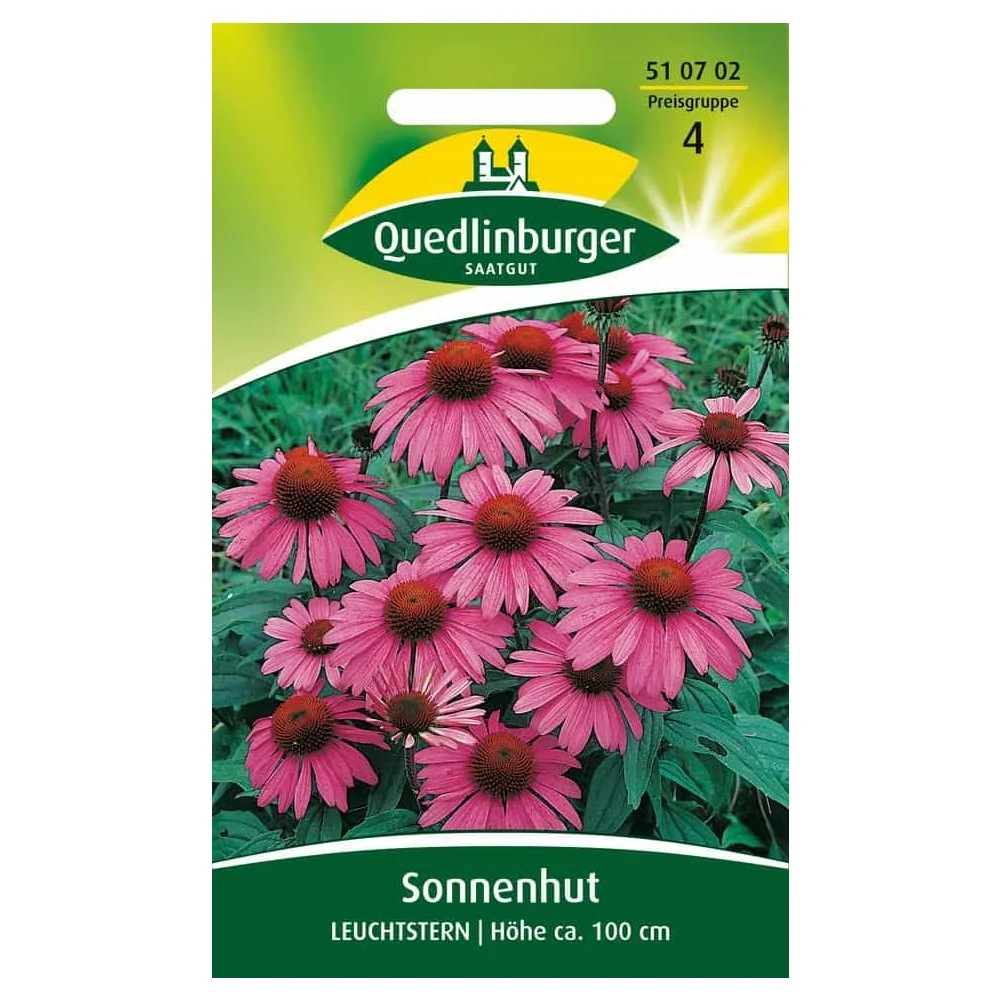
“In modern front gardens, foliage plants and structural plants are becoming increasingly important. Combine flowering perennials with architectural grasses such as feather reed grass or evergreen bergenias for year-round appeal.”
Add low-growing perennials to the front of the bed. Catmint, calamint or mat-forming bellflowers create beautiful carpets. Sage, coreopsis and yarrow are suitable for medium heights. Tall perennials such as sneezeweed or phlox stand out at the back.
Important note
Avoid invasive perennials that spread uncontrollably. These include Japanese knotweed and goldenrod. Ask your garden center about well-behaved, clump-forming varieties. Check the labels for the final height and width to avoid space problems later.
Planting and caring for perennials
Plant perennials in groups of three or five of the same variety. This looks more natural and impactful than a colorful assortment. Follow the recommended planting distance so the plants have room to develop.
Water the perennials thoroughly after planting and during dry spells in the first few weeks. Later, most of the varieties mentioned will manage with natural rainfall. In spring, cut the old stems back close to the ground and perhaps add some compost.
Why is lilac the ideal shrub for the front garden?
Common lilac (Syringa vulgaris) is more than just a nostalgic source of fragrance. As a medium-sized shrub or small tree, it immediately gives the front garden height and structure. Its lush flower panicles, which appear in May in shades of lilac, white or pink, are an unmistakable spring highlight.

Lilac is undemanding and hardy. It prefers a sunny position with well-drained, not overly acidic soil. Once established, it copes easily with drought. For small front gardens, choose compact-growing varieties such as 'Sensation' or 'Madame Lemoine'.
“Remove spent flowers from lilac immediately after flowering. This prevents energy-draining seed production and encourages the formation of new flower buds for the following year. Carry out hard rejuvenation pruning in late winter.”
Place the lilac as a standalone feature in a prominent position, for example beside the entrance or in a corner. It creates an architectural counterpoint to the more ground-covering perennial bed. Combine it with later-flowering perennials to extend the garden's appeal beyond the lilac's flowering period.
How to plant and prune lilac correctly
Dig a generous planting hole. Loosen the soil beneath it. Do not plant the lilac deeper than it was in its container. Fill the hole with the excavated soil, firm it down and water thoroughly. A layer of mulch helps retain moisture.
The most important pruning task is to remove the spent flower panicles immediately. Cut them back to the next fresh side shoot. Every three to five years, you can remove old, overgrown stems close to the ground to rejuvenate the shrub.
Additional advice
For an optimal supply of nutrients for all your garden plants, including any container plants by the entrance, keep a high-quality fertiliser such as the
to hand. Specialised fertilisers work more precisely than universal fertilisers.
How can I combine perennials and lilac effectively?
The key lies in combining height, flowering times and texture. Position the lilac at the back or in the centre. Around it, plant perennials at graduated heights, with the lowest plants towards the edge of the bed.
Pay attention to the sequence of flowering times. Before the lilac flowers, lungwort and Omphalodes verna can make an impact. During the lilac's flowering period, ornamental alliums and early-flowering cranesbills complement it beautifully. After the lilac has finished flowering, coneflowers, sneezeweed and Japanese anemones take centre stage.
Play with leaf shapes. The lilac's heart-shaped leaves contrast beautifully with the fine, feathery leaves of lady's mantle or the slender stems of ornamental grasses. These combinations remain interesting even after flowering.
Low-maintenance finishing touches: mulch and paths
After planting, mulching is the most important step towards a low-maintenance front garden. A layer of bark mulch or wood chippings about five centimetres thick covers the soil. It suppresses weeds, retains moisture and gives the bed a finished appearance.
Also think about access. A narrow, straight path made from stepping stones or bark mulch to the front door or letterbox protects the planting. For all transport work during the makeover, practical accessories such as a tiered trolley with frame can be helpful.
Before and after: Three specific design ideas
Imagine a narrow front garden of a terraced house that previously consisted only of a lawn and a thuja hedge. Afterwards: The hedge is removed. In front of the house wall, plant a white lilac. In front of it, create a bed with yellow coneflower (), blue delphinium and silvery curry plant. A lawn edge () frames the bed.
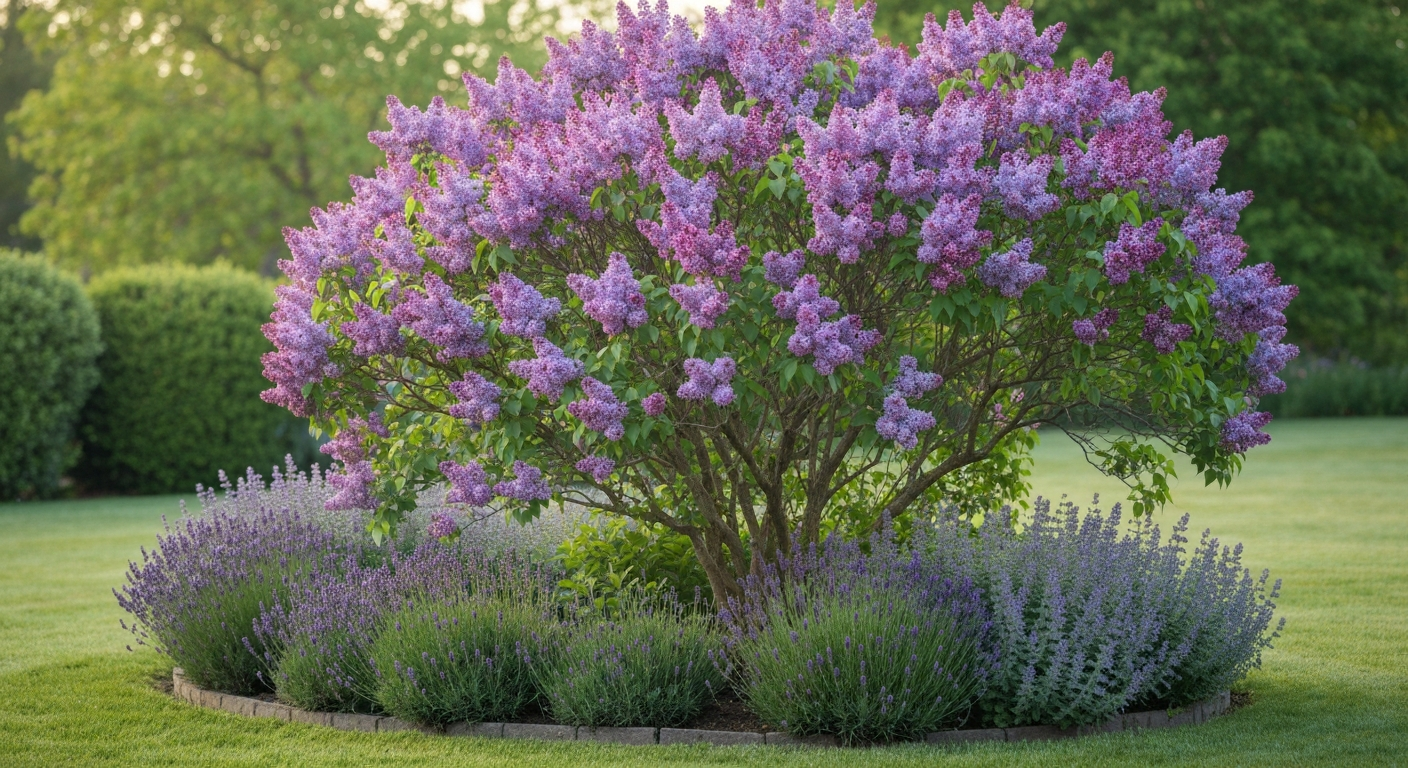
A second scenario: a large, sunny front garden with a gravel area and solitary rose bushes. Afterwards: Some of the gravel remains as a design element. Plant a compact lilac in the centre. In deep beds bordered with the flexible lawn edging all around it, plant drought-tolerant perennials such as lavender, sage and gaura.
The third idea concerns a shady north-facing front garden. Lilac is not suitable here. Instead, plant an ornamental maple. Fill the perennial bed with shade-loving plants such as hostas, barrenwort and bergenias. Here too, clear edges and mulch create a neat, low-maintenance foundation.
Long-term care for your new front garden
Most of the work is required in the first year. You will need to water regularly and remove any emerging weeds. From the second year onwards, the workload decreases significantly. The perennials are established and shade the soil.
Annual maintenance is limited to cutting back the perennials in late winter and deadheading the lilac after flowering. Every few years, divide overgrown perennial clumps and rejuvenate them. Check the edging around the bed and refasten it if necessary.
With this strategy, you can transform your front garden from a problem area into a permanently attractive, vibrant calling card. The before-and-after effect will impress not only you but also your neighbours. Start planning when the soil is easy to work in spring or autumn.
Frequently Asked Questions
- Which perennials are easiest to care for in a front yard?
- Hardy, drought-tolerant perennials such as coneflower (Rudbeckia), cranesbill (Geranium), catmint (Nepeta), and lavender are ideal. They need little water, thrive in full sun, and suppress weeds with their dense growth. Simply cut back the dead foliage in spring.
- How do I plant a lilac correctly in my front yard?
- Choose a sunny spot with well-drained soil. The planting hole should be twice as wide as the root ball. Do not plant the lilac deeper than it was in its container. Water thoroughly after planting and cover the soil with mulch. Pruning once a year after flowering helps maintain its shape.
- How do I create a modern but low-maintenance front yard?
- Modern front yards rely on clean lines and a limited range of plants. Define flower beds with simple lawn edging. Choose a few repeating perennials in groups and combine them with evergreen structural plants such as boxwood balls or grasses.
- How much does a complete front yard makeover cost?
- Costs vary widely depending on the size and materials. For a small front yard with soil preparation, simple bed edging such as PRODUCT_10852, soil, mulch, and 15-20 perennials including lilac, expect to pay 300-600 euros. Larger projects involving paving work cost considerably more.
- How do I prevent weeds in a perennial bed?
- Dense planting is the best way to prevent weeds. Fill gaps with ground covers such as barrenwort. After planting, apply a 5-7 cm layer of bark mulch. It suppresses germination and retains moisture. Weed regularly at first, until the perennials have filled out.