
In brief: A good frost protection cable keeps water pipes, gutters and sensitive outdoor areas functional in freezing conditions. The key factors are suitable heating output, a reliable thermostat, the right length, safe installation and an appropriate IP rating. A self-regulating cable is recommended for pipes, while gutters require a heating cable approved for that purpose. This comparison explains how to choose.
Frost protection cables protect pipes, gutters and sensitive outdoor areas from frost damage. However, the right solution depends on where it is used. A heating cable for a water pipe has different requirements from one designed for a gutter. Pipe material, insulation, cable length and the thermostat also affect safety.
This frost protection cable review and comparison for 2026 categorises the most important cable types and explains what to look for when buying. You will find practical buying advice for homes, yards and commercial properties. Suitable products can be found in the frost protection cable category.
Always start by identifying the specific problem. If a water pipe needs to remain frost-free, you need a suitable pipe-heating system. If the issue is ice in a gutter, you need an outdoor cable approved for that purpose. Additional insulation supports frost protection, but does not replace the heating cable.
- What is a frost protection cable and how does it work?
- Which criteria matter in a frost protection cable test?
- Which type is suitable for the application?
- How do you find the right frost protection cable?
- How do you install a frost protection cable correctly?
- Which mistakes shorten its service life?
- Which frost protection cable is the best choice?
What is a frost protection cable and how does it work?
A frost protection cable converts electrical energy into heat. It transfers this heat to the surrounding pipe, gutter or other surface. This keeps the temperature above the critical freezing point or prevents ice from forming in the first place.
However, the cable cannot prevent every frost-related problem. A pipe that is already completely frozen will not thaw quickly automatically. In addition, an incorrectly installed cable cannot distribute heat evenly. This is why the correct cable length, good contact with the surface and suitable insulation are important.
Heat rather than full heating
Frost protection cables are primarily designed to keep pipes free from frost. They are not automatically designed to keep water at a specific temperature permanently. Therefore, check the manufacturer’s specifications if you want to protect drinking water pipes, pumps, valves or sensitive fittings.
Wind has a particularly strong effect on outdoor pipes. Pipe insulation reduces heat loss and takes some of the strain off the heating cable. In a gutter, however, the heat remains directly exposed to the weather. The cable therefore needs robust outdoor insulation and secure fastening.
Self-regulating or constant output?
Self-regulating heating cables adjust their heat output to the surrounding temperature. They produce more heat in colder areas and less in warmer sections. This is practical when a pipe is exposed to varying temperatures. Even so, self-regulating systems still require suitable protection and correct installation.
Cables with a constant heating output provide a similar amount of heat along the entire heated section. They are suitable for clearly planned applications but generally require reliable temperature control. The thermostat must match both the cable and the application.
- Self-regulating: particularly flexible for pipes exposed to changing outdoor temperatures.
- Constant output: useful for even routing with suitable thermostat control.
- Specialist gutter heating cable: designed for moisture, freeze-thaw cycles and installation in gutters and downpipes.
Practical tip: First measure the section that actually needs protection. Include the connection lead, pipe bends and sensor position, but do not plan loose cable reserves in tight loops. Overlapping cables can generate unwanted heat.
Which criteria matter in a frost protection cable test?
A good comparison assesses more than just heating output. The crucial question is whether the complete system is suitable for the installation location. A technically powerful cable may be unsuitable if it is too short, lacks approval for damp conditions or cannot be securely fastened.
Heating output and temperature control
The required heating output depends on the pipe diameter, pipe material, insulation and local frost conditions. A thin, well-insulated pipe loses less heat than an exposed pipe in the wind. Gutters have different requirements because water must drain away and the cable is installed in an open, damp area.
Look for clear manufacturer’s specifications. They should state which pipe types, outdoor temperatures and installation methods the cable is suitable for. A thermostat switches the heating on according to the surrounding temperature. This means the system only runs when frost protection is actually needed.
Length, shape and material
The heated section must cover the entire area at risk. A cable that is too short leaves some sections unprotected. You must not shorten, coil or overlap an excessively long cable arbitrarily. Check whether the manufacturer permits shortening and how the connection lead counts towards the total length.
- Heated section: It must extend from the first to the last point at risk.
- Connection lead: It must reach a safe power connection, but must not be counted as part of the heated area.
- Bend radius: Sharp bends can damage the insulation and heating conductor.
- Surface: The cable must be suitable for the pipe material, gutter or fastening method.
- Weather resistance: Outdoors, UV resistance, moisture protection and a robust outer sheath are important.
IP rating and electrical connection
Outdoors, the cable comes into contact with rain, snow, condensation and dirt. Therefore, check the specified IP rating and approval for the installation location. Plug connections must remain protected from moisture. Damaged plugs, crushed sections or brittle cables must not be used.
The power connection must match the system’s output. Use only suitable sockets, protective devices and connection leads. For a permanent installation or hard-to-access outdoor area, a qualified electrician should check the connection.
Thermostat and sensor position
A thermostat is only useful if the sensor measures the actual surrounding temperature. Do not install it directly next to a warm wall, light fitting or heated pipe. An incorrectly positioned sensor may switch the heating on too late or leave it running unnecessarily long.
For long or highly branched pipe systems, you need a solution that takes the coldest relevant area into account. Read the installation instructions in full before fastening the cable.
Frost Protection Cable Review & Comparison 2026: Which Type Is Right?
The best type depends on where it will be used. Pipe heating cables, gutter heating cables and thermostat solutions serve different purposes. The following comparison table provides a quick overview. The manufacturer's technical specifications are decisive when making the final choice.
Our highest-rated frost protection cables compared directly:
| Model | Customer rating | Availability |
|---|---|---|
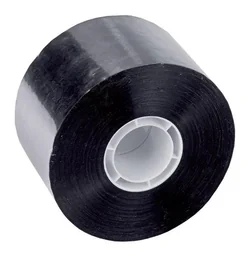
| Aluminium adhesive foil - for heat transfer on plastic pipes | – | Currently unavailable |
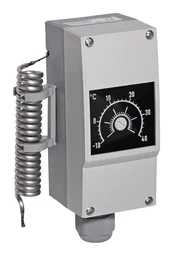
| Frost protection thermostat | – | Currently unavailable |
| Bison plastic reel | – | Currently unavailable |
| Calf blanket 70cm | – | Currently unavailable |
| Disposable overshoes pack of 100 | – | Currently unavailable |
A comparison of the systems shows that the cable itself is only one part of frost protection. The length, thermostat, insulation, fastening method and power connection must all be compatible. Also check whether the product is approved for the planned outdoor or indoor use.
Frost Protection for Water Pipes
For water pipes, a self-regulating pipe heating cable is often the most versatile solution. It runs along the length of the pipe and releases heat where the surrounding temperature is particularly low. Suitable pipe insulation keeps the heat around the material for longer and reduces the load on the system.
With plastic pipes, you need to pay particular attention to heat transfer. The cable should sit evenly against the pipe and must not hang loosely above it. Check that it is approved for the pipe material and the intended application. Drinking water pipes require additional attention regarding material compatibility and hygiene.
Heating Cables for Gutters
A gutter heating cable must be suitable for moisture, freeze-thaw cycles and exposed installation in the roof area. It should keep water channels clear without obstructing drainage. Secure it with suitable holders and route it so that it cannot chafe against sharp edges or moving components.
The product is classified as a gutter heating cable. It is therefore an example of a specialist application rather than a universal pipe heating cable. Before use, always check that it is approved for the gutter material, downpipe and installation method.

Thermostat and Heat Transfer as Add-ons
A frost protection thermostat controls the heating but does not generate heat itself. is therefore an additional component in a frost protection system. Compatibility, sensor position and the permitted switching range are crucial.
With plastic pipes, aluminium adhesive foil can improve heat transfer between the cable and the pipe. is classified as a heat transfer solution for plastic pipes. The foil replaces neither the heating cable nor the pipe insulation. Use it only in accordance with the specified installation instructions.
Note: The highlighted shop products are currently unavailable. They are included in this comparison for thematic classification. Before purchasing, check the current product page and the technical approval for your application.
How Do You Find the Right Frost Protection Cable?
The buying guide starts with the installation location. Make a note of what could freeze, how long the vulnerable section is and what weather conditions the system will be exposed to. Only then compare the output, controls and accessories.
For Water Pipes
For water pipes, the pipe material, pipe diameter and insulation are key considerations. Measure the entire length, including bends, fittings and particularly cold sections. If the pipe runs through an unheated cellar, shaft or outdoor area, every vulnerable section must be taken into account.
- Choose a cable approved for the existing pipe material.
- Choose a self-regulating type if the ambient temperature fluctuates significantly.
- Plan suitable pipe insulation to cover the installed cable.
- Position the thermostat sensor at the coldest relevant point.
- For drinking water pipes, check the material and application instructions.
For Gutters and Downpipes
With gutters, you need to consider the flow of water. The cable should prevent ice from forming in the gutter, at the outlet and in the downpipe. It must not lie loosely in the water or chafe against sharp sheet-metal edges. The fastening must withstand wind, snow and temperature fluctuations.
Measure the gutter and downpipe sections separately. Some systems require special guides for the transition from the horizontal to the vertical section. Also make sure that the cable cannot become trapped by moving roof components.
For Agriculture and Livestock Areas
In agriculture, frost, moisture, dirt and mechanical strain come together. Water pipes supplying drinkers, pumps or outdoor taps need a particularly robust solution. Animals must not be able to reach the cable or chew on the insulation. Secure and protect the cable outside direct contact with animals.
For additional equipment, you will find suitable livestock supplies. For large outdoor areas and changing installation locations, a clear installation plan is helpful. The agriculture category provides additional guidance for business needs.
For Length and Control
Before buying, draw a simple sketch. Mark the connection, heating section, bends, sensor and insulation. This helps prevent the heated area from being too short or excess cable from having to be coiled up.
A thermostat is particularly useful if the cable is installed for an extended period. For short-term or occasional applications, a different control method may be suitable. The key is always to ensure that the system is controlled and protected against unintended continuous operation.
How do you install a frost protection cable correctly?
Read the installation instructions before unrolling the cable. Make sure the power is switched off at the connection point, and check the cable, plug and insulation for visible damage. Installation is safer when the pipe, gutter or mounting surface is clean and dry.
Preparing pipes
- Clean and dry the pipe you want to protect.
- Check whether the cable should be installed lengthwise or spirally, as specified by the manufacturer.
- Lay out the heated section without kinks or overlaps.
- Secure the cable with suitable mounting tape or approved clips.
- Fit the insulation evenly without crushing the cable.
- Place the sensor in a representative, cool location.
- Protect the connection and plug from water.
- Carry out a visual and functional check afterwards.
Do not use sharp-edged cable ties, nails or metal parts unless the manufacturer expressly approves them. They can damage the outer sheath. On plastic pipes, the cable should lie as fully against the surface as possible so that heat is transferred evenly.
Installing gutters and downpipes
In a gutter, run the cable along the path taken by the water. Use suitable clips or holders and keep the outlet clear. In a downpipe, the cable must remain securely positioned without blocking drainage. Do not pull the cable over sharp edges or trap it between moving parts.
Check all transitions before switching the system on. Keep the connection cable out of standing water. The thermostat sensor must measure the outdoor temperature and must not be heated directly by the heating cable.
Safety warning: Only cut, extend or repair a frost protection cable if the manufacturer expressly permits this work. Do not use damaged cables or unsuitable extension leads outdoors in damp conditions. If a fixed mains connection or protective measure is uncertain, have it checked by a qualified electrician.
Which mistakes shorten the service life?
Many problems are caused not by the cable itself, but by incorrect planning. Before switching it on, check that the entire heated section is unobstructed and securely fastened.
Cable too short, incorrectly routed or covered
A cable that is too short can leave cold spots. Pipe ends, transitions, valves and the connection between the gutter and downpipe are particularly vulnerable. By contrast, a loose leftover length is often coiled up. This can cause local overheating. Install the cable only as specified in the instructions.
- Do not create tight loops.
- Do not allow heated sections to overlap.
- Do not create sharp kinks or pinch points.
- Do not use unsuitable adhesive tapes or fasteners.
- Do not add insulation if this would severely compress the cable.
- Do not leave any connection point in water or snow.
Thermostat positioned incorrectly
A sensor mounted on a warm wall responds too late to frost. A sensor installed directly on the cable may switch off too early. Mount it where it realistically reflects the conditions around the protected area. With multiple temperature zones, a single measuring point cannot capture every situation.
Checking after installation
Check the fastening regularly, especially after severe storms, snowfall or work on the roof. Look for cracks, discolouration, loose clips and damaged plug connections. If you notice anything unusual, switch off the system and have the cause checked.
During operation, do not modify the cable when it is unattended or cover it with objects. Keep drainage paths in gutters clear and check the insulation on pipes. A brief visual inspection before the frost season prevents many failures.
Which frost protection cable is the best choice?
For most water pipes at risk of freezing, a self-regulating pipe heating cable with suitable insulation is a good choice. For gutters, you need an outdoor cable specifically approved for this application. A thermostat improves control, while suitable mounting accessories support heat transfer and durability.
You can identify the best solution by ensuring that the cable, length, sensor, ingress protection rating and installation method are properly matched. Check the manufacturer's approval and do not choose a universal solution if the installation location has special requirements.
- Define the application: Pipe, gutter, downpipe or agricultural water line.
- Measure the route: Measure the heated section and connection route separately.
- Choose the control method: Use self-regulation and a thermostat suited to the surroundings.
- Plan the installation: Determine the fastening method, insulation and sensor position in advance.
- Check safety: Regularly check the ingress protection rating, connection and condition.
By following these points, you can reliably protect pipes and drainage systems from frost. Start by choosing the right category, then compare the technical specifications of the specific cable.
Frequently asked questions
- Which frost protection cable is suitable for water pipes?
- A self-regulating heating cable in the right length and with a moisture-resistant design is usually suitable for water pipes. It sits directly on the pipe and gets warmer as the temperature drops. Before choosing one, check the pipe material, insulation, power connection, thermostat and whether the manufacturer has approved it for drinking water or utility water pipes.
- Can any heating cable be installed in a gutter?
- No. A gutter heating cable must be approved for outdoor use, wet conditions and the intended installation method. Look for robust insulation, the right length, secure fastening and a suitable frost protection controller. Install the cable without sharp bends and without any impermissible overlap. Damaged cables must be taken out of service immediately.
- Does a frost protection cable need a thermostat?
- A thermostat is not necessarily integrated into every system, but it significantly improves control. It switches the heating on and off depending on the ambient temperature and prevents unnecessary operation. Choose a sensor and switching range that match the cable. Install the sensor at the coldest relevant point, protected from direct heat.
- How much power does a frost protection cable need?
- The required power depends on the pipe diameter, material, outdoor temperature, insulation and wind. A well-insulated pipe needs less heating power than an exposed gutter. Follow the manufacturer's specifications and approval for the intended use. Oversizing is no substitute for insulation and can make installation more difficult. Complete, evenly distributed installation remains essential.
- Can you install a frost protection cable yourself?
- Many simple pipe systems can be installed yourself if the instructions, connection and installation location are clear. Work with the power disconnected and use only approved fastening materials. In damp areas, for fixed electrical connections, on hard-to-access roofs or with damaged cables, an electrician should carry out an inspection. After installation, check the insulation, sensor position and operation.