
In brief: Our test shows that clean paver joints require the right tool for the job. For stubborn weeds and heavy growth, mechanical solutions such as the Fugen-Power-Fräse are hard to beat. For regular upkeep or light dirt, a specialized brush or cleaning concentrate may be enough. The key factors are the joint material, how dirty it is and how much effort you’re willing to put in.
Table of Contents
- What types of paver joint cleaner are available?
- How do we test paver joint cleaners?
- Paver joint cleaners compared: our top picks
- What should you look for when buying a paver joint cleaner?
- How to use and maintain your cleaner
- Alternatives to conventional paver joint cleaners
- Conclusion: choosing the best paver joint cleaner for your needs
Weeds and dirt between patio pavers are more than an eyesore: they can also make the surface slippery and create a trip hazard. The right cleaning method helps keep outdoor spaces safe and looking their best. Our 2026 test and comparison shows which tools and products work best.
What types of paver joint cleaner are available?
In general, paver joint cleaners fall into two categories: mechanical and chemical. Each has its uses.
Mechanical paver joint cleaners
These tools remove dirt and weeds through physical action. They include:
- Hand brushes: Traditional brushes with bristles designed for paver joints.
- Power tools: Electric or cordless tools that scrape or brush away weeds.
- Cleaning tool attachments: Brushes for pressure washers or multipurpose cleaners.
They deliver immediate results without chemicals and are ideal for small areas or spot cleaning.
Chemical paver joint cleaners
These are liquid concentrates or granules that you apply to the joints. Their ingredients break down organic growth such as moss and algae. They often take effect after several hours or overnight and require less physical effort. Always consider environmental protection and whether they are safe for the garden.
Use chemical cleaners with care: Many chemical paver joint cleaners are not biodegradable and can pollute soil and groundwater. They may also harm beneficial microorganisms. Use them selectively and follow the dosage instructions. Cover nearby plants to protect them.
How do we test paver joint cleaners?
We test products in real-world conditions on a range of dirty surfaces, including concrete pavers, brick and natural stone joints.
We assess:
- Cleaning performance: How clean does the joint get when it’s covered with moss, dirt or buildup?
- Ease of use: Is the tool easy to guide? How much effort does the job take?
- Material protection: Does the tool damage the joint or the surrounding pavers?
- Compatibility: Does the tool work with commonly used cleaning equipment, or can it be used on its own?
- Cleaning the tool: How easy is it to clean the paver joint cleaner after use?
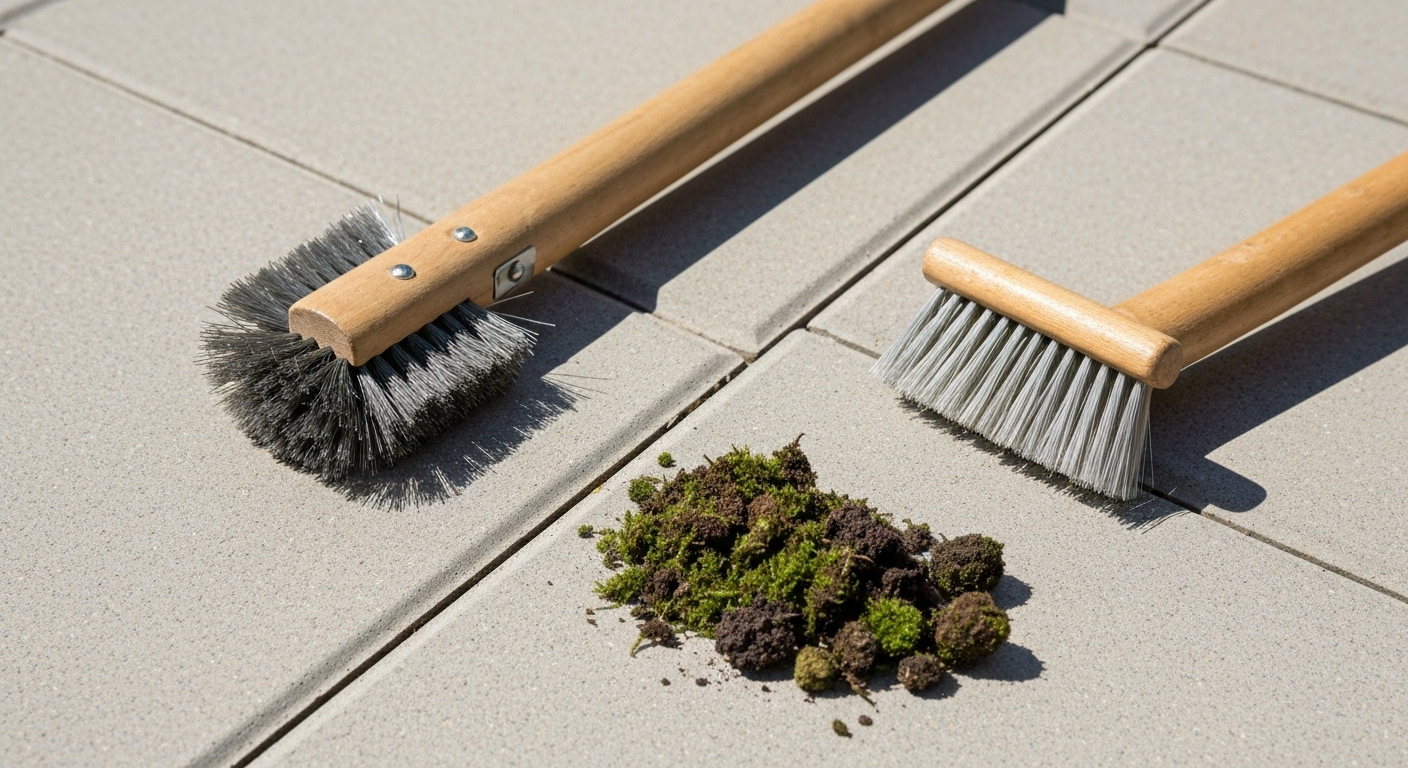
Joint Cleaner Comparison: The Best Products
After extensive testing, we’ve selected the most effective products for you. The table below gives you a quick overview of their key features.
Our top-rated joint cleaners, compared side by side:
| Model | Customer rating | Availability |
|---|---|---|
| Metal joint brush, 2-piece set for 968744 2 in 1 joint turbo with collection box 🏆 Test winner | ★ 4,7 (28) | In stock |
| Heavy-duty dirt brush for X-Brush surface cleaner, item no. 946024 | ★ 4,7 (23) | In stock |
| Nylon joint brushes, 2-piece set for 968744 2 in 1 joint turbo with collection box | ★ 4,8 (16) | In stock |
| Hard surface brush, 2-piece set for item 982169 multifunction cleaner | ★ 4,9 (12) | In stock |
| 2-in-1 power joint cleaner with collection box | ★ 4,6 (12) | In stock |
Product in detail: Power Joint Cleaner
The
delivered excellent results in our test, even against stubborn growth. Its powerful cutter tackles deep-rooted moss and hardened deposits. The integrated collection box is a major plus: it catches coarse debris as you work, so there’s less to sweep up afterward. This tool is a great choice for large areas and heavily soiled surfaces.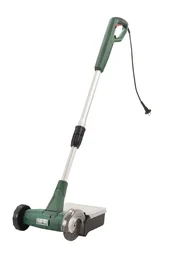
Product in detail: Metal Joint Brush
The
is a sturdy 2-piece set. Its metal bristles provide powerful scrubbing and work well on heavy dirt on hard surfaces such as concrete. In our test, the brush proved highly durable, showing little sign of wear. It’s a practical manual option for moderate dirt when you don’t have access to a power outlet.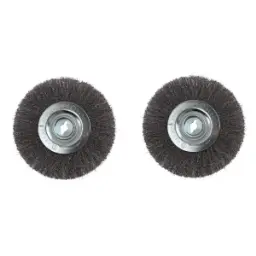
Tip for choosing the right tool: Combine tools for the best results. For heavy growth, start with a coarse metal brush or cutter. Then use a nylon brush for a gentler finish and regular maintenance. This helps protect the joints and keep them clean over time.
Product in detail: Nylon Joint Brush
For more delicate surfaces or finishing work, the
is a great choice. Nylon bristles are gentler than metal, but still remove loose dirt and light green growth effectively. This 2-piece set is easy to handle and a practical choice for regular weed removal and maintenance on patios and walkways.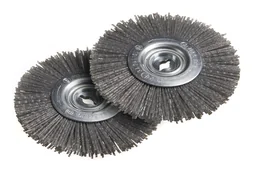
Product in detail: Green Growth Remover Concentrate
The
is the chemical cleaner in our test. As a concentrate, it goes a long way and must be diluted before use. It worked well against algae and moss on large, evenly soiled areas, where spraying takes less effort than scrubbing by hand. Always follow the recommended contact time.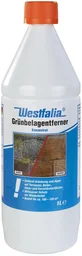
Availability note: Not all tested brushes are always available as standalone products. Some are designed as accessories for specific cleaning systems. Before you buy, check whether your chosen product is compatible with your equipment or can be used on its own.
What to Consider When Buying a Joint Cleaner
Choose the right tool based on these criteria:
- How dirty the joints are: For light dirt, choose a brush. For stubborn moss, a cutter or concentrated cleaner may work better.
- Joint material: Soft sand and resin joints can be damaged by metal bristles or cutters. Use a soft brush or mild cleaner instead.
- Area size: Ergonomic handles or electric tools are useful for large areas. A hand brush is enough for small corners.
- Physical effort: If you’re comfortable with hands-on work, a manual tool is a good choice. For easier application, consider a chemical cleaner or electric tool.
- Environmental impact: Choose mechanical methods or biodegradable cleaners to help protect your garden and the environment.
How to Use and Care for Joint Cleaners
Follow these steps to use your cleaner correctly:
Start by sweeping away leaves and loose debris. When using a mechanical cleaner, apply even pressure and work along the joints to avoid damage. For chemical cleaners, follow the manufacturer’s directions for dilution and contact time. Wear protective clothing when handling strong products.
After cleaning, rinse the surface thoroughly with water to remove loosened debris and any diluted chemicals. Rinse brushes and cutter heads as soon as you’ve finished, then store them in a dry place.
Alternatives to Standard Joint Cleaners
You can also use other tools alongside dedicated joint cleaners.
A pressure washer fitted with a narrow fan-jet nozzle can flush loose dirt from deeper joints. Use caution: too much pressure or holding the nozzle too close can wash out the joint material or damage the stone.
For weed removal in joints, special weed pullers and heat-based methods are also suitable. However, they won’t remove general dirt or green growth.
Conclusion: The Best Paver Joint Cleaner for Your Needs
Choosing the right paver joint cleaner depends on your needs. For most households, a combination of a sturdy brush for tough cleaning and a cleaning concentrate for light, regular maintenance makes sense.
For stubborn, widespread growth, choose a powerful mechanical solution such as the joint cutter tested here. For routine maintenance and moderate buildup, high-quality brush sets are the most efficient and eco-friendly choice. Consider the surface you’re cleaning and how easy you want the job to be. With the right tool from our comparison, you can keep your paver joints clean and safe for years to come.
Frequently Asked Questions
- Which is better: mechanical or chemical paver joint cleaners?
- Mechanical cleaners such as brushes or joint cutters are eco-friendly and work right away, but they require more physical effort. Chemical cleaners such as concentrates penetrate dirt and take less effort to use, but they need time to work and aren’t always eco-friendly. The right choice depends on the type of buildup and your priorities.
- Can I use a paver joint brush on my patio?
- Yes, paver joint brushes are ideal for patios, walkways, and driveways. Choose the right bristle stiffness: nylon bristles are gentler on delicate surfaces, while metal bristles remove tougher growth. For large areas, consider a brush with a long handle or one designed for a power cleaning tool.
- How do I remove moss and algae from paver joints?
- For light growth, a special brush or paver joint cleaner concentrate can help. Stubborn moss often takes mechanical effort: a joint cutter scrapes it away without leaving residue. To keep it from coming back, keep the joints dry and rake away leaves regularly.
- Are joint cutters suitable for narrow joints?
- Modern joint cutters such as PRODUCT_72893 have narrow cutting heads that can reach tight joints effectively. Use them carefully to avoid damaging the pavers. For very narrow or uneven joints, a special brush may be a better choice.
- How do I clean my tools after use?
- Rinse brushes and cutting heads thoroughly with water after use. When using chemical cleaners, follow the manufacturer’s instructions for disposing of leftover solution. Store tools in a dry place to prevent rust and material fatigue.