
In brief: Furniture hardware consists of the functional and aesthetic connecting elements used in furniture making. Choosing the right hinges, drawer slides and handles determines the stability, durability and ease of use of your DIY project. Always match the hardware to the wood, the load and your desired design.
Understanding the world of furniture hardware
Hardware forms the skeleton and joints of your furniture. Without it, wood remains nothing more than a static material. The right choice makes the difference between a wobbly temporary fix and a sturdy piece of furniture that lasts for decades.
You invest time in planning, cutting and treating the surfaces. The right hardware protects that investment. It ensures softly closing doors, smooth-running drawers and a secure footing.
“Hardware should work with the wood, not against it. A heavy oak cabinet needs different hinges from a lightweight plywood cabinet.”
How do you choose the right hinges?
Hinges determine how your doors function. You need to consider their weight, opening angle and installation method. The three most common types are concealed hinges, piano hinges and pin hinges.
Concealed hinges (also known as cup hinges) are the standard for modern kitchen and cabinet doors. They are installed invisibly and offer adjustment in three directions. Pay attention to the drilling distance (usually 35 mm) and the overlay.
For heavy doors or special designs, choose piano hinges. These long, continuous hinges distribute the weight exceptionally well. You can find robust versions in our range for garden equipment.
Pro tip
Test a hinge for play before buying it. Hold the moving arm and rock it from side to side. High-quality hinges have almost no play, while cheap ones immediately feel loose. You will notice the difference after a thousand openings.
Installing hinges: precision is everything
Installing a concealed hinge requires precise drilling. Always use a drilling template for the 35 mm diameter and the correct depth. The depth must be exact; otherwise, the hinge cup will sit too deep or too high.
After gluing and screwing in the hinge cup, attach the mounting plate to the cabinet. This is where adjustment begins. Use the three adjustment screws to correct the door height, depth and closing position.
Why are drawer slides so important?
Drawers without guides stick and wobble. A slide system transforms them. It determines ease of access and maximum load capacity. The basic choice is between partial-extension and full-extension slides.
Partial-extension slides are affordable and easy to install. The drawer opens only about two-thirds of the way. That is often sufficient for tools or utensils you rarely use. Full-extension slides, also known as telescopic slides, provide complete access right to the back.
For heavy loads such as tools from the garden tools category, choose systems with a high load capacity (from 30 kg per pair). Pay attention to the length: it must match the drawer depth, minus the front.
“With drawer slides, smooth movement under load is what matters. Test the system in a DIY store by applying firm pressure. Does it jerk, or does it move quietly and evenly? That tells you more than any marketing claim.”
Soft-close: a luxury worth having
Soft-close functions dampen the closing action of drawers and doors. An integrated spring brake absorbs the momentum. This protects the material, prevents noise and gives the furniture a premium feel.
Retrofitting is possible. For drawers, there are separate soft-close inserts that hook into the slide. For doors, you need special hinges with integrated damping. Installation is hardly different from that of standard hardware.
Handles and knobs: the furniture’s calling card
Handles are the interface between people and furniture. Their shape, size and feel influence everyday use. The choice ranges from minimalist bar handles to rustic wooden knobs.
Choose between pull handles and screw-mounted knobs. Pull handles require only one hole drilled from the back. Screw-mounted handles are attached with a through-bolt from the front. The latter are often more secure and can be tightened later.
Hole spacing is critical. For existing handles, measure the distance between the two fixing points from centre to centre. Standard spacings are 96 mm, 128 mm or 160 mm. For new fronts, plan the handle position before drilling.
Important note
Always drill handle holes from the front of the door or drawer front. Place a piece of scrap wood against the back. This prevents the veneer or decorative foil from splintering or tearing when the drill breaks through.
Which wood joints complement hardware?
Hardware does not replace solid wood joints. It complements them. For sturdy frames, use mortise-and-tenon joints, dovetails or routed tongue-and-groove joints. These carry the structural load.
For simpler projects such as garden benches or planters from the Garden + Plant Accessories section, screw connections with angle brackets or dowels are practical. Always combine them with wood glue for additional strength.
Reinforce large surfaces such as cabinet backs or base assemblies. Cross braces and lengthwise supports provide rigidity here and prevent the cabinet from warping. Plan these elements in from the start.
Additional advice
Keep spare hardware in storage. For larger projects, always buy one or two more hinges or slides than you need. The same model may no longer be available in five years. This lets you make quick repairs that match the existing hardware visually.
Hidden connections: dowels and Minifix
Invisible connection systems such as wooden dowels or Minifix connectors create clean edges without visible screw heads. They require precise work with special drilling templates.
Dowel joints are classic and very strong when glued. Minifix systems consist of a threaded insert in one part and a connector with an eccentric cam in the other. They can be loosened and tightened again several times.
Installation: Step by Step to Success
Start with a clean work surface. Read the fitting manufacturer's installation instructions. Special templates or spacers are often included. Use them.
Work with the right tools. These include a cordless screwdriver with torque control, a set of bits (especially PH2 Phillips bits), a metal tape measure, a protractor and a spirit level. A jigsaw or a power tool from our range can also be useful for many projects.
Haste is the most common mistake. Take your time when marking out and checking everything before drilling. Measure twice, drill once. Check the alignment and fit of the parts after every step.
Care and Maintenance of Your Furniture Hardware
Furniture hardware requires very little maintenance. Avoid aggressive chlorine- or acid-based cleaners, as they can damage the surface. A soft, slightly damp cloth is sufficient for regular cleaning.
For sliding parts such as drawer runners, you can apply a drop of special drawer oil or silicone spray to the guide rails after several years. Never grease concealed hinges. This loosens the adjusted resistance and attracts dust.
Check all screw connections on your homemade furniture once a year. Wood expands and contracts, and screws can become slightly loose. A quick check with a screwdriver helps maintain stability.
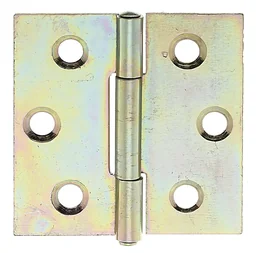
With this basic knowledge, you are well prepared for your next DIY furniture project. Remember: good hardware is not an expense but an investment in the enjoyment of the furniture you have created yourself. The products
, and from our range offer a solid starting point.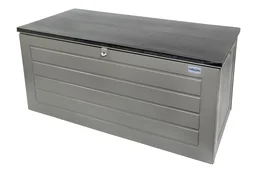
Frequently Asked Questions
- Which hinges do I need for a heavy kitchen cabinet door?
- Concealed hinges with soft-close functionality are suitable for heavy doors. Look for a high load capacity (at least 15 kg per hinge), a sturdy mounting plate and a 6-point metal plate. Pressure compensation prevents the door from opening on its own.
- What is the difference between full-extension and partial-extension drawer runners?
- A full-extension runner (telescopic runner) allows the drawer to open completely, providing full access to its contents. A partial-extension runner leaves around one third of the drawer inside the cabinet. Full-extension runners are more convenient, while partial-extension runners are more affordable.
- Can I add handles to a piece of furniture later?
- Yes, you can. You will need to drill new holes. Measure the hole spacing of the new handles precisely and use a drilling template. Old, unused holes can be filled with wood filler and painted over.
- Which wood joint is the most stable for shelves?
- For maximum stability in shelves, finger joints or a combination of dowels and glue are ideal. However, shelf supports or angle brackets are easier to install and can be found in our trade supplies range.
- Does stainless steel furniture hardware rust?
- High-quality stainless steel (e.g. V2A or V4A) is rust-resistant and ideal for damp areas such as bathrooms or kitchens. Cheap chrome-plated steel hardware can rust if the chrome layer is damaged. Invest in quality materials.
You may also be interested in
- Build Your Own Furniture: Creative Projects for Your Home
- Care for Furniture Hardware Like a Pro: Stop Rust and Squeaking
- Build Your Own Home Bar: The Perfect Guide to a DIY Bar Cabinet
- Build Your Own Secretary Desk for Working from Home: Practical DIY Furniture
- Old Furniture, New Lease of Life: The Upcycling Guide
- Build Your Own Industrial-Style Shelving: Step-by-Step Guide