
In brief: Identify beetle species by features such as size, color, shape, and the damage they cause. Ladybugs are round and red with spots, while Colorado potato beetles are yellow with black stripes. Helpful insects such as ground beetles hunt pests. Pests such as vine weevils leave notches along leaf edges. A magnifying glass and an identification guide can help.
Identifying Garden Beetles: Why Take a Closer Look?
Your garden is teeming with life. Not every insect is an enemy. Many beetles provide invaluable services as nature's cleanup crew, pollinators, or soil improvers. The key is careful observation.
You can avoid unnecessary pest control, support a healthy ecosystem, and save time and money. It all starts with correctly distinguishing beneficial insects from pests.
This guide covers the most important features and what to look out for.
How Do I Tell Beneficial Insects from Pests?
The distinction is not always clear-cut. What matters is their current impact in the garden. A beneficial insect helps the ecosystem. A pest harms your plants.
Beneficial insects hunt other insects, break down organic matter, or pollinate flowers. Pests feed on living plant tissue, from the roots to the flowers.
Observe their behavior. A beetle sitting on a rose is not necessarily eating it. It could be looking for aphids.
“Demonizing insects across the board is the biggest mistake in a home garden. A healthy garden needs its hunters and gatherers.”
Indispensable Helpers: Beetles to Welcome in Your Garden
Ladybugs: Everyone knows them. Their larvae, however, are even more efficient aphid hunters. You can recognize them by their elongated black-and-orange bodies and unhurried gait.
Ground beetles: Fast-moving hunters that roam the ground, often with a metallic sheen. They devour slug eggs, caterpillars, and other pests. A good reason to create wildlife-friendly garden beds.
Rose chafers: Their golden-green adults fly sluggishly around flowers. The important grubs live in compost and break down organic matter. Don't confuse them with harmful June beetle grubs.
Expert tip
Create overwintering shelters. A simple pile of dead wood, stones, and leaves in a quiet corner of the garden protects many beneficial insects. Avoid keeping the garden perfectly tidy in fall.
Common Garden Pests: How to Identify Them and Their Damage
Vine weevils: Active at night, adult beetles chew notches into leaves. Their larvae in the root zone can kill plants. Check for them in the evening with a flashlight.
Colorado potato beetles: Easy to recognize by their yellow-and-black stripes. The adults and their red larvae can strip nightshade plants such as potatoes and eggplants bare.
Bark beetles: Small, cylindrical beetles. They are usually harmless to healthy trees. In weakened woody plants, however, they can multiply rapidly and cause the plants to die.
Asparagus beetles: Bright red with black spots. As the name suggests, they attack asparagus plants. Regularly picking them off by hand is the most effective method.
How Can I Identify a Beetle Species with Confidence?
Proceed systematically. Start with the size and basic color. Then look at the shape: Is the beetle round, oval, or elongated?
The surface provides clues: Is it smooth, hairy, dotted, or patterned? The antennae are important. Are they threadlike, elbowed, or club-shaped?
A precision tool such as the
can help you examine fine details or carefully transport a specimen.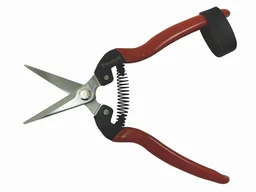
“Invest in a good magnifying glass with 10x magnification. The details of a beetle only come into focus under the glass. Antennae, hairs, mouthparts—that's where the key to identifying the species lies.”
Keep a notebook handy. Record the location, plant, time of day, and behavior. A photo from several angles is ideal.
Compare your observations with reputable sources. Use specialist books or well-maintained online databases. Forums can be helpful, but they can also contain errors.
Important note
Never try to control a beetle unless you have identified it with confidence. Many larvae look alike. The harmless rose chafer grub is often confused with the harmful June beetle grub—with potentially devastating consequences for soil life.
The Role of Plants: How to Interpret Damage Correctly
The beetle itself is often nowhere to be seen. The damage pattern can give it away. Examine the plant closely.
Holes in leaves point to beetles such as vine weevils or flea beetles. Skeletonized leaves, where only the outer leaf tissue remains, are typical of some leaf beetles.
Leaf mines inside leaves are caused by larvae of certain beetle or fly species. Shoots dying back without visible external injuries may indicate root feeding by chafer grubs.
How Can I Encourage Beneficial Insects and Control Pests Naturally?
The best protection is a diverse, healthy garden. Monocultures invite pests to feast. Mixed planting confuses and slows them down.
Plant native perennials and flowering plants. They provide nectar and pollen for many beneficial insects. A gentle watering system helps keep plants healthy.
Avoid broad-spectrum insecticides. They affect beneficial insects and pests alike. The result is often an explosive increase in the surviving pests.
Additional advice
Use physical barriers. Horticultural row cover put in place early protects vegetable beds from many flying pests. For vine weevils, sticky traps attached to stems can help.
Practical Steps for a Natural Balance
Leave some “weeds,” such as nettles, growing in one corner. They are important food sources and nurseries for butterflies and their predators.
Create nesting spots—not just for wild bees. Many beetles also use cavities in wood or hollow plant stems.
Encourage birds and hedgehogs. They are natural predators of many beetles and larvae. A pile of leaves and a birdbath are simple ways to attract them.
Remove infested plant parts consistently but in moderation. Dispose of them in the trash using the garden waste bag, not in the compost.
When should I take action, and which methods work?
Take action when the damage becomes unacceptable, either economically or aesthetically. A few chewed leaves on a sturdy plant are no reason to panic.
Start with the gentlest methods: pick beetles off by hand, rinse them away with water, and set up barriers. If larvae are in the soil, turning it over and collecting them in the fall can help.
Biological treatments based on neem oil or specific bacteria (Bacillus thuringiensis) are more targeted than synthetic chemical products. Read the application instructions carefully.
Think about the future. After an infestation, support the plant with gentle fertilization, for example with organic fertilizer or garden lime, depending on its needs.
A checklist for responsible pest control
1. Observe and identify the culprit with certainty.
2. Assess the extent of the damage. Is intervention necessary?
3. Choose the most mechanical and targeted control method.
4. Protect beneficial insects and soil life.
5. Work toward a resilient garden ecosystem over the long term.
Your garden is a complex network, and beetles are a vital part of it. With knowledge and careful observation, you can help this network find a healthy balance. You’ll be rewarded with greater natural diversity and less work.
Frequently Asked Questions
- Which beetles are beneficial in the garden?
- Some of the most helpful beetles include ladybugs, which eat aphids; ground beetles, which hunt slugs and caterpillars; rose chafer larvae, which break down compost; and rove beetles. They support a natural balance and help control pests without chemicals.
- How can I identify a pest such as the black vine weevil?
- Black vine weevils feed at night and leave characteristic notches along leaf edges. The adult beetles are black, cannot fly, and are about 1 cm long. The white, legless larvae in the soil feed on roots and pose the greater threat.
- Can I identify beetles reliably with the naked eye?
- For reliable identification, you’ll often need a magnifying glass. Look at details such as antenna shape, leg length, shell structure, and wing cases. A photo and comparisons with identification guides or reputable online resources can significantly improve accuracy.
- What attracts beneficial beetles to my garden?
- Plant flowering perennials and herbs to provide pollen and nectar. Create hiding places with piles of stones and dead wood, layers of leaves, or bug hotels. Avoid insecticides, which can kill beneficial insects too.
- Do I need to control every beetle in the garden?
- No. Most beetle species are harmless or beneficial. Take action only when there’s a severe infestation and clear evidence of damage. Prioritize mechanical methods such as hand-picking or physical barriers instead of using harsh chemicals.
You may also be interested in
- Insects and spiders: The best helpers for your garden
- How to identify and control common beetles in your home
- Weeds in the garden: How to identify, understand, and control them naturally
- Small black beetles on plants: How to identify and control them
- Caterpillars in the garden: How to identify and control them
- Bugs in the garden: Friend or foe? How to identify beneficial insects