
In brief: Plan your garden by first considering how you want to use it, the light conditions and the soil. Sketch out zones for relaxing, paths and garden beds. Start with easy-care plants and durable materials. A well-planned layout makes future changes easier.
Garden Design for Beginners: Planning & Ideas
Having your own garden doesn’t have to remain an unattainable dream. With clear planning and the right ideas, even beginners can transform an outdoor space into a personal retreat. This guide shows you how to get started, step by step.
How do I start planning my garden?
Take time to assess your garden. Walk around it at different times of day. Notice where the sun shines and where shade falls. Check the soil type. Is it sandy, clay-heavy or rich in organic matter?
Write down what you want from your garden. Should it be a place to relax, a play area for children or a space to grow fruit and vegetables? Gardens often serve several purposes. A clear list of priorities will help you make decisions later.
Pro tip
Photograph your garden from every corner. Print out the pictures and sketch your first ideas for seating areas or garden beds directly onto the photos. This makes it easier to keep the actual scale in mind than when working on a blank sheet of paper.
Draw a rough site plan. Measure the area and mark the dimensions. Note fixed features such as the house, garage and large trees. These form the framework for your plan.
Which garden design ideas suit my style?
Your garden style should suit both you and your home. A modern house works well with clean lines and a simple palette of materials and colors. A country-style home, on the other hand, looks at home with lush perennial beds and natural materials such as wood.
For a low-maintenance garden, choose generous areas of lawn, hardy shrubs and a well-planned seating area. Mulched areas or gravel beds can significantly reduce weed growth. Find practical garden tools in our category.
A wildlife-friendly garden thrives on native plants that provide food for insects and birds. Avoid sharply trimmed lawn edges. Leave wildflowers such as viper’s bugloss or musk mallow standing. A wild corner with deadwood and fallen leaves provides valuable habitat.
A garden is never finished. That’s the beauty of it. It evolves, and you evolve with it. Give yourself time to make mistakes and learn from them.
Small garden design ideas
Every detail matters in a small garden. Add depth and interest with different levels. A slightly raised garden bed or a platform for the seating area can help divide the space.
Make use of vertical space. Cover fences or walls with climbing plants such as clematis or honeysuckle. Hanging baskets or wall planters bring greenery to eye level without taking up floor space.
Mirrors placed strategically on walls reflect light and make the space appear larger. Choose a consistent, light color palette for paving and furniture. This creates a calm, spacious feel.
How do I plan my patio design?
The patio is the centerpiece of many gardens. Its location affects how you can use it. A south-facing patio is ideal for sunny days, while a covered east-facing area is perfect for breakfast outdoors. Make the patio large enough for tables and chairs to fit comfortably.
Your choice of paving shapes the character of the space. Wood feels warm and natural but requires maintenance. Natural stone or concrete pavers are durable and modern. Allow for a slight slope of about two percent away from the house so rainwater can drain.
Important note
Check your local building codes before constructing a permanent patio. Depending on its size and construction, you may need a permit. Contact your local building department to avoid problems later.
Good lighting lets you enjoy the patio for longer. Solar-powered LEDs are easy to install. Add indirect lighting around tables, steps or planters. Find suitable garden furniture covers to protect your furniture.
Plants for the patio
Container plants offer flexibility. You can move them with the seasons and the changing position of the sun. Oleander, olive trees and citrus plants add a Mediterranean feel. Fuchsias, begonias and ferns are good choices for shady spots.
Don’t forget their practical benefits. Herbs such as basil, thyme and rosemary thrive in pots and are always close at hand in the kitchen. A smart garden irrigation system with drip irrigation saves time when watering.
How do I create a wildlife-friendly garden?
A wildlife-friendly garden is more than just an “unkempt” garden. It’s a deliberately designed ecosystem. Start by taking a gentle look at what’s already there. Which wild plants are growing? They’re often ideally suited to the location.
Replace exotic ornamental shrubs with native species. Viburnum, dogwood and wild roses provide birds with berries and insects with pollen. Leave faded perennials standing through winter. Their seed heads provide food and shelter during the colder months.
Avoid chemical pesticides and mineral fertilizers. Compost from your own garden provides plants with an ideal source of nutrients. A layer of mulch made from grass clippings or leaves protects the soil and supports soil life.
Additional advice
Create small features that provide habitat: a pile of stones for lizards, a small deadwood pile for hedgehogs or a sandy patch for ground-nesting wild bees. These features greatly increase biodiversity in your garden.
A wildlife-friendly garden takes time. Don’t be discouraged if everything doesn’t grow abundantly right away. Observe which plants settle in naturally—they’re the best designers.
Practical Implementation: Paths, Beds and Borders
Paths lead through the garden and give it structure. For main paths, firm surfaces such as bound gravel, gravel or pavers are ideal. Paths leading to quieter corners can be made from bark mulch or stepping stones.
Beds need clearly defined edges. This makes maintenance easier and gives the garden a neat structure. A flexible lawn edging like
helps define the shape of your beds and keeps the lawn under control. It is easy to install and adapts to curves.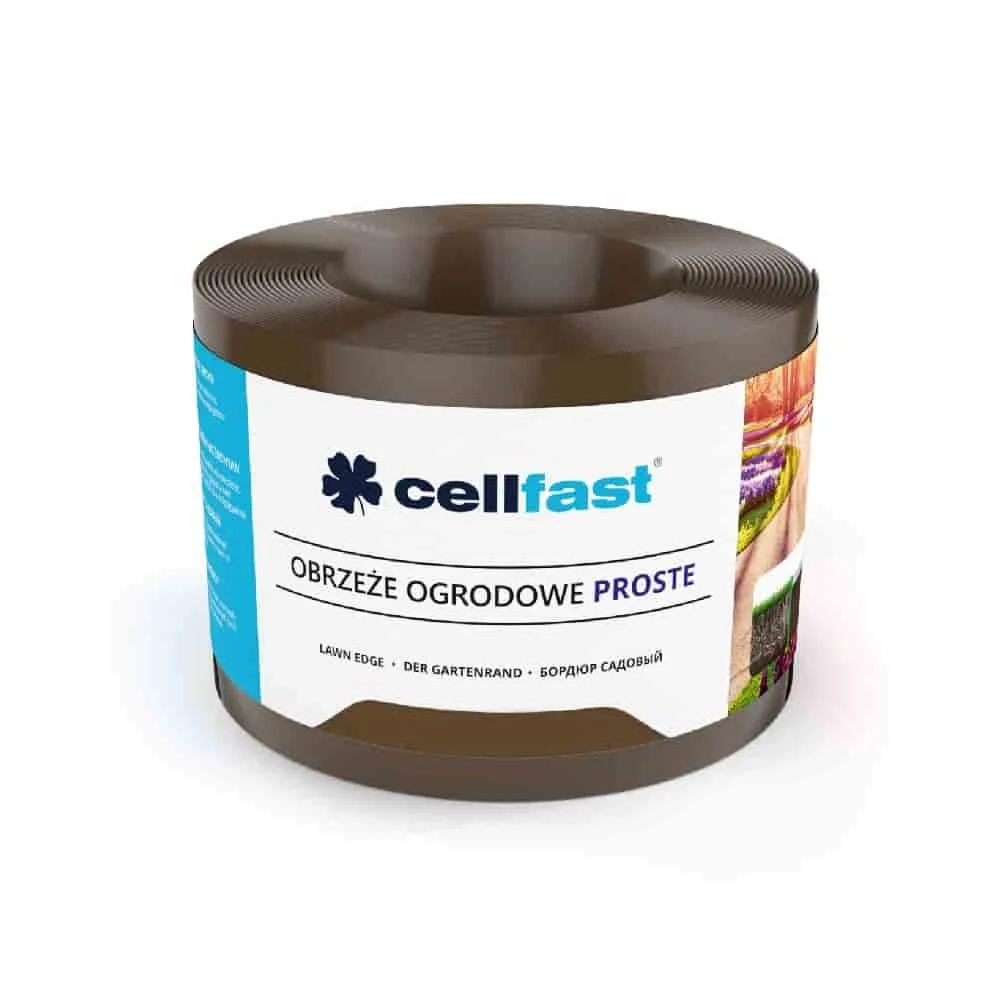
Plan your planting in layers. Tall shrubs or trees form the backdrop, medium-height perennials make up the second row, and ground cover plants create the front edge. This makes the bed look full and balanced.
The biggest challenge for beginners is patience. Plants need time to grow. Don't buy too many different varieties at once; start by learning the needs of a few hardy plants.
The Right Equipment to Get Started
You don't need expensive professional tools. A few sturdy basics are enough: a spade, a digging fork, a hand trowel and a good pair of pruning shears. Quality is worth paying for here, as it lasts longer and makes the work easier.
Think about watering early on. A water connection near the garden is worth its weight in gold. A durable garden hose or a rain barrel are worthwhile investments.
For the planning phase and protecting materials, tarpaulins and nets can be useful. They can protect planting soil, for example, or cover newly planted areas to keep birds from eating the plants.
Care Plan for Your First Year in the Garden
The first year is about helping plants get established. Water newly planted perennials and shrubs regularly during dry periods. Fertilizing is usually not necessary if you added compost to the planting hole.
Remove weeds early, while they are still small. A layer of bark compost or shredded garden waste suppresses growth and retains moisture. Don't see every weed as an enemy; it can also be a sign of healthy, living soil.
Observe your plants. Which ones are thriving, and which are struggling? Make a note of what you see. These observations are the best basis for making adjustments next year. A garden is a living project.
Find inspiration and discover more ideas and products in our extensive Garden + Outdoor category. With careful planning and the right tools, nothing stands in the way of creating your own green paradise.
Frequently Asked Questions
- How do I start planning a garden?
- Begin by assessing your yard: Where is it sunny, and where is it shady? Write down what you want, such as a seating area, lawn or vegetable garden. Draw a rough plan and divide the space into zones. This will help you keep track of everything before you start digging.
- Which plants are good for beginner gardeners?
- Choose hardy perennials such as catmint, coneflowers or stonecrops that are suited to your region. They are easy to care for and can handle local winters. For quick results, choose annual summer flowers such as marigolds or zinnias. They bloom reliably throughout the summer.
- How can I make the most of a small patio?
- Make use of vertical space with climbing plants or hanging planters. Choose space-saving, multifunctional furniture such as benches with storage. A consistent color palette for the paving and plants creates a harmonious look and makes the space appear larger.
- What is the easiest way to create a natural garden?
- Mow part of your lawn less often so daisies and clover can flower. Plant native shrubs such as hawthorn or blackthorn to provide food for birds. Avoid chemical pesticides and tolerate a little “untidiness.”
- How can beginners make garden maintenance easier?
- Use mulch made from bark or shredded garden waste. It suppresses weeds and retains moisture. Install a simple watering system with soaker hoses. Plan from the outset to use durable materials such as weather-resistant wood or stone.