
In brief: A hedgehog-friendly garden fence leaves a safe gap of at least about 10 x 10 centimetres at ground level. Remove sharp wire ends, secure gates and connect your garden with neighbouring properties. You can also protect hedgehogs with hiding places, shallow water bowls and by avoiding poison, robotic lawnmowers at night and open traps.
A garden fence separates properties, but it should not prevent hedgehogs from moving through their habitat. At night, these animals search for beetles, worms and other food sources, moving between gardens, hedgerows and green spaces. A small gap at ground level keeps this route open.
When it comes to wildlife protection in the garden, the entire property boundary matters. A single open section of fence is of little use if the next gate, a concrete wall or a dense privacy screen blocks the way. Plan your fence, posts and garden accessories with the surrounding area in mind, and discover suitable solutions in the garden and outdoor range.
Why does a hedgehog need a permeable garden fence?
Hedgehogs travel widely through their surroundings in search of food. Hedgerows, gardens and unpaved verges form one connected territory for them. A solid fence interrupts these routes and forces the animals to take detours across roads or into dangerous areas.
A gap at ground level creates a safe connection. It must remain open permanently and must not lead directly to a road, steep drop or open building trench. Where possible, coordinate the opening with your neighbours so that a single passage becomes a genuine corridor for wildlife in the garden.
- Clear bottom edge: Keep the passage level with the ground and free from roots, stones and bark mulch.
- Smooth edges: Bend over wire ends or cover them with a sturdy, smooth profile.
- Short routes: Lead the passage towards hedges, flower beds or another sheltered area.
- No traps: Avoid dead ends near basement window wells, ponds or steep walls.
Pro tip
Mark the planned passage with two stakes before putting up the fence. This keeps the opening at the same height even when the wire is tensioned and prevents it from disappearing behind soil, bark mulch or a lawn edge.
How large should the gap in a garden fence be?
Plan for at least 10 x 10 centimetres of clear space at the bottom of the fence. This size allows many hedgehogs to pass through without requiring you to build the entire fence low. On a slope, measure at the narrowest point, not at the highest visible point of the ground.
The passage does not need a complicated flap or a long tunnel. An open, clearly visible spot is usually the best solution. Do not use sharp-edged pipe sections, and do not narrow the route with planters, stones or dense roots.
How to create the opening correctly
- Prepare the ground: Remove loose stones and compact the ground so that the opening does not become smaller after just a few weeks.
- Check the measurements: Check the height and width with a sturdy template or tape measure.
- Secure the edges: Attach wire, wood or metal so that no sharp points protrude into the passage.
- Keep the surroundings clear: Leave some space for the animals on both sides and keep the access free from tools.
Do not place the passage in the brightest part of the garden. An edge beneath a hedge or beside a flower bed feels more sheltered to nocturnal animals. After rain, frost and gardening work, check whether soil or mulch has blocked the route.
“It is prohibited to wilfully disturb wild animals or to capture, injure or kill them without good reason.”
Which types of garden fencing protect hedgehogs?
With different types of garden fencing, the material alone does not determine how hedgehog-friendly the fence is. A safe bottom edge, stable fixings and a transition without trapping points are important. Any fence can be designed to be hedgehog-friendly if you plan for a passage from the outset.
Chain-link and aviary wire
Chain-link fencing is suitable for long property boundaries because you can easily create individual passageways. Do not tension the mesh so low that loose loops form at ground level. Do not simply cut off protruding ends; bend them towards the inside of the fence or secure them with a smooth cover.
Check the bottom edge carefully after installation, especially with close-mesh wire fencing. Small openings in the mesh do not help hedgehogs if the edge reaches the ground. The planned passage must remain clear and must not be blocked by an additional tension wire.
Wooden and metal fences
A picket fence can allow hedgehogs through if no narrow trapping gaps form between the slats. By contrast, a horizontal board at ground level acts as a continuous barrier. Leave a clearly defined opening in one or more places and sand down any rough edges.
With metal fences, pay particular attention to post bases, ground anchors and crossbars. These components often create small gaps where paws or spines can become caught. A stable, neatly framed passage protects better than a gap that has formed accidentally.
Privacy screens and solid fence panels
A privacy fence made from solid panels completely separates gardens if you do not plan an opening at ground level. Do not cut an opening into a load-bearing panel afterwards without checking its stability. Instead, install a separate smooth passage panel between two posts.
Several options from the range are suitable for your specific fence design:
- : Green aviary wire measuring 10 x 1.5 metres for a transparent mesh fence.
- : Green aviary wire measuring 10 x 1.68 metres for a taller fencing solution.
- : Silver chain-link wire measuring 52 x 1 metres for long stretches of fencing.
- : Anthracite garden fencing if you want the boundary to blend discreetly into the design.
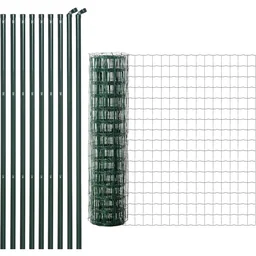
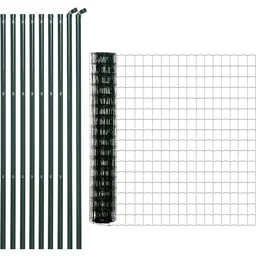
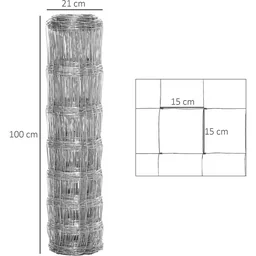
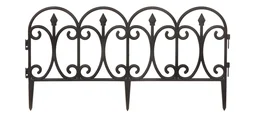
Regardless of the product you choose, the bottom edge remains the key consideration. Additional posts, fixings and protective profiles can be found in the garden equipment section.
Important note
Do not use barbed wire, and do not tension wire mesh down to ground level if this creates loops. Hedgehogs can become caught by their spines or legs. Do not simply cut off wire ends; bend them over and secure them with a smooth edge.
How do you secure gates, corners and fence ends?
Many fences are passable across their main sections but block hedgehogs at gates and property corners. Therefore, check not only the fence panels but the entire boundary. Measure the gap from the ground with the gate closed and in every position in which it is often left standing.
Gate and garden gate
A gate needs a permanent passage on a protected side. Leave at least 10 x 10 centimetres of clearance there and prevent a stop or gate catch from covering the opening. If the gate opens towards the road, move the passage to the side or rear boundary of the property.
Pay attention to automatic gates and heavy garden doors. A hedgehog can become trapped beneath a slowly closing gate if the gap is too small. Make sure the door cannot slam shut uncontrolled and that the passage remains clear after opening.
Corners, walls and changes in level
At a corner, the fence often ends at a wall or the side of a house. Do not close this connection completely if it blocks the only route between two green spaces. Run the passage along the wall and remove any mortar residue, nails or sharp fixings.
On sloping ground, the height of the passage changes with every metre. Check the lowest point after heavy rain and after adding more soil. A small step made from stone or wood can stabilise the transition, but must not narrow the passage.
Connection to the neighbouring property
Discuss the planned passage with your neighbours. Otherwise, an open route may end at the next completely closed property boundary. Several coordinated openings help hedgehogs more than many isolated passages.
For subsequent work on posts, wire and edging, you will find suitable garden tools. Work slowly and check after every repair whether new sharp edges or narrow gaps have formed.
Additional advice
Photograph the fence once a month from ground level. The images will help you spot sunken soil, overgrown passages and protruding wires more quickly than an inspection from eye level.
What does a hedgehog need besides a garden fence?
A passage only helps if the garden itself provides safe places to retreat. Hedgehogs need dense plants, leaves, branches and undisturbed areas where they can sleep during the day. Make at least one corner less tidy and leave natural materials there.
Water and food
During dry weather, put out a shallow bowl of fresh water. A heavy bowl is less likely to tip over and should be placed where the hedgehog can reach it directly. Change the water regularly and clean the bowl.
Healthy hedgehogs do not normally need extra food. Milk, bread and seasoned foods are harmful to them. If you need to care for a weakened animal, seek expert help first; you can find information and suitable products in the hedgehog food section.
Hiding places and natural routes
A hedge, pile of leaves or loosely stacked pile of branches provides shelter. Leave small, clear paths between these structures. Dense ground cover must not overgrow the fence so much that the passage becomes impossible to find.
Open compost areas attract insects but can also become traps. Secure deep containers and place boards inside as escape aids. Cover water butts, shafts and unused hollows before leaving the garden at night.
Poison, nets and garden tools
- Avoid slug pellets and chemical products when a mechanical or biological solution is sufficient.
- Remove loose nets after use or stretch them tightly and clearly above the ground.
- Check piles of leaves and brushwood before moving or burning them.
- Cover building pits, cable shafts and deep containers immediately.
- Do not use grass trimmers or brushcutters blindly in dense grass or beneath hedges.
Robotic lawnmowers pose a particular danger to hedgehogs at night and during twilight. Only let the machine run in daylight and check the lawn before starting it. Leave borders, piles of leaves and dense hedges beneath the fence as undisturbed as possible.
How can you keep a fence hedgehog-friendly long term?
A hedgehog-friendly fence needs regular checks. Soil shifts, roots grow and animals or gardening work can loosen fixings. Check the boundary after storms, frost, building work and major pruning.
Check and repair
- Check that the passage is still its original height and width.
- Remove grass, leaves, stones and mulch from the entrance.
- Secure loose posts and replace rusty or broken parts.
- Flatten protruding wire ends immediately.
- Also check the back of the fence, which is often not visible from the house.
Include children and other garden helpers in the checks. A quick look at ground level can prevent new plant baskets, boards or tools from unknowingly blocking the passage. Mark the entrance with a clearly visible notice during major gardening work.
Plan the garden as a connection
A good garden fence protects beds and pets without completely excluding wildlife. Create several passages if the plot is long or a corner blocks the route. Connect the openings with hedges, perennial plants or a narrow strip of greenery.
“It is prohibited to pursue, capture, injure or kill wild animals of specially protected species, or to remove, damage or destroy their developmental forms from the wild.”
This legal protection shows why forward-thinking fence planning is part of wildlife protection. Leave the lower edge open, keep sources of danger away and maintain the passages throughout the year. This keeps your garden fence stable, practical and accessible to hedgehogs.
Frequently Asked Questions
- How big should a passage in a garden fence be for hedgehogs?
- Leave at least approximately 10 x 10 centimetres of clear space at the bottom of the fence. The passage must be level with the ground, free from sharp edges and permanently accessible. Also check gates, wall bases and neighbouring boundaries so that the hedgehog does not get stuck at the next barrier.
- What type of garden fence is suitable for hedgehogs?
- Suitable options include fences with a smooth lower edge or a safe passage, such as wire mesh, wooden and metal fences. The material is not the key factor; the important point is the gap above the ground. Avoid barbed wire, loose nets and sharp wire ends. Secure every corner and gate.
- Can hedgehogs be fed in the garden?
- Healthy hedgehogs do not normally need food. During dry weather, provide a shallow bowl of water. In emergencies, high-quality cat or dog food without gravy is suitable; milk and bread are strictly off limits. Injured, listless or daytime-active animals should be handled by experts.
- Are robotic lawnmowers dangerous for hedgehogs?
- Yes, especially at night and during twilight. When threatened, hedgehogs do not reliably flee but roll themselves into a ball. Only let the robotic lawnmower operate during the day, check the machine and lawn, and leave piles of leaves, hedge borders and other hiding places untouched.
- How can I prevent hedgehogs from being injured by the garden fence?
- Regularly check the fence for open mesh, protruding wires and narrow gaps. Leave a clear passage at ground level instead of forcing the animal to dig underneath. Cover building pits, remove loose nets and secure water sources with an escape aid.
You might also be interested in
- Hedgehogs in the garden: Protection and help in autumn and winter
- Build your own garden fence: Colourful ideas for a child-friendly garden
- Building a garden fence: Materials, tips and instructions
- Garden fences: Neighbourhood law and design tips
- Garden fence ideas: Wood, metal or stone – the right fence
- Privacy fence: Ideas and materials for your garden