
In brief: There is no single best irrigation option. It depends on your garden. Large lawns need pop-up lawn sprinklers. Drip irrigation is more efficient for flower beds, hedges and vegetables. Manual watering with a watering can or hose remains flexible for small or varied gardens. Combining systems is often the best way to save water and give plants exactly what they need.
Garden Irrigation Systems: Which Is Best?
Are you standing there with a hose in your hand, wondering whether there is a more efficient way? Or do you return from holiday to find your beds dried out? Choosing the right irrigation system is crucial for healthy plants and lower water consumption.
We compare all the methods, from a simple watering can to a fully automatic system.
Why the Right Irrigation Can Save Your Garden
Plants need water, but not a large amount all at once. Efficient systems deliver the right amount at the right time directly where it is needed: to the roots.
Incorrect watering weakens plants, encourages weeds and wastes precious tap water. Optimal irrigation helps your garden withstand drought and saves you money.
The greatest water waste in the garden is caused by evaporation and runoff. A system that waters slowly and precisely can halve consumption.
Manual Watering: The Classic with Control
Watering Can and Garden Hose
A watering can offers maximum control for potted plants, seedlings and small beds. You can see exactly how much water each plant receives. A garden hose with spray attachments is flexible for larger areas.
The downside is the time required and the risk of only watering the surface. You have to remember to do it yourself, even on hot days.
Additional advice
Use a spray nozzle on your hose that produces soft, large droplets. A hard jet can compact the soil and damage delicate plants. A high-quality garden hose makes the job easier and lasts longer.
Advantages and Limitations
Manual watering costs little to set up. It is perfect for meeting the individual needs of different plants. However, it reaches its limits with large lawns or regular periods of absence.
Automatic Irrigation: Convenience for Lawns and Large Areas
Pop-up lawn sprinklers rise from the ground, water the lawn and disappear again. They are the first choice for large lawns that need even coverage. Oscillating or rotary sprinklers cover defined areas.
An irrigation controller manages the system. It can start watering even when you are away, at the ideal time of day.
Important note
Plan automatic sprinkler irrigation before creating a garden or installing a new lawn. Installing pop-up components requires excavation work. Professional planning prevents dry spots and overlapping coverage.
Discover a wide range of components in our Automatic Irrigation category.
What Does the Convenience Cost?
The investment is higher than for other systems. In return, precise control saves you time and water. Installation requires some DIY skill or the help of a specialist.
Drip Irrigation: Precision for Beds, Hedges and Containers
How Micro Irrigation Works
A network of hoses delivers water directly to the plants. Drippers, spray nozzles or soaker hoses release it slowly into the soil. The water penetrates deeply and reaches the roots directly.
Evaporation and runoff are minimal. This is the most efficient method for saving water in the garden.
In my trials with vegetable beds, drip irrigation reduced water consumption by 65% compared with conventional overhead sprinkling. The result was still stronger plants and higher yields.
Ideal for These Areas
Use drip irrigation in vegetable beds, beneath hedges, in flower borders and for container plants. It is also unbeatable in the greenhouse. The hoses can be laid above ground or hidden beneath mulch.
Browse our range for suitable accessories for micro irrigation.
Pro tip
Include a filter in your drip irrigation system. It protects the fine drippers from blockages caused by rust particles or limescale in the water supply. Flushing the system regularly at the end of the season significantly extends its service life.
Rainwater Irrigation: Sustainable and Free
Using a Cistern or Water Butt
A water butt or cistern collects free, soft rainwater. Plants tolerate it better than hard tap water. Watering is usually done manually with a watering can or using a solar-powered pump.
The limiting factor is the capacity. During dry periods, supplies can run low.
Practical Tips for Using Rainwater
Place the water butt in the shade to reduce algae growth. Cover it to prevent mosquitoes and keep out dirt. A raised position makes filling your watering can easier.
How to Find the Right System for Your Garden
Assessing Your Garden
Start by assessing your areas. Note the size of the lawn, the extent of the beds and the number of containers. Consider the plants' water requirements: lawns need consistent moisture, while Mediterranean herbs need very little.
Think about how much time you have and any regular absences, such as holidays.
Combining Systems Is Often the Solution
Most gardens benefit from a combination. The lawn can be watered with a pop-up sprinkler. Perennial beds can be supplied with drip irrigation. You can continue to water individual containers by hand or use individual drippers.
A central irrigation controller with multiple valves can manage all these zones.
For installing and maintaining all systems, you will find the right garden tools in our shop.
Installation and Maintenance: Keeping Everything Running Smoothly
Planning Is Half the Success
Draw a simple garden plan. Mark water connections, existing paths and plants. Define the zones for different irrigation methods. Calculate the water requirement for each zone to choose suitable pipe diameters.
Seasonal Maintenance
Drain above-ground systems and store them in a frost-free place before the first frost. Remove pop-up sprinklers and blow the water out of the lines. Clean filters and drippers. In spring, check the system for leaks and make sure the valves work properly.
A sharp, clean tool like the
is essential for this kind of precision work.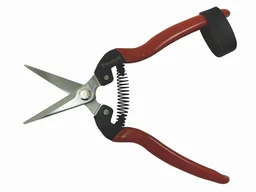
Conclusion: The best option is the solution that suits you
There is no perfect irrigation system for everyone. For a large, uniform lawn, automatic sprinkler irrigation is essential. Vegetable gardeners and those who love perennial plants can save water and time with a drip irrigation system.
Start with one zone and expand your system as needed. Whichever method you choose, you are investing in the health of your garden and making life easier for yourself.
Still looking for inspiration or the right accessories? Browse our extensive garden irrigation category for every solution, from a simple spray nozzle to professional irrigation controls.
Frequently asked questions
- How often should I water my garden in summer?
- Water less often, but more thoroughly. For most plants, watering once or twice a week is better than giving them a little water every day. Deep watering encourages deep roots and makes plants more resilient to drought. Check the soil moisture at a depth of 10 cm before watering.
- Is automatic irrigation worthwhile for a small garden?
- Micro irrigation or drip irrigation can also be worthwhile in small gardens, especially for potted plants or vegetable beds. Targeted watering saves time and water. Simple starter kits are available on a small budget. A tap timer makes any system automatic.
- Which type of irrigation is best for saving water?
- Drip irrigation is the clear leader when it comes to water efficiency. It delivers water directly to the roots, minimising evaporation and wind-related water loss. Water savings of up to 70% compared with conventional sprinkling are possible. Combine it with a soil moisture controller for maximum efficiency.
- Can I install an irrigation system after my garden has already been landscaped?
- Yes, retrofitting is easy. For underground systems, use a pipe or cable cutter to create neat trenches. Above-ground drip systems or spray sprinklers can be connected easily to a garden hose. Planning remains the most important step when retrofitting an irrigation system.
- What is the best time of day to water the garden?
- Water in the early morning. Temperatures are low, the wind is usually calm and the water can penetrate deep into the soil before the sun causes it to evaporate. Watering in the evening can encourage fungal diseases in some plants because the foliage stays wet overnight.
You might also be interested in
- Watering the garden: Tips for saving water
- Garden irrigation: Effective systems for your green oasis
- Choosing a garden pump: The ultimate guide 2024
- Garden hose systems: How to choose and maintain them for efficient watering
- Automatic garden irrigation – Easier than you think!
- Lawn sprinkler buying guide: How to choose the right sprinkler