
In brief: Most animals in your garden are neither friends nor foes, but part of a complex ecosystem. Balance is what matters. You can identify genuine pests by feeding damage, sap-sucking damage or impaired growth. A wildlife-friendly garden actively encourages beneficial insects and animals that help control pests for you. This reduces the need for chemical treatments.
Garden Animals and Pests: Friends or Foes?
Your garden is buzzing, crawling and full of flying creatures. Not every animal is a pest. Many are indispensable helpers. The key is identifying them correctly and actively encouraging the right species. A wildlife-friendly garden often regulates itself.
We show you how to assess garden pests correctly. You will learn how to identify pests and encourage beneficial insects. This helps you create a stable ecosystem with less effort.
How can I identify genuine garden pests?
A hole in a leaf does not automatically mean disaster. You need to learn how to read the signs of damage. Genuine pests weaken plants over the long term or destroy crops.
Feeding damage on leaves and shoots
Caterpillars, beetles and slugs leave characteristic marks. Butterfly caterpillars often eat their way inwards from the edges of leaves. Weevils leave semicircular notches. With slugs, you will find shiny trails of slime and large, irregular holes.
Check your plants early in the morning or in the evening. Many pests are active at night. Look underneath leaves and close to the ground as well.
Pro tip
Keep your garden tools sharp and clean. With precise shears such as the
you can remove affected shoots precisely without causing additional damage to the plant. Clean cuts heal faster.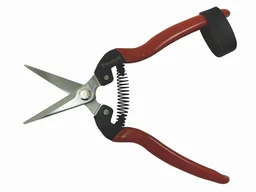
Sap-sucking damage: Invisible stress for plants
Aphids, spider mites and leafhoppers suck plant sap. You will not spot this from feeding damage. Symptoms include curled, yellow-speckled or discolored leaves. Sticky honeydew often develops, allowing sooty mold to grow.
Spider mites weave fine webs on the undersides of leaves. In severe infestations, plants wilt even though the soil is moist. These pests drain the plants of their vitality.
Mining and boring damage
Individual larvae can cause entire shoots to die back. Boring pests such as codling moths or box tree moth caterpillars burrow into fruit, stems or leaves. Externally, you often see only a small entry hole.
Leaf miner larvae tunnel between the upper and lower surfaces of leaves. These tunnels appear as pale, winding lines or patches. They damage the plant's ability to photosynthesize.
Important note
Do not mistake beneficial insects for pests. Ladybird or lacewing larvae often look voracious, but they consume large numbers of aphids. Ground beetles are not pests; they hunt slug eggs. Find out what you are dealing with before taking action.
Why are beneficial insects your most important garden helpers?
Chemicals disrupt the balance in the long term. Beneficial insects control pests sustainably and free of charge. Your job is to provide these helpers with a suitable habitat.
A diverse, wildlife-friendly garden is the best form of prevention. In a monoculture, pests can spread explosively. In a biodiverse habitat, predators and prey keep each other in check.
The top beneficial insects for every garden
- Ladybirds and larvae: A single ladybird can eat up to 50 aphids a day. Its larva is even more voracious.
- Lacewing larvae: These inconspicuous larvae are true aphid-killing machines, also feeding on spider mites and mealybugs.
- Earwigs: They hunt aphids and small caterpillars at night. Give them shelter in upturned terracotta pots filled with straw.
- Parasitic wasps: Tiny and completely harmless to people. They lay their eggs in pest larvae and stop them from reproducing.
- Ground beetles and spiders: They prey on slug eggs, caterpillars and other insects at ground level.
“A garden without insects is a sterile place. We need the hum and buzz to maintain balance. Every insect has a function, even if we do not always understand it immediately.”
How to attract beneficial insects to your garden
Plant a variety of flowers from spring to autumn. Umbellifers such as dill and fennel attract lacewings. Yarrow and cornflowers are popular with many beneficial insects.
Leave some areas wild. A pile of dead wood, a pile of stones or a layer of leaves provides overwintering shelter. Avoid broad-spectrum insecticides completely. They harm friends and foes alike.
In our range of garden and plant care supplies, you will find insect hotels and materials for creating a wildlife-friendly garden.
How can I control pests effectively and in an animal-friendly way?
Before taking action, check whether the pest population has reached a damaging level. A few aphids are no reason to panic. Nature often regulates them by itself. Only act when there is a serious infestation.
Mechanical methods: Simple and direct
Hand-picking is the oldest and gentlest method. Go slug hunting at dusk. For trees, shake affected branches over a sheet to catch caterpillars or beetles.
Blast aphids off plants with a strong jet of water. Place glue bands around fruit tree trunks to stop winter moth females from climbing up. Nets protect cabbages from caterpillars and berries from birds.
Additional advice
Good tools are essential for mechanical care and pest control. Visit our garden equipment category to find robust helpers for every gardening job.
Biological products and home remedies
Choose selective treatments. Neem oil or soft soap work against sap-sucking insects but are relatively harmless to beneficial insects such as bees when applied in the evening. Bacillus thuringiensis bacteria target caterpillars specifically.
Home remedies often have limited effects, but they can help with light infestations. A horsetail tea strengthens the plant's natural defenses. Nettle fertilizer acts as a plant tonic. Baking soda can help with fungal diseases.
For targeted treatments, the pest and plant protection section offers biological products and useful accessories.
Which animals are neutral garden residents?
Not every animal has to provide an immediate benefit or cause harm. Many are simply part of garden life, enriching it without attracting much attention.
Earthworms are essential soil builders. They aerate the soil and produce valuable humus. Ants loosen the soil and eat harmful insects, but they can also protect aphid colonies.
Woodlice break down dead organic matter. They are not pests, but in large numbers they can nibble on soft plant parts if no other food is available. Provide plenty of mulch and dead wood as an alternative.
“The healthiest garden is not the cleanest one, but the one with the greatest biological diversity. Complex systems are more resilient to disruption. Give nature some space to regulate itself.”
How do I create a wildlife-friendly garden from scratch?
A wildlife-friendly garden is no coincidence. It is the result of thoughtful planning and considerate care. You create structures that support life.
The essentials: food, water and shelter
Plant native trees, shrubs and perennials. They provide the right pollen, nectar and leaves for native insects. A wildflower meadow is a great alternative to a monotonous lawn. Leave perennials standing over winter. Their hollow stems provide overwintering sites.
Set up a shallow bird bath and clean it regularly. A small pond or boggy area attracts dragonflies, frogs and birds. These animals, in turn, hunt garden pests.
Creating habitats: from insect hotels to brushwood hedges
Do not buy a cheap, unsuitable insect hotel. Homemade or high-quality models made from a range of materials are a better choice: hardwood blocks with drilled holes, pithy stems and bricks with cavities.
A brushwood hedge made from stacked branches and garden cuttings provides nesting sites for birds and hiding places for hedgehogs. A pile of stones warms up in the sun and becomes home to lizards. A compost heap is both a natural fertiliser factory and a habitat.
Practical helpers are essential for transporting garden cuttings and materials to create these habitats. Browse our logistics and transport trolleys.
Conclusion: balance instead of eradication
Your garden is a network. Every animal has its place. The aim is not to eradicate garden pests, but to create a dynamic balance.
You identify pests early and take targeted action. At the same time, you encourage beneficial insects and animals by providing a rich range of food and habitats. This makes your garden more resilient, livelier and easier to maintain.
A wildlife-friendly garden is a gift to nature and to yourself. You can enjoy fascinating wildlife observations and harvest healthy plants. Start by allowing one corner of your garden to grow wild. The helpers will come naturally.
Frequently Asked Questions
- Which animals are beneficial in the garden?
- Important beneficial species include ladybirds and their larvae, which eat aphids. Lacewing larvae, earwigs and parasitic wasps effectively control pests. Ground beetles and spiders eat slug eggs and insects. Hedgehogs eat slugs. Encourage these animals with nesting aids, shelters and native flowering plants.
- How can I identify aphids on my plants?
- You can identify aphids by the small green, black or red insects on shoot tips and the undersides of leaves. Typical signs include curled, distorted leaves and sticky honeydew, which attracts sooty mould. Ants often follow aphids to collect their honeydew. In severe infestations, plants wilt.
- What helps control slugs in the garden without chemicals?
- Use barriers such as slug fences, copper tape or sharp-edged materials like sawdust. Collect slugs in the evening. Encourage natural predators such as hedgehogs, toads and ground beetles. Water in the morning rather than in the evening. Choose slug-resistant plants. Beer traps attract more slugs than they catch.
- Are ants harmful in the garden?
- Ants are usually not direct plant pests. They loosen the soil and eat other insects. They can become a problem when they farm aphids and protect them from predators. Their nests can also be a nuisance in lawns. Relocating them is better than trying to eradicate them. Sprinkle baking soda or cinnamon on their paths.
- How do I make my garden wildlife-friendly?
- Plant native perennials, shrubs and wildflower meadows to provide food. Create habitats with deadwood piles, stone piles, leaf litter and nesting aids. Avoid pesticides and chemical fertilisers. Leave wild areas undisturbed. Set up a shallow bird bath. A compost heap provides both a habitat and natural fertiliser.
You might also be interested in
- Insects and Spiders: The Best Helpers for Your Garden
- Effective Pest Control in the Garden: Tips & Tricks
- How Do I Create a Wildlife-Friendly Natural Garden?
- Wasps and Hornets in the Garden: How Can You Live Peacefully with Them?
- Slugs in the Garden: Beneficial or Harmful? Surprising Facts
- Year-Round Insect Protection: A Garden for Beneficial Insects