
In brief: A garden recliner should be comfortable, weather-resistant and suitable for its location. Check the seating angle, padding, material, maintenance requirements and available space. Aluminium and outdoor fabrics are suitable for less sheltered areas, while wood and plastic create a different look. Only choose features such as an adjustable backrest or footrest if you will use them regularly.
A garden recliner should be comfortable, weather-resistant and suitable for its location. Check the seating angle, padding, material, maintenance requirements and available space. Aluminium and outdoor fabrics are suitable for less sheltered areas, while wood and plastic create a different look. Only choose features such as an adjustable backrest or footrest if you will use them regularly.
A good chair can turn an unused corner of the garden into a favourite place to relax. You can read there, drink coffee, watch the weather or sit outside for a few minutes after gardening. The furniture does not need complicated features; what matters is the right combination of ergonomics, stability and suitable design.
This guide explains how to recognise a comfortable garden recliner. You will learn which outdoor furniture suits open patios, covered seating areas and small balconies, how materials respond to sun and rain, and how to keep your recliner looking good for a long time.
Why is a recliner worthwhile in the garden?
A classic garden chair supports you while sitting at a table. A recliner has a different purpose: it relieves pressure on your back, supports your arms and provides more space for your legs and shoulders. If you regularly read or take peaceful breaks in the garden, you will notice the difference within just a few minutes.
The right seating position depends on where you use it. An upright chair is enough for breakfast on the patio. For long reading sessions, the backrest can recline further. If you use the recliner in the evening, you will benefit from a deep seat, sturdy armrests and padding that does not quickly lose its shape.
Plan the space first. Measure the available area and allow for movement in front of the recliner. A reclined backrest needs more depth than an upright garden chair. On a narrow patio, the width of the armrests also matters because they can quickly restrict the passage.
Expert tip
Before buying, sit in a similar position for at least five minutes. Check that your feet reach the ground, your shoulders remain relaxed and the armrests support your forearms. A recliner that feels soft at first can provide too little support when you sit for longer.
Recliner or classic garden chair?
Your choice depends on how you plan to use it. A garden chair fits around a dining table and is usually easy to move. A recliner works well as an individual seat for quiet time, reading and relaxing in the garden. For a complete seating area, you can combine both types of furniture instead of giving every seat the same shape.
- Recliner: More support for your back, arms and legs, often with an adjustable backrest.
- Garden chair: Upright seating position, less depth and usually better suited to meals.
- Lounge chair: Deep seat and soft cushions for longer periods, but often larger and heavier.
- Folding chair: Space-saving and flexible, but usually with less padding and side support.
If you are looking for a comfortable garden chair for several purposes, do not check the appearance alone. It is important that the seat height suits the table and that your back receives enough support. For a separate relaxation area, the seating angle can be designed more strongly for comfort.
You can find a suitable selection for patios, balconies and outdoor seating areas in the Garden + Outdoor category. There you can plan your recliner as part of a larger outdoor design.
How do you find a comfortable garden recliner?
Comfort comes from several details, not from one thick cushion alone. Pay attention to the angle between the seat and backrest, the seat height, the seat depth and the support in the lumbar area. The armrests also determine whether you sit comfortably or tensely.
Which seating angle relieves pressure on the back?
A backrest that slopes slightly backwards distributes pressure better than a completely upright position. Your hips should not slide forwards when you lean back. The seat should support your thighs but end before the backs of your knees. Otherwise, pressure develops and you will constantly change position.
Test the recliner with both feet on the ground. Your knees should be approximately level with your hips or slightly lower. If the seat is too high, your legs will dangle. If the seat is too low, standing up becomes difficult, especially when the recliner has deep padding.
- The backrest supports your lower back and ideally reaches at least shoulder height.
- The armrests support your forearms without pushing your shoulders upwards.
- The seat remains stable and gives way in a controlled manner under your weight.
- Your feet rest securely on the ground or on a suitable footrest.
What dimensions does a garden recliner need?
Before buying, compare the overall dimensions with your available space. Wide armrests improve comfort but increase the total width. A deep seat feels spacious, but takes up a lot of room on a balcony or patio. Leave enough space around the recliner so you can turn it, recline it and clean it.
The seat width should suit your body size and clothing. A recliner that is too narrow restricts your freedom of movement, while an extra-wide model does not automatically provide more comfort. Also check the maximum load capacity, especially if several people will use the recliner.
With a recliner that has an adjustable backrest, you also need to allow for the rear swing area. Do not place it directly in front of a wall or delicate plant. Ideally, leave enough space between the backrest and the wall for movement and cleaning.
How important are the padding and cover?
Medium-firm padding supports your weight without making you sink into the chair. Very soft padding feels pleasant during a short test, but loses its shape more quickly. Structured filling or shape-retaining foam is better suited to daily use.
The cover must suit the location. On an open patio, it needs high resistance to light and moisture. Under a roof, you can also choose a more delicate fabric if you bring the cushions indoors in bad weather. Removable covers make cleaning easier, but often increase maintenance around zips and seams.
Important note
Do not leave wet cushions on the recliner permanently. Moisture can penetrate through seams and undersides, cause unpleasant smells and damage the frame. Stand the cushions upright in a well-ventilated place to dry. A waterproof cover placed directly over damp material traps the moisture.
Also check the edges when testing the recliner. Hard front edges can press into your thighs during extended use. A neatly tensioned cover and rounded armrests improve comfort without requiring the recliner to have particularly soft padding.
Which materials are right for your outdoor furniture?
The material determines the weight, appearance, maintenance requirements and lifespan. A lightweight aluminium armchair can be moved easily, while a solid wooden armchair creates a more grounded feel in a seating area. When making your choice, consider not only the material itself, but also the quality of the coating, the construction of the joints and the intended location.
What do aluminium, steel and plastic offer?
Aluminium is lightweight, corrosion-resistant and easy to care for. It is ideal for balconies and patios where you regularly move the chair. A powder coating protects the surface and is available in a wide range of colours. Nevertheless, check the screws and connection points, as dirt and moisture can collect there.
Coated steel is heavier and therefore offers excellent stability. This is an advantage in exposed, windy locations. Touch up damaged areas of paint promptly to prevent moisture from reaching the metal. Stainless steel withstands the elements well, but has a cooler appearance and can cost more depending on the finish.
Plastic is easy to maintain and often affordable. High-quality versions retain their shape better and fade more slowly than thin-walled models. Look for UV resistance and a sturdy construction. Plastic can become hot in strong sunlight, so a shaded spot or a lighter colour is a sensible choice.
When is wood a good choice for a recliner?
Wood brings warmth and a natural feel to the garden. Teak, acacia and other suitable woods can be used outdoors, but they require a clear maintenance plan. Depending on the finish, the colour will change with exposure to sunlight and moisture. This is not a quality defect, but a normal reaction of the material.
Only oil wood when the surface is clean and dry. Applying oil too frequently can create sticky layers and attract dirt. Also check the underside of the armrests, the feet and the points where the frame meets the seat. Water remains there longer than on smooth surfaces.
“An ergonomic seating solution must support the body while still allowing movement. That is why seat height, seat depth and back support must always be considered together.”
What role do cushions and outdoor fabrics play?
Outdoor fabrics dry faster and withstand UV radiation better than standard household textiles. Even so, no cover is permanently resistant to every type of wear. Check the care instructions and only use cleaning products approved by the manufacturer for the material. Harsh cleaners can damage coatings and fibres.
With permanently integrated cushions, good water drainage is essential. With loose cushions, a dry storage area is more important. Light-coloured fabrics show stains more quickly, while dark fabrics can heat up more in direct sunlight. Choose the colour based on the location, rather than relying solely on the catalogue image.
- Open area: Aluminium, coated steel and quick-drying outdoor fabrics are practical choices.
- Covered patio: Wood and high-quality upholstery fabric offer more design flexibility.
- Sheltered balcony: Lightweight materials make moving and cleaning easier.
For additional protection, you can find suitable solutions in the garden furniture covers category. A suitable cover extends the time between cleaning sessions, but it does not replace drying the furniture before covering it.
How do you choose design, features and location?
The best garden recliner suits how you plan to use it and the existing surroundings. A striking chair can create a focal point, but it should not dominate the entire seating area. Coordinate the frame colour, upholstery and other outdoor furniture so that the patio looks calm and cohesive.
Which design suits your garden?
Grey, anthracite and black create a modern look and are easy to combine with metal or stone. Natural shades and wood complement planted areas and warm patio surfaces. White reflects light and looks airy, but shows dust and splashes more quickly. With bold colours, a single chair is often enough to create a focal point.
Also assess the chair from behind. On an open patio, you will often see the back from inside the house. A clean frame design and neatly stretched upholstery are therefore just as important as the front view.
Which models can suit different seating areas?
- is a set of 2 Salerno recliner chairs. Two matching chairs are ideal for a small conversation area, a reading nook for two or a symmetrical patio.
- combines PU, metal and beech wood in a white 2-piece set. Measuring 49 x 47,5 x 76 cm, the compact model fits areas where space is limited.
- offers the same compact design in grey. The colour combines subtly with stone, wood and dark metal frames.
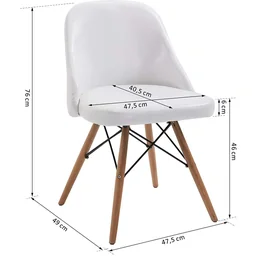
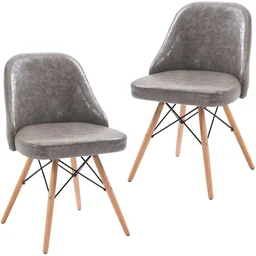
When comparing sets, consider not only the total price but also the actual space required. Two chairs need enough room between them for armrests and movement. If you plan to add a small side table later, allow space for it from the outset.
Which features are useful in everyday use?
An adjustable backrest is worthwhile if you switch between reading, conversation and reclining. It should operate smoothly and lock securely in every position. A footrest increases comfort, but requires additional space and must be stable enough not to tip over.
- Adjustable backrest: useful for changing sitting positions and long breaks.
- Footrest: practical for maximum relaxation, but only with enough room to move.
- Removable cushions: make drying, cleaning and winter storage easier.
- Stackable or folding design: saves space when the chair is not left outdoors permanently.
- Castors: make it easier to move the chair, but can sink into soft ground.
More features mean more joints, fittings and maintenance points. Only choose features you will actually use. A sturdy, simple chair can be more comfortable in everyday use than a complicated model with stiff mechanisms.
Where is the best place for a recliner?
A spot with morning sun is ideal for coffee and a peaceful start to the day. For afternoons and evenings, a shaded location is more comfortable. Trees provide natural protection, but can leave leaves, pollen and bird droppings on the upholstery. Under a solid roof, the chair stays clean for longer.
Place the chair on a level, load-bearing surface. Feet can sink into lawns, while frames dry more slowly on wet ground. After a downpour, check whether water remains underneath the chair. Small spacers or suitable patio surfacing can improve air circulation.
Additional advice
Position the chair so that you do not have to look directly into the low sun. A movable parasol or side privacy screen often improves the spot more than thicker cushioning. Test the orientation at the time of day when you use the chair most often.
Find more ideas for planning your seating area in the garden equipment category. Combine the chair there with sun protection, lighting and practical storage solutions.
How can you keep your garden recliner looking its best for longer?
Regular care keeps your recliner comfortable and prevents minor damage from becoming more serious. Remove leaves, sand and pollen promptly. Otherwise, they can act like abrasives on surfaces and collect in seams, joints and cushions.
How do you clean the frame, cover and cushions?
Start with a soft brush or dry cloth. This loosens loose dirt without rubbing it into the fabric. Then wipe the frame and armrests with lukewarm water and a mild cleaning agent. Rinse away any residue and allow everything to dry completely.
- Textile: Dab stains with a damp cloth as soon as possible; do not rub vigorously.
- PU and plastic: Use mild soapy water and wipe dry afterwards.
- Metal: Check screws, edges and the coating for scratches or rust.
- Wood: Remove dirt and treat the surface only according to the care instructions.
- Mechanism: Keep joints clean and use suitable products sparingly.
Only wash covers if the care label allows it. A wash cycle that is too hot can change their size and fit. Never leave cushions folded while they dry. Open cushions dry faster and are less likely to develop odours.
How do you store the recliner in winter?
A dry garden shed, cellar or sheltered storage room is the safest place for your recliner during winter. Clean it before storing it, allow the frame and cushions to dry completely, and do not place heavy objects on the cushions. Good air circulation prevents musty odours.
If the recliner remains outdoors, use a suitable, breathable cover. It should not seal the ground completely and must not remain permanently on damp surfaces. Check the cover after storms and heavy rain. Loose fastenings can cause abrasion or direct water into the interior.
A suitable garden furniture cover protects against dirt and precipitation. Measure the recliner's height, width and depth before buying. Covers that are too tight put pressure on the armrests, while oversized covers can flap in the wind.
“The lifespan of garden furniture depends largely on whether the material, location and care are well matched. Protection from persistent moisture is a key factor.”
What should you check before buying?
Go through the following points directly on the model or using the product details. This allows you to compare recliners based on practical criteria rather than just colour and price.
- Measure the space: Consider the external dimensions, the reclined backrest's swivel range and the space needed for movement.
- Check the seat height: Your feet should reach the ground and you should be able to stand up without momentum.
- Test the recline angle: Your back and thighs must be supported in the desired position.
- Match the material: Assess the location, sun, rain and realistic maintenance time.
- Inspect the cushions: Check the cover, seams, zips and drying options.
- Test the mechanism: Adjust the backrest or footrest several times and check for play.
- Assess stability: The frame must not wobble when you lean to the side.
- Plan winter storage: Decide in advance where the recliner, cushions and cover will be stored.
A good garden recliner combines comfortable seating with a design that suits your everyday life. Choose the material and features according to the location, measure the space carefully and factor in maintenance. This turns a piece of furniture into a lasting place to relax in the garden.
Frequently asked questions
- Which recliner is suitable for the garden?
- A recliner with a sturdy frame, weather-resistant cover and sufficient seat width is suitable for the garden. Aluminium, treated wood and durable outdoor fabrics cope with changing conditions better than delicate indoor textiles. Also check the stability, adjustable backrest and whether the cushions can be stored somewhere dry.
- What should you look for in seating comfort?
- Look for a seat angle that keeps your thighs relaxed and supports your back. The seat height should make it easier to stand up without putting pressure on the backs of your knees. Medium-firm cushioning retains its shape and is better suited to long periods of use than a very soft cushion that quickly loses its support.
- Which material lasts the longest for outdoor furniture?
- There is no one-size-fits-all answer. Aluminium does not rust and remains lightweight, wood has a warm appearance and requires regular care, while coated steel is very sturdy. Construction, surface treatment, location and cover are decisive factors. Even the best material ages faster when water remains on cushions and connections for long periods.
- How do you protect a recliner in winter?
- Clean and dry the recliner before storing it. Remove loose cushions and store them somewhere dry, well ventilated and frost-free. A breathable cover protects it from dust and precipitation when left outdoors. Check underneath regularly to prevent moisture from building up.
- Will a recliner fit on a small balcony?
- Yes, provided you measure the available space and room for movement before buying. Compact models with narrow armrests are better suited than wide lounge chairs. Leave enough room for reclining and standing up. Folding or easily movable models make flexible use of small balconies easier.
You may also be interested in
- Relaxing in the garden: How to find the perfect garden lounger
- The perfect garden chair: Materials, style and care
- Outdoor chairs: Sit comfortably and stylishly in the garden
- Choosing garden furniture: Current trends and practical tips
- How to find the perfect hammock for your garden
- Garden chair review and comparison 2026: The best models tested