
In brief: A garden shed with a flat roof has a clean, cubic shape and minimalist lines. Its timeless, modern look blends easily with many garden styles. Practical benefits include simpler construction, often lower building costs and the option to add a green roof. Professional waterproofing, such as a bitumen membrane, is essential for long-lasting protection and reliable drainage.
Garden Shed with a Flat Roof: Modern Design and Benefits
The clean lines of a flat roof transform the look of a garden shed. They create a cubic, minimalist structure with a contemporary, architectural feel. This design steps away from traditional gable roofs and makes a clear visual statement.
Flat-roof sheds are often easier to assemble. Fewer complex rafters and a level roof surface can reduce material needs and costs. The flat surface also opens up new possibilities, from easy solar panel installation to a green roof.
Pro tip
Plan for a minimum slope of around 2-5% on your flat roof. This helps water drain reliably and prevents pooling. You can create the slope by angling the supporting structure or using wedge-shaped roof battens.
When choosing materials for a modern garden shed, focus on durability and a clean look. High-quality film-faced wood panels, narrow cladding boards or metal panels all help define its style. Colors are often left natural or finished in subtle shades of gray and black.
Why a flat roof works so well
Beyond its appearance, a flat roof offers clear practical benefits. It is easy to access for cleaning and maintenance. Installing lights, satellite dishes or trellis supports is also easier.
The right tools are essential for building and maintaining a garden shed. In our Tools category, you will find everything you need. A versatile tool such as the
comes in handy for many tasks.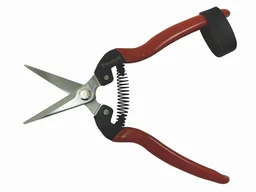
A flat roof is more than the absence of a slope. It is a deliberate design choice that puts simplicity and clarity front and center. In a garden, its calm horizontal lines bring a sense of tranquility to the space.
What is the best way to build a durable flat roof?
Flat-roof construction differs from that of a pitched roof. Load-bearing capacity comes first, especially if you plan to use the roof or it may be exposed to snow. A sturdy support structure, made from strong beams placed close together, provides the foundation.
Next comes continuous, load-bearing sheathing, usually made from water-resistant bonded OSB or film-faced panels. This provides the base for the roof's waterproofing. High-quality waterproofing is the most important factor in the roof's service life.
Specialist membranes provide reliable waterproofing. A
is a reliable option that is relatively easy to install. It is self-adhesive and has a mineral coating to protect against UV radiation.
Important note
Never overestimate the load-bearing capacity of your garden shed roof. Wet leaves and snow can place enormous weight on the structure. Follow the manufacturer's maximum load rating and clear snow from the roof.
A professional installation starts from the ground up. A solid, level and frost-resistant foundation is essential. Many garden shed models have matching floor structures, such as the
, which provides a stable, level base.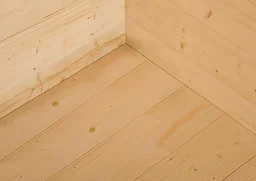
Comparing flat roof waterproofing materials
Bitumen membranes are a classic choice. They are durable, flexible and relatively affordable. Installation takes some DIY skill, whether you use a torch-on method or a self-adhesive layer.
Plastic membranes made from PVC or EPDM are a modern alternative. They are highly durable, very elastic and often root-resistant, making them ideal for green roofs. They cost more than bitumen membranes.
Liquid plastic provides seamless, custom-fit waterproofing. It can be sprayed or rolled on and bonds across the entire substrate. This work is best left to specialist contractors.
What creative uses are there for a flat roof?
The level surface is more than just a roof covering. It becomes additional usable space. The simplest option is to install a photovoltaic system to generate electricity for garden shed lighting or a small water pump.
A roof terrace transforms the garden shed into a vantage point. The structure must be designed to support the additional load. Light planting with succulents or mosses, known as extensive green roofing, is often possible even with standard garden sheds.
For all your irrigation and plant care projects, you will find inspiration and accessories in our Garden + Plant Accessories range. A good irrigation solution is also important for a green roof.
The flat roof surface is an untapped resource right above our heads. By adding greenery, we not only create a habitat for insects, but also improve the microclimate around the garden shed and slow down rainwater runoff.
Even as a simple storage area for garden furniture during winter or for potted plants that enjoy a little sun up there in summer, the roof proves useful. Always bear safety and secure access in mind.
Additional advice
If you are planning to use the roof, incorporate safe access at an early stage. A permanently installed ladder with a platform is better than an unstable leaning ladder. Make sure the surfaces are slip-resistant, especially if the roof is to be used as a terrace.
Green roofing step by step
First, check the structural integrity of your garden shed. An extensive green roof weighs around 60-150 kg/m² when wet. Is the roof strong enough to support it? The next layer is a root-resistant protection membrane over the actual waterproofing.
A drainage layer made from expanded clay or special plastic panels is then added to carry away excess water. A filter fleece prevents fine particles from the substrate layer above from blocking the drainage system.
Finally, apply a special lightweight substrate for green roofs and plant it with drought-resistant Sedum varieties, herbs or grasses. Maintenance is limited to occasional watering during prolonged dry spells and one annual inspection.
How can I integrate a flat-roof garden shed harmoniously into my garden?
The modern form calls for deliberate positioning. It works particularly well as a standalone feature when it is freestanding and visible from all sides. Showcase it as an architectural element.
The surroundings should echo its clean shape. Straight edging, geometric paving or a neatly mown lawn as a base all emphasise its character. Avoid a wild sea of flowers directly in front of it, as this can visually break up the clean lines of the structure.
Lighting adds stylish accents. A spotlight directed upwards emphasises the vertical lines of the facade. A subtle LED strip beneath the roof edge makes the roof appear to float at dusk. You will find materials for this type of electrical work in Business Supplies.
Plants can still be incorporated. Tall, slender grasses or bamboo in planters beside the shed create an attractive contrast. Climbing plants on a freestanding trellis in front of the facade soften the look without putting strain on the wood.
Colour and material combinations for a modern look
Natural wood combined with black accents is a major trend. Think anthracite-coloured window frames, black roof waterproofing or dark fittings. The wood can be given a grey stain or left to develop its natural patina.
A monochrome design in grey or anthracite looks urban and minimalist. Different materials such as wood, metal and concrete-effect finishes work well together here. A light coat of paint in white or light grey reflects the light and makes the shed appear larger.
Combine different materials purposefully. A wooden facade with a metal roof edge or a Corten steel base cladding creates depth and visual interest. The key is a well-considered overall concept with no more than two or three dominant materials.
What practical aspects should be considered before buying?
Clarify the legal requirements. Check with your local authority whether there are restrictions on building close to the boundary and whether planning permission is required. The size and, in many cases, the roof shape (flat roof vs. pitched roof) may play a role.
Decide on its main purpose. Will it only be used to store equipment, or will it also serve as a workshop or small office? Its intended use determines the required size, number of windows, insulation and electrical fittings.
Compare the quality of the construction. Look for substantial wall thicknesses (at least 28mm), sturdy corner joints (e.g. mortise and tenon joints) and a solid door fitted with quality hardware. The roof structure should feature adequately sized beams.
Think about assembly. Do you have the necessary tools and helpers? Some suppliers deliver complete packages including the floor and roof waterproofing. For all other outdoor projects, take a look at our extensive Garden + Outdoor range.
A flat-roof garden shed is a clear choice for a contemporary style. It combines minimalist aesthetics with practical benefits. With the right planning, professional waterproofing and thoughtful integration into your garden design, you can create a durable and stylish retreat.
You will find the materials for construction and maintenance, from roof membrane to precision tools, in our range. Start with a solid foundation and enjoy the clean lines of your modern garden shed for many years to come.
Frequently asked questions
- Is a flat roof on a garden shed prone to leaks?
- A professionally built and sealed flat roof is no more prone to leaks than a pitched roof. The key is to install a high-quality roofing membrane, such as a self-adhesive bitumen membrane, correctly and provide a slight slope of around 2-5% so rainwater can drain properly. Regularly checking the roofing membrane helps keep it watertight.
- Can I install a green roof on my garden shed?
- Yes, a green roof is an excellent option for many garden sheds with flat roofs. You’ll need a suitable structural design, a root-resistant waterproofing layer and a growing medium. An extensive green roof with sedum plants is low-maintenance, improves the microclimate and provides a habitat for insects. Before you start, check with the manufacturer to find out the permitted roof load.
- Which materials are suitable for the walls of a modern garden shed?
- Slim, smooth materials are often used to create a modern look. High-quality screen-printed panels (e.g. from weka) offer stability and a uniform appearance. Alternatives include narrow cladding boards made from spruce or larch with weather-resistant treatment. Aluminum or sheet steel cladding gives the shed an industrial, long-lasting look. The choice depends on your budget and preferred style.
- Does a garden shed with a flat roof require a building permit?
- Whether you need a permit depends on the size, height and local building codes in your area. Garden sheds with a volume of up to 20-40 m³ and a ridge height below 3-4 metres are often exempt from approval, provided they are a sufficient distance from the property line. Be sure to check with your local building department before buying and assembling the shed so you can plan with confidence.
- How do I care for and maintain a garden shed with a flat roof?
- Check the roofing membrane twice a year for cracks or blisters. Remove leaves and dirt from the roof and drains to prevent standing water. Treat wooden siding every few years with a protective stain or oil. Check the ventilation to prevent mold growth. You can find tools for maintenance in our garden tools category.
You might also be interested in
- Metal garden sheds: Benefits and building ideas for your home
- Build your own garden shed: Creating your dream retreat
- Painting your garden shed: How to keep it looking beautiful & protected
- Renovating your garden shed: A fresh look for your garden retreat
- Build your own tool shed: Step-by-step instructions
- Buying a garden shed: Top tips for making the right choice