
In brief: An XL garden soil sifter is useful all year round. In spring, it helps prepare seedbeds and screen compost. In fall, it supports lawn care and bed preparation for winter. Its large working surface and interchangeable mesh sizes save time and effort when sifting soil and mulch.
A garden soil sifter may seem like a simple tool, often used only for compost. But its value becomes clear throughout the gardening year. It helps create fine, crumbly soil and homemade potting mix to support healthy plant growth. From the first crocus in spring to the last falling leaf in fall, the right sifter makes a range of jobs easier and helps improve soil quality over time.
Save yourself the effort of breaking up soil clumps by hand. A sturdy, large garden soil sifter turns excavated soil, compost and soil amendments into useful, evenly textured material for beds and pots. It separates fine soil from coarse particles, creating a good foundation for everything growing in your garden.
A versatile helper for all these tasks is the Adjustable XL 2-in-1 garden sieve. With two interchangeable inserts in different mesh sizes (6 mm and 12 mm), it adapts to a range of jobs. Its generous working surface makes it easy to sift large quantities straight into a wheelbarrow.
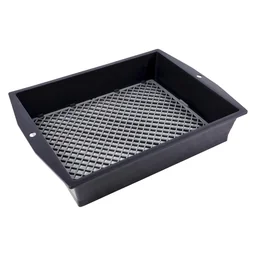
Garden soil sifters in spring: How to prepare for a great harvest
Spring is a time for new beginnings. As nature wakes up, you can lay the groundwork for the growing season ahead. This is when a garden soil sifter first proves its worth, helping turn soil hardened over winter into a loose, fertile bed.
Prepare seedbeds for a strong start
Young seedlings are delicate. To get off to a good start, they need fine, crumbly soil without obstacles. Large clods, stones or old roots in a seedbed can obstruct delicate roots and stop seeds from emerging evenly. Sift the top layer of soil in your bed to create an ideal growing environment for vegetables and flowers.
This fine layer helps seeds make good contact with the soil. That way, each seed is surrounded by moist soil and can absorb water and nutrients evenly. The result can be better germination and stronger young plants from the start. A mesh size of around 6 mm is ideal for this job.
Soil is not lifeless matter but a complex ecosystem. Every measure that improves its structure supports the life within it and, in turn, the growth of our plants.
Sift compost: Make the most of garden gold
Mature compost is one of the best things you can add to your garden. But it is rarely ready to use straight from the compost bin. It often contains coarse, unfinished material such as twig pieces or nutshells. Sifting separates the fine, mature compost from these larger pieces, leaving material ready to use in beds, pots or seed-starting mix.
Keep the coarse leftovers: they make valuable starter material for your new compost pile. They already contain plenty of microorganisms, which help speed up the decomposition of the next batch of garden waste. With an adjustable sifter like the , you can first use the 12-mm mesh to separate coarse material, then sift the finer compost again through the 6-mm mesh if needed.
How do you use a garden soil sifter in summer?
Even after the main sowing season, a garden soil sifter is a useful tool. Summer jobs focus on caring for growing plants, and a sifter can help with those too.
Make your own potting mix and mulch
Many gardeners mix their own potting soil for planters and pots, so they can tailor it to each plant's needs. A blend of garden soil, compost, sand and perhaps some rock dust becomes a loose, evenly mixed growing medium when you sift the ingredients together. Sifting breaks up clumps and distributes each component evenly.
A sifter is useful for preparing mulch, too. If you use homemade bark mulch or wood chips, sifting helps create a consistent particle size. This looks neater and helps the mulch spread evenly and break down at a steady rate. It also removes very fine particles that could make soil waterlogged and compacted in rainy weather.
Extra tip
Keep a bag of sifted soil and a bag of sifted compost in a dry place. You'll have ready-to-use material for potting a plant, filling a gap in a bed or sowing seeds without having to get the sifter out first.
Fall: Peak season for a large garden soil sifter
As the days grow shorter, one of the busiest times of year begins in the garden. Now is the time to lay the groundwork for the coming year. In fall, a large XL garden soil sifter becomes your most important partner for getting the garden ready for winter and improving the soil.
Lawn care and soil preparation
After fall lawn dethatching, the grass is often stressed. A thin layer of sifted compost and fine sand, known as topdressing, fills bare spots, improves aeration and helps the grass recover. Sifting the sand is essential to remove small stones that could damage the lawn mower. Combined with a high-quality fall lawn fertilizer, this helps create a thick, resilient lawn by next spring.
Prepare beds for winter with a protective layer
A protective layer of mature compost is the best winter protection for your perennial beds. It insulates the roots against severe frost, suppresses weeds in spring and gradually enriches the soil with nutrients. Sifting helps keep this layer loose and well aerated. It prevents waterlogging and gives soil organisms ideal conditions to stay active throughout the winter. Organic fertilizers such as horse manure pellets can be worked into the soil before you add the protective layer. Manure from horses that enjoy high-quality horse feed provides valuable nutrients for the start of the new season.
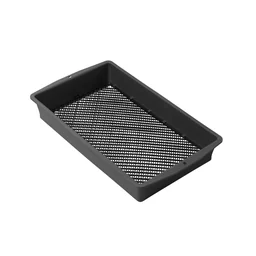
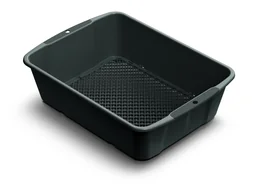
Alongside the XL model, other options are also useful for these large-scale jobs. For smaller quantities or specific tasks, models such as the 2-in-1 garden sieve or the handy RESPANA garden sieve are also suitable.
Expert tip
Put fall leaves to good use! Mix them with a shovel of sifted garden soil and a few grass clippings. The soil "inoculates" the leaves with the microorganisms they need to break down quickly. Over winter, this mixture turns into excellent leaf compost.
Why a Garden Soil Sifter Is Useful in Winter, Too
The garden may be resting, but the work doesn’t stop completely. Even during the colder months, you can put your garden soil sifter to good use and get a head start on spring.
Prepare for Growing Plants Indoors
Many gardeners start peppers, chilies or early flowers on a windowsill in late winter. For this, you need a fine seed-starting mix. On a dry winter day, sift stored garden soil or compost through the finest screen on your sifter. This gives you the perfect growing medium, ready to use when it’s time to sow your first seeds.
Sifting also breaks up soil clumps that formed in storage because of frost and moisture. The soil becomes loose and well aerated again, which is essential for germination. You can also mix in sand or perlite and sift it for better drainage.
Good gardening always starts with the soil. A tool that directly improves soil structure, such as a simple sifter, can do more for your results than many expensive fertilizers.
What Should You Look for When Buying a Garden Soil Sifter?
Choosing the right sifter depends on the size of your garden and the jobs you need to do. Three factors are key: material, size and ease of use.
Material, Size and Mesh Size
Garden soil sifters are available in plastic or metal. Plastic models are lightweight, rustproof and often less expensive. Metal sifters are stronger and more durable, but also heavier. For large amounts of compost or heavy, clay-rich soil, a sturdy metal sifter is often the better choice.
An XL sifter that fits directly on a wheelbarrow makes work much easier. You can sift large amounts without having to hold it the whole time. Models with interchangeable screens, such as the XL garden sieve, offer maximum flexibility. You only need one tool for every job, from coarse compost sifting to fine seed-starting mix.
Important note
Never sift wet, sticky soil. It immediately clogs the screen and makes the work extremely difficult. Wait until the soil has dried and is only slightly damp. It will then pass easily through the sifter, making the job much quicker.
A garden soil sifter is much more than a seasonal helper. It is an essential tool for anyone who values healthy soil and strong plants. You can use it throughout the gardening year, making it one of the best investments for your garden.
Frequently Asked Questions
- What mesh size do I need for my garden soil sifter?
- For coarse compost, choose a wide mesh (10-12 mm). For fine seed-starting mix or topdressing your lawn, a fine mesh (4-6 mm) is ideal. A sifter with interchangeable screens offers the most flexibility for all your gardening tasks.
- Can you sift wet soil?
- It is not recommended. Wet soil clumps together and clogs the sifter, making the work tiring and ineffective. Let the soil dry out a little before sifting, until it is only slightly damp and crumbly.
- What is the best way to clean a garden soil sifter?
- Remove coarse debris after each use. A stiff brush and water are usually all you need. For stubborn dirt, use a mild soapy solution. Let the sifter—especially metal models—dry completely to prevent rust.
- What can sifted soil be used for?
- Sifted soil is perfect for starting seeds, filling plant pots, improving flower beds and adding a fine top layer to lawns after dethatching. It helps roots make good contact with the soil and promotes drainage.
- Is a large XL garden soil sifter really necessary?
- For gardeners with their own compost or larger beds, an XL sifter makes the work much easier. It fits standard wheelbarrows and lets you quickly sift large amounts of soil or compost, saving time and effort.
You might also be interested in
- XL Garden Sieve 2-in-1: A Guide to Perfect Compost & Garden Soil
- Poor Soil? 7 Garden Sieve Tips for Healthy Plants
- Seasonal Gardening: When Your Garden Kneeler Is Essential
- Gardening Throughout the Year: The Perfect Time for Every Season
- When Are Garden Pegs Useful? A Seasonal Guide
- Adjustable Garden Sieve vs. Standard: Which Is Better?