
In brief: The best garden tiller for you depends on the size of your garden, soil conditions and how much physical effort you want to put in. A manual hand hoe is often enough for small beds and light soil. Medium to large gardens benefit from electric or cordless tillers. Very heavy, compacted soil or large areas call for a gas-powered tiller or garden cultivator. Our review covers the pros and cons of each type.
Spring is on the way, and with it comes work in the garden. Turning and loosening soil is one of the most strenuous tasks. A good garden tiller can take much of the work off your hands. But which tool is right for your garden beds? Our 2026 review and comparison will help you choose. We cover the options, from a simple hand hoe to a powerful motorized cultivator.
Contents
What types of garden tillers are there?
Choosing the right tool starts with the power source. It determines the tiller's performance, ease of use and suitability for different jobs.
Manual hand hoes
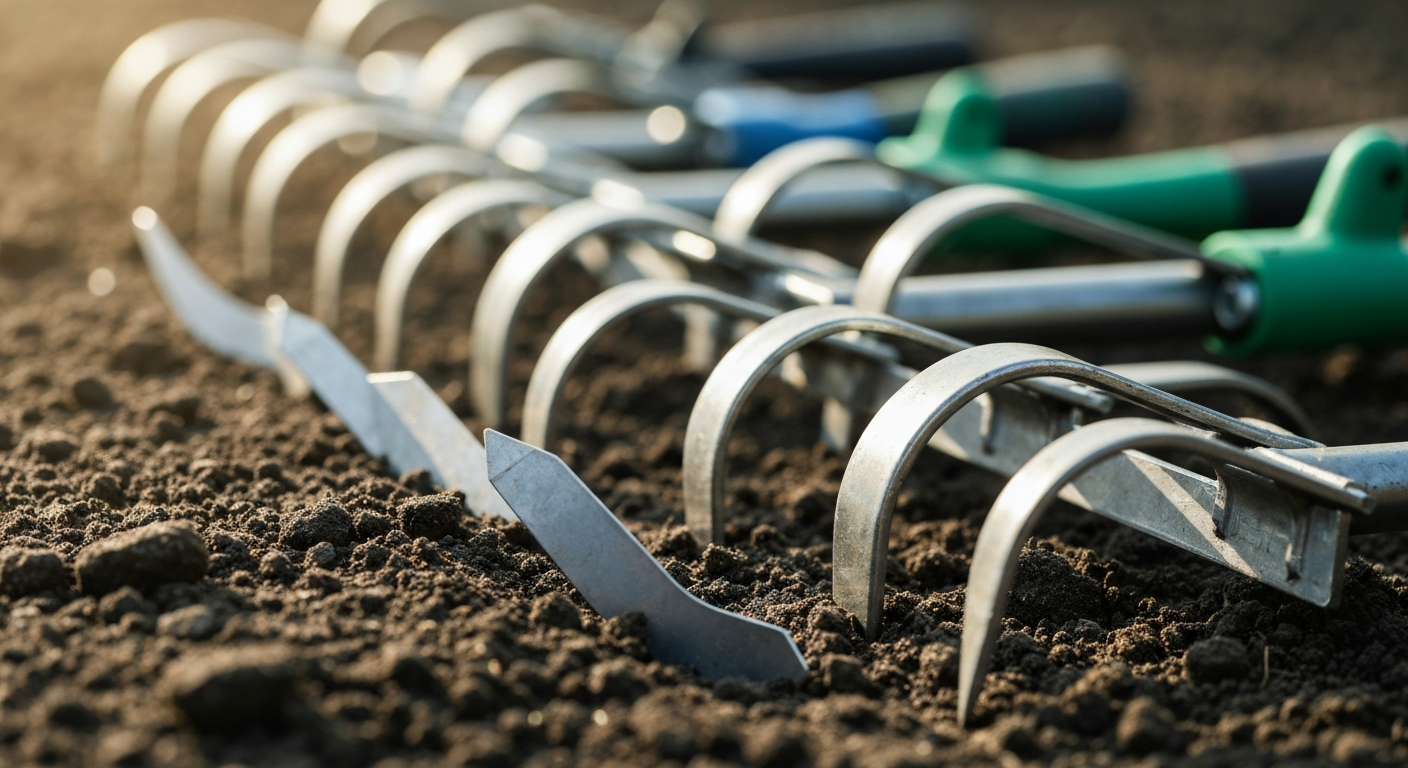
A classic cultivator or three-tine hoe runs on muscle power. These tools are affordable, low-maintenance and ready to use anytime. They're ideal for small beds, working between rows or finishing touches. On larger areas or in firm soil, the work can quickly become tiring.
Cordless garden tillers
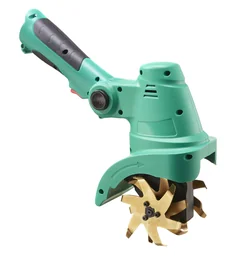
These tools offer a good balance. They're lightweight, cordless and take much of the physical effort out of the job. Their power is suitable for typical garden soil and medium-sized areas. Battery life is the main limitation. One example from our range is the Cordless Hand Cultivator X-Grubber. It runs on 10,8 Volt and gives you the freedom to work without a cord.
Electric garden tillers
Corded models deliver consistent power. Compared with gas-powered models, they're quieter and produce no emissions while running. The trade-off is the cord: you'll need a nearby outlet or a long, heavy-duty extension cord, which limits your working range.
Motor tillers and garden cultivators
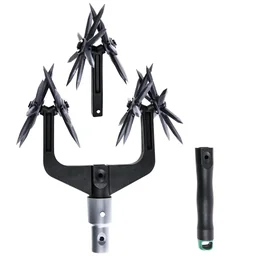
These powerful tools, often powered by gas engines, are designed for large areas or very heavy, compacted soil. They turn over and break up the soil thoroughly. A model such as the Garden Cultivator 2 in 1 is versatile. These tools are well suited to preparing new beds, but not for routine weed control.
Tip: Think about whether you need a tool just to loosen soil and remove weeds or one for more thorough soil preparation. That will help you decide between a basic garden tiller and a powerful garden cultivator.
What should you look for when buying a garden tiller?
The power source isn't the only factor to consider. Compare these technical features, too.
Working width and depth
A wider tiller covers more ground in less time. For narrow beds or working between rows, though, a narrower model is easier to maneuver. Working widths vary considerably. Look for adjustable tilling depth so you can adapt the tool to different jobs.
Weight and handling
A lightweight tool is more comfortable to guide. Heavy motor tillers can work more steadily in hard soil, but they're tiring to transport. Check the handle ergonomics. Handles should reduce vibration and sit at a comfortable height.
Power and battery life
For powered tools, the wattage of corded models or the voltage of cordless models gives you an initial indication of performance. For cordless models, battery capacity in Ah is a key factor in runtime. Batteries that work with your other garden tools are a plus.
Safety features
Look for two-hand operation or a safety switch on powered tools. Electric models should have a housing that protects against splashing water. Covers over the blades or tines are important for transport and storage.
Warning: Always wear sturdy footwear, long pants and safety glasses when using a powered tiller. Loose stones or roots can be thrown into the air. Keep children and pets at a safe distance.
Review: Manual and cordless garden tillers
In everyday use, cordless models stand out for their freedom of movement. Our review shows that compact tools can be effective, too. They loosen soil reliably and cut through weeds. However, they may struggle in very firm, clay-heavy soil. A more powerful tool or a manual hoe made from sturdy steel is a better choice for those conditions.
Manual hoes are still essential garden tools. They're a great choice for quick touch-ups or targeted weeding. Their strengths are complete independence and precise control.
Review: Electric Garden Tillers and Cultivators
More powerful tools are needed to work uncultivated areas or prepare new vegetable beds. Electric cultivators, such as the MTE370 and the MTE450, are good options. Their rotating tines can cut through stubborn weeds and small roots.

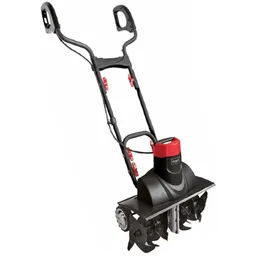
The MTE450 has a wider 450mm working width, making it more efficient in large, open areas. The MTE370 has a 365mm working width, so it’s easier to maneuver and better suited to gardens with narrow paths. Both models are powerful, corded tools that require careful handling.
Choosing between these two models depends largely on the condition of your soil. Combination systems offer a good compromise. The 2-in-1 garden tiller mentioned earlier stands out for its versatility, combining several tools in one machine.
Note: Corded electric tools require you to keep an eye on the power cord. Keep it behind you, and use a retractable cord reel to prevent tripping.
How do I till the soil properly?
Using the right technique saves energy and protects your tool.
- Prepare the soil: If the soil is very dry and hard, lightly watering it the evening before can make the job easier.
- Guide the tool: Let the hoe or tiller do the work. Don’t force it into the soil. Guide electric tools forward at an even pace with controlled movements.
- Adjust the working depth: Start with a shallow setting in hard soil, then increase the depth after the first pass.
- Work systematically: Work in rows to cover every area without going over the same ground twice.
For details on different machines, visit our garden tillers category.
Which tool is right for you?
Use this quick guide to help you decide:
- For balconies or small gardens: A manual hand hoe or small cordless cultivator is usually enough.
- For home gardens with vegetable beds: A cordless garden tiller or electric cultivator is ideal for saving time and effort.
- For large gardens or new planting areas: An electric garden tiller or heavy-duty rotary cultivator is a good choice.
- For agricultural areas or very hard soil: A gas-powered tiller is the tool for the job.
Explore our wide selection of garden tillers and cultivators.
Care and safety
Proper care can significantly extend your tool’s service life.
Remove soil and plant debris after every use. At the end of the season, inspect motorized tools and lubricate moving parts. Store batteries in a dry place at room temperature.
Always put safety first. Turn off motorized tools when transporting them or taking a break, and unplug them from the power outlet. Keep tools out of children’s reach.
Find the right equipment for all your gardening projects in our garden machinery overview. Get the gardening season started on our garden homepage.
Here’s a side-by-side look at the highest-rated garden tillers in our range:
| Model | Customer rating | Availability |
|---|---|---|
| Cordless hand tiller X-Grubber, 10,8 Volt – Battery and charger not included 🏆 Test winner | ★ 4,7 (21) | In stock |
| 2-in-1 garden tiller | ★ 4,8 (15) | In stock |
| Right-hand blade for tiller | – | Currently unavailable |
| Cordless garden tiller X-Grubber 4-in-1 - Makes weeding easier! | – | Currently unavailable |
| Electric garden tiller G | – | Currently unavailable |
Frequently asked questions
- What’s the difference between a cultivator and a garden tiller?
- A cultivator loosens the top layer of soil and removes weeds, usually with oscillating or rotating tines. A garden tiller digs deeper, turns the soil, and breaks it up. It’s designed to prepare soil before planting.
- Who can benefit from a cordless cultivator?
- A cordless cultivator is ideal for gardeners who want to work medium-sized areas without managing a power cord. It offers more power than manual tools, runs quietly, and produces no emissions. Check that the battery has enough runtime and is compatible with other tools in your system.
- Can I use a cultivator to remove roots?
- No. Cultivators are designed to loosen soil and cut weeds at the surface. To remove roots or deep-rooted weeds, use a specialized root cultivator or dig them out by hand with a garden fork.
- How do I clean and maintain my cultivator?
- After each use, remove soil and plant debris from the tines and housing. For motorized tools, regularly check that all screws are tight. Store the cultivator in a dry place. For gas-powered models, follow the manufacturer’s instructions for oil changes and winter storage.
- What should I look for when buying an electric cultivator?
- Check the power rating in W, working width, and weight. An automatic safety shutoff is important. Consider the cord length and how close you are to a power outlet. You may need a long extension cord for a larger garden.
You may also be interested in
- Garden Shredder Review & Comparison 2026
- Weed Puller Review & Comparison 2026: The Best Models Reviewed
- Earth Auger Review & Comparison 2026: The Best Models Put to the Test
- Buying Ground Stakes: The Ultimate Comparison
- Pole Pruner Review & Comparison 2026: The Best Models Reviewed
- Spade Review & Comparison 2026: The Best Models Put to the Test