
In brief: A gardening calendar organizes seasonal gardening tasks from January to December: in spring you sow and prune, in summer you water and harvest, in fall you plant and protect, and in winter you plan and maintain your tools. Soil, plant type, and weather matter more than a fixed date.
A gardening calendar brings order to seasonal gardening tasks. At a glance, you can see when sowing, planting, pruning, maintenance, and harvesting are due. At the same time, the plan remains flexible: a cold April delays planting, while a warm February speeds up new growth.
So observe the soil, weather, and plants regularly. The location is just as important as the plant type when deciding on the right time. Use this monthly plan as a practical guide, but adapt it to your region and the conditions in your garden. Find more ideas for your gardening year and outdoor projects in our relevant product range.
What should you do in January and February?
January: Check tools and protect the soil
The garden is often dormant in January, but your planning starts now. Check your seed supplies, create a crop rotation, and note which beds were heavily used the previous year. This helps prevent the same plant family from growing in the same place every year.
Inspect spades, shovels, hoes, and garden shears. Remove soil, dry the tools thoroughly, and oil moving metal parts. Sharpen blades before the first pruning jobs are due. Well-maintained basic equipment makes every later task easier. Add suitable garden tools in good time.
Avoid walking on frozen or very wet beds whenever possible. Your footsteps compact the soil and reduce air circulation. Remove only plant debris that was diseased. Healthy stems and seed heads provide food for birds and shelter for insects.
February: Prune trees and shrubs and prepare the first sowings
At the end of February, you can thin out many trees and shrubs on a frost-free day. Remove dead, diseased, or crossing branches right at the base. Prune early-flowering shrubs only after they have flowered, so you preserve their buds and an early food source for insects.
In a sheltered area, start slow-growing plants such as peppers, eggplants, and celery. Use clean seed trays, loose potting soil, and a bright location that is not too warm. Turn the containers regularly so the seedlings grow straight.
- Check cold frames, greenhouses, and raised beds for damage.
- Order seeds for vegetables, herbs, and summer flowers.
- Check potted plants in their winter quarters for dry soil and pests.
- Plan paths, the compost area, and irrigation for the coming season.
Expert tip
Keep a brief gardening journal. Record the sowing date, variety, location, start of the harvest, and unusual weather conditions. After one season, you will see which varieties grow reliably in your garden and when your beds are actually free of frost.
What gardening tasks are needed in March and April?
March: Prepare beds and sow hardy plants
As soon as the soil has dried out, clear the beds carefully. Loosen the top layer with a hoe or cultivator without turning over wet soil. Lightly work mature compost into the soil and remove perennial weeds, including their roots.
When the weather is suitable, sow radishes, carrots, spinach, peas, onions, and hardy lettuces directly in the bed. Mark the rows and varieties so you can weed confidently later. Row cover protects early sowings from cold nights and helps them get off to a faster start.
Divide vigorous perennials that have become overcrowded. Replant the divisions immediately and water them thoroughly. Also check fruit trees for frost damage and secure young shoots to sturdy stakes.
April: Harden off plants and care for the lawn
Many plants begin growing rapidly in April. Gradually acclimate young plants started indoors to sun, wind, and cooler temperatures. Place them outside in a sheltered spot during the day at first, and bring them back inside if frost is expected.
Mow the lawn for the first time when the grass blades are dry and have grown enough. Remove leaves, moss, and dead patches. Overseed bare areas, press the seed down lightly, and keep the surface evenly moist.
Perennials, berry bushes, and many trees and shrubs can now be planted. Water slowly and thoroughly after planting. A layer of mulch made from leaf compost or bark compost retains moisture in the soil and slows the growth of new weeds.
Important note
Do not plan tender plantings by the calendar alone. Late frosts can destroy young shoots and blossoms. With tomatoes, cucumbers, zucchini, and basil, wait until the local risk of frost has passed or keep row cover ready. For many plants, wet soil is more dangerous than a cool night.
For sowing, planting, and maintenance, suitable garden and plant supplies are well worth having. Clean plant pots, labels, plant ties, and a good growing medium save time later.
What does the garden need in May and June?
May: Plant after the frosts and guide growth
Once the last severe night frosts have passed, tomatoes, peppers, cucumbers, pumpkins and basil can move outdoors. Choose a warm, bright location and leave enough space between plants for air circulation. Support tall plants as soon as you plant them so you do not damage the roots later.
Mulch bare beds as soon as the soil has warmed sufficiently. Grass clippings are suitable in thin layers if they are free from seeds and not too wet. Alternatively, use mature compost or suitable organic material. Fertilise as needed, not by guesswork. Apply fertiliser for garden plants selectively and according to the crop.
Sow beans, Swiss chard, carrots, beetroot, herbs and annual flowers. Thin out seedlings that are growing too close together at an early stage. Remove small weeds before they form seeds and compete with your plants for water or nutrients.
June: Water, support and harvest
In June, beds, containers and newly planted shrubs and trees need regular checks. Water the root area slowly instead of briefly wetting the leaves. Tomatoes, cucumbers and courgettes in particular are sensitive to uneven watering. For tomatoes, remove side shoots according to the variety and loosely tie up the main stems.
Harvest lettuce, radishes, herbs, strawberries and early berries regularly. Young courgettes taste better, and the plant will continue producing fruit. Cut back faded roses and perennials if you want to encourage a second flowering.
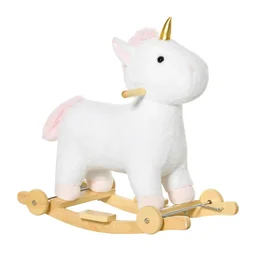
Family area in the garden: If children use the garden, plan paths, shade and a soft, obstacle-free area. For a play area, you could consider


“A garden responds to weather conditions and the stage of plant development, not to a fixed date. Check soil moisture, temperature and new growth before sowing or planting.”
How do you care for beds and lawns in July and August?
July: Use water wisely and protect your harvest
In midsummer, the water supply determines the harvest. Check the soil a few centimetres deep before watering. If it is dry at that depth, water beds, containers and newly planted shrubs and trees thoroughly. Water in the morning whenever possible so the plants can absorb water throughout the day.
Water the lawn less often but thoroughly. Do not mow it too short, as longer blades shade the soil and retain moisture. Set a higher mowing height during extended dry periods. With suitable garden irrigation, you can distribute water evenly and save trips with the watering can.
Harvest berries, beans, cucumbers, courgettes and herbs regularly. Remove rotting fruit immediately. Check cabbages, roses and fruit trees for aphids, caterpillars and fungal infections. Remove individual affected leaves early before the damage spreads.
August: Sow autumn crops and relieve plants
In August, sow lamb's lettuce, spinach, radishes, winter onions and suitable Asian greens. Keep the seed drills moist until the seedlings are firmly established. Shade sensitive young plants during very hot days.
After the first flowering, lightly cut back lavender without cutting deep into old wood. Divide spring- or summer-flowering perennials only when the soil is not dried out. Remove withered flower heads according to your garden plan, or leave seed heads for birds.
Do not empty full compost bins completely. Use mature compost in prepared beds, while coarse material remains as a new bottom layer. Mix kitchen and garden waste regularly so that air can reach the material and decomposition proceeds evenly.
Additional advice
Do not mulch directly around stems or tree trunks. Leave a few centimetres clear around the base so moisture does not remain there permanently. A loose layer five to seven centimetres thick reduces evaporation, protects the soil and allows rain to soak in more effectively.
What do you plant and harvest in September and October?
September: Harvest, divide and replant
September combines harvesting with new beginnings. Collect ripe fruit, store only undamaged produce and process surplus harvest promptly. If branches are bent under the weight, support them before they break.
Now is a good time to plant hardy perennials, berry bushes and shrubs or trees. The soil often remains warm while evaporation decreases. Loosen the planting site, mix in compost and water new plants regularly during the first few weeks.
Divide overgrown perennials after flowering. Each section needs strong roots and several healthy shoots. Remove weak or rotting areas and replant the divisions at the same depth.
October: Plant bulbs and prepare beds for winter
In October, plant tulips, daffodils, crocuses, ornamental onions and other spring-flowering bulbs. Plant them in loose soil and use the size of the bulb as a guide for planting depth. Avoid waterlogging by choosing a well-drained location or adding a drainage layer.
Clear away diseased plants completely and do not dispose of infected material in your regular compost. Healthy stems can remain in place until spring. Spread leaves thinly beneath shrubs and over beds. On the lawn, remove leaves regularly so the grass receives sufficient light and air.
Use autumn for repairs. Secure loose climbing supports, replace damaged bed edging and clean plant pots. Empty water butts or protect them from frost if the material is not frost-resistant.
How do you prepare the garden in November and December?
November: Protect against frost and store tools
In November, protect tender container plants, roses and young trees and shrubs. Move containers closer to a house wall, wrap them in insulating material and allow excess water to drain away. Evergreen plants also need some water on frost-free days in winter because they continue to lose moisture through their leaves.
Empty hoses, pumps and above-ground irrigation components completely. Clean lawnmowers, secateurs and saws, dry them and store them in a frost-free place. Keep rechargeable batteries dry and store them according to the manufacturer's instructions. This means you can start work in spring without unnecessary repairs.
Protect young fruit trees from animal damage and check supports after autumn storms. Remove wet leaves from gutters, paths and light wells. On garden beds, however, leaves can remain as a thin protective layer.
December: Plan the gardening year and let nature rest
There is little practical work to do in December. Use the time to review the past season: Which varieties produced good harvests? Where did the soil remain too dry? Which plants were too close together? Notes like these make planning for the next gardening year more precise.
Make a shopping list for seeds, compost, plant supports and spare parts. Draw new beds roughly to scale, taking paths, shade and the water source into account. Rotate vegetable families between the beds so that soil fatigue and certain diseases are less likely to develop.
When it snows, check the load on greenhouse roofs, canopies and vulnerable trees and shrubs. Carefully shake snow from sturdy branches without breaking frozen twigs. Leave sheltered habitats for animals in place and only intervene if safety or plant health is at risk.
“Leaves are not garden waste. As a loose layer, they protect the soil, support soil life and provide shelter for many animals.”
With this gardening calendar, you can plan your gardening year month by month. Move individual tasks if frost, rain or dry weather makes it necessary. By observing plants, protecting the soil and maintaining tools, you can work more efficiently and enjoy more reliable harvests.
Frequently asked questions
- What should a gardening calendar include?
- A gardening calendar includes monthly tasks for sowing, planting, pruning, watering, fertilising, harvesting and winter protection. Add regional frost dates, the location of your beds and the growth stages of your plants. This allows you to plan seasonal gardening tasks flexibly and avoid working in unsuitable weather or on overly wet soil.
- What gardening jobs need doing in spring?
- In spring, loosen the soil, remove dead plant material, divide suitable perennials and sow hardy vegetables. After the last severe frosts, plant young plants grown under cover outdoors. Check the lawn, prune early-flowering shrubs only after they have flowered and protect young shoots during cold snaps.
- How often should I water the garden in summer?
- In summer, water according to the soil, plant and weather conditions. It is better to water deeply and less often than to water superficially every day, preferably in the morning or late evening. Check the moisture five to ten centimetres below the surface before watering. Mulch reduces evaporation and extends the effect of every watering.
- What can I plant in the garden in autumn?
- In autumn, plant hardy trees and shrubs, perennials and spring-flowering bulbs. The still-warm soil supports root growth, while frequent rainfall helps plants establish. Choose frost-hardy varieties, work in mature compost and water during dry weather. Protect tender plants before the first prolonged frost.
- What gardening jobs can you do in winter?
- In winter, plan crop rotations, order seeds, check tools and repair beds, trellises or greenhouse accessories. Remove only diseased plant parts and leave healthy stems standing as shelter for insects. On frost-free days, check winter protection and water evergreen plants sparingly.
You might also be interested in
- The seasonal gardening calendar: Always the right care
- June gardening calendar: What needs doing in the garden now
- July gardening tips: What needs doing in midsummer
- August gardening calendar: What to sow, plant and care for now
- When are garden pegs useful? The seasonal guide
- Gardening in May: Your complete gardening calendar for 2024