
In brief: Garlic infusion helps deter aphids thanks to its sulfur compounds and essential oils. Chop 2-3 garlic cloves, pour one liter of boiling water over them and leave to steep for 24 hours. Strain and cool the infusion, then spray infested plants thoroughly every 2-3 days. It’s an effective, affordable and environmentally friendly home remedy.
Garlic Spray for Aphids: A Natural Remedy
You can often control aphids with ingredients from your kitchen. Garlic is one of the most effective home remedies: these tiny pests dislike its smell and tend to avoid treated plants.
Garlic infusion is affordable, environmentally friendly and easy to make. With just a few ingredients and a little time, you can protect your roses, beans and ornamental plants without using chemicals.
Expert tip
Use fresh, locally grown garlic. It tends to be more pungent and contain more essential oils than bulbs that have been stored for a long time. Choose firm cloves that haven’t dried out.
How does garlic work against pests?
Garlic contains allicin and other sulfur compounds. These substances repel aphids and can be mildly toxic to them. Aphids take in the infusion through their sucking mouthparts.
The strong smell can also mask the scent signals of the host plant, making it harder for aphids to find their food. Together, these effects help protect your plants.
The science behind it
Studies have shown that garlic extracts can have insecticidal and fungicidal effects. They can disrupt pests’ metabolism and inhibit reproduction. The effect works on contact.
The infusion is harmless to people, pets and most beneficial insects, making it a good choice for home gardens and balconies.
“Plant extracts such as garlic are an important part of integrated pest management. They act selectively, leave no harmful residues and support biodiversity.”
How do I make an effective garlic infusion?
Garlic infusion is easy to make. The quality of the ingredients and the steeping time determine how strong it is. Follow these steps for reliable results.
Ingredients and materials
You’ll need 2-3 large garlic cloves per liter of water. Chop the garlic with a sharp knife, or use a pestle and mortar or garlic press. You’ll also need a saucepan, sieve and spray bottle.
If possible, use soft water such as rainwater. Hard water can bind the active ingredients and make the infusion less effective.
Step-by-step instructions
- Prepare the garlic: Peel and finely chop it, press it or crush it with a pestle and mortar. The smaller the pieces, the more easily they release their active ingredients.
- Add the water: Pour one liter of boiling water over the chopped garlic. Stir well.
- Let it steep: Cover the saucepan and leave the infusion to steep for 12 to 24 hours. The longer it steeps, the more concentrated it becomes.
- Strain: Pour the liquid through a fine sieve or cloth. Don’t squeeze the garlic pieces, or the infusion may become cloudy.
- Apply: Pour the clear infusion into a spray bottle. Thoroughly treat the infested plants, especially the undersides of the leaves.
Important note
Test the infusion first on a single leaf or a small area of the plant. Very sensitive plants may develop discolored leaves. Wait 24 hours before treating the whole plant.
Store any leftover infusion in the refrigerator, where it will keep for about one week. Shake the bottle well before each use.
When and how should I apply garlic infusion?
Applying the infusion at the right time and in the right way improves your chances of success. Aphids reproduce especially quickly in warm, dry weather, so act early.
The best time to apply it
Spray in the early morning or late evening. The liquid will evaporate more slowly, giving the active ingredients longer to work. Avoid spraying in the midday sun.
Start as soon as you spot an infestation. That makes it easier to treat individual aphid colonies. If the infestation is severe, repeat the treatment every 2-3 days.
The right spraying technique
Spray the plant from all sides. Aphids often gather on young shoot tips and on the undersides of leaves. Hold the spray bottle 20-30 cm away.
Spray until the leaves are lightly damp, but not so wet that liquid runs off. Be sure to cover the stems and leaf axils, too.
“Consistency is key when using home remedies. A single spray may drive aphids away, but it won’t get rid of them. Repeat the treatment weekly until you see no new signs of infestation.”
To help prevent infestations, spray susceptible plants every 10 to 14 days. This is especially useful for roses, nasturtiums and beans.
Which plants benefit most?
Plants can respond differently to garlic infusion. Most vegetable and ornamental plants tolerate it well, and some may benefit beyond pest control.
Plants that are ideal for treatment
- Roses: Often affected by aphids and scale insects. The infusion helps protect young shoots.
- Beans and peas: The infusion effectively deters black bean aphids.
- Fruit bushes: Treat currants and gooseberries after flowering.
- Ornamental plants: Suitable for balcony plants such as oleanders, fuchsias and geraniums.
For more products to protect your plants, visit our plant protection category.
Be careful with sensitive plants
Very young seedlings and delicate herbs such as basil can be sensitive to the infusion. Always test it first. Take extra care with orchids and other epiphytes.
Bulb plants such as leeks and chives may respond less because aphids are used to similar compounds.
Additional advice
Add a splash of mild dish soap or soft soap to the infusion to help it stick to the leaves. Use just a few drops to avoid damaging the plant.
How can I enhance the effect?
Garlic alone may not always be enough. Combine it with other natural ingredients to make an even more effective plant spray or infusion.
Garlic and nettle liquid fertilizer
This mixture has a stronger effect and also fertilizes the plants. Add the chopped garlic to nettle liquid fertilizer while it is fermenting, then leave the mixture to ferment for 2 weeks.
Before applying, dilute the liquid fertilizer with water at a ratio of 1:10. It works well against aphids and other sap-sucking insects.
Garlic with tansy or wormwood
Tansy and wormwood contain additional bitter compounds. Pour boiling water over a handful of either herb along with the garlic. Once the infusion has cooled and been strained, it’s ready to use.
This mixture can also work against mites and some caterpillars. Be aware that it has a very strong smell.
For general protection around your property, you can find durable tarpaulins and nets in the protective nets category.
What alternatives are there for a severe infestation?
Home remedies may not be enough to control a severe infestation. Try mechanical methods and encourage beneficial insects to help manage aphids.
Mechanical control
Spray aphids off your plants with a strong jet of water. Repeat for several days in a row. On smaller plants, you can wipe them off with your fingers.
Encourage natural predators
Ladybugs, hoverfly larvae and lacewings are natural aphid predators. Plant flowers such as dill or fennel to attract them, and leave a patch of wild growth in a corner of your garden.
Insect hotels provide nesting sites. Avoid broad-spectrum insecticides to protect these helpful insects.
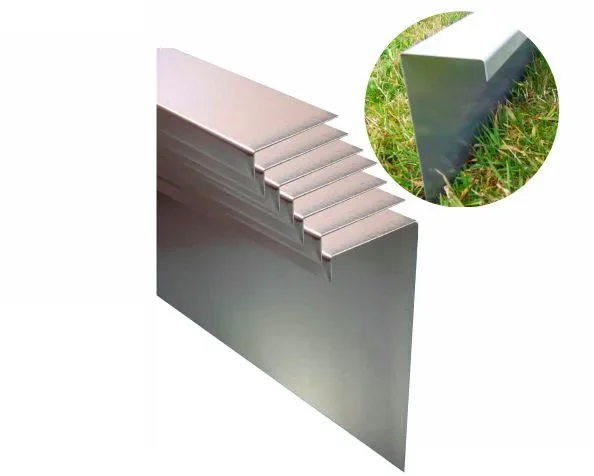
To protect ponds or stored items from leaves and pests, a
such as the 3x6m pond protection net is a great choice. Its tear-resistant, UV-stable material provides reliable protection.
How can I add garlic spray to my garden care routine?
Natural pest control works best as part of a well-rounded garden care routine. Plants grown in healthy soil are more resilient, and combining different methods can improve results.
Preventive measures
Healthy soil is the foundation of a thriving garden. Add compost and mulch your beds to nourish the soil and strengthen plants from the roots up.
Companion planting can help confuse pests. Plant marigolds among your vegetables; their roots help keep nematodes away.
Regular checks
Walk through your garden regularly and check the undersides of leaves. Remove infested shoots as soon as you spot them, and dispose of them in the trash rather than the compost.
After working in the garden, clean your paths and patios with
, the DR. SCHUTZ Floor Shine floor cleaner, for an easy clean and a fresh shine on a range of floor coverings.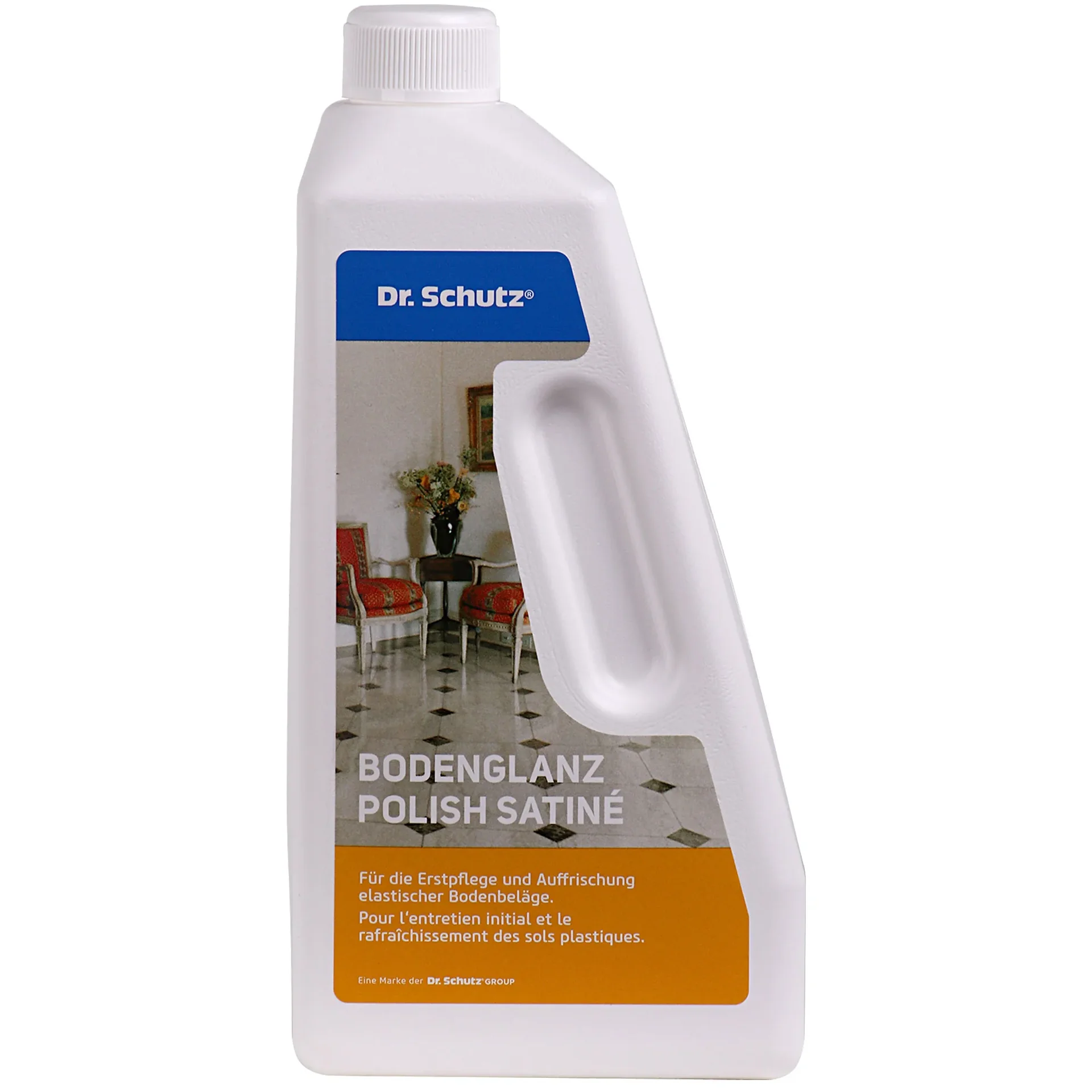
Find all the tools you need for your garden projects at the Westfalia shop.
Conclusion: Simple, effective and sustainable
Garlic spray is a tried-and-tested way to control aphids. This simple home remedy can save you money while helping protect the environment, and it takes just a few minutes to make.
Good preparation and regular application are key. Combine the spray with preventive measures and encourage beneficial insects to help maintain a healthy balance in your garden.
Start using garlic spray as soon as you spot the first signs of an infestation. It can help control aphids while protecting the beneficial insects in your garden.
Frequently asked questions
- How long does garlic spray keep aphids away?
- The effects last around 5 to 7 days, depending on the weather and rainfall. If aphids persist, repeat the treatment every 2-3 days. For longer-lasting results, combine the spray with other methods, such as encouraging beneficial insects or rinsing aphids off with water.
- Is garlic spray harmful to beneficial insects such as bees?
- When used correctly, the risk to bees is low. Spray the solution directly onto affected parts of the plant, and avoid treating plants while they are flowering. Keep it off open flowers where bees gather nectar. The spray works mainly on contact and evaporates relatively quickly.
- Can I use garlic spray to prevent aphids?
- Yes. Preventive use can help, especially on plants that are prone to aphids, such as roses or beans. Spray the plants with a diluted solution every 10 to 14 days to create a protective barrier. For best results, also keep the soil healthy and leave enough space between plants.
- Which plants are sensitive to garlic spray?
- Very young seedlings and sensitive herbs such as basil or dill may develop leaf scorch. Always test the spray on a single leaf first. It may be less effective on plants in the onion family. Hairy leaves, such as those on cucumber plants, absorb the solution less readily.
- What can I do if garlic spray isn't enough?
- Try making a stronger spray with garlic and nettles. You can also control aphids mechanically by spraying the plants with water, and encourage natural predators such as ladybug larvae. Browse our range of pest and plant protection products for more helpful solutions.
You may also be interested in
- How to get rid of aphids: Natural remedies and tips
- Control aphids naturally with lacewing larvae
- How to get rid of aphids with milk: A natural remedy
- Make your own mosquito spray: Natural protection for your garden and home
- Natural aphid control for lovage
- How to get rid of aphids on hibiscus with home remedies