
In brief: Make your garden look its best by creating clear structure, adding focal points and building visual depth. Play with contrasts in shape, color and materials. Give paths and beds clean, crisp edges. Add carefully chosen accents with distinctive plants or decorative elements. A well-thought-out plan is the foundation of successful garden design.
Garden Design: How to Make Your Garden Stand Out
An inspiring garden doesn’t happen by accident. It takes a clear vision. Guide the eye, create atmosphere and define distinct spaces. These tips show you how to make your garden look its best with a few thoughtful choices.
How do I plan the basic structure of my garden?
Start with a simple layout. Mark the features already in place: your house, patio and large trees. Then decide which areas you need, such as a seating area, a vegetable garden and a lawn for playing.
Connect these areas with paths. Straight paths look formal and offer a direct route. Curved paths spark curiosity and can make a garden feel larger. Think in terms of outdoor rooms, not just separate areas.
Pro tip
Use a garden hose or sand to mark out paths and beds before you build them. This lets you see how the proportions look in your yard and make adjustments before anything is installed permanently.
The best plan is only as good as the tools you use to put it into action. Find everything you need in our garden tools category.
Preparing the soil and beds
Healthy soil is the foundation of a thriving garden. Loosen compacted soil deeply with a digging fork. Mix sand into heavy soil and compost into sandy soil. This work pays off in healthier growth down the line.
Which visual effects make the garden look bigger?
Visual depth is key. Create it with layers: place tall features at the back and shorter plants at the front. Use large leaves in the foreground and finer textures in the background.
Try creating a sense of perspective. Make a path gradually narrower as it leads toward the edge of your yard. The eye follows the line and perceives more distance. A round focal point at the end, such as a sculpture or bench, strengthens the effect.
“The art lies in keeping things simple. One strong focal point with plenty of contrast makes a bigger impact than ten different accents. Everything else should provide a calm backdrop.”
Mirrors can be a powerful design feature. A weatherproof mirror on a side wall reflects light and creates the illusion of another garden. Position it to reflect greenery, not a garbage can.
Using colors and contrasts effectively
Keep your color palette limited. A garden in shades of white and blue feels elegant and serene. A bed of warm red tones makes a bold focal point. Cool colors (blue, violet and silver) seem to recede, while warm colors (red, orange and yellow) appear to come forward.
Important note
Always check plant colors in natural daylight. The color on a plant label or website can look quite different on your monitor. Visit a garden center before buying plants for a larger planting project.
How do I create carefully chosen focal points?
A focal point is a feature that draws the eye. It could be a plant, a distinctive stone, a water feature or a piece of furniture. Place it where the eye naturally travels, such as at the end of a path or across from the patio door.
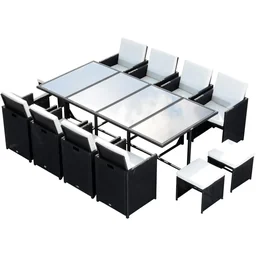
Frame your focal point. A striking specimen plant stands out best in front of a simple hedge or house wall. If you want a seating area to take center stage, consider an option such as
.
Lighting sets the mood after dark. Use a focused spotlight to illuminate your focal point from below, and let the rest of the garden fade into twilight. This draws attention exactly where you want it.
“A garden needs moments of surprise. A hidden seating area around a bend, or a fragrant plant beside the path that you notice only as you walk by—those are the things you remember.”
For projects involving lighting and other equipment, explore our garden equipment.
Adding accents with garden accessories
Less is more. One large, beautiful terracotta hanging planter makes more of an impact than ten small, colorful pots. A rusty metal bird among ornamental grasses tells a story. Let accessories weather naturally—patina gives them character.
Why do crisp edges make such a difference?
A lawn with ragged edges looks untidy, no matter how short you mow it. A sharp, clean edge between the lawn and flower bed adds structure and order right away. It’s the finishing touch for your garden.
You need the right tools for the job. A lawn edger gives you a precise cut. Flexible lawn edging makes the job even easier, such as
. Push it into the ground for a durable, clean border.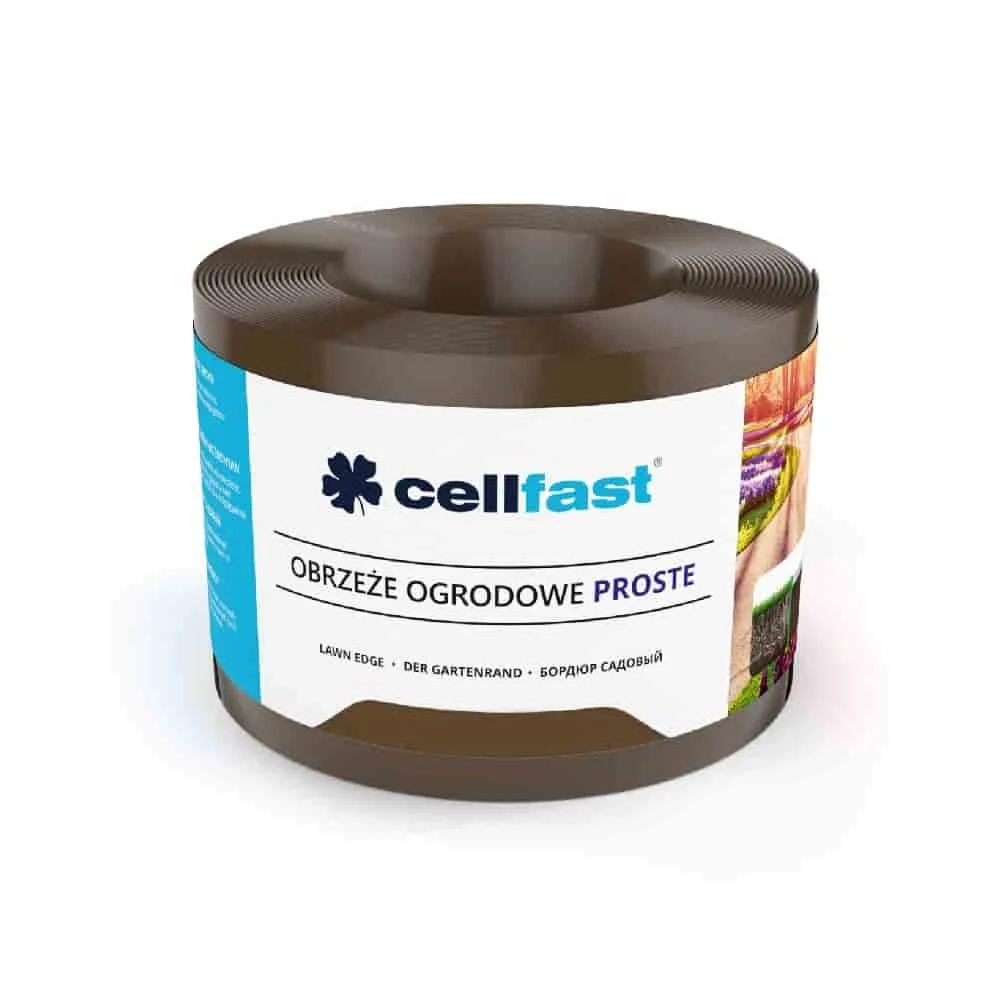
Additional advice
Trim the lawn edges before mowing. This gives you a clear line to follow, makes for a clean cut and helps keep the mower out of the flower bed.
Clean lines matter throughout your design. Neatly trimmed hedges and topiary also make a big difference. A sharp, versatile tool such as the
is ideal.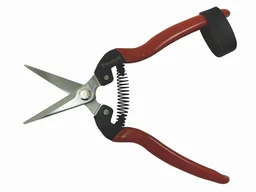
Hedges and privacy screens as a frame
Hedges act as the walls of your outdoor rooms. A trimmed boxwood ball adds shape, while a tall hornbeam hedge creates privacy. For a durable, low-maintenance option in shady spots, high-quality artificial hedges may also work well.
Find the right products to care for your garden’s green framework in our garden and plant accessories range.
How can I maintain the look I've created?
Even the best garden design can lose its appeal without regular maintenance. Develop a simple routine: mow the lawn and trim the edges weekly, remove faded flowers as needed, and add fresh mulch to your garden beds each year.
Invest in durable, high-quality tools. They make garden work easier and more precise. Sharp pruning shears make clean cuts without crushing plant stems. Store your tools clean and dry.
Don't think of maintenance as a chore; it's part of enjoying your garden. Time spent pruning and weeding is also a chance to explore and observe your garden.
For storing leaves and garden clippings, we offer practical garden waste bags.
Your garden through the seasons
Plan for year-round appeal. Combine spring bulbs with perennials that bloom in summer and ornamental grasses that add structure in fall and winter. This gives your garden a distinct look in every season and keeps it turning heads.
Frequently Asked Questions
- How can I make a small garden look deeper?
- Use optical tricks. Place large, bold plants in the foreground and smaller, lighter-colored ones farther back. Narrowing paths create the illusion of depth. A mirror at the back of the garden or a water feature as a focal point can make the space look larger.
- What garden tools do I need for basic garden design?
- Essential tools include a spade for digging and planting, a garden fork for heavy soil, a sturdy shovel, and pruning shears for shaping plants. For crisp edges and neat borders, a lawn edger or flexible lawn edging such as PRODUCT_10852 is ideal.
- How can I add affordable features to my garden?
- Choose one plant with spectacular flowers as a focal point. Repurpose old containers as planters. A homemade trellis made from willow branches draws the eye. In the evening, use a solar light to highlight a special stone or tree.
- Why are clean edges so important in garden design?
- Crisp lawn edges and clearly defined borders give a garden a neat, professional look right away. They keep grass from spreading into flower beds and define the garden's structure. It's one of the simplest ways to make a big impact.
- Can artificial plants help create an attractive garden?
- Yes. High-quality artificial plants, such as artificial hedge panels, can provide permanent, low-maintenance privacy screening in difficult locations. Choose UV-resistant models and use them sparingly alongside real plants to keep the overall look natural.