
In brief: Germany’s Building Energy Act (GEG) requires newly installed heating systems to run on at least 65 % renewable energy. There is no immediate ban on existing gas heating systems. The main alternatives include heat pumps, biomass heating systems (pellets), solar thermal systems, and connection to a district heating network.
The way we heat our homes is undergoing a fundamental change. Germany’s Building Energy Act (GEG), often called the “Heating Act,” is starting the transition away from fossil fuels. For homeowners with gas heating, this raises many questions. There’s no need to panic, but there are good reasons to get informed and plan ahead.
This isn’t an immediate ban on functioning heating systems. Instead, the transition will happen gradually. If you install a new heating system, it must run on at least 65 percent renewable energy. This article explains the new rules, introduces the best alternatives, and shows you how to prepare your home for a more sustainable future.
What exactly does the new Heating Act (GEG) say?
The core of the GEG is the 65-percent rule: every newly installed heating system must run on at least 65 percent renewable energy. The rule has applied to new buildings since January 1, 2024.
For existing buildings, the rule’s introduction is closely tied to municipal heat planning. Large cities must submit their plans by mid-2026, while smaller municipalities have until mid-2028. Once your municipality has a heat plan, the 65-percent rule also applies when you replace your heating system. Until a heat plan is in place, you can still install a gas heating system, provided it can be converted to hydrogen (“H2-ready”).
Important: You don’t have to remove a functioning gas heating system. Repairs are still allowed. However, if your system fails and can’t be repaired, transition periods of up to five years apply. During that time, you can install a temporary solution before switching to a renewable system.
With the new Building Energy Act, we are creating a gradual and socially responsible transition to heating with renewable energy. In doing so, we are establishing a clear and reliable framework for climate protection in the buildings sector.
What alternatives to gas heating are available for my home?
There’s a wide range of heating systems powered by renewable energy. Each technology has its own strengths and suits different buildings and needs. Here’s an overview of the main options.
Heat pumps: Efficient and environmentally friendly
Heat pumps are a leading technology in the energy transition. They draw heat from the outside air, the ground, or groundwater and use electricity to heat your home. One kilowatt-hour of electricity can produce three to five kilowatt-hours of heat, making heat pumps especially efficient.
There are several types. Air-to-water heat pumps are the easiest to install, while brine-to-water (geothermal) and water-to-water (groundwater) heat pumps are even more efficient but require more complex installation. Modern heat pumps operate reliably even in below-freezing temperatures and provide a complete heating solution.
Biomass heating: Pellets, logs & wood chips
Biomass heating systems burn renewable fuels such as wood pellets, logs, or wood chips. They’re considered CO2-neutral because burning them releases only as much carbon dioxide as the tree absorbed while growing. Pellet boilers operate fully automatically and offer a level of convenience similar to gas heating.
The main drawback is the space required. You’ll need room to store pellets or logs, and you’ll also have to dispose of the ash regularly. Fuel prices can fluctuate, but they’re often lower than gas or oil prices.
Solar thermal: Solar energy for heating and hot water
A solar thermal system uses roof-mounted collectors to capture the sun’s energy. A frost-proof fluid is heated and carries the heat to a storage tank in the basement. From there, the heat is used to produce hot water or support your heating system.
In our climate, solar thermal isn’t enough to heat a home on its own. However, it’s an ideal supplement. Paired with a heat pump or pellet heating system, it can significantly cut energy use and costs, especially during spring and fall and in summer.
Connecting to a heat network (district heating)
In many urban areas, connecting to a district or local heating network is a convenient alternative. Heat is generated at a central plant, often through combined heat and power generation or industrial waste heat, and delivered to your home through a network of pipes. You won’t need your own boiler, chimney, or fuel storage room. The switch is usually straightforward, but you’ll be tied to the local provider.
Heat pumps can also operate efficiently in older, unrenovated buildings. Careful planning and adjustments to the heating system are crucial, for example by replacing individual radiators to lower the flow temperature.
How do I find the right heating system for my building?
There’s no single perfect solution for everyone. The right heating system depends on many factors. Carefully assessing your home is the first and most important step toward making a future-ready, cost-effective choice.
Check the following:
- Condition of the building: How well insulated is your home? An older, poorly insulated home needs a lot of heat. You may need to upgrade the building envelope first or install a more powerful heating system.
- Heat distribution system: Do you have underfloor heating or large radiators? These work at low flow temperatures and are ideal for heat pumps. Smaller, older-style radiators often need higher temperatures, which reduces heat pump efficiency.
- Available space: Do you have room in the basement to store pellets, or a suitable spot in the garden for the outdoor unit of an air-to-water heat pump?
- Budget: How much can you invest? Consider the purchase price as well as available government grants, which can significantly reduce your upfront costs.
Expert tip
Try this simple test to see if your home is suitable for a heat pump. On a cold winter day, set the maximum flow temperature of your old heating system to 50-55 °C. Turn all thermostats all the way up. If your home still reaches a comfortable temperature, the conditions for efficient heat pump operation are very good.
Costs and Grants: How Much Does a Heating System Upgrade Cost?
Upgrading your heating system is a significant investment. Costs vary widely depending on the system you choose and your property’s requirements. An air-to-water heat pump for a detached house costs between 15.000 and 35.000 euros, including installation. A pellet heating system falls within a similar or slightly higher price range.
To make the switch easier, the government offers substantial grants for heating system replacements through the Federal Funding for Efficient Buildings (BEG) scheme. The basic grant for switching to a heating system powered by renewable energy covers 30 percent of the investment costs. Anyone who replaces their old fossil-fuel heating system especially quickly may receive an additional “speed bonus” of up to 20 percent. Households with lower incomes may qualify for a further bonus. Overall, grants are capped at a maximum of 70 percent of the costs.
Important note
Always apply for government grants before hiring contractors. Applications submitted afterwards are generally not accepted. Ask your contractor or an energy consultant to help with the application.
What Can I Do Now to Improve Energy Efficiency?
Even if you are not ready to replace your heating system, simple steps can help you save energy and money right away. Every kilowatt-hour saved benefits both your wallet and the environment.
Insulate Heating Pipes Properly
Heating pipes in many basements are left uninsulated. They constantly release heat into the cold basement air—energy that never reaches the living areas. Insulating heating pipes is one of the most effective and affordable measures. With pre-made insulation sleeves from specialty retailers, you can easily do the work yourself.
Balance Your Heating System
Do your radiators gurgle, or do some stay cold while others get very hot? Your system may not be properly adjusted. Having a professional balance your heating system ensures that hot water is distributed evenly throughout your home. This improves comfort and can save up to 15 percent in energy.
Temporary and Supplemental Heating Solutions
For rarely used spaces such as workshops and garages, or during renovation work, portable heaters can be a useful addition. A portable gas heater such as the
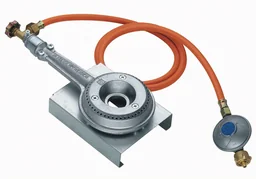
provides quick, targeted heat without having to turn on your central heating. You’ll also find specialized equipment for hobbies and outdoor activities in Garden + Outdoor, including BBQ + Smoking products such as the .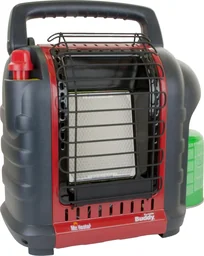
Additional advice
Every heating system, old or new, needs regular maintenance to operate efficiently and safely. Check all components regularly for leaks and proper operation. Even small leaks in water-based systems can lead to bigger problems. Specialist products such as the
can provide a quick fix for minor leaks in closed-loop systems, but they are no substitute for professional repairs.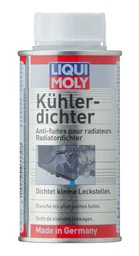
Switching to renewable heating is an investment in the future and in your property’s value. Start planning early. Take advantage of available advice and grants to find the right sustainable heating solution for you and your home. Explore the wide range of products in Plumbing + Irrigation to help with maintenance and upgrades.
Frequently Asked Questions
- Do I have to replace my working gas heating system right away?
- No. Existing, working gas heating systems may continue to be used, and repairs are also permitted. The new rules under Germany’s Building Energy Act (GEG) mainly apply when a completely new heating system is installed, once the municipal heating plan for your local authority is available.
- Is a heat pump suitable for an older home?
- Yes, in many cases. The key factors are your heating system’s flow temperature and your home’s insulation. Energy-efficient upgrades or replacing radiators can improve efficiency. An energy consultation can help determine whether a heat pump is right for your older home.
- What happens if my gas heating system breaks down before a heating plan is available?
- If your heating system fails beyond repair, transitional periods apply. You can temporarily install another gas heating system that can also run on hydrogen (H2-Ready). From 2029, you will then have to gradually use an increasing proportion of renewable gases such as biomethane.
- How much government funding can I get for a new heating system?
- The basic grant covers 30 % of the investment costs. Additional bonuses may also be available, such as a 20 % speed bonus for replacing your system early. For single-family homes, the maximum grant is capped at 70 % of costs and an investment amount of 30.000 euros.
- Can solar thermal energy heat my home by itself?
- In Germany, a solar thermal system alone usually cannot heat a home all year round. However, it can be an excellent addition to another heating system, such as a heat pump or pellet heating system, and can significantly reduce the energy used for hot water and heating.
You may also be interested in
- Heating Act 2024: What the oil heating ban means for your home
- Find the right heating system for your home
- Heat pumps: The climate-friendly alternative to gas heating
- Choosing a gas heating system: Top models and types
- Heat pump vs. gas heating: Which heating system is right for you?
- Heating systems for your home: Costs and efficiency compared