
In brief: A gas hybrid heating system combines a gas condensing boiler with a renewable energy source such as a heat pump or solar thermal system. It cuts heating costs and CO2 emissions, uses the efficiency of both systems, and provides a high level of energy security. The investment is higher than for a gas-only heating system, but government funding and ongoing savings make it an attractive option.
Gas Hybrid Heating: Costs, Benefits and Installation
Are you planning to replace your old heating system and looking for an efficient, future-ready solution? A gas hybrid heating system combines proven gas technology with renewable energy. This lets you maximize efficiency and reduce your dependence on fossil fuels. This article explains how the technology works, what it costs, and what to consider when arranging installation.
How does a gas hybrid heating system work?
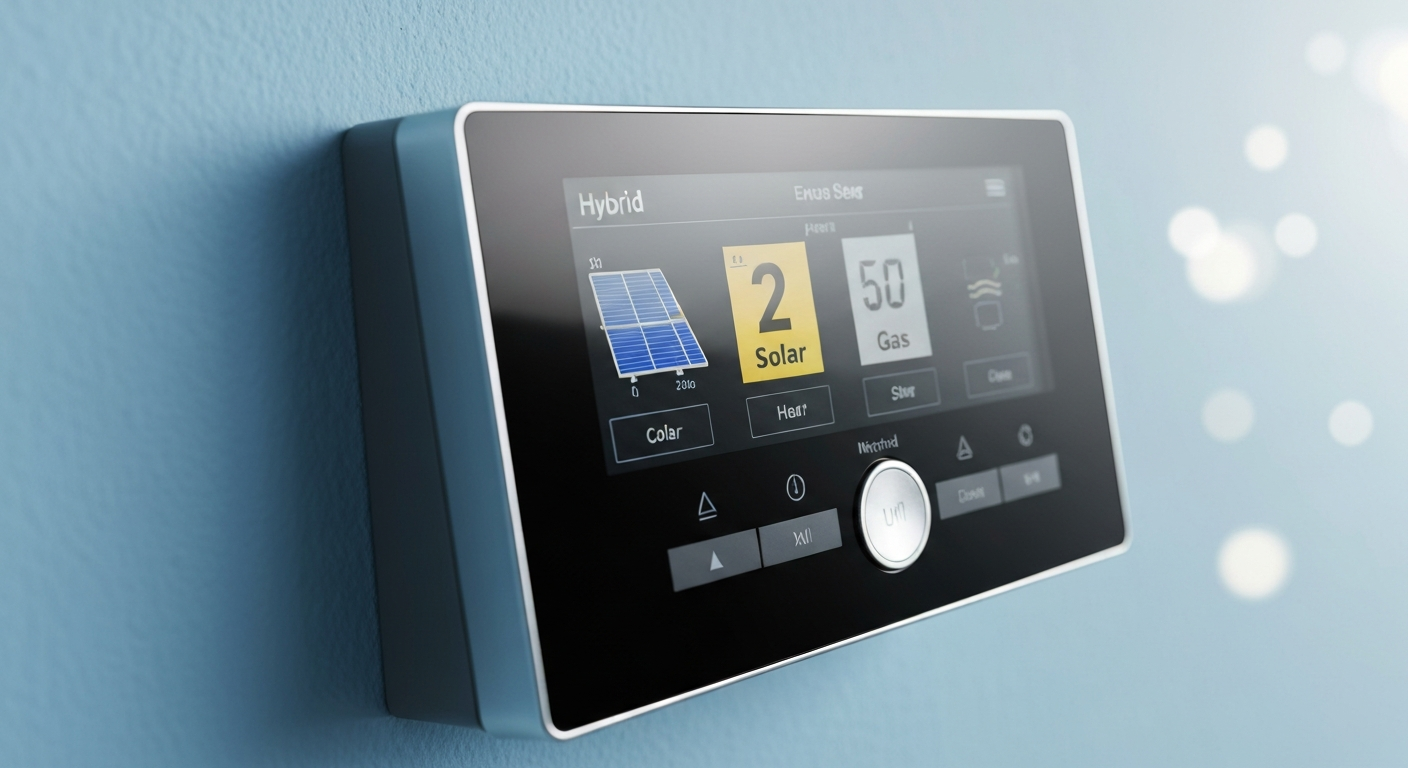
A gas hybrid heating system consists of two heat generators: a gas condensing boiler and a second, renewable component. The intelligent control system automatically decides which system to use. It always selects the most economical and environmentally friendly heat source.
The role of gas condensing technology
The gas condensing boiler is the high-performance partner in the system. It operates efficiently by also using the energy contained in the exhaust gases. It reliably supplies the required heat during extremely cold outdoor temperatures or for rapid hot water production. It ensures the energy supply when the renewable component reaches its limits.
Renewable partners: heat pump & solar thermal
The second component extracts heat from the environment. An air-to-water heat pump draws energy from the outside air. A solar thermal system uses sunlight. Both systems are particularly efficient in mild temperatures and then cover most of the heat demand. During this time, the gas heating system remains largely switched off.
“The strength of hybrid heating lies in its flexibility. It combines the advantages of both technologies while compensating for their respective weaknesses. The result is a robust, efficient, and future-ready system.”
What are the specific benefits of this heating system?
You are not just investing in a new heating system. You are investing in efficiency, independence, and security for the future. The benefits come from combining the technologies intelligently.
Lower costs and greater energy efficiency
You can significantly reduce your heating costs. The renewable component covers up to 70% of your annual heat demand. As a result, you use less gas. The high efficiency of condensing technology provides additional benefits. Rising energy prices can also shorten the payback period for your investment.
CO2 reduction and eligibility for funding
You can reduce your CO2 emissions by up to 40% compared with a gas-only heating system. This means you already meet upcoming legal requirements. This environmental benefit makes the system eligible for funding. The Federal Funding for Efficient Buildings (BEG) supports you with substantial grants.
Expert tip
Always ask an energy consultant to calculate the cost-effectiveness of your planned hybrid heating system for your home. They can simulate different combinations and load profiles based on your specific needs. This helps you find the right size for the components and avoid costly oversizing.
What does a hybrid heating system cost?
The investment consists of several items. The purchase costs are higher than those of a single-system solution. In return, you receive government funding and save on running costs over the long term.
Purchase and installation costs in detail
The equipment alone costs between 15,000 and 25,000 euros. You also need to cover installation costs for two heat generators, a buffer tank, and the complex control technology. These amount to 5,000 to 10,000 euros. The total investment therefore ranges from 20,000 to 35,000 euros. Accurate plumbing and heating planning is essential.
Take advantage of government funding
Through BEG funding, you can receive a grant of up to 40% of the eligible costs. This requires the involvement of an energy efficiency expert before and after the renovation. The application must be submitted before the work begins. The funding significantly improves cost-effectiveness and shortens the payback period.
“Many homeowners underestimate the ongoing savings. A well-adjusted hybrid heating system can reduce annual heating costs by 30 to 50 percent. In an older building using 2,500 liters of heating oil, that can quickly amount to 1,000 euros or more per year.”
How is a gas hybrid heating system installed?
Installation is complex and requires careful planning. It involves several stages, from assessing the existing system to commissioning the new one.
Planning and choosing a qualified contractor
Start by consulting an independent energy advisor. They will assess your home, calculate its heating requirements, and create a renovation plan. Use this as the basis for choosing a qualified heating and plumbing contractor. Ask for references from completed hybrid heating projects. A detailed quote with a fixed total price is essential.
Important note
Installing the heat pump component is subject to German refrigerant regulations. The contractor must be certified and perform leak checks. Ask for proof of the required expertise under Section 5 of the German Chemicals Climate Protection Ordinance. This helps ensure safe, legal operation.
Building work and materials
Installation begins with removing the old heating system. The installers then fit the new gas condensing boiler and buffer tank. For the connections, you need high-quality fittings and pipe unions. When installing the heat pump or solar collectors, make sure they are positioned to minimize vibration and are properly aligned.
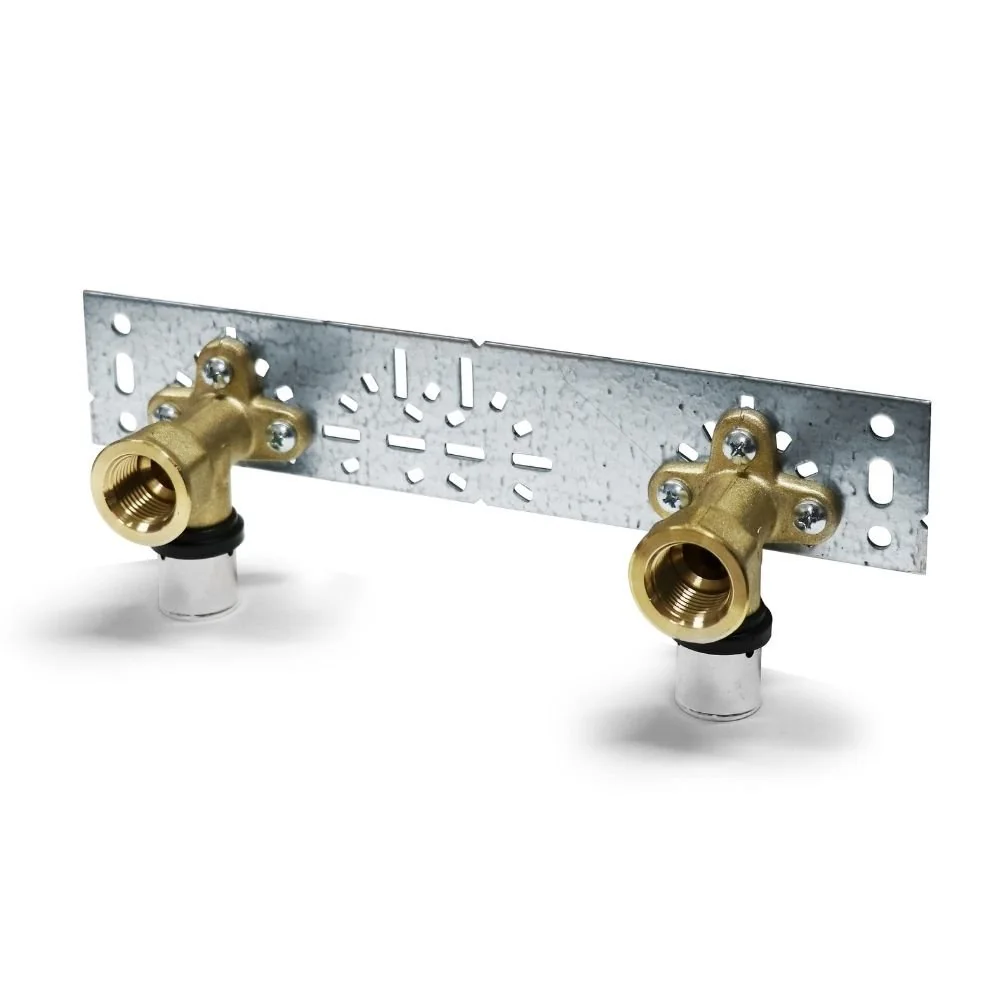
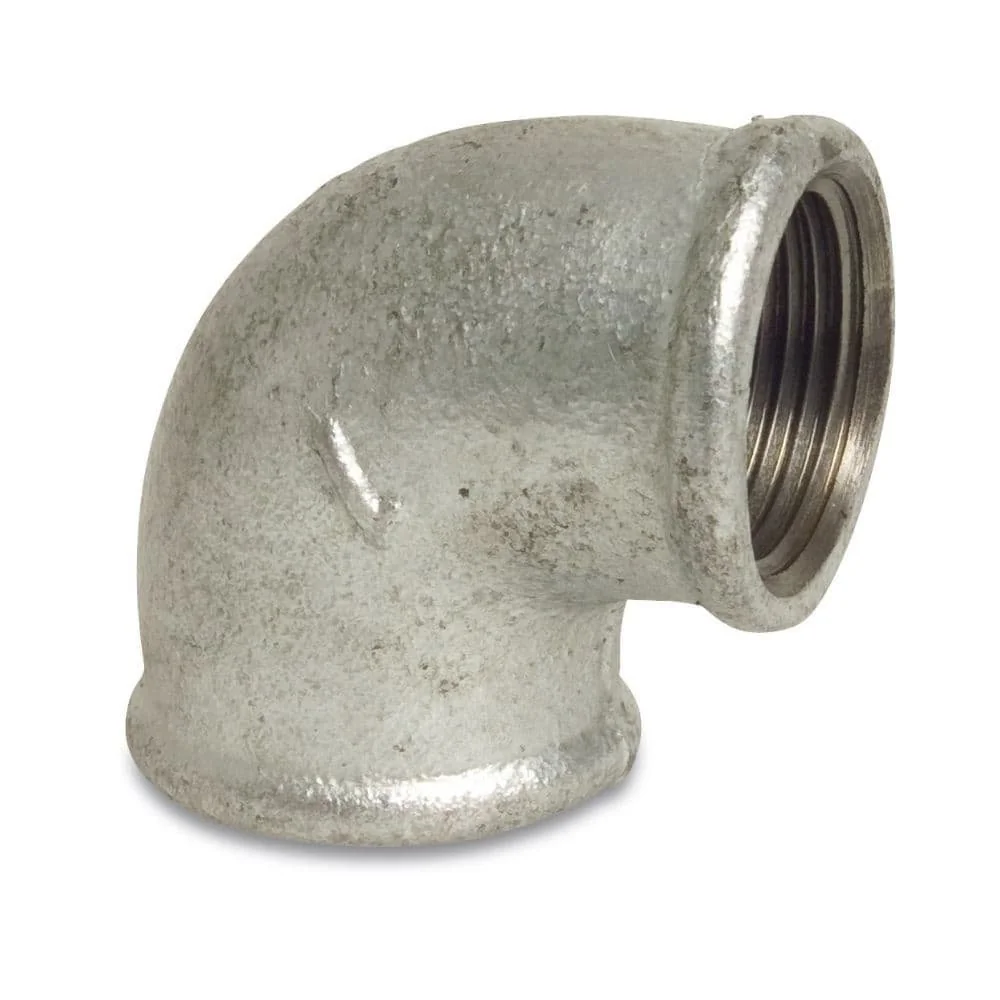
Proper sealing is essential for gas and water lines. Products such as threaded fittings require reliable sealing material. Special
is suitable for threaded connections on the gas boiler. For pipe connections in the heating circuit, is often used. Sturdy are essential for wall-mounted installations. Equip every connection with suitable fittings, such as .

Additional advice
Thoroughly insulate all newly installed heating pipes. Pipe insulation prevents heat loss in the basement and other unheated areas. This noticeably improves system efficiency and reduces standby losses. Good insulation can pay for itself in just a few heating seasons.
Commissioning and hydraulic balancing
After installation, the contractor fills the system with water and thoroughly vents it. Hydraulic balancing is the most important step for efficiency. It ensures that each radiator receives exactly the amount of water it needs. The installer then programs the hybrid control system based on your usage patterns and local energy prices.
What should I check before making a decision?
Not every home or location is equally suitable. Answer these questions before investing.
Is my home suitable?
Your home should already have a gas connection. For the heat pump, you need enough space for the outdoor unit in the yard or on an exterior wall. Solar thermal systems need an unobstructed, south-facing area of roof. The utility room must have enough space for two heat sources and a buffer tank.
What ongoing costs should I expect?
In addition to lower gas and electricity bills, you will need to budget for servicing both systems. Allow around 200 to 300 euros per year for inspections. The heat pump's electricity use depends on its seasonal performance factor. A well-planned system achieves an SPF of 3.5 or higher. This means 1 kWh of electricity produces 3.5 kWh of heat.
Gas hybrid heating: A step toward the future of home heating
Choosing a gas hybrid heating system is an investment in long-term efficiency and energy independence. You combine the reliability of gas with the climate benefits of renewable energy. Rebates and ongoing savings help offset the higher upfront cost.
Start with sound energy advice. Choose an experienced contractor for the installation. Use high-quality materials from the Westfalia Shop for the installation. This will help you heat your home more efficiently, affordably, and sustainably starting next heating season.

Frequently Asked Questions
- How much does a gas hybrid heating system cost?
- A gas hybrid heating system costs between 20,000 and 35,000 euros, depending on the type of renewable component and the building. A combination with solar thermal starts at a lower price, while one with an air-to-water heat pump is more expensive. Government grants such as the BEG can cover up to 40% of eligible costs and significantly shorten the payback period.
- What combinations are possible with a hybrid heating system?
- The most common combination is a gas condensing boiler with an air-to-water heat pump. Alternatively, you can integrate solar thermal collectors or a biomass system such as a pellet boiler. The heat pump covers the base load in mild temperatures, while the gas heating system takes over during peak loads or on very cold days. This division of labor maximises efficiency.
- Is a gas hybrid heating system worthwhile in an older home?
- Yes, a gas hybrid heating system is particularly useful in an uninsulated or partly modernised older home. A heat pump alone would often be overburdened. The hybrid solution uses the heat pump's efficiency in spring and autumn and the gas boiler's high output in winter. This allows you to achieve significant CO2 and cost savings even without complete thermal insulation.
- Who is allowed to install a gas hybrid heating system?
- Installing a gas hybrid heating system is a complex heating installation. It may only be carried out by a registered specialist contractor with the appropriate authorisation for gas and refrigeration technology. The contractor must also be eligible for funding if you are applying for grants. Commission an energy consultant for the planning and a specialist heating, plumbing and air-conditioning contractor for the installation.
- How is a gas hybrid heating system controlled?
- An intelligent hybrid control system manages the system automatically. Based on the outdoor temperature, energy prices and efficiency, it selects whether the heat pump or gas boiler operates. Modern systems learn your usage patterns and can incorporate forecasts for solar yields. This control system is the heart of the installation and has a major influence on its cost-effectiveness.
You may also be interested in
- Gas Heating in Your Own Home: Costs, Benefits and Efficiency
- Installing Gas Heating: The Right Installation Step by Step
- Modernising Gas Heating: Improve Efficiency & Reduce Costs
- Choosing Gas Heating: Best Models and Types
- Heat Pump vs. Gas Heating: Which Heating System Is Right for You?
- Gas Boiler Prices: Types and Costs at a Glance