
In brief: The most effective way to get rid of ants in your home is to disrupt their scent trails and remove food sources. Traditional home remedies such as baking soda, lemon juice or cinnamon can act as barriers. For lasting control, bait stations or special watering treatments with nest action are recommended. Thorough cleaning and sealing potential entry points are essential.
Get Rid of Ants in Your Home: Effective Solutions
Ant trails in the kitchen or the occasional scout in the bathroom are a common nuisance. Although ants are useful creatures, they have no place in your home. We show you how to control ants effectively and keep them away for good.
Why do ants come into the house in the first place?
Ants follow a simple principle: they look for food and water for their colony. A single worker finds a source and marks the way back with scents. This pheromone trail attracts dozens of other ants within a short time.
Sugar, fats and proteins are particularly attractive. Open jars of jam, crumbs on the floor or pet food are enough to invite them in. Dry spells in summer also drive ants into our homes in search of water.
The actual nest is often outside in the garden. Ants can travel surprisingly long distances. If they find a way indoors through leaky windows, gaps around doors or cable openings, they establish their trails.
An ant colony functions like a superorganism. The worker ants we see are only the tip of the iceberg. Successful control must therefore always target the invisible nest and the queen.
How can I identify the ant species?
Not all ants are the same. The most common house guests in Germany are the black garden ant and the yellow meadow ant. The black garden ant is dark brown to black and likes to build its nests beneath paving slabs or in cracks in walls.
The yellow meadow ant is lighter in colour and prefers to nest outdoors, but it may enter homes in search of food. The tiny Pharaoh ant, a tropical species, can survive only in permanently heated buildings such as commercial kitchens and is rarely found in private homes.
The species is of secondary importance when choosing a control method. All species share the same basic behaviours – following scent trails and carrying food back to the nest. The strategy remains similar.
Pro tip
Observe the direction of the ant trail. Where are the ants carrying food heading? This direction leads to the exit or even close to the nest. This is the ideal place for a bait station.
Which home remedies for ants really work?
Home remedies are a first, often inexpensive line of defence. Their effect is usually based on disrupting scent trails or using smells that repel ants.
Scent barriers and deterrents
Essential oils such as lavender, lemon or tea tree oil interfere with ants' sense of direction. Soak a cloth or cotton balls and place them along the trails. Cinnamon sticks or powder, cloves and chilli flakes create physical and scent-based barriers.
Chalk is a simple trick. Draw a thick chalk line across the access route. The fine particles hinder the ants' feet, so they avoid the line. These remedies repel ants but do not kill them.
Active control with baking soda and more
Baking soda or bicarbonate of soda mixed with icing sugar (about 1:1) acts as bait. The ants take the mixture in as food and die. Its effectiveness is disputed, but it can work against smaller colonies.
A home remedy that is reliably effective is hot water. Pour boiling water directly into the nest entrance outdoors. This must be done several times and thoroughly to reach the brood. Take care around paving stones or delicate surfaces.
Important note
Never use pure baking soda or flour as a barrier. Ants will not carry the dry particles back to the nest. It will only create a mess. Always mix it with an attractant such as sugar or honey to create a bait effect.
Yeast extract or brewer's yeast mixed with sugar and water to form a paste attracts ants. They eat it but cannot digest it. This bait must be offered in shallow dishes and replaced regularly.
When do I need professional ant control products?
Home remedies reach their limits when the nest is inaccessible, the colony is very large or parts of it have already established themselves indoors. In these cases, targeted biocidal products are the most efficient solution.
These products use special active ingredients that worker ants carry into the nest as food. There, they poison the queen and the brood. The advantage is that they tackle the cause, not just the symptoms.
Bait stations for precise application
Bait stations such as the
or the are clean and safe to use. Place them directly beside the ant trail. The ants enter and leave, take up the bait and wipe out the entire colony within a few days.
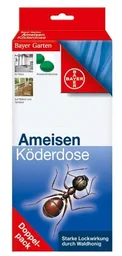
The process is not immediately visible. Ant activity may even increase at first. After 3-7 days, activity then stops abruptly. Leave the station in place until the end of the treatment and do not remove dead ants – they serve as a warning to other ants.
Patience is the key to using bait stations. Removing one too early or spraying insecticide nearby destroys the strategy. The worker ants need time to carry the active ingredient back to the nest.
Watering and spreading products for outdoor areas
If you find the nest in the garden, watering products such as the
. Mix the concentrate with water and pour the solution directly into the nest entrances. The effect is deep-reaching and fast.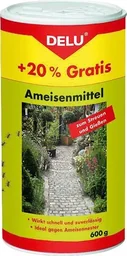
Spreading products are applied as granules around the house, patio or bin area. They create a long-lasting barrier. Always follow the instructions for use and protect pets and children when using these products.
How can I stop ants from coming back?
The best way to control ants is prevention. After a successful treatment, you need to make your home unattractive and inaccessible to them.
Seal all possible entry points. These include gaps around windows and doors, cracks in the exterior walls, leaky pipe penetrations and cable trunking. Silicone or acrylic sealant is suitable for small gaps. For larger openings, use expanding foam or wire wool, which ants cannot chew through.
Additional advice
Always store food in airtight containers made of glass, metal or sturdy plastic. This also applies to pet food. Empty the bins daily and clean them regularly. A clean, dry area around the sink offers ants no incentive.
Remove attractions around your home. Pick up fallen fruit in the garden immediately. Do not place compost heaps directly next to the house. Clean bird feeders regularly, as spilled food attracts ants. Also make sure you have fully intact drain pipes to avoid providing sources of moisture.
Plants such as lavender, mint or marjoram by the entrance or on the windowsill deter many insects. They are a natural and decorative addition to mechanical barriers.
What should I do if ants get into electrical devices?
Ants in sockets, junction boxes or electrical appliances are a particularly tricky problem. The insects seek out warmth and narrow cavities. Their bodies can cause short circuits.
Disconnect the affected appliance from the mains immediately and unplug it. Never use liquids or aerosol sprays inside it. Here, dry bait stations () are the only safe option.
Place the bait station close by. The ants will find the bait. After treatment, have the appliance inspected by a qualified professional before using it again. Ants may have damaged the circuit boards.
Prevent problems in the long term by not leaving appliances permanently in standby mode. The heat they generate is attractive to ants. Check electrical appliances that are rarely used in the cellar or loft regularly.
Conclusion: Take a systematic approach for lasting results
You cannot get rid of ants in your home with a one-off treatment. It is a process of identification, targeted control and consistent prevention. Start by removing anything that attracts them.
Then use an effective treatment that reaches the nest, such as a professional bait or a liquid treatment. Be patient until the colony collapses. Finally, turn your home into a fortress through cleaning and sealing.
With this systematic approach, you will get rid of these unwanted pests. Remember: A tidy home is the best insect protection. This helps you keep your home peaceful.
Frequently asked questions
- What gets rid of ants in the kitchen immediately?
- Remove all food sources such as crumbs and open sweets immediately. Wipe down all surfaces with vinegar water to destroy the scent trails. Place temporary barriers of cinnamon, baking powder or chalk along their routes to stop the ants while you search for the nest.
- Which home remedy kills ants reliably?
- Baking powder or bicarbonate of soda mixed with icing sugar acts as bait. The ants carry it back to the nest, where it works by producing gas. It is important that the worker ants mistake the bait for food and transport it to the main nest. This tackles the colony at its source.
- Why have ants suddenly appeared in my house?
- Ants follow scent trails left by scouts searching for food. Individual ants are often an early warning sign. Suddenly visible trails point to a nearby food source or a hidden nest, for example in cavities, beneath floors or inside masonry.
- Can you get rid of ants from your home permanently?
- Yes, by combining nest treatment with prevention. Use slow-acting bait to reach the queen. Then seal all entry points, including gaps and cracks. Remove accessible food by using airtight containers and cleaning regularly.
- Are ants in the house harmful to your health?
- Native ant species are not considered direct carriers of disease. However, they can transfer germs to food because they walk over waste and carrion. A severe infestation can damage electrical appliances or affect insulation through nesting activity.
You might also be interested in
- Getting rid of ants: Home remedies and expert tips for your home and garden
- How to get rid of fruit flies effectively: Home remedies and traps
- Ants in the house: How to find the nest without following a trail
- Moths in the home and garden: Effective control and prevention
- How to get rid of fleas in your home effectively
- Ants in plant pots: Effective home remedies to get rid of them