
In brief: The most effective way to control field bindweed is through persistent mechanical removal. Pull the entire, often metre-long root from the soil, as every piece can produce new growth. An opaque cover made from weed control fabric will smother larger areas. Chemical products are often ineffective and harm soil life. Patience and regular checks are the key to success.
Get Rid of Bindweed: Remove This Stubborn Weed
White, funnel-shaped flowers and trailing stems: field bindweed looks attractive, but it is one of the toughest garden weeds. It quickly overruns beds, hedges and lawns. Its roots grow deep into the soil. We show you how to identify this invasive root weed and remove it permanently.
How do I identify field bindweed in the garden?
Field bindweed (Convolvulus arvensis) belongs to the bindweed family. It climbs up fences, perennials and vegetable plants. The leaves are arrow-shaped and taper to a point. From June to September, the characteristic white or pale pink flowers open.
Do not confuse it with hedge bindweed. This has larger flowers and is often annual. Field bindweed is perennial and spreads through underground runners. A single plant indicates an extensive root network.
Field bindweed indicates nitrogen-rich, loose soil. Where it grows, other weeds often have little chance. The problem is not its presence, but its explosive spread.
The stems twine clockwise around climbing supports. If you break a stem, milky sap emerges. This helps with reliable identification. Check particularly sunny bed edges and vegetable beds.
Why is field bindweed such a problem?
Field bindweed literally smothers other plants. Its stems wrap around stalks and restrict growth. It takes water and nutrients from the soil. Young vegetable plants in particular have little chance against it.
The main problem lies underground. The whitish root runners can grow several metres long. They penetrate up to two metres deep into the soil. Every root fragment longer than five centimetres forms a new plant.
Important note
Do not use chemical total herbicides such as glyphosate against field bindweed in the garden. These products harm the entire soil ecosystem and can reach neighbouring crops. Their effect on the deep roots is often inadequate. Field bindweed quickly regrows from remaining root fragments.
Seed production adds to the problem. One plant produces up to 500 seeds. These can still germinate after 50 years in the soil. You must therefore stop both vegetative and generative reproduction.
How do I remove field bindweed mechanically?
Mechanical control is the most environmentally friendly method. It requires consistency and patience. Start in early spring as soon as the first shoots appear.
Carefully loosen the soil with a digging fork. Then gently pull on the stem. Try to remove the entire root section. If you only break it off at the surface, the plant responds with stronger growth.
Special weed pullers are suitable for delicate work in beds. An even more practical option is a robust pair of all-purpose shears such as the
. They reliably cut through thicker root strands. Dispose of the plant material with general waste or burn it. Field bindweed survives in compost.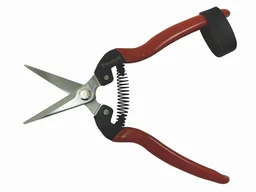
Choosing the right tools
Blunt tools crush the roots and encourage new growth. Sharp blades make clean cuts. A long handle protects your back. In our range of garden tools, you will find suitable helpers.
Work when the soil is moist. After light rain, the roots are easier to pull out. Dry, hard soil encourages them to break off. Repeat the process systematically every two weeks.
Focus on weakening the plant rather than destroying it immediately. Every time you remove the green shoots, you deplete the plant's reserves. After six to eight treatments in one season, the root reserves are often exhausted. The plant gives up.
How do I control field bindweed with covers?
Blocking out light is an effective weapon. Cover infested areas with an impermeable material. This smothers the plants under the cover. This method is suitable for larger, open areas or preparing new beds.
Use a robust weed control fabric such as
. Its high fabric weight of 100g/m² blocks out light. Lay it over well-loosened soil. Weigh down the edges with stones or ground anchors.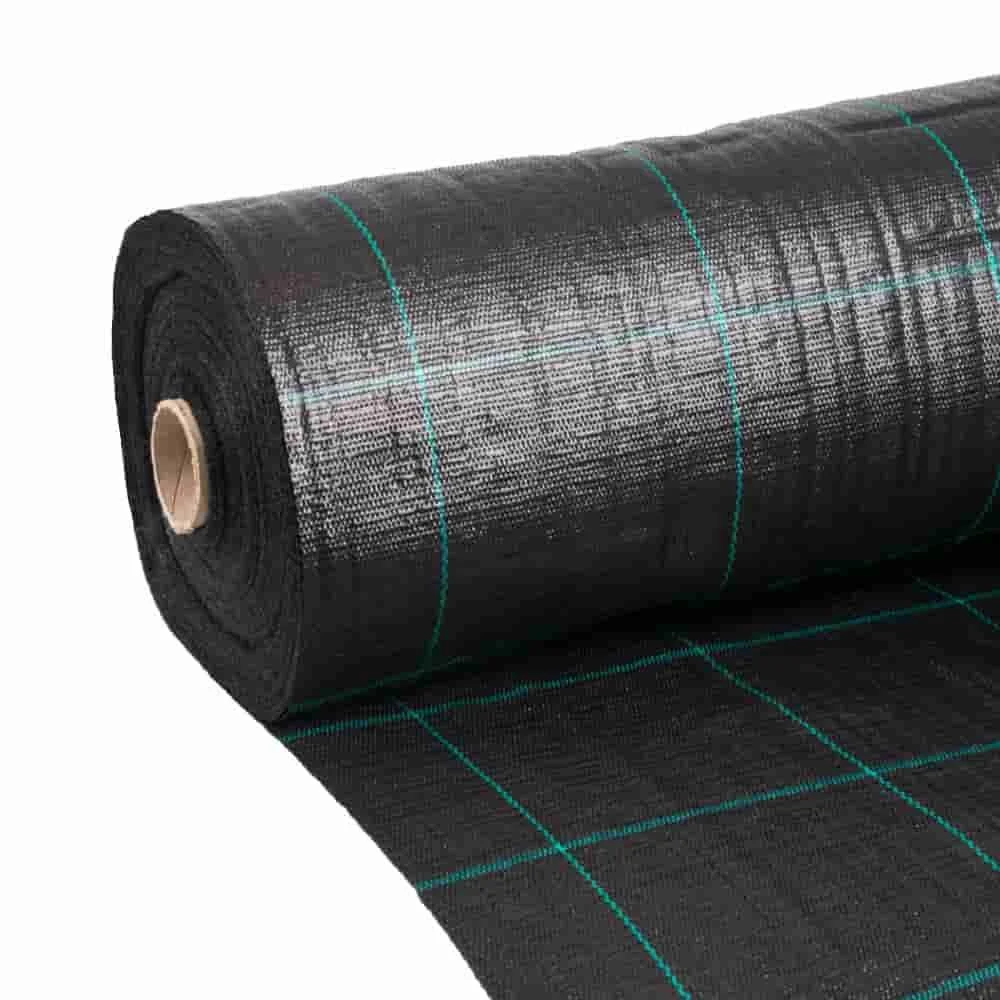
Pro tip
Leave the cover in place for at least twelve, or preferably 24 months. In the first season, the shallow roots die. In the second season, the deeper reserves are depleted. Check the edges regularly, as new shoots often appear there.
A thick layer of bark mulch (at least 10 cm) or straw works in a similar way. The mulch must be topped up regularly. Under weed control fabric, you will find different weights for every application.
Black plastic sheeting is less suitable. It does not rot and restricts the exchange of water and air in the soil. Weed control fabric is breathable and water-permeable.
How can I prevent bindweed from spreading through my lawn?
Mechanical control is difficult in lawns. The roots become tangled in the thatch. Heavy infestation indicates poor lawn health. So strengthen the grass first.
Scarify thoroughly in spring and autumn. This removes surface runners. Then aerate the lawn to improve soil ventilation. Targeted fertilisation with an iron-containing lawn fertiliser such as
strengthens the lawn. Moss and bare patches disappear, making the grass more competitive.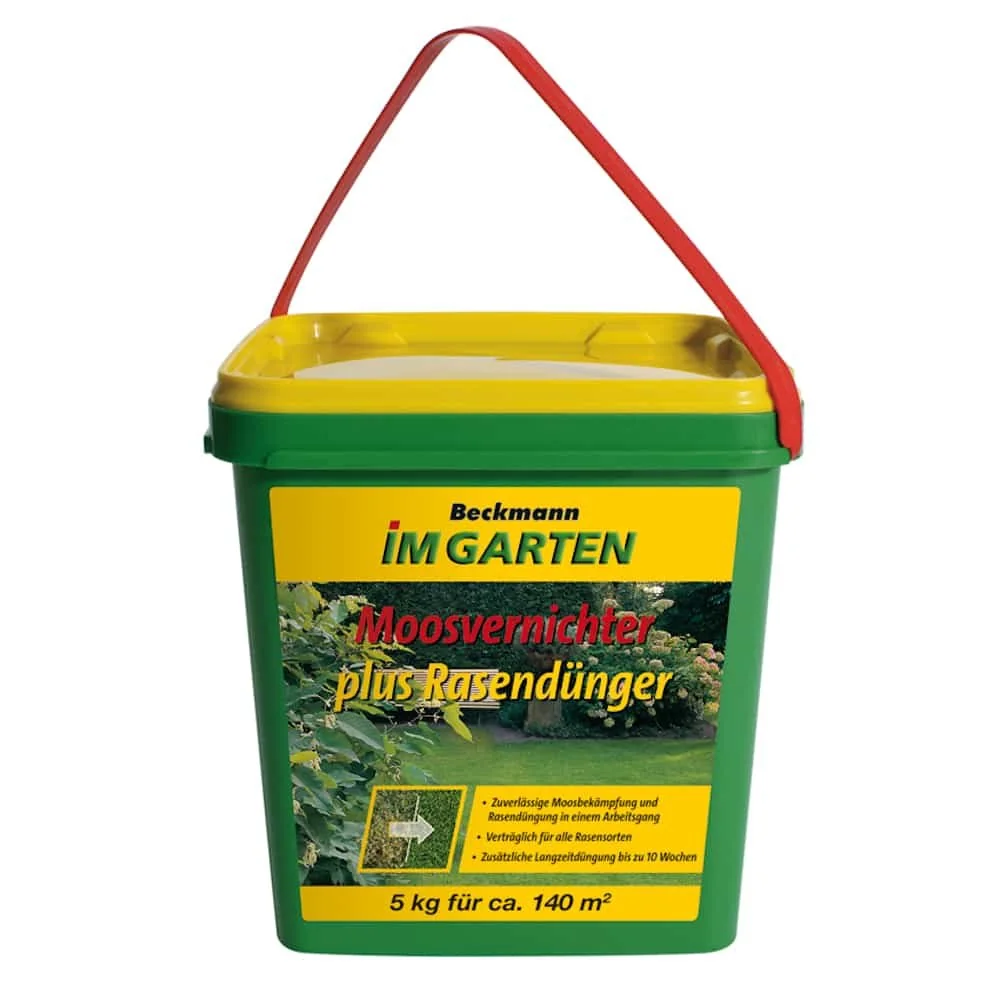
Mow regularly, but do not cut the grass too short. A cutting height of four to five centimetres shades the soil. This inhibits the germination of bindweed seeds. If you spot individual shoots, dig them out deeply with a weed puller.
Additional advice
For severe lawn infestations, reseeding or relaying the lawn may be worthwhile. Till the area deeply and remove as many root fragments as possible by hand. Cover the area with weed control fabric for one season before reseeding. This gives you a clean start.
You can find more lawn care products for a dense lawn in the lawn fertiliser with weed killer category. A healthy lawn is the best prevention.
Which preventive measures help?
Prevention is the best protection. Field bindweed germinates in open, bare soil. Keep your beds covered at all times. Use ground cover plants or dense mixed planting.
Mulch your beds with organic material. This suppresses seedlings. In autumn, do not work fresh manure or nitrogen-rich fertiliser into the surface layer. This encourages bindweed growth.
Check new garden soil, compost deliveries and potted plants carefully. The roots are often introduced accidentally. Look out for white, thread-like root fragments.
Plants as competition
Certain plants suppress field bindweed through strong root competition or shading. These include marigolds (Tagetes), calendula and buckwheat. Sow them as cover crops in open areas.
In ornamental gardens, robust perennials such as lady's mantle, barrenwort and Waldsteinia are good companions. They leave little room for bindweed. In Garden & plant accessories you will find everything you need for successful planting.
Healthy, living soil with plenty of earthworms is resilient. Avoid deep digging. It destroys the soil structure and brings bindweed seeds to the surface. Instead, work with a garden fork.
Conclusion: Patience and consistency win
You will not defeat field bindweed in a single weekend. You win the battle through persistence. Combine mechanical removal with smothering covers. Strengthen your crops and your lawn.
Accept the occasional plant as long as it does not get out of hand. A completely bindweed-free garden is hardly realistic. The goal is control. With the right tools and our guide, you can reduce the infestation to a manageable level. Your garden can breathe again.
Frequently asked questions
- Why is field bindweed so difficult to control?
- Field bindweed produces an extensive, deep root system that can often stretch for several metres. Every small piece of root left in the soil can produce new growth. This vegetative propagation makes it extremely persistent. The roots also survive in the soil and produce new shoots in spring.
- Can I simply pull up field bindweed?
- Yes, but you must be extremely thorough. Pull gently on the shoot to remove as much of the long, white root as possible. If you only break it off at the surface, it will grow back more quickly. Work when the soil is moist, as the root will come out more easily. Repeat the process consistently.
- Does weed control fabric help against field bindweed?
- Weed control fabric is an effective long-term method. Cover infested areas with a robust fabric for at least one, or preferably two, growing seasons. The light-blocking material such as PRODUCT_40286 weakens the plant by depriving it of photosynthesis. The roots gradually die off. This method requires patience.
- Are there eco-friendly home remedies for field bindweed?
- Home remedies such as vinegar or salt are not recommended in the garden. They cause lasting damage to the soil and often do not work deeply enough. The best eco-friendly method is to dig out the roots thoroughly and regularly. A layer of bark mulch or straw can weaken new growth, but cannot prevent it completely.
- When is the best time to control field bindweed?
- Control field bindweed throughout the growing season, from spring to autumn. The ideal time for mechanical removal is after rainfall, when the soil is soft. Remove the shoots before flowering to prevent seed formation. In autumn, weaken the plant before winter.
You may also be interested in
- Effective weed control: methods and tips
- Weeds in the garden: identify, understand and control them naturally
- Controlling weeds with vinegar and salt: what is allowed?
- Biological weed control: homemade remedies
- Creeping weeds in lawns: effective control methods
- Vinegar against weeds: 5 mistakes that ruin your garden