
In brief: You can often get rid of household odors with simple home remedies and the right approach. Instead of masking smells, tackle their source. Thorough cleaning, natural odor absorbers such as baking soda or coffee grounds, and targeted ventilation help keep your home fresh without chemical air fresheners.
Get Rid of Household Odors: Simple Tips for a Fresher Home
A musty basement, a kitchen drain that smells like fish, or a wet dog bed. Everyday odors like these are more than annoying. They can bother guests and affect your well-being. The answer isn't expensive room spray; it's finding the source of the smell.
Here’s how to get rid of household odors sustainably—with home remedies you probably already have and the right techniques.
Why don’t air fresheners solve the problem?
Scented candles, sprays, and electric diffusers don’t get rid of odors. They mix with the unwanted smell, creating a more complex—and often even less pleasant—scent. They mask the symptom but don’t address the cause.
A fresh home smells like nothing at all. That’s the goal. You can get there by removing, absorbing, and neutralizing odors.
We quickly get used to the smells around us. You may no longer notice the “house smell” in your own home. Ask a trusted guest for their honest opinion.
How do you find the source of an odor?
Before you take action, find the source. Check systematically. Smell carpets, upholstery, curtains, and trash cans. Open cupboards you rarely use.
The source may be somewhere unexpected: the kitchen sink drain, the refrigerator drip tray, or the potting soil of a houseplant. A thorough inspection can save time.
Pro tip
Play detective. Close the doors to each room one at a time, then go back in after ten minutes. Where is the smell strongest? This can help you pinpoint the problem area.
The most common sources at a glance
- Kitchen: Drains, food scraps, spoiled food in the refrigerator, and a greasy range hood.
- Bathroom: Damp towels, drains, silicone seals, and cleaning cloths.
- Living areas: Pets, tobacco smoke, damp shoes, and old upholstered furniture.
- Basement/storage room: Mold, musty clothing, and standing water.
Which home remedies can get rid of odors?
Your pantry probably holds some of the best odor-fighting helpers. They work by absorbing or neutralizing smells, without synthetic fragrances.
Baking soda: The all-purpose odor absorber
Baking soda absorbs odor molecules. Place an open bowl in the refrigerator, shoe cabinet, or beside the litter box. Sprinkle it on carpets, let it sit, then vacuum it up.
For drains, pour in half a cup of baking soda followed by half a cup of vinegar. Once the fizzing stops, flush with hot water.
Vinegar: The odor neutralizer
Vinegar neutralizes alkaline odors such as urine, sweat, and fish. Wipe surfaces with a mixture of vinegar and water, or leave a bowl in a musty room overnight.
The vinegar smell fades quickly, taking other odors with it.
Vinegar and baking soda make a great team. The fizzing reaction can help clear blockages, while both ingredients help tackle organic sources of odors. For routine drain maintenance, it’s a budget-friendly option.
Coffee grounds and lemon: Natural ways to freshen the air
Fresh coffee grounds absorb odors and leave a subtle scent. They’re a good choice for refrigerators and cars. Put fresh lemon peels on a radiator to release essential oils, and use them to help tackle limescale odors in kettles.
How do you get rid of specific odors?
Different smells call for different approaches. General cleaning often isn’t enough.
Kitchen odors: Grease, fish, and trash
Grease odors cling to range hoods and ovens. Clean away grease regularly. A thorough cleaning with a degreaser is essential.
To neutralize fish odors, heat a pan of vinegar and let the steam spread through the room. For trash cans, line the bottom with newspaper and sprinkle in some baking soda.
Important note
Never mix chlorine-based cleaners with acidic products such as vinegar or lemon. This can produce toxic chlorine gas. Use these products separately and rinse thoroughly between applications.
Pet odors: Urine, damp fur, and bedding
For urine, enzyme-based cleaners from pet stores are the best way to tackle odors at the source. They break down odor molecules; regular cleaners may only mask the smell.
Wash blankets and beds at 60 degrees. Before vacuuming, sprinkle plenty of baking soda on upholstery and carpets.
Musty odors: Basements, bathrooms, and fabrics
A musty smell can signal moisture and possible mold. Find the source of the moisture, then air out rooms thoroughly several times a day. An electric dehumidifier can help in rooms that stay damp.
For fabrics, wash them at a high temperature or have them dry-cleaned. To freshen musty books or papers temporarily, store them in a closed box with bowls of baking soda.
One more tip
Don’t forget the small household helpers. A cleaning brush for your refrigerator’s drip tray,
, reaches those hard-to-access areas where odor-causing bacteria collect. Using it regularly can help prevent odors.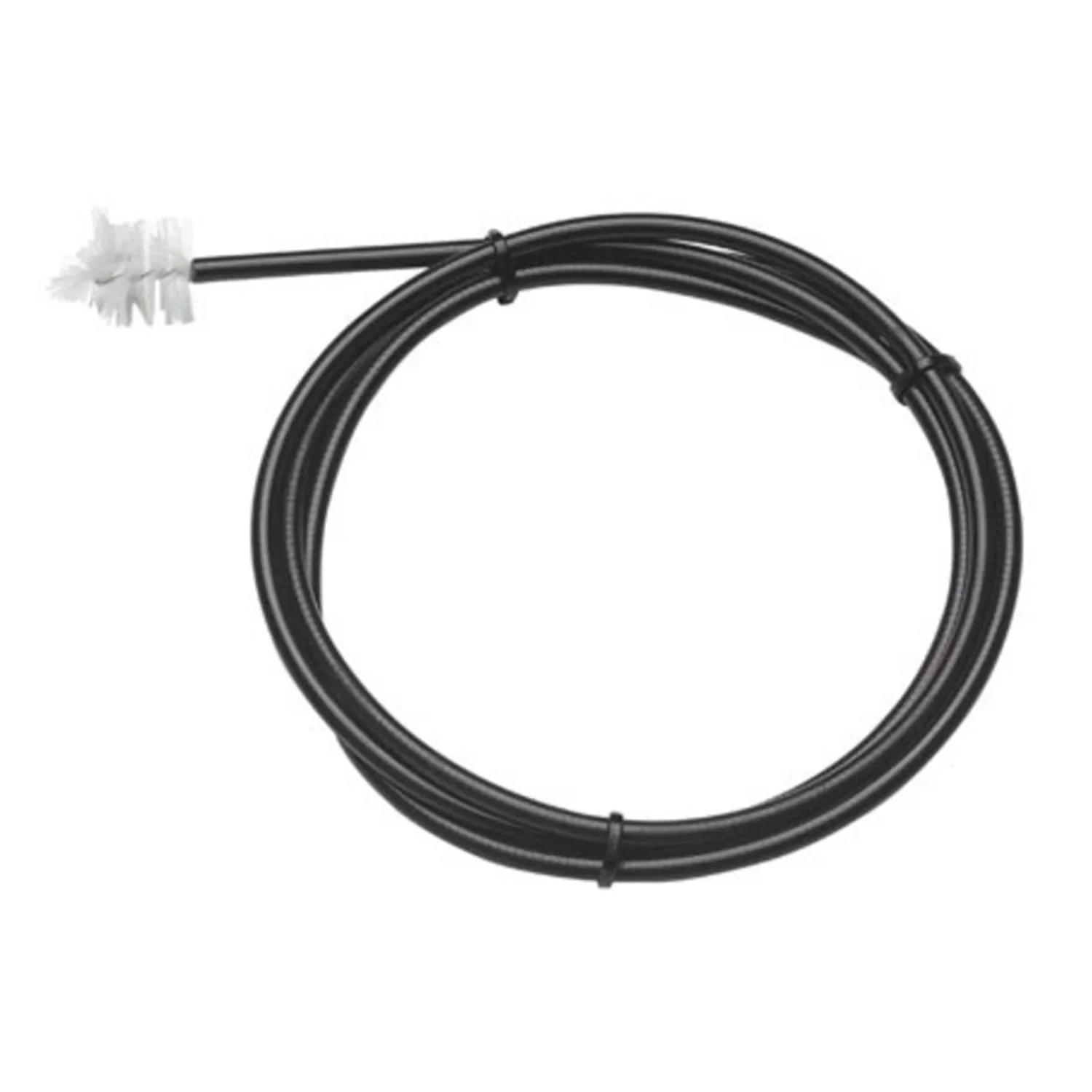
Which products provide professional support?
Some tasks are beyond the reach of home remedies. This is where specialist products from the shop can help.
For the kitchen, a splash guard with activated carbon filter,
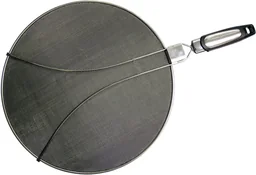
For deep cleaning all surfaces, a concentrated household cleaner such as ALMAWIN,
. The 5-Liter pack is economical for the whole household. It removes grease, limescale, and dirt without adding harsh fragrances.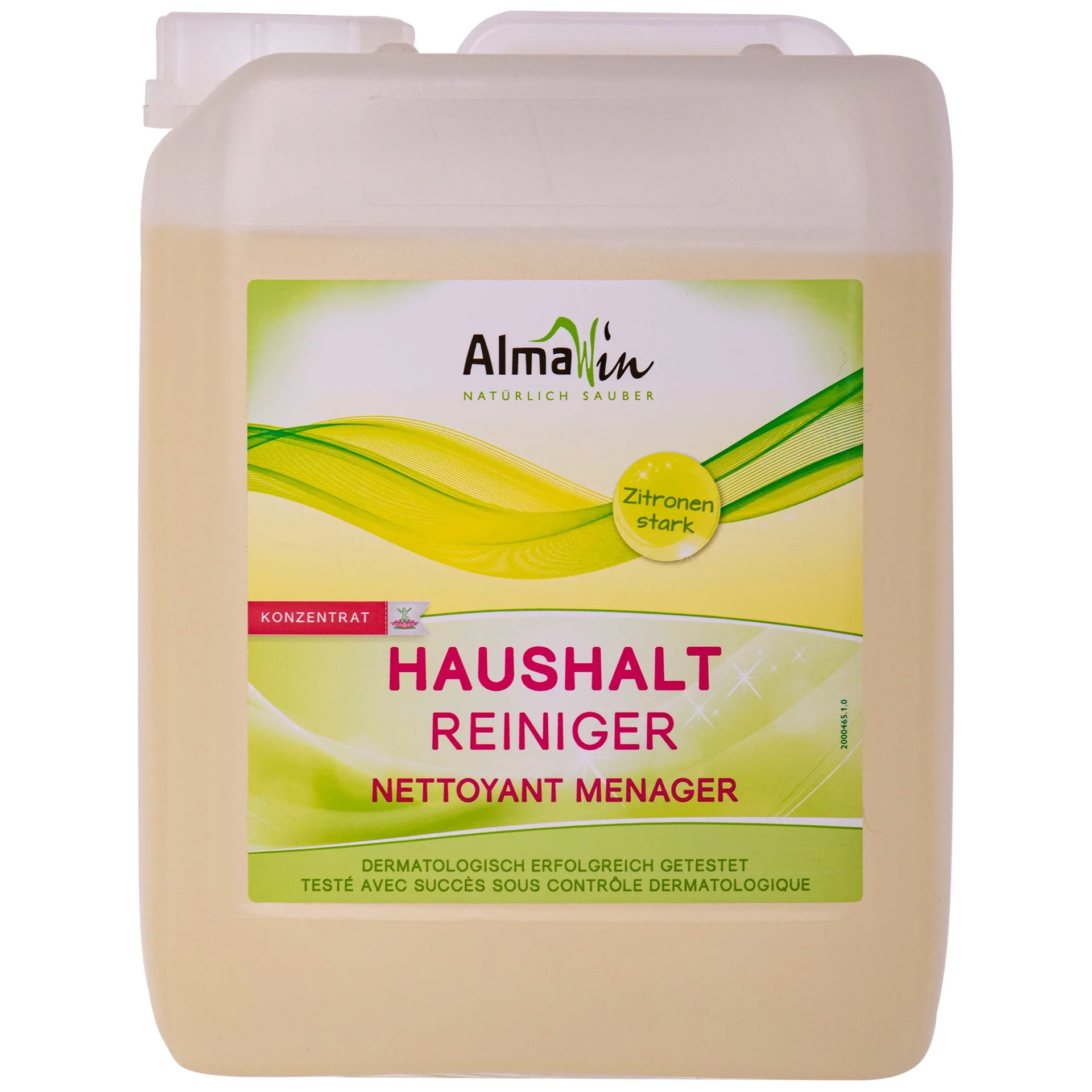
A mild yet effective kitchen soap is especially suitable for sensitive areas such as the kitchen. SODASAN kitchen soap,
, neutralizes odors with its special formula and cleans gently.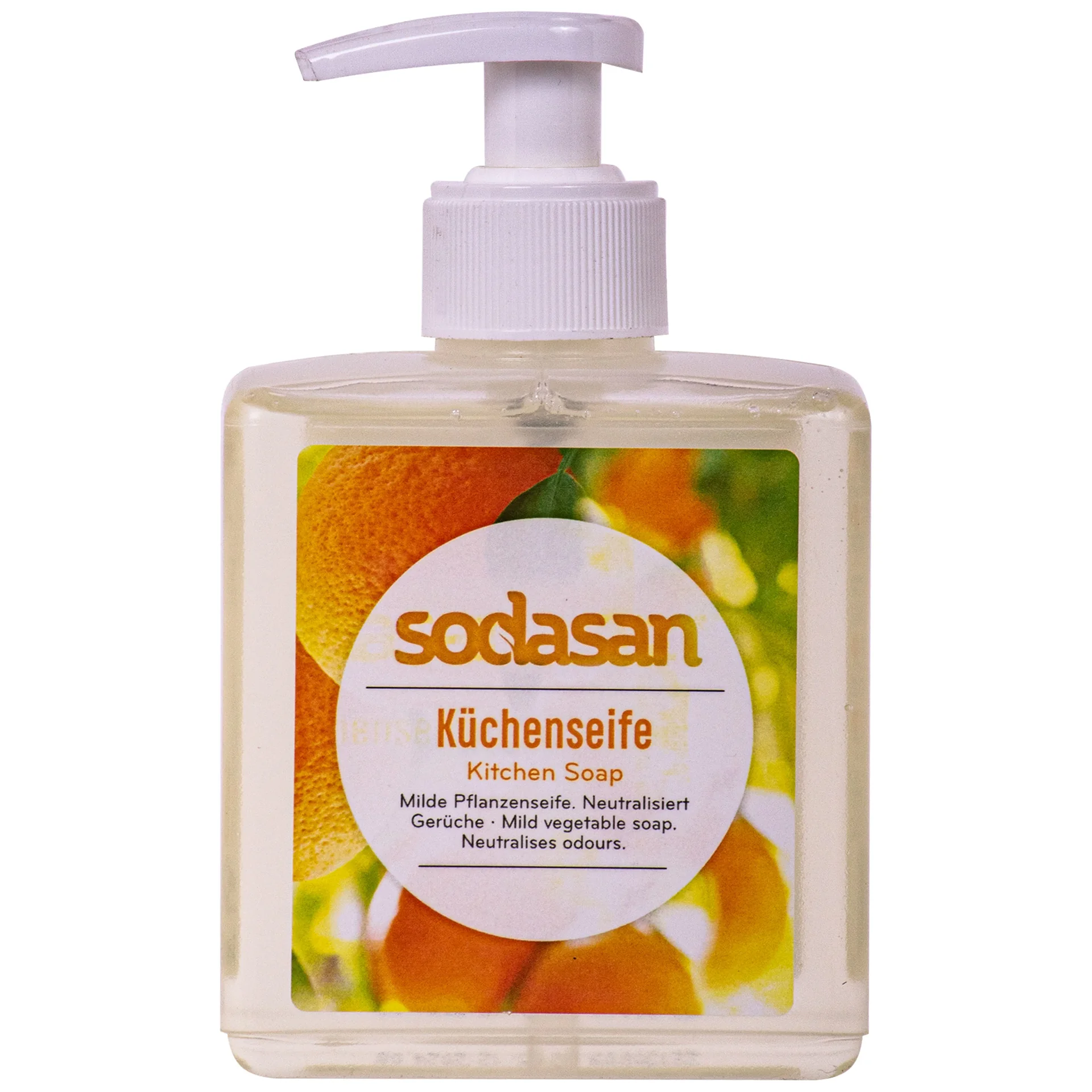
How can you prevent new odors?
Prevention is easier than removal. Build small routines into your daily life.
- Air out rooms: Open the windows wide in the morning and evening for five to ten minutes. This refreshes the air without cooling down the walls.
- Manage trash: Empty small trash cans, especially in the bathroom and office, every day. Wrap food scraps in newspaper before taking them outside.
- Control moisture: Wipe down shower walls after showering. Don't leave wet towels on the floor.
- Regular maintenance: Clean range hood filters, the refrigerator drain, and the washing machine door seal every three months.
With the right equipment for home and garden, you can also keep outdoor areas such as the barbecue area clean and odor-free.
When should you call in a professional?
Home remedies and intensive cleaning have their limits. A persistent musty smell, especially after water damage, may indicate hidden mold. In this case, you'll need a mold remediation professional.
Drain odors that return despite cleaning point to a problem in the wastewater pipe. A plumber can find the cause.
Get professional help if the smell doesn't improve despite your best efforts. Health risks from mold spores or gas must be taken seriously.
A fresh-smelling home is no accident. It's the result of knowledge, the right products, and consistent care. Start today by tackling the source of the odor.
Frequently asked questions
- How do I get cooking smells out of my home?
- Open the windows wide for five minutes right after cooking. Place a bowl of ground coffee or baking soda on the countertop to absorb odors. Clean the range hood regularly. A splash guard with an activated carbon filter, such as PRODUCT_92450, can reduce grease splatters and odors right at the stovetop.
- What gets rid of musty smells in a room quickly?
- Opening the windows wide is the fastest solution. At the same time, place a bowl of strong vinegar or baking soda in the room. These products absorb odor molecules. Avoid scented candles, as they only mask the smell. Remove the source, such as damp fabrics or a full trash can.
- How do I get rid of dog or cat odors?
- Wash blankets and cushions regularly at 60 degrees. Vacuum with a device fitted with a HEPA filter and treat carpets with baking soda before vacuuming. Air out your pet's sleeping area every day. Special enzyme cleaners break down urine odor molecules for lasting results.
- Can vinegar really remove all odors?
- Vinegar neutralizes alkaline odors such as fish, urine, or sweat very effectively. It is less effective on acidic or greasy odors. In these cases, degreasing cleaners or neutral soaps such as PRODUCT_60351 are more suitable. Use diluted vinegar on surfaces that can tolerate it.
- Which household odors can be dangerous?
- A strong rotten smell can indicate a blocked drainpipe or even mold. A musty, earthy smell in damp rooms is a warning sign of mold growth. Simply airing out the room isn't enough. You need to find and eliminate the source of the moisture, possibly with professional help.
You might also be interested in
- Remove grease stains: Effective home remedies for clothes and the workshop
- Effective natural cleaning remedies for your home
- Drain smells? Find the cause and get rid of odors
- Remove stains with home remedies: Top tips
- Clean smarter: Efficient tips for a clean home
- Unclog a drain: Home remedies instead of chemicals