
In brief: You can effectively control scale insects and mealybugs with a combination of mechanical removal and home remedies. Wipe off the pests and repeatedly spray the plant with a solution of soft soap, water and a splash of rubbing alcohol, or an emulsion of rapeseed oil, water and a drop of dish soap to suffocate the pests.
Sticky spots on the windowsill, yellowing leaves and stunted growth – scale insects or mealybugs are often the cause. These sap-sucking insects settle on your houseplants and garden plants and weaken them over time. However, you do not need to reach for chemical pesticides straight away. With proven home remedies and the right strategy, you can effectively control these pests and get rid of them using simple methods. This guide shows you how to identify the pests and eliminate them, and is an important part of effective pest control.
How can you identify scale insects and mealybugs on your plants?
Early diagnosis is the key to success. The sooner you detect an infestation, the easier it is to contain. Therefore, check your plants regularly, especially in hidden spots.
Symptoms of scale insect infestation (Coccoidea)
Scale insects are good at hiding. Adult females sit motionlessly beneath a waxy scale, which may be flat or raised, round or elongated, depending on the species. These scales are usually brownish or reddish and look like small bumps on the plant. You will find them mainly on the undersides of leaves, along the leaf veins and on the stems.
One unmistakable sign is so-called honeydew. This is a sticky, sugary excretion produced by the insects that drips onto the leaves and surrounding area. Black sooty mold often grows on this honeydew, further weakening the plant by interfering with photosynthesis.
Identifying mealybugs or woolly aphids (Pseudococcidae)
Mealybugs, also known as woolly aphids, are easier to identify. They cover themselves with a white, cotton-like wax that protects them and their egg sacs. You will often find these white spots in leaf axils, on leaf stalks and around the root collars. Unlike scale insects, mealybugs remain mobile throughout their lives.
Mealybugs also produce honeydew and, in severe infestations, cause yellow leaves, stunted growth and, in the worst cases, the plant to die. Orchids and succulents are particularly popular targets for these pests.
Why are these pests so difficult to eliminate?
The success of scale insects and mealybugs is due to their highly effective protection strategy. The waxy scale or woolly coating protects them not only from predators, but also from drying out and many contact insecticides. Water simply rolls off, and sprays often do not reach the insect's body at all.
They also reproduce rapidly. A single female can lay hundreds of eggs. Mobile larvae hatch from these eggs and spread across the plant or to neighboring plants before settling down. This makes fast and thorough control especially important.
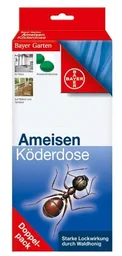
Another factor is their symbiotic relationship with ants. Ants effectively milk the insects to obtain their sugary honeydew. In return, they protect the insects from beneficial organisms such as ladybugs. If you notice trails of ants on your plants, you should control the ants as well, for example with a
.
A healthy plant is less susceptible to pests. Good care, the right location and fertilization suited to its needs are the best preventive measures.
The best home remedies: How do you get rid of scale insects and mealybugs?
Controlling them requires patience and consistency. A single treatment is rarely enough. Combine different methods for the best results. The right plant protection starts with simple but effective measures.
Mechanical removal: The first step
With a light infestation, manual removal is often the most effective method. Immediately isolate the affected plant from others to prevent the infestation from spreading.
- Wipe them off: Soak a cloth or cotton bud in a mild soapy solution or methylated spirit and carefully wipe off the visible insects.
- Scrape them off: On woody shoots, you can carefully scrape off firmly attached scale insects with a blunt knife or your fingernail.
- Rinse them off: Rinse the plant thoroughly with a strong jet of water. This removes many of the loose insects and sticky honeydew. Wrap the pot in a plastic bag first to prevent the soil from becoming waterlogged.
- Prune: Cut back heavily infested shoots and leaves radically and dispose of them with household waste, not in the compost.
Soft soap solution: A classic
A solution made from soft soap is a tried-and-tested, gentle home remedy. The soap dissolves the insects' waxy coating and blocks their breathing openings.
Recipe: Mix 15-20 ml of liquid soft soap (potassium soap, not household washing-up liquid) with 1 litre of water. For a stronger effect, you can add 10 ml of methylated spirit. Pour the mixture into a spray bottle.
Application: Spray the infested plant thoroughly from all sides until dripping wet. Do not forget the undersides of the leaves and the leaf axils. Repeat the treatment every 7-10 days for several weeks to catch newly hatched generations as well.
Expert tip
Boost the effectiveness of your spray by adding neem oil. Add a few drops of this natural insecticide to your soap or oil solution. The active ingredient azadirachtin disrupts larval development and acts as an antifeedant.
Oil-water emulsions: The suffocation trick
A fine film of oil coats the insects and suffocates them by blocking their respiratory organs (tracheae). This method is particularly effective against stubborn scale insects.
Recipe: Mix 1 tablespoon of rapeseed oil or paraffin oil with 1 litre of water. Add one drop of washing-up liquid as an emulsifier so that the oil and water combine. Shake well.
The way it works is similar to that of some tried-and-tested home remedies. For example, the care oil
is based on paraffin oil, which can also suffocate small insects. For your plants, however, you should use plant-based oils such as rapeseed oil to prevent leaf damage. Spray the plant thoroughly and repeat the application after around 14 days.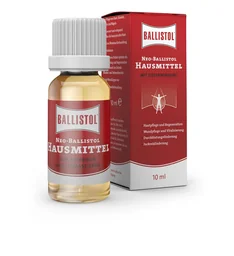
Important note
Always test every spray solution, especially those containing alcohol or oil, on a single inconspicuous leaf first. Wait 24 hours to see whether the plant reacts sensitively. Do not apply these products in direct sunlight to prevent leaf scorch.
More tried-and-tested remedies from the kitchen and garden
Alongside soap and oil, there are other natural remedies that can support your plants in the fight against pests.
Nettle and garlic tea
These brews work less as a direct poison and more by strengthening the plant from within and making it unattractive to pests. They are ideal for prevention and light infestations.
- Nettle tea: Pour 1 litre of boiling water over 100 g of fresh nettles. Leave the mixture to steep for 24 hours, then strain it. Spray it onto the plants undiluted.
- Garlic tea: Finely chop 2-3 cloves of garlic and pour 1 litre of boiling water over them. Leave to cool, strain and use as a spray.
Alcohol (methylated spirit): Precise spot treatment
Undiluted methylated spirit is suitable for targeted treatment of individual mealybug colonies or stubborn scale insects. Dab the pests with a cotton bud soaked in alcohol. The alcohol dissolves the protective wax coating and quickly kills the insect.
Home remedies such as soft soap solutions work physically. They block the insects' breathing openings rather than poisoning them. This often makes them gentler on beneficial insects and prevents resistance.
How can you effectively prevent reinfestation?
The best pest control is the kind you never need. With the right care and attention, you can significantly minimise the risk of infestation. Browse our garden and plant accessories to give your plants the best possible care.
Additional advice
Always quarantine newly purchased plants for several weeks. During this time, inspect them closely for signs of pests or diseases before placing them with your other plants. This prevents you from introducing pests.
Choose a suitable location with the right light and temperature conditions. Dry indoor heating air in winter stresses many houseplants and makes them susceptible. Regularly misting them with water increases humidity. Ensure good air circulation, but avoid draughts.
Balanced fertilisation strengthens the cell walls and makes it more difficult for sap-sucking pests to feed. Avoid over-fertilising with nitrogen, as this leads to soft, lush growth – an open invitation to pests. Check your plants for changes every time you water them. The earlier you act, the better. An insect killer such as the

Dealing with scale insects and mealybugs is not a sprint but a marathon. However, with the home remedies presented here, regular checks and good plant care, you give pests very little chance. Stay consistent, and your plants will reward you with vigorous growth and healthy leaves. You can also find a wide range of pest and plant protection products in our shop.
Frequently Asked Questions
- Can I use regular dish soap instead of soft soap?
- Pure soft soap (potassium soap) is the preferred choice because it is gentler on plants. Many modern dish soaps contain fragrances, dyes and degreasers that can damage your plants' leaves. A small drop as an emulsifier in an oil solution is harmless, but soft soap is the better choice for the main solution.
- How often do I need to treat my plants with these home remedies?
- Repeating the treatment is essential. Treat infested plants every 7-10 days for at least three weeks. This will also target newly hatched larvae that emerge from eggs. Continue checking the plant regularly afterward so you can spot a new infestation early.
- Are scale insects and mealybugs dangerous to people or pets?
- No, these plant pests are completely harmless to people, dogs, cats and other pets. They feed exclusively on plant sap and cannot survive on animals or humans. The sticky honeydew they produce may simply be a nuisance.
- What are the white, cotton-like growths on my plant?
- These white, cotton-like growths are a clear sign of a mealybug infestation. The waxy secretions protect the insects and their eggs from predators and drying out. You will often find these clusters in leaf axils and on the undersides of leaves.
- Do these pests infest all types of plants?
- Scale insects and mealybugs are not particularly fussy, but they often prefer woody or hard-leaved plants. Houseplants such as orchids, palms, ficus, cacti and succulents are especially susceptible. In the garden, you will often find them on fruit trees and shrubs, oleander or hydrangeas.
You may also be interested in
- Get Rid of Aphids with Milk: The Natural Solution
- How to Get Rid of Aphids: Natural Remedies & Tips
- How to Get Rid of Clothes Moths: Home Remedies and Effective Methods
- How to Get Rid of Fruit Flies: Home Remedies and Traps
- How to Get Rid of Fungus Gnats: Effective Remedies for Flies in Potting Soil
- How to Get Rid of Silverfish: Effective Home Remedies & Tips