
In brief: Extend the service life of your GM ASL 8 cordless sprayer with consistent care. Clean it thoroughly with clear water after every use, check the nozzles and filters for blockages, and store the device and battery completely frost-free and dry over winter.
A cordless sprayer makes plant care, weed control and liquid fertiliser application much easier. To ensure your helper remains reliable for many seasons, consistent care is essential. Neglect can lead to blocked nozzles, damaged pumps and a shorter service life. With just a few regular steps, you can maintain your device's performance and value.
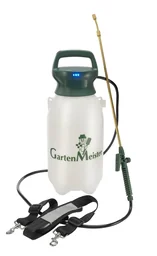
A powerful and reliable model such as the Li-ion cordless sprayer 8 Liter "GM ASL 8" () is an investment in the efficiency of your gardening. It delivers consistent pressure without manual pumping and makes work in the Garden + Outdoor area more convenient. That is precisely why it deserves the right maintenance to preserve its full performance.
Contents
- Why is regular cleaning of your cordless sprayer so important?
- How do you clean your GM ASL 8 correctly after each use?
- What does extended maintenance involve for a long service life?
- How do you winterize your sprayer?
- How can you spot common problems and fix them?
Why is regular cleaning of your cordless sprayer so important?
Every liquid you spray leaves residue behind. Plant protection products, liquid fertiliser or biological plant tonics contain particles and chemical compounds that settle inside the device. Without prompt cleaning after each use, these deposits begin to cause damage.
The nozzle is the most sensitive component. Extremely fine channels ensure an even spray pattern. When residue dries inside them, the channels become blocked. The result is an irregular, dripping or completely blocked spray jet. Application effectiveness drops dramatically, and you waste expensive spray product.
But the nozzle is not the only part affected. Filters, hoses and especially the pump are also at risk. Particles can clog the intake filter, preventing pressure from building up. Aggressive chemicals attack seals and membranes, making them brittle and leaky. This not only causes a loss of performance but can also result in complete pump failure. Regular cleaning is therefore not optional but essential for preserving the value of your device.
A sprayer is a precision tool. Treat it that way. A five-minute flush after work saves you hours of trouble and expensive repairs next season.
How do you clean your GM ASL 8 correctly after each use?
Cleaning is quick and easy when you make it part of your routine. Follow these steps immediately after gardening, before any residue can dry.
Step 1: Empty the remaining liquid safely
Empty the container completely. Spray the remaining liquid onto the target area until the device begins to draw in air. Never dispose of leftover quantities down the drain or in nature. Always follow the disposal instructions provided by the manufacturer of the product used.
Step 2: Rinse the container thoroughly
Fill the container about one-quarter full with clear, clean water. Close it and shake it vigorously so the water reaches all the inner walls and picks up loose particles. Dispose of this rinse water—ideally on a safe surface, such as an unplanted gravel area, if only harmless products were used.
Pro tip
For stubborn or oily residue, add a few drops of washing-up liquid or a special equipment cleaner to the first rinse water. This dissolves deposits more effectively. Afterwards, be sure to rinse thoroughly once more with clear water to remove all soap residue.
Step 3: Flush the system
Fill the container again with about one to two liters of clean water. Insert the battery and switch on the sprayer. Spray all the water through the lance and nozzle. This step cleans the pump, hoses and spray lance from the inside and flushes any remaining chemical residue out of the system.
Step 4: Check and clean the nozzle and filter
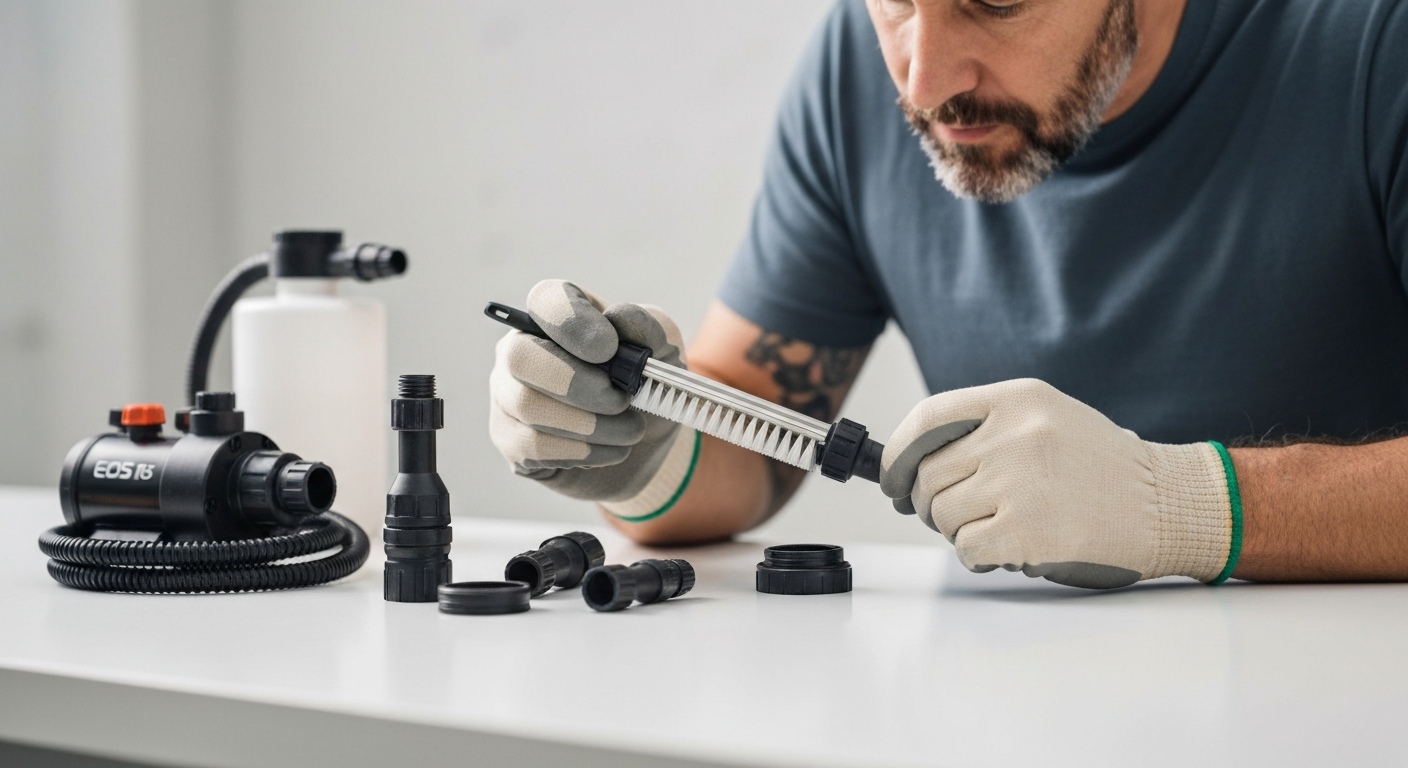
Unscrew the nozzle. Take it apart and clean the individual parts under running water with a small, soft brush (an old toothbrush is ideal). Check the intake filter at the end of the hose inside the container. Remove it and rinse it thoroughly as well. Do not reassemble anything until it is completely dry.
What does extended maintenance involve for a long service life?
In addition to daily cleaning, occasional, more thorough maintenance helps ensure your cordless sprayer lasts longer. Set aside some time for this every few months or after intensive use.
Check seals and O-rings
All screw connections, the pump head and the lid are fitted with seals. These rubber rings keep the system airtight so it can build up pressure. Check the seals for cracks, brittleness or deformation. A brittle seal may no longer function properly. Lightly grease the seals with silicone grease or petroleum jelly to keep them supple. Damaged rings must be replaced immediately.
Additional advice
Keep a small set of suitable replacement seals on hand. This allows you to replace a defective seal immediately when needed, so you do not have to interrupt your work. These small parts are often available from industrial supplies retailers or specialist suppliers.
The battery – the heart of your device
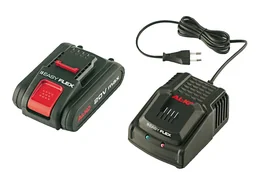
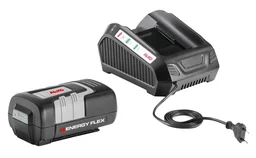
Proper care of the lithium-ion battery is essential. Avoid fully discharging the battery. Recharge it after use before storing it. Do not expose the battery to extreme heat or direct sunlight. For longer jobs or as a replacement, investing in a second battery is worthwhile. Suitable sets such as the "EasyFlex" Advantage Set - 2,5 Ah battery and charger () or the more powerful "EnergyFlex" Advantage Set - 4,0 Ah battery and charger () ensure uninterrupted work.
Inspect the housing and hoses
Inspect the entire device externally for damage. Pay particular attention to fine hairline cracks in the tank, as well as kinks and porous areas in the hose. A damaged hose can burst under pressure. Always replace defective parts immediately to prevent accidents and the release of chemicals. Many accessories can be found in the Plumbing + Irrigation section.
How do you prepare your sprayer for winter?
Preparing the device for winter is the most critical maintenance step. Frost is the biggest enemy of equipment that carries water and can cause irreparable damage.
First, carry out an especially thorough cleaning as described above. It is absolutely essential that no liquid residue remains in the device. After pumping clean water through the system, operate the spray trigger several more times with the tank empty to expel even the last drops from the pump and lance.
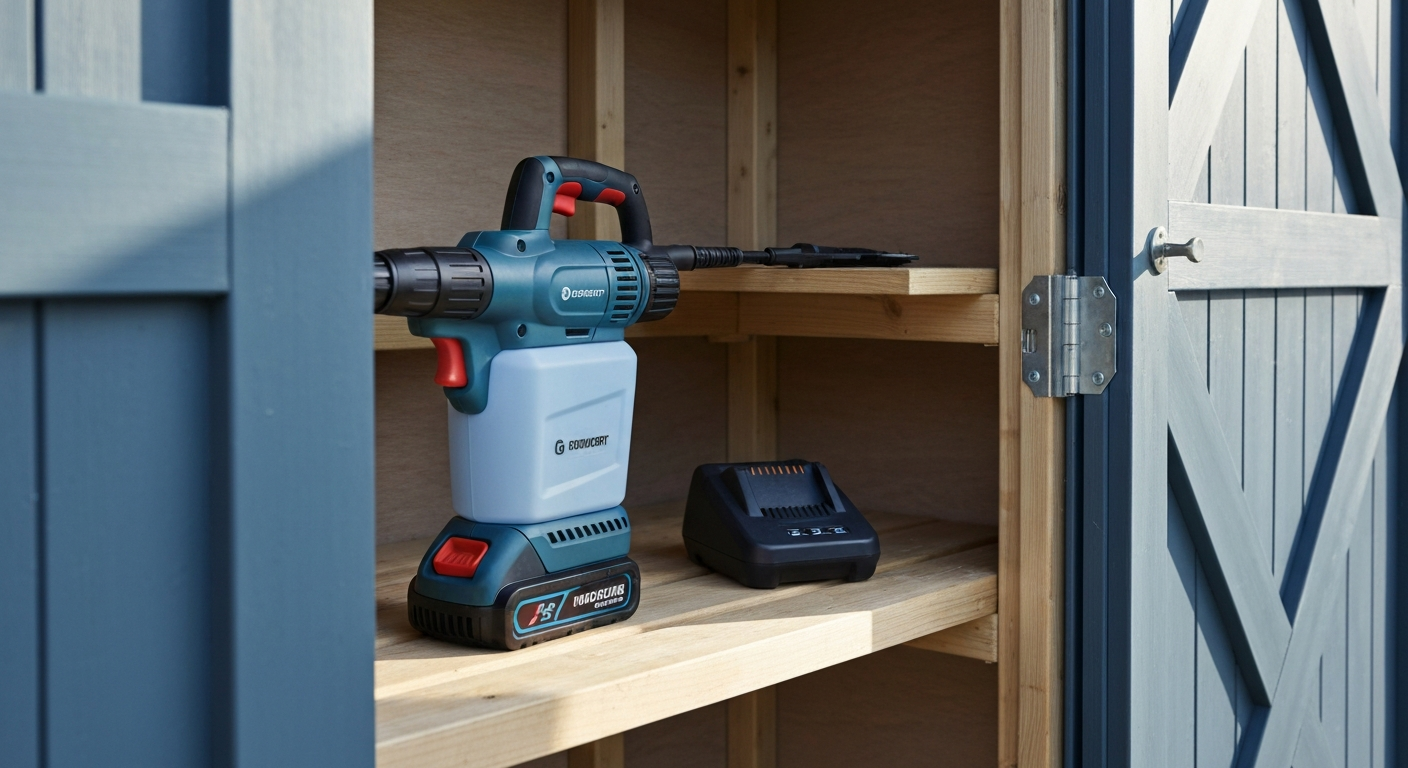
Remove the battery from the device. Store the sprayer itself in a dry, dust-protected and, above all, completely frost-free place. A basement or garage where the temperature does not fall below 5 °C is ideal. It is best to hang up the device so that the hoses do not kink.
Important note
Damage caused by frozen water in the pump, hoses or lance is excluded from the warranty. Thoroughly draining the device and storing it in a frost-free place are therefore essential to protect it.
The battery also needs a suitable storage location. Store it separately from the device in a cool (10-20 °C), dry place. The optimum charge level for long-term storage is around 40-60 %. Charge an empty battery to this level before storing it for winter and check the charge level every few months. This prevents harmful deep discharge.
How can you identify common problems and fix them?
Even with the best care, minor malfunctions can occur. You can quickly fix most of them yourself.
Problem: Uneven spray pattern or no spray
This is the most common problem. The cause is almost always a blocked nozzle. Unscrew the nozzle, take it apart and clean all parts thoroughly with a soft brush and water. Never use needles or wire, as they can damage the fine channels.
Problem: The device does not build up pressure
First check whether the battery is sufficiently charged. If it is, check the intake filter in the tank for dirt. Leaking screw connections may be another cause. Tighten all connections on the hose and lance by hand. If the seals are brittle or damaged, air can enter at this point and prevent pressure from building up.
Problem: Liquid is leaking
If liquid is dripping from the connections, tighten them. If that does not help, a seal is probably defective and must be replaced. Also check the hose and tank for cracks.
Systematic troubleshooting is the key. Start with the simplest cause: battery charged? Filter clean? Nozzle clear? In 90 percent of cases, this solves the problem.
Careful and regular maintenance of your cordless sprayer is the best way to keep it working for many years. The time you invest pays off through reliable performance, precise results and a long service life. This keeps your GM ASL 8 a valuable partner for all your gardening tasks. Discover our wide range of other power tools to make your work easier.
Frequently asked questions
- How often should I clean my cordless sprayer?
- Clean your sprayer after every use. This prevents harsh chemicals from damaging the seals or residue from clogging the nozzles. A quick rinse with clean water keeps it working properly for the next use and is the most important step towards a long service life.
- Can I leave plant protection products in the sprayer?
- No, never leave plant protection or cleaning products in the device. Over time, chemicals can damage plastics and seals. Empty the tank completely after use and thoroughly flush the entire system with clean water.
- What happens if I leave my sprayer outside in winter?
- Frost is your sprayer's biggest enemy. Any water left in the pump, hoses or lance will freeze, expand and may cause components to burst. Frost damage of this kind is irreparable. Always store the device in a dry, frost-free place.
- My sprayer has no pressure. What could be the problem?
- First, check the battery charge level. If this is fine, inspect the intake filter in the tank and the nozzle for blockages. Leaking connections or worn seals may also cause a loss of pressure. Regular maintenance helps prevent this problem.
- How should I store the sprayer's battery?
- Store the lithium-ion battery separately from the device in a cool, dry and frost-free place. The ideal storage temperature is between 10 and 20 degrees Celsius. A charge level of around 40 to 60 percent is optimal for balancing self-discharge and maintaining battery cell health.