
In brief: A green Christmas means consuming consciously and using resources responsibly. You avoid single-use plastic, use natural materials and give old items a new lease of life. DIY gifts, upcycled decorations and a focus on durable, meaningful products make your celebrations more sustainable and personal.
Green Christmas: Sustainable DIY Ideas for the Festive Season
The sparkle of the festive season does not have to come at the expense of the environment. Quite the opposite. A sustainable celebration often brings more calm, creativity and genuine joy. You can make your own Christmas decorations, create personal gifts and give old materials a new purpose. This saves money and conserves our planet's resources.
Why choose a sustainable Christmas?
Conventional Christmas consumption creates mountains of waste. Wrapping paper, single-use decorations and cheap electronics quickly end up in the bin. A more eco-friendly Christmas helps reverse this trend. You focus on values such as togetherness, creativity and mindfulness rather than excessive consumption.
Making sustainable DIY gifts also creates personal memories. A handmade gift tells a story. It shows thoughtfulness and time invested. These qualities often mean more than the most expensive shop-bought item.
The biggest sustainable change does not begin with industry but with our own consumer behaviour. Every celebration is a new opportunity to make conscious choices.
How can I create sustainable Christmas decorations?
Start by looking around your home and garden. What materials do you already have? Old fabric scraps, wooden boards, empty jars and pine cones make a perfect foundation. Combine them with fresh evergreen branches from your garden or local suppliers.
Upcycling ideas for a festive atmosphere
In no time, you can turn empty preserving or food jars into lanterns. Fill them with sand, small pine cones or red berries. Add a small candle. For an even, long-lasting flame, use pillar candles.
Use leftover wool or thick jute string to make stars and hearts. Wrap the yarn around wire shapes and secure the ends with a little glue. These decorations will last for many years.
Expert tip
Colour natural materials such as pine cones or eggshells with food colouring. Briefly dip the objects into a mixture of water, colour and a little vinegar. This gives you individual shades without chemical spray paints.
Natural decorations from the garden and kitchen
Cut apples and oranges into thin slices and dry them in the oven at a low temperature. Combined with cinnamon sticks, star anise and walnuts, they make fragrant garlands or table decorations.
Tie small bunches of fir branches, ivy and rose hips. Bind them with jute twine and hang them on doors or above pictures. In our range of garden and plant care supplies, you will find suitable tools and accessories.
What sustainable gifts can I make myself?
Handmade gifts combine thoughtfulness with sustainability. They avoid unnecessary packaging and long transport routes. Options range from culinary treats and useful everyday items to personal care products.
Give the gift of homemade treats
Fill homemade jam, chutney or liqueur into attractive, reusable jars. Labels made from old kraft paper and jute string complete the gift. Homemade bread or seasoned salt are also wonderful ideas.
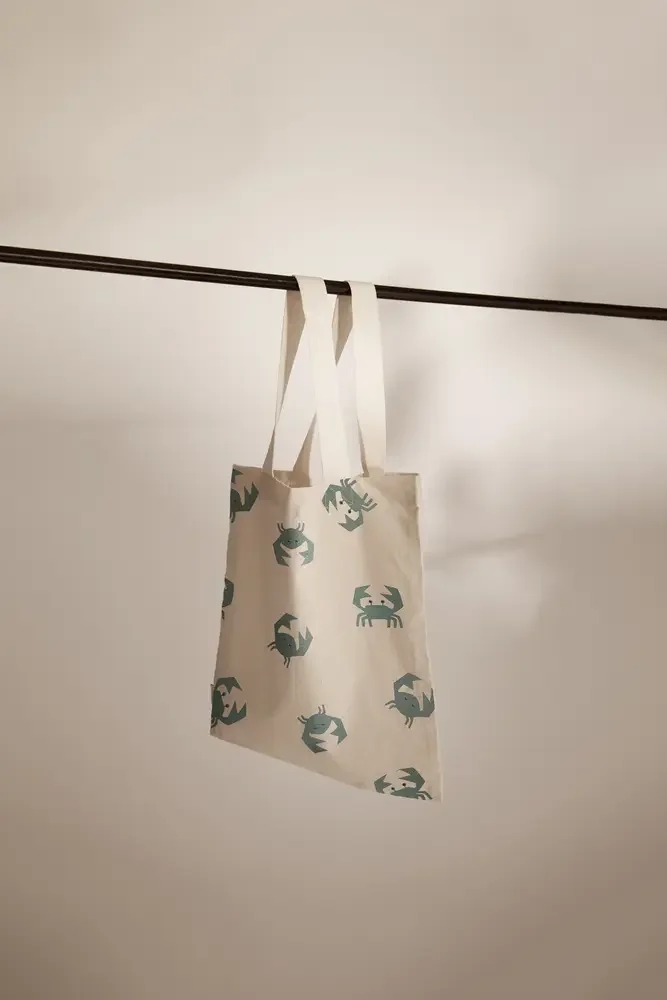
For garden lovers, consider home-grown herbs or small succulents in an upcycled pot. A lovely sustainable way to wrap such gifts is the
Important note
When making homemade food, ensure it is prepared hygienically and include correct storage instructions on the label. Add the production date and use perishable products such as oils or nut mixes within a few weeks.
Make useful and nourishing gifts yourself
A beeswax wrap is a practical gift and a sustainable alternative to cling film. To make one, impregnate cotton fabric with a mixture of beeswax, jojoba oil and tree resin.
Make bath bombs, lip balm or body scrub from natural ingredients such as coconut oil, shea butter, salt and essential oils. Pack them in small tins or jars.
For plant lovers, you can mix a special fertiliser or put together a growing kit. A basic set for plant care, such as the
, is a useful addition to homemade vouchers for a “plant care service”.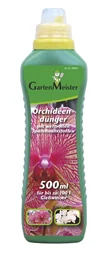
The most valuable things we can give are often our time and attention. A handmade gift is a piece of that made tangible.
How can I create a green festive atmosphere?
The atmosphere is shaped by light, fragrance and materials. Choose candles made from soy or beeswax. They produce less soot and burn longer than paraffin candles. Spread several small sources of light around the room instead of using harsh overhead lighting.
Sustainable Christmas tree alternatives
The traditional Christmas tree raises questions. A good solution is a potted tree with a root ball that you can plant in the garden after the festive season. Look for regional origins and organic quality.
Creative alternatives include a “tree” made from fir branches attached to the wall or a minimalist design made from wooden slats. Decorate it with homemade ornaments and LED string lights. For the garden, evergreen shrubs such as the
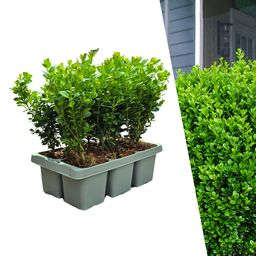
For table decorations, make small wreaths from boxwood or ivy. Combine them with nuts and dried flowers. In the fertilisers category, you will find care products to keep your garden plants healthy through winter.
Additional tip
Plan your sustainable Christmas well in advance. Collect materials such as conkers, acorns and colourful leaves in autumn. Dry herbs and flowers. This gives you a treasure trove of natural decorative elements to hand in December and helps you avoid stress.
Eco-friendly gift wrapping
Say goodbye to shiny, coated wrapping paper. Use these alternatives instead:
- Recycled paper: Attractive pages from old calendars, maps or sheet music.
- Fabric: The Japanese Furoshiki technique. A square piece of fabric is artfully tied around the gift.
- Practical containers: Lunch boxes, fabric bags like the or attractive boxes that become part of the gift themselves.
Decorate the packages with fir branches, dried orange slices or a stamp made from potatoes and natural paint.
How can I stay organised without creating waste?
Sustainability also means avoiding rushed decisions. Make a list of the people you want to buy gifts for. For each person, consider: What would genuinely make them happy or make their life easier? Often, less is more.
A sustainable festive-season shopping plan
Buy food for your festive meal locally, seasonally and, where possible, unpackaged from a market. Plan quantities realistically to avoid food waste. Use leftovers creatively in new dishes.
For craft supplies, start by looking in second-hand shops and at flea markets, or swap materials with friends. Buy new materials such as high-quality yarn or organic linen selectively and in small quantities from specialist retailers. For inspiration, also take a look at our gifts category, which offers many sustainable starting points.
Care and storage for many years
You can use truly sustainable decorations for many Christmases. Clean your DIY creations carefully and store them neatly in sturdy boxes. Label the boxes so you can quickly find everything next year.
Repair minor damage to fabric stars or wooden ornaments immediately. This significantly extends the life of your favourite pieces. For caring for the natural materials in your garden that you may have set aside for next Christmas, it is worth looking at the lawn fertiliser section and specialist plant food.
An eco-friendly Christmas is not about going without; it is an enriching experience. It creates space for what really matters, challenges your creativity and leaves you with a good feeling. Start this year with one idea and build your sustainable traditions step by step.
Frequently asked questions
- What are the easiest sustainable DIY ideas for Christmas?
- Start with materials from nature. Pine cones, branches and dried orange slices require very little crafting skill. Fill jars with leftover candle wax to make new pillar candles. Wrap gifts in old newspaper or fabric scraps and tie them with jute ribbon.
- How can I wrap Christmas gifts sustainably?
- Use Furoshiki, the Japanese art of wrapping with fabric. Old fabric scraps, tea towels or scarves are perfect for this. Alternatively, use newspapers, kraft paper made from recycled paper or homemade bags made from recycled paper. Avoid plastic ribbons and decorate with jute string, branches or dried flowers.
- Which sustainable materials are suitable for Christmas decorations?
- Work with wood, wool, linen, clay and paper from responsible sources. In the garden, you can find moss, ivy, rose hips and fir greenery. Empty jars, unwanted fabrics, wood scraps and old crockery are ideal for upcycling. Choose untreated, natural materials.
- Can I have a sustainable Christmas tree?
- Yes. Choose a tree with a root ball from regional forestry and plant it afterwards. An alternative is a DIY tree made from wooden slats on the wall, decorated with fir greenery in a pot. Or use a large potted houseplant with fir branches as a tabletop tree.
- How can I keep my Christmas decorations usable for many years?
- Invest in high-quality basic decorations made from durable materials such as wood or metal. Add seasonal natural elements each year. Store the decorations carefully in sturdy boxes, protected from moisture and dust. This way, they will easily last through many festive seasons.