
In brief: Ground cover plants suppress weeds by quickly shading the soil and closing bare spots where seeds can sprout. Depending on the location, good choices include creeping bugleweed, hardy alpine mixes, and Delosperma. Plant densely, remove existing weeds with spreading roots, and water regularly during the first year. This reduces maintenance without the need for landscape fabric.
If you want to suppress weeds, you do not need plastic sheeting or chemical products everywhere. Densely growing ground cover plants shade the soil, fill bare spots, and leave little room for emerging weeds. This works particularly well in perennial beds, under trees and shrubs, on slopes, and in narrow border areas.
Choosing the right plant species is key to success. Delosperma thrives in sunny locations and well-drained soil, while creeping bugleweed prefers moist, partially shaded areas. A solid plant cover does not develop overnight, either. During the establishment phase, even low-maintenance ground cover plants need water, monitoring, and a little patience.
How can ground cover plants suppress weeds in the garden?
Weeds germinate wherever bare soil provides light, air, and water. A dense carpet of leaves changes these conditions. The leaves shade the surface, the roots use water and nutrients, and runners fill open areas. Annual weeds have less room to grow and are easier to remove while they are still young.
Weed control with ground cover plants is not about creating an absolutely weed-free area. Even in a fully covered planting, seeds can land on the leaves or germinate in small gaps. The difference is how much work is required: A well-established plant cover reduces the number of open spots where seeds can sprout and significantly slows the growth of many weeds.
What can dense plant carpets do?
- Shade the soil: Less light reaches the surface. As a result, many seeds that need light to germinate develop more slowly.
- Cover bare spots: Runners and closely spaced leaves reduce the gaps where weeds can take root.
- Retain moisture: A layer of foliage protects the soil surface from drying out quickly.
- Reduce erosion: Roots stabilize loose soil on slopes and beneath shrubs.
Deep-rooted and rhizomatous weeds such as ground elder, quackgrass, and bindweed are more challenging. Their underground parts continue growing beneath a plant cover. Remove these roots as thoroughly as possible before planting. Then check the area regularly and pull out new shoots while they are still young.
Using plants to suppress weeds means creating good growing conditions first and then allowing the ground cover plants to form a dense cover. If you plant individual plants too far apart, many bare spots will remain at first. This means more maintenance.
Expert tip
Plan spacing based on how far the plants will spread when mature, not the size of the container they come in. For many smaller species, leave 20 to 30 centimeters between plants. A thin mulch layer of around three to five centimeters bridges the establishment phase until the leaves shade the soil on their own.
“Low-growing plants that cover the soil fill bare spots and can reduce garden maintenance.”
Which low-maintenance ground cover plants suit your location?
Low-maintenance ground cover plants thrive only when their light, soil and water needs match the conditions. A sun-loving plant will grow sparsely in deep shade, leaving gaps. A shade-tolerant species, on the other hand, will struggle in a dry gravel bed. Choose plants to suit the location rather than simply picking them for their flower color or price.
Which ground cover plants suit sunny spots and dry soil?
Delosperma forms low, fleshy mats and is well suited to sunny, well-drained beds. Once established, these plants tolerate dry spells. Waterlogging, especially in winter, can damage them. This product includes four hardy Delosperma plants in different colors. They are ideal for small areas, rock gardens and sunny bed edges.

For a larger planting display, the is a good choice. This hardy Alpine Mix contains eight ground cover plants in different colors and, according to the product name, needs little care. Plant the mix in well-drained soil and pair it with stones, gravel or other drought-tolerant plants.

Which species suit partial shade?
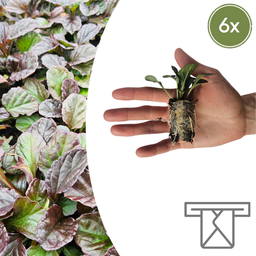
Creeping bugleweed, botanically known as Ajuga reptans, grows especially well in moist, humus-rich soil and partial shade. It spreads by runners, filling gaps between trees and shrubs, perennials and paths. For this purpose, you can find as a set of six plant plugs. Water regularly after planting, but avoid keeping the soil wet all the time.
Other species suited to partial shade include barren strawberry, cranesbill and barrenwort. Check each species' mature height and spread. Ground cover should cover the soil without growing over small perennials or shrubs.
Which characteristics should you compare?
- Spread: Fast-spreading species cover areas quickly but need clear boundaries.
- Water requirements: Do not mix drought-tolerant species with plants that need consistently moist soil.
- Hardiness: In exposed areas, resistance to frost, wind and changing moisture levels is important.
- Height: Low-growing mats suit paths, while taller species work better beneath shrubs.
- Maintenance: Species with dense, healthy foliage leave fewer gaps for weeds.
Important note
Do not plant drought-tolerant Delosperma in compacted, wet clay soil. Improve drainage first. For fast-spreading species, check the bed boundaries too, so they do not grow over paths, neighboring areas or slower-growing plants.
How should you plant ground cover plants to control weeds?
Good preparation helps ground cover fill in quickly. Thoroughly remove existing weeds before planting. The fewer roots and rhizomes left in the soil, the easier it is for ground cover plants to get established.
How do you prepare the bed?
- Mark out the area: Decide where the ground cover can spread. Keep paths, walls and tree trunks accessible.
- Remove weeds: Loosen the top layer of soil and remove any remaining roots. If you have bishop’s weed or quackgrass, check the area several times.
- Loosen the soil: Work the soil to a depth of around 20 to 30 centimetres. Break up compacted areas without unnecessarily mixing the soil layers.
- Amend the soil: Mix in mature compost for plants that prefer humus-rich soil. For Delosperma and alpine cushion plants, improve heavy soil with mineral material and ensure good drainage.
- Level the area: An even surface makes planting easier and prevents water from pooling in low spots.
- Water before planting: Moist soil is easier to work and helps new roots get started.
A planting trowel, gloves and sharp garden shears make the work easier. Find suitable accessories in the Garden and Plant Accessories section.
What planting distance fills the area quickly?
First, follow the instructions on the plant label. As a general guide, space many smaller ground cover plants 20 to 30 centimetres apart. At 20 centimetres, that’s approximately 25 plants per square metre; at 25 centimetres, around 16; and at 30 centimetres, about 11 plants. The exact number depends on how wide the plants grow at maturity.
Closer spacing helps create a dense carpet sooner, but it increases the initial cost and water needs. Wider spacing saves on plants but means more weeding at first. Find the right balance for your space, budget and desired look.
Is weed barrier fabric a useful temporary solution?
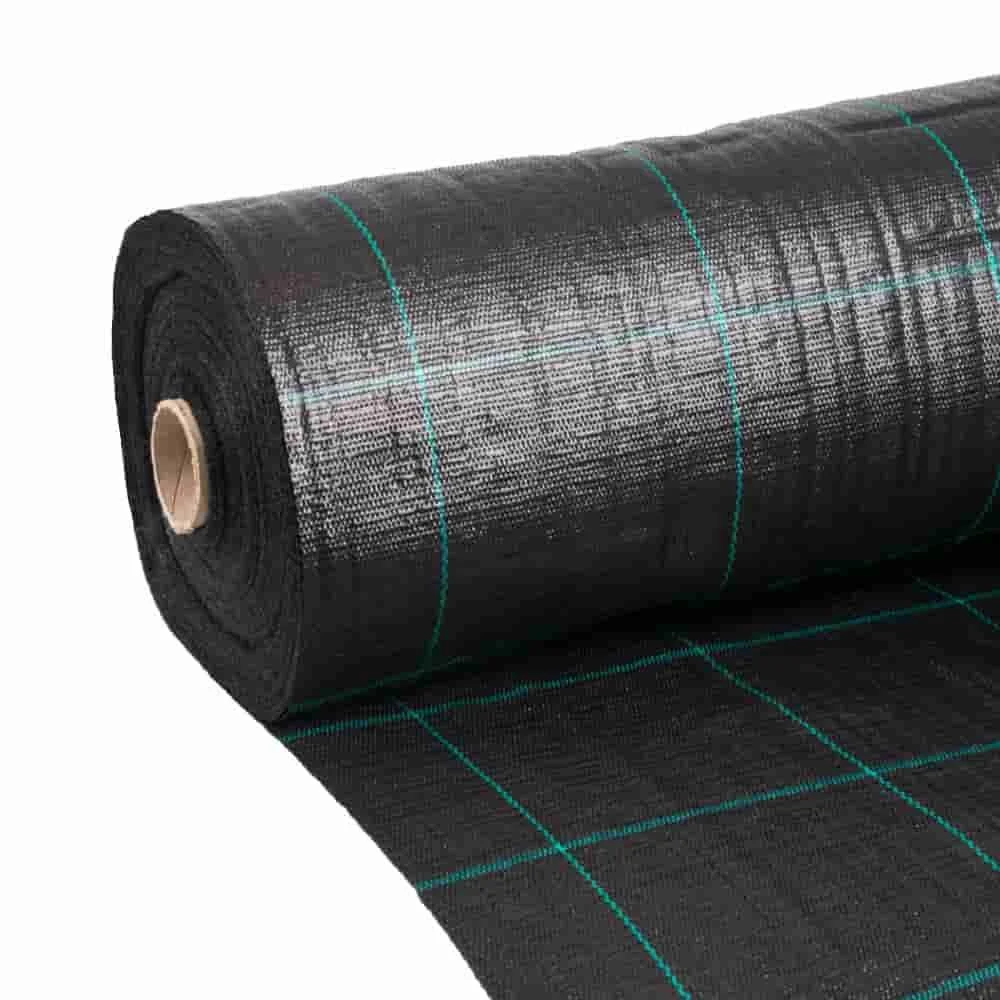
On areas with heavy weed growth, fabric can make preparation easier. The is weed barrier fabric, landscape fabric and cover fleece measuring 1 metre wide and 100 metres long, with a weight of 100 g/m². Lay it flat before planting, secure the edges and cut planting holes only as large as needed. The product is currently in stock in the shop.
A living alternative to weed barrier fabric takes longer to establish, but improves the appearance of the area and becomes part of the garden. Use fabric where it suits the space, for example under a layer of mulch or in an area that is difficult to prepare. Check the openings later and remove any weeds growing through them. Find more options in the Weed Barrier Fabric category.
How much water do newly planted ground cover plants need?
Water thoroughly after planting. Then check the top few centimetres of soil and water again as soon as it begins to dry out. Short, frequent watering only moistens the surface and encourages shallow roots. During warm weeks, young plants need more attention than established ground cover.
For larger beds, the right irrigation system makes it easier to help plants get established. Find information and accessories in the Garden Irrigation category.
Why does choosing the right location determine how well ground cover controls weeds?
Ground cover plants fill in gaps only when they grow healthily and vigorously. In the wrong location, the plant cover stays thin. Light then reaches the soil, allowing weeds to take advantage of every bare spot. Before buying plants, observe the bed for at least one full day.
What is the difference between full sun, partial shade and shade?
A sunny location gets around six or more hours of direct sunlight. Delosperma, Sedum, creeping thyme and many alpine cushion plants thrive here. The soil should drain quickly. A gravel bed or warm bed edge is more suitable than a compacted low spot.
Partial shade occurs beneath trees and shrubs with open canopies, on the eastern side of buildings or wherever the sun shines for only a few hours. Ajuga reptans, barrenwort and many cranesbill varieties do well in these conditions. Keep the soil evenly moist without letting it stay waterlogged.
Only shade-tolerant species grow reliably in deep shade. Check the light requirements on the label. A plant that produces only a few leaves in the shade won’t suppress weeds effectively.
What type of soil supports dense ground cover?
Loose, well-structured soil gives roots access to air and water. Soil with too much sand dries out quickly, while heavy clay holds water and can become compacted. Improve the soil to suit the plant, adding compost or mineral material where appropriate. A steady supply of nutrients supports growth, but it can’t make up for choosing the wrong location.
Avoid heavy fertilizing right after planting. Too much nitrogen encourages soft, fast growth that may be more vulnerable to drought or frost. First see how the plants grow, and fertilize only if there’s a clear need.
How do you keep bed edges tidy?
Ground cover plants should not spread over paths or block drains. Trim runners along the edge once or twice a year. A narrow clear strip makes weeding easier and creates a buffer between the bed and lawn. Beneath trees and shrubs, keep the area around the trunk clear so the bark stays dry.
Additional advice
Combine only plants with similar water and light requirements. Check for gaps six to eight weeks after planting and fill them promptly. If you spot leaf spots or pests, targeted advice from the Pests and Plant Protection section can help.
How do you care for ground cover plants after they have established?
A dense ground cover reduces the work but does not eliminate it. Weed seeds can still reach the bed by wind, birds, or compost. Remove young weeds before they flower and produce seeds. Work carefully so you do not pull out the shallow roots of the ground cover plants.
What do ground cover plants need in their first year?
- Water: Water thoroughly when the soil is dry, and pay particular attention to sunny bed edges.
- Weeding: Weed briefly every week rather than tackling heavily overgrown areas only occasionally.
- Mulch: Add a thin layer when the soil remains visible between the plants.
- Spacing: Give the plants room to spread and avoid compacted areas caused by foot traffic.
- Fertilizing: Fertilize sparingly, taking the plant species, soil, and time of year into account.
In the second year, their effectiveness increases significantly if the plants have grown well. Nevertheless, check the edges, areas around tree trunks, and spots beneath drip lines. The soil often remains exposed there longer or receives additional seeds carried in from elsewhere.
How do you fill gaps permanently?
Gaps can be caused by drought, slugs, frost, root competition, or unsuitable growing conditions. First identify the cause. Replanting without correcting the soil or watering will not solve the problem. Loosen the area, remove perennial weeds, and plant a suitable species.
Divide vigorous plants according to the needs of the particular species. This rejuvenates older plantings and fills empty spaces cost-effectively. Cut back runners if they are crowding out other plants. A clearly defined edge makes maintenance quicker and keeps the ground cover where you planned it.
When are plants a better choice than landscape fabric?
Ground cover plants are a good choice if you are looking for a long-lasting, living solution for beds, slopes, or areas beneath trees and shrubs. They need time to establish, but provide flowers, structure, and habitat. Landscape fabric acts as an immediate barrier and is suitable as a temporary measure or for areas where ground cover will not establish quickly enough.
The best solution often combines both methods: Remove existing weeds, use landscape fabric temporarily if needed, and then plant suitable species at a sufficient density. Once the plants cover the soil, you can limit the fabric to the areas where you actually need it.
“Ground cover plants reduce maintenance when they are matched to the site, soil, and intended use.”
What is the best strategy for your bed?
- Assess the site: Determine the light levels, soil moisture, and available spreading area.
- Choose the plant: Use Delosperma for sunny, dry beds and Ajuga reptans for moist, partially shaded areas.
- Prepare the site: Remove perennial weeds, loosen the soil, and choose the planting distance according to the label.
- Support establishment: Water regularly and remove new weeds until the leaves cover the area.
- Maintain the boundaries: Cut back runners and fill gaps promptly.
This approach combines low maintenance with attractive planting. If you want to suppress weeds with plants, do not look for the fastest-growing individual species; instead, create a healthy ground cover suited to the site.
Frequently Asked Questions
- Which ground cover plants suppress weeds the fastest?
- Fast-growing, dense species cover bare soil especially quickly. Bugleweed is suitable for moist, partially shaded areas. For sunny, dry beds, hardy Delosperma species are a good choice. The plant species is not the only deciding factor: Starting with a weed-free bed, allowing enough room between plants, and watering regularly during the first year are also important.
- How densely should I plant ground cover plants?
- Base the spacing on the species, pot size, and how quickly you want the area covered. For many small ground cover plants, a spacing of 20 to 30 centimetres is suitable. Closer spacing covers the area faster but increases the cost of plants and the need for water. Follow the label and leave enough room for growth.
- Are ground cover plants an alternative to landscape fabric?
- Yes, once the plants have rooted and formed a dense cover. They require patience and care while they establish, while landscape fabric creates an immediate barrier. Ground cover plants also improve the appearance of the garden and provide habitat. In areas with heavy weed growth, fabric can be used temporarily before planting.
- Which ground cover plants are suitable for dry, sunny sites?
- Delosperma, creeping thyme, Sedum, and many alpine cushion plants do well in sunny spots with well-drained soil. Waterlogged soil harms them. Loosen compacted soil, mix in mineral material if necessary, and water regularly after planting. Once established, the plants tolerate short dry periods better.
- How do I remove weeds between ground cover plants?
- Carefully pull out young weeds by hand after rain or watering. Work shallowly so you do not damage the roots of the ground cover plants. Cut runners back if they grow over paths. Check the area regularly during the first and second years, until the ground cover reliably fills the gaps.
You may also be interested in
- Ground Cover Plants: The Best Choices for Low-Maintenance Beds
- How to Control Weeds Effectively: Methods and Tips
- Weeds in the Garden: Identify, Understand, and Control Them Naturally
- How to Control Lawn Weeds Naturally
- Keep a Clear Edge in the Garden: How to Stop Unwanted Grass Growth
- Caring for Periwinkle: How to Keep Your Plants Looking Good All Year Round