
In brief: A ground source heat pump uses the constant heat of the ground to heat your home. It extracts energy from the ground and raises it to a usable temperature with electricity. The benefits include low running costs, independence from fossil fuels and high efficiency. The investment costs range from 20,000 to 40,000 euros, but they pay for themselves over the years through lower heating costs.
How does a ground source heat pump work?
A ground source heat pump is a closed system. It extracts heat from the ground. For this purpose, probes or collectors are installed in the ground.
A frost-proof brine fluid circulates through these pipes. It absorbs heat from the ground. The pump compresses the refrigerant inside it.
This pressure creates a high temperature. A heat exchanger transfers the energy to your heating system. The refrigerant then expands again and the cycle starts over.
The efficiency of a ground source heat pump is measured by its seasonal performance factor. It shows the ratio of heat generated to electricity used. Values above 4 are standard today.
The role of the ground as a heat source
At depths of around one metre, temperatures remain constant. They range between 8 and 12 degrees Celsius. This heat comes from the Earth's interior and from the sun.
The ground stores energy over long periods. It does not cool down completely in winter. This is why the heat pump works reliably even in sub-zero temperatures.
It only raises the existing ground temperature. This requires less electricity than generating heat from air at low outdoor temperatures.
What types of ground-source heating are available?
You have two main options for accessing geothermal energy. The choice depends on your property and budget.
Deep drilling with ground probes
For this method, a specialist company drills vertical holes. They reach depths of 50 to 150 metres. U-shaped plastic pipes are inserted into these boreholes.
The probes are filled with brine. This depth guarantees high source temperatures all year round. The space required is minimal.
Important note
Deep drilling requires approval under water regulations. Only commission certified drilling companies. They understand the regional geological conditions and official requirements.
Drilling accounts for the largest share of the costs. In return, you achieve the highest efficiency. The probes have a service life of more than 50 years.
Ground collectors in the garden
This method works close to the surface. Loops of plastic pipes are installed horizontally in the ground. The depth is between 1 and 1.5 metres.
The space required is substantial. Plan for around one and a half to twice the size of your heated living area. The ground above the collectors must not be sealed or contain deep-rooted plants.
Ground collectors are cheaper to install. They are suitable for properties with enough open, unsealed space. Installation is carried out using powerful garden power tools.
What are the specific benefits of a ground source heat pump?
The technology offers clear financial and environmental benefits. This makes it the first choice for many homeowners and renovators.
Low running costs and independence
Heating costs fall dramatically. You replace gas or oil with cheaper electricity. High efficiency keeps consumption low.
You become independent of fossil fuels and their price fluctuations. The ground is a free and virtually unlimited heat source.
With your own rooftop solar power, you can run the heat pump almost self-sufficiently. This reduces costs even further and improves its environmental performance.
Pro tip
Insulate all heating pipes in your home properly. This is particularly important for distribution pipes in an unheated basement. Good heating pipe insulation minimises heat loss and noticeably increases the efficiency of your entire system.
High efficiency and long service life
Ground source heat pumps achieve the best performance figures of all types of heat pump. The constant source temperature is the reason.
The technology is robust and requires little maintenance. There is no combustion process. The main components last 20 years or more. The ground collectors or probes last for generations.
They do more than just heat. Many systems can provide passive cooling in summer. This improves comfort without the need for additional air conditioning.
Geothermal energy is the foundation of a secure, price-stable and climate-friendly heat supply. The technology is mature and has proven itself in millions of systems worldwide.
What are the disadvantages and limitations?
No technology is perfect. Check these points before making your decision.
High upfront investment costs
Purchase costs are high. Accessing the heat source accounts for most of the costs. The heat pump itself and connecting it to your home are additional expenses.
It takes several years to recoup the investment. This depends on your old heating system and energy prices. Government grants can shorten this period.
Geological and regulatory hurdles
Not every property is suitable. Impermeable rock or groundwater protection zones can make drilling impossible. A survey will clarify the geology.
The relevant authorities are responsible for granting approval. The process takes time. Allow several months for the entire project preparation phase.
Additional advice
Always have a geothermal survey carried out before drilling. It analyses the thermal conductivity of your ground. This allows your designer to size the system precisely and avoid oversizing or undersizing, both of which are costly.
How much does a ground source heat pump cost to install?
The price range is wide. It consists of several cost items.
Costs of accessing the heat source
Deep drilling is charged per metre. Expect to pay 50 to 80 euros. For a typical detached house with a drilling depth of 100 metres, this amounts to 5,000 to 8,000 euros.
Ground collectors are cheaper to install. Costs range from 10 to 20 euros per square metre of collector area. However, you need a property of the appropriate size.
The installation of the collector pipes leading to the house is included. High-quality and flexible plumbing and irrigation accessories such as the
is essential for this work.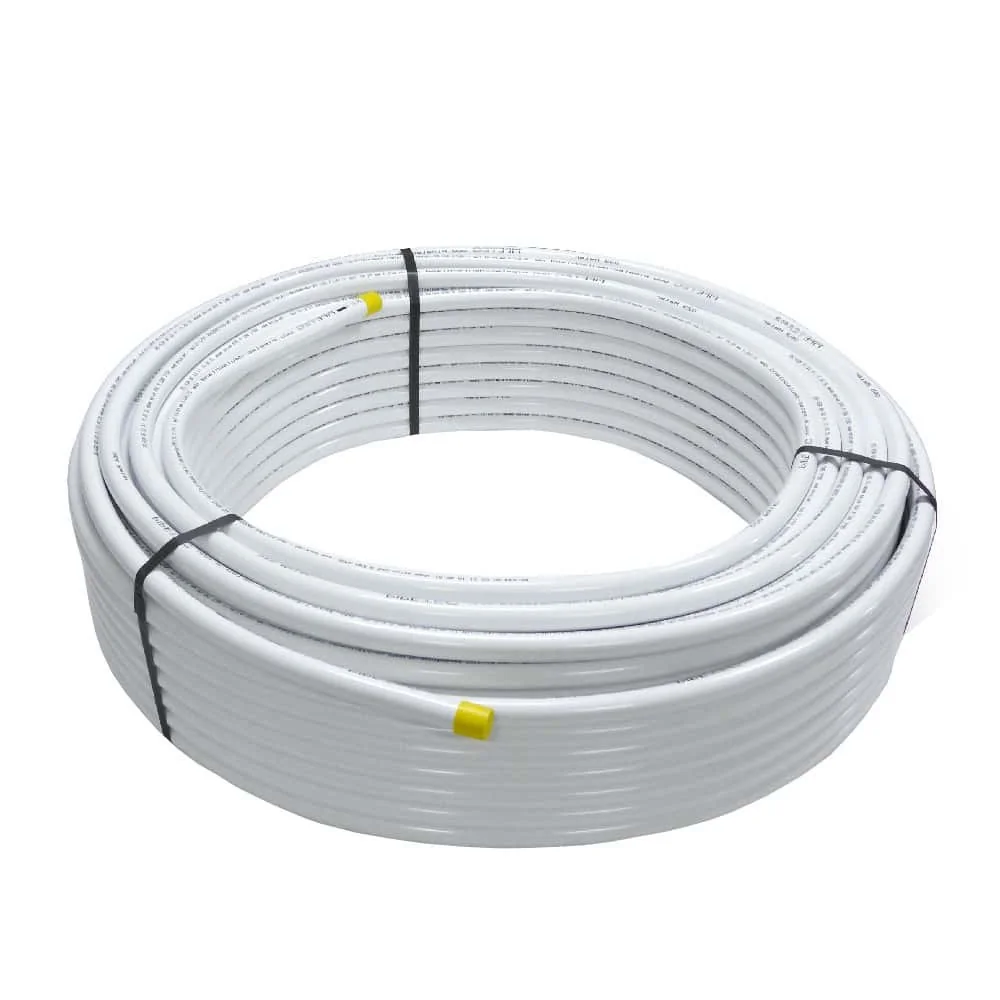
Costs of the heat pump and installation
The heat pump itself costs between 10,000 and 15,000 euros. Prices vary depending on output and features.
Installation in the home includes hydraulic balancing and connecting the system to your heating system. This costs between 3,000 and 6,000 euros.
Do not forget the costs of planning and the official approval process. You should budget a further 1,000 to 2,000 euros for these.
What running costs and funding are available?
The cost-effectiveness becomes clear during operation.
Electricity costs and maintenance
Electricity consumption is your only ongoing cost. With a good seasonal performance factor of 4, you only need 2,500 kWh of electricity for 10,000 kWh of heat.
Maintenance costs around 100 to 200 euros per year. It includes checking the pressure, brine and electrical components.
A reliable control system such as the
helps keep the system operating in the optimum range and save energy.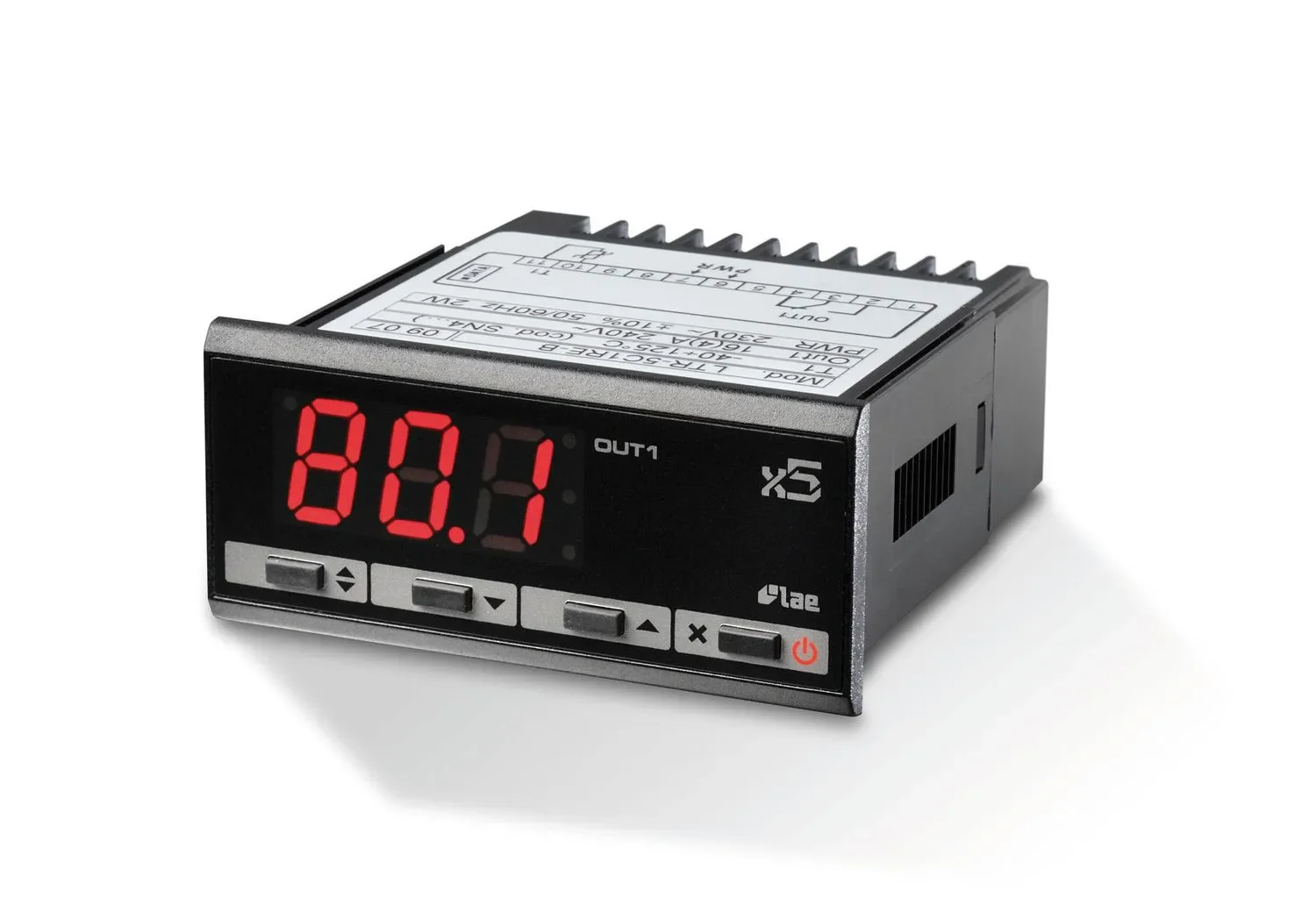
Take advantage of government funding programmes
The Federal Funding for Efficient Buildings programme covers up to 35 percent of eligible costs. The application must be submitted before the work begins.
Some federal states and local authorities offer additional grants. Check with your local council.
Funding significantly reduces the investment costs. It considerably improves the payback calculation. An energy consultant can help with the application.
How do I prepare for the installation?
Good planning is the key to success.
The right heating system for your home
Ground source heat pumps work most efficiently with low flow temperatures. Underfloor or wall heating is ideal.
Old radiators with high flow temperatures of 70 degrees are unsuitable. In most cases, you will need to replace them.
Insulate your home as effectively as possible. The lower the heat demand, the smaller and more affordable the heat pump can be.
Choosing the right specialist installer
Choose an installer certified for heat pumps. Ask for references and details of ground source heat pump projects they have already completed.
Ask for a detailed quotation listing all services and costs. Compare several quotes.
The installer should comply with all safety standards. An
can be an important safety component in plant rooms.
Also consider your outdoor areas after installation. You can find suitable products for designing your patio in the garden equipment section.
Is a ground source heat pump the right choice for me?
Make an informed decision based on your circumstances.
This technology is particularly worthwhile in a well-insulated new-build home. The conditions are ideal here. It is also worth considering as part of a complete renovation with a heating system replacement.
Check whether your property is suitable. Is there enough space for ground collectors, or is drilling possible? Clarify the permit requirements at an early stage.
Calculate the total costs over 20 years. Compare them with a gas condensing boiler, including the CO2 price. A ground source heat pump often wins out in the long term.
You are investing in long-term price stability and independence. You increase the value of your property. And you heat your home with one of the most environmentally friendly technologies available.
Frequently asked questions
- How deep do you need to drill for a ground source heat pump?
- The drilling depth depends on the heat demand and ground conditions. Boreholes between 50 and 150 metres deep are common for single-family homes. Ground collectors are only 1 to 1.5 metres deep, but require a large garden area. A specialist installer will determine the optimum depth for your property.
- Does a ground source heat pump work in winter?
- Yes, absolutely. That is its greatest advantage. The temperature a few metres below ground remains constant throughout the year at around 8 to 12 degrees Celsius. The heat pump therefore works reliably and efficiently even in freezing conditions, as it only needs to raise the temperature of the ground heat rather than generate heat from scratch.
- How much does a ground source heat pump cost, including installation?
- The total cost, including ground works, is between 20,000 and 40,000 euros. Drilling the borehole or installing the ground collector accounts for a large proportion of the cost. The exact price depends on the heat load, drilling depth and technology selected. Government funding can significantly reduce the investment.
- Can I also cool my home with a ground source heat pump?
- Yes, many models offer passive cooling. In this case, cooler water from the ground circulates directly through your underfloor heating or special cooling ceilings. This uses very little electricity and is highly efficient. Active cooling, like air conditioning, is also possible but requires more energy.
- Do I need planning permission for a ground source heat pump?
- You generally need a water law permit from the relevant local water authority for drilling a borehole. The drilling company usually submits the application. For ground collectors, notification is often sufficient. Always clarify this with your specialist installer and the relevant authority before planning begins.
You may also be interested in
- Air-to-water heat pumps: An efficient heating solution for your home
- Understanding heat pumps: How modern heating technology works
- Heat pump buying guide: Efficiency and models at a glance
- Heat pumps: The climate-friendly alternative to gas heating
- Heat pumps: Costs, installation and operation explained
- Heat pumps: The future of heating is efficient