
In brief: A ground source heat pump uses the constant temperature of the ground for heating. It extracts heat from the soil and raises it to a usable temperature using electricity. This sustainable heating technology significantly reduces your heating costs and lowers CO2 emissions. Its high efficiency makes it an ideal solution for new builds and renovated existing properties.
How does a ground source heat pump work?
A ground source heat pump uses solar energy stored in the ground. It extracts heat from the soil through ground loops or horizontal ground collectors. A refrigerant transports this energy to the heat pump unit in your home.
There, the refrigerant evaporates even at low temperatures. A compressor compresses the vapor, significantly increasing its temperature. The refrigerant transfers this high temperature to your heating water through a heat exchanger.
The cooled refrigerant liquefies again. An expansion valve lowers its pressure before the cycle starts over. The constant ground temperature makes this process highly efficient all year round.
What types of geothermal energy systems are available?
There are two main ways to harness geothermal energy. The right choice depends on your property and energy requirements.
Ground loops: The space-saving deep borehole solution
Ground loops are plastic pipes that extend vertically up to 100 meters into the ground. A brine solution made of water and antifreeze circulates through these closed loops. It absorbs heat from deep underground.
This method requires very little land. However, it requires a permit. Deep drilling requires specialized contractors and is more expensive to install.
The ground loop system is the most efficient option. It benefits from the constant temperatures underground and provides reliable energy even during severe winters.
Horizontal ground collectors: The large-area alternative
Horizontal ground collectors are installed about 1.2 to 1.5 meters below the ground surface. A network of plastic pipes covers a large area. The general rule is an area around one-and-a-half to twice the size of the living space to be heated.
This solution is more affordable and usually does not require a permit. However, you need a sufficiently large, undeveloped property. Deep-rooted trees must not be planted above the collectors, and buildings must not be constructed there.
Pro tip
Always plan horizontal ground collectors with a buffer tank. It stores excess heat and reduces the load on the pump during peak demand. This extends the system's service life and increases comfort.
Why does a ground source heat pump reduce your heating costs?
Efficiency is measured by the seasonal performance factor. This value describes the ratio of heat output to the electrical energy used. Modern ground source heat pumps achieve values between 4 and 5.
This means that one kilowatt-hour of electricity produces four to five kilowatt-hours of heat. The system obtains three quarters of your heating energy free of charge from the ground. This high efficiency is reflected directly in your heating bill.
Compared with oil or gas heating systems, you can reduce your operating costs by up to 50 percent. Independence from fossil fuel prices also protects you from future cost increases. Good insulation for your home is essential for optimum efficiency. You can find suitable materials for your home's heating system in our heating pipe insulation range.
How much does it cost to install a ground source heat pump?
The investment is divided into two main components. The heat pump unit itself costs between 10,000 and 15,000 euros. Harnessing geothermal energy is the variable and often more expensive part.
Horizontal ground collectors cost around 5,000 to 10,000 euros. Ground loops cost between 8,000 and 15,000 euros because of the deep drilling involved. The total investment is therefore between 20,000 and 30,000 euros.
Important note
Never skip a professional heat source calculation. Only a qualified specialist can determine the exact length of the ground loops or the required collector area. An undersized system leads to freezing and reduced efficiency. An oversized system is simply a waste of money.
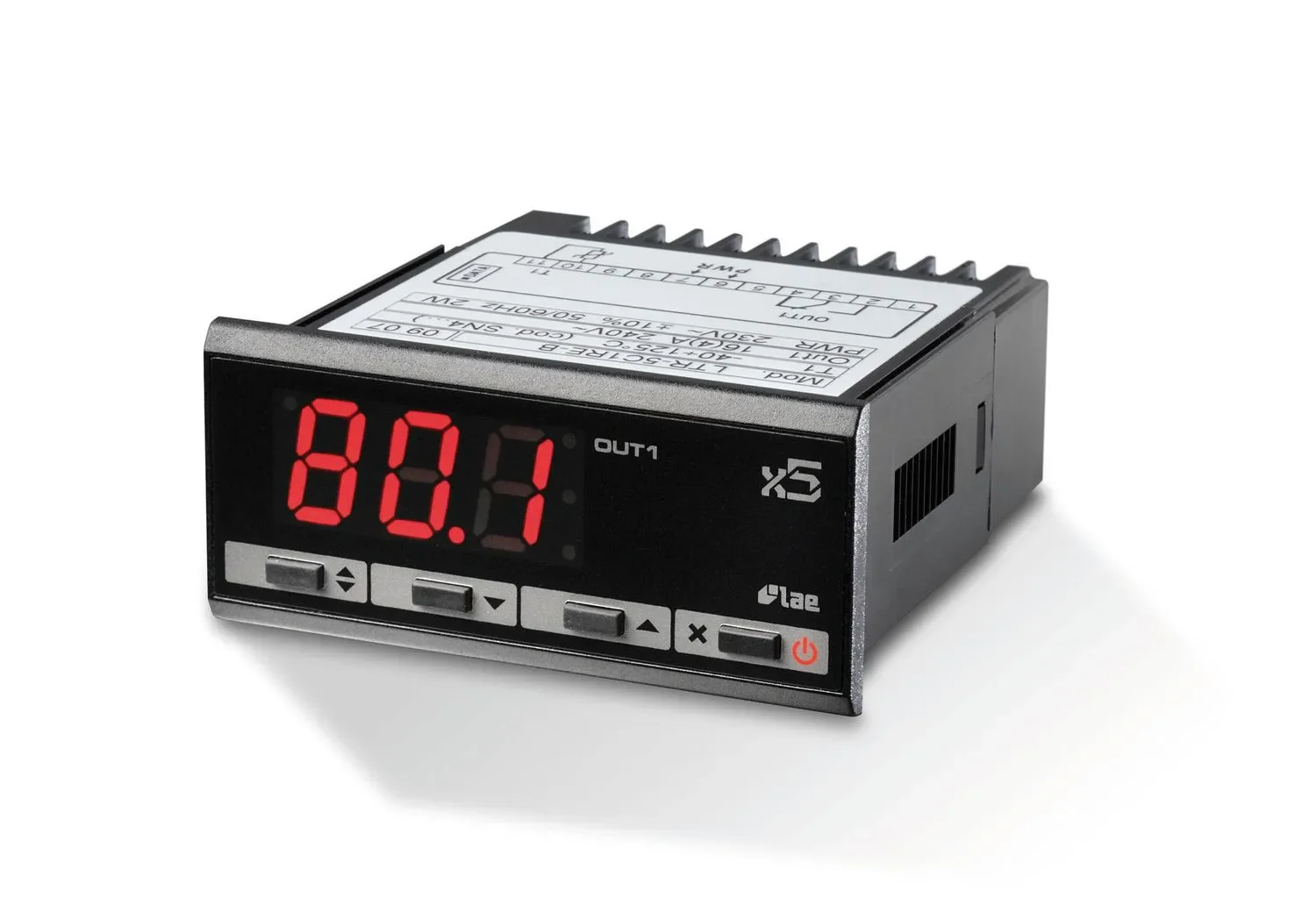
These costs pay for themselves over the years. Government incentives further improve the economics. For controlling your new efficient heating system, a modern thermostat is a good choice, such as our
.
Many homeowners underestimate the long-term perspective. The higher upfront cost of a ground source heat pump almost always pays off over a service life of 20 years. You are buying cost certainty for your energy bills over the next two decades.
What incentives can you use?
The Federal Funding for Efficient Buildings program is the main point of contact. You can receive a direct grant toward the investment costs. Replacing an old oil heating system with a ground source heat pump may qualify for funding of up to 40 percent.
You must submit your application before construction work begins. An approved energy efficiency expert must support your project. The funding covers the heat pump, developing the heat source and any necessary associated work.
Some states and municipalities also offer their own programs. Check with your local authority. Low-interest loans from KfW Bank can also supplement the available incentives. Detailed planning with your qualified heating contractor is essential.
How do you plan your geothermal heating project correctly?
Start with an energy consultation. An expert will analyze the condition of your building and its heating demand. This calculation is the basis for sizing the entire system.
The next step is to clarify the geological conditions. A test borehole provides information about the thermal conductivity of the ground. This data determines whether ground loops or horizontal collectors are the better choice.
Additional advice
Combine your ground source heat pump with a solar panel system. The solar power you generate yourself can run the pump's compressor. This lets you heat your home almost independently and reduce your operating costs to a minimum. Find technology for your outdoor space in our Garden + Outdoor category.
Compare several quotes from qualified contractors. Look for references and membership in professional associations such as BWP. Planning and installation require specialist expertise. For all your other home and property projects, explore our extensive Shop.
What are the benefits of this sustainable heating technology?
Your carbon footprint is significantly reduced. You do not burn fossil fuels on site. Ideally, the electricity required comes from renewable sources. This lets you heat your home almost carbon-neutrally.
The technology operates quietly and requires little maintenance. There are no exhaust fumes, soot or odors. You do not need a fuel storage room or chimney. Increasing the value of your property is another positive effect.
Reliability is high. The ground does not freeze at the required depth. The heat source is reliably available throughout the year. You can also use sustainable systems to water your garden, such as those found in garden irrigation.
What are the alternatives to a geothermal heat pump?
Air-source heat pumps are the best-known alternative. They draw heat from the outdoor air and are simpler and less expensive to install. However, their efficiency drops noticeably when outdoor temperatures fall in winter.
Water-source heat pumps use the relatively constant temperature of groundwater. They can achieve seasonal performance factors similar to those of geothermal systems. Their installation requires approval under water regulations, so they are not an option everywhere.
The right choice depends on your location, budget, and long-term goals. A geothermal heat pump offers excellent efficiency and predictable performance. It is an investment in an independent, cost-effective source of heat for generations to come.
Frequently Asked Questions
- How much does a geothermal heat pump cost?
- A geothermal heat pump typically costs between 20,000 and 30,000 euros. This includes the heat pump unit and the extensive ground work needed to install borehole heat exchangers or ground loops. Over time, its high efficiency can offset the initial investment through significantly lower heating costs. Government grants can also substantially reduce the purchase cost.
- Why is a geothermal heat pump so efficient?
- A geothermal heat pump is efficient because the ground maintains a relatively constant temperature. At a depth of 10 meters, temperatures stay around 10 degrees Celsius year-round. The heat pump raises this temperature instead of drawing heat from cold winter air. As a result, it can achieve a high seasonal performance factor and produce more heat while using less electricity.
- What types of homes are suitable for a geothermal heat pump?
- Geothermal heat pumps are especially well suited to well-insulated new homes and energy-efficient renovations, particularly when paired with radiant heating systems such as underfloor heating. You will need enough yard space for ground loops or approval to install deep borehole heat exchangers. A qualified installer can assess the ground conditions and recommend the best solution for your property.
- Can I cool my home with a geothermal heat pump?
- Yes. Many geothermal heat pumps have a passive cooling function. In summer, cool water from the ground circulates through your underfloor heating system or specially designed cooling ceilings. Passive cooling uses very little electricity to run the circulation pump, making it an efficient, cost-effective alternative to conventional air conditioning.
- What grants are available for geothermal heat pumps?
- In Germany, the government supports geothermal heat pump installations through the Bundesförderung für effiziente Gebäude program. You may be eligible for a grant covering up to 40 percent of eligible costs. An energy efficiency expert must submit the application before work begins. This funding can make the investment considerably more attractive.
You may also be interested in
- Geothermal Heat Pumps: Heating with Ground Energy – Benefits and Costs
- Heat Pumps: The Future of Efficient Heating
- Heat Pump Costs, Installation, and Operation Explained
- Heat Pumps for Older Homes: Efficient Heating
- Heat Pumps: A Climate-Friendly Alternative to Gas Heating
- Ice Storage Heating: Efficient, Sustainable Heating