
In brief: You can grow turmeric successfully in a pot by planting a fresh rhizome in nutrient-rich soil in spring. Choose a large container with good drainage. The plant needs a warm, bright location away from direct midday sun and consistently moist soil. In autumn, the foliage dies back and you can harvest the fresh rhizomes.
Growing Turmeric in Pots: An Exotic Plant for Balconies and Patios
Fresh turmeric from your own garden gives your dishes an unmistakable intensity. This golden wonder root also thrives in our climate, provided you meet a few basic requirements of this tropical plant. We show you how to grow turmeric in a pot or container, from planting to harvesting.
Why is it worth growing your own turmeric?
Supermarket turmeric has often travelled a long way. When you grow your own, you can harvest fresh, untreated rhizomes with maximum flavour. With its large, lance-shaped leaves and subtle flower spikes, the plant itself is an attractive, exotic feature for patios and conservatories. You control every step and know exactly what goes into your harvest.
Expert tip
Use fresh organic turmeric roots from a food shop as planting material. They are often more vigorous and cheaper than specialised seed. Choose firm rhizomes with at least two or three well-developed buds (eyes).
How do I choose the right pot and soil?
Turmeric develops horizontal root runners known as rhizomes. It therefore needs more width than depth. A planter with a large diameter is ideal. The CYLINDRO flower pot with a diameter of 60 cm provides plenty of space. Make sure there are enough drainage holes, as waterlogging is the plant's greatest enemy.
High-quality, loose potting soil is a suitable growing medium. For better drainage, mix it with one third sand or perlite. The soil should be nutrient-rich and slightly acidic to neutral. Heavy, clay-rich garden soil is unsuitable.
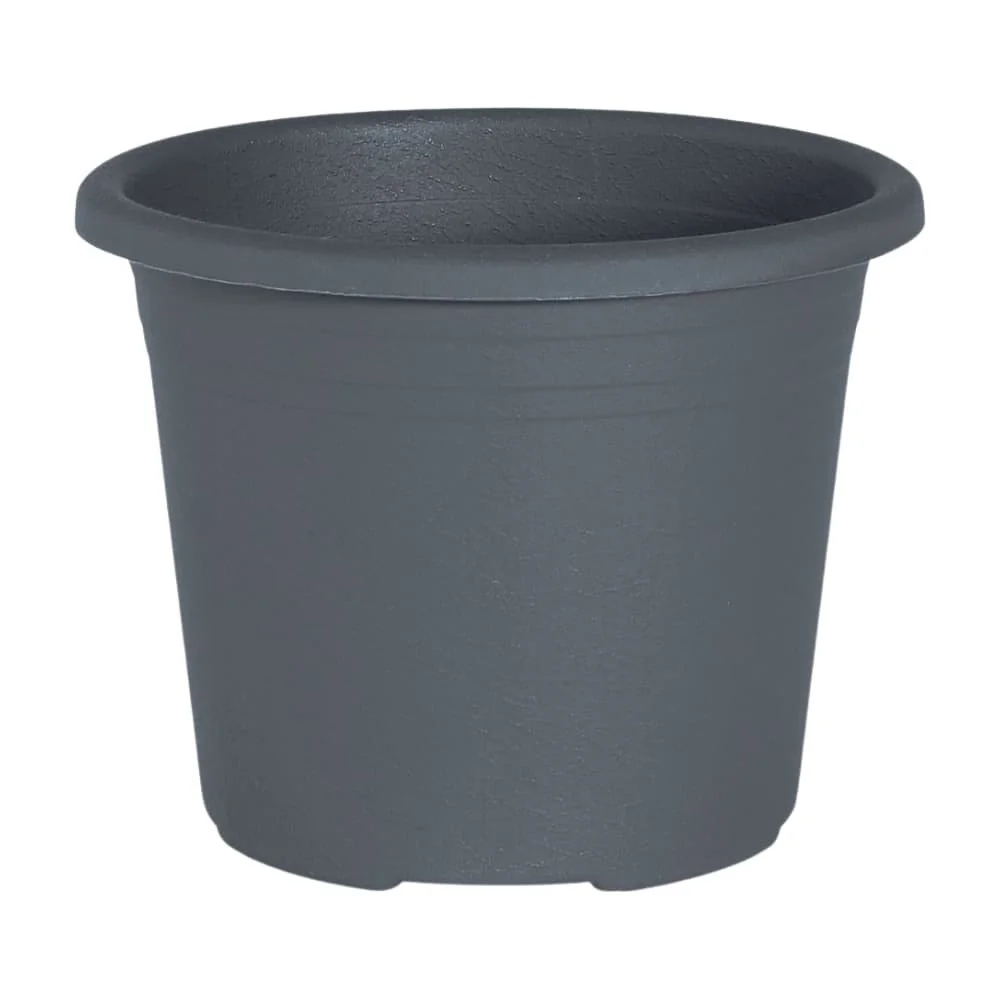
When and how should I plant turmeric correctly?
The best time to plant is late spring, when there is no longer any risk of night frosts. Mid-May is a good guideline. The soil temperature should remain consistently above 15°C. Place the turmeric rhizomes about five centimetres deep in the prepared soil. The buds must face upwards.
Leave a planting distance of at least 20 centimetres if you are planting several rhizomes. Cover them with soil, press it down lightly and water the growing medium thoroughly. It can take several weeks for shoots to appear. Keep the soil slightly moist during this time.
Important note
Do not plant turmeric outdoors too early in the year. Temperatures below 10°C stop growth and can cause the rhizomes to rot. If late frosts are forecast, protect the pots with garden fleece or temporarily bring them indoors.
Which location is perfect for this exotic plant?
Turmeric loves warmth and bright, indirect light. A spot with morning or evening sun is ideal. Strong midday sun behind glass often scorches the leaves. A sheltered balcony, covered patio or bright conservatory provides ideal conditions.
The location should be protected from wind, as the large leaves tear easily. The plant does not tolerate draughts. In the garden, place the container against a warm house wall. For all locations, the rule is: as soon as temperatures remain below 15°C, the plant must be moved to its winter quarters.
How do you care for turmeric in a container?
Watering and feeding
Water regularly and allow the top layer of soil to dry slightly between waterings. Use water with as little lime as possible. From June to August, the main growing period, turmeric needs plenty of energy. Feed every two weeks with an organic liquid fertiliser from our range of plant and flower fertilisers.
Pests and diseases
Spider mites can appear when the air is too dry. Increase humidity by misting the plant or place a bowl of water next to it. Slugs love young shoots. Check the plants in the evening and collect the pests by hand. If necessary, eco-friendly products from the plant protection category can help.
The turmeric plant clearly communicates its condition through its foliage. Limp leaves indicate a lack of water, while yellow discolouration often points to waterlogging or cold. Learn to read these signs.
When and how do you harvest your own turmeric?
Harvesting begins in autumn, around eight to ten months after planting. The clear sign is when the above-ground parts of the plant wilt and turn yellow. Cut back the foliage and carefully dig the rhizomes out of the growing medium.
Shake off the soil and wash the roots gently. You can now use some of them fresh. For storage, dry the rhizomes in the air for a few days. Then store them in a cool, dry and dark place. Keep a smaller portion as planting material for the next season.
Additional advice
Do not harvest all the rhizomes. Leave some in the pot and overwinter it in a cool, dry place. In spring, the plant will reliably sprout again from the old rootstock, giving you a head start.
How do you overwinter turmeric successfully?
Turmeric is not hardy. Two methods have proven effective. First, harvest all the rhizomes and store them as described above. Second, move the entire pot to a cool (10-15°C), dark place after the foliage has died back. Do not water during this dormant period.
Check the stored rhizomes monthly for rot. In March, bring them into a warmer place, repot them if necessary and start watering carefully. As soon as the first shoots appear, increase watering and resume feeding.
Which other exotic spice plants pair well with turmeric?
Create a tropical container garden. Combine turmeric with other heat-loving spices.
and are ideal companions. Basil adds fresh flavour to the kitchen, while okra brings an exotic touch with its pods.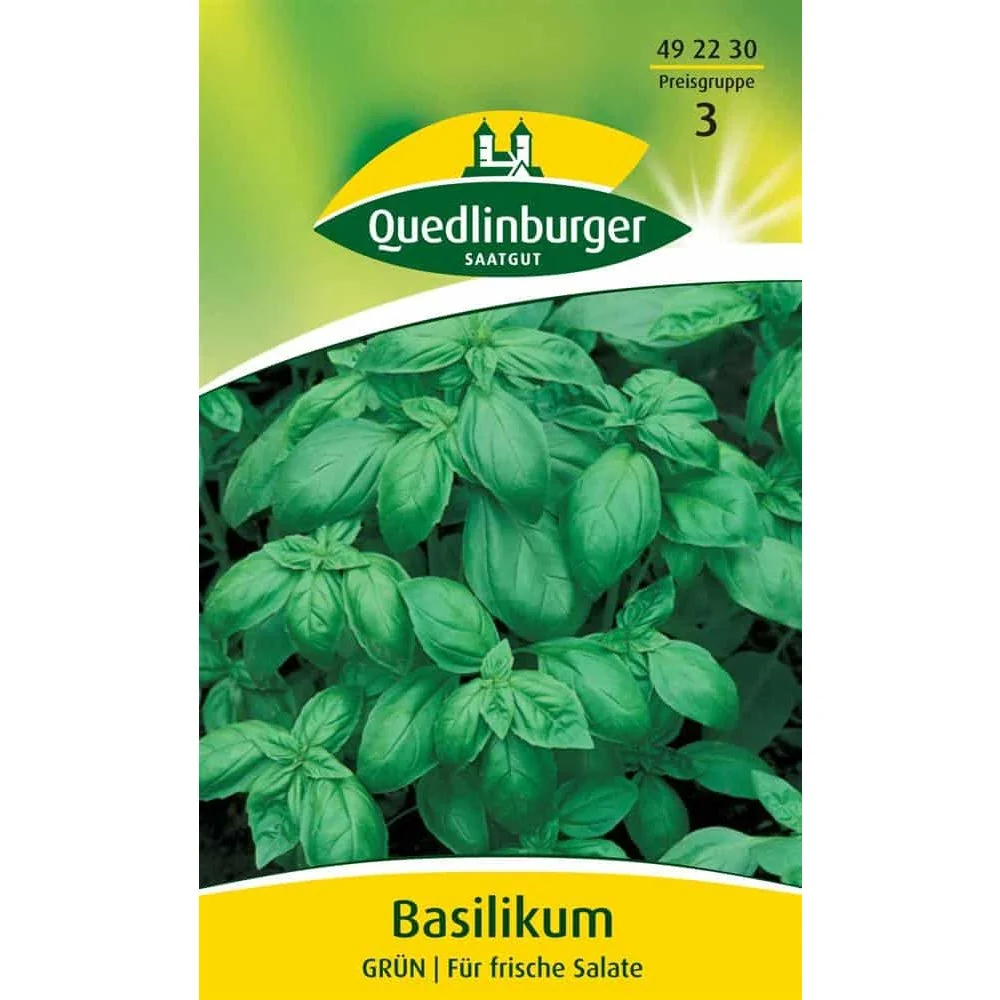
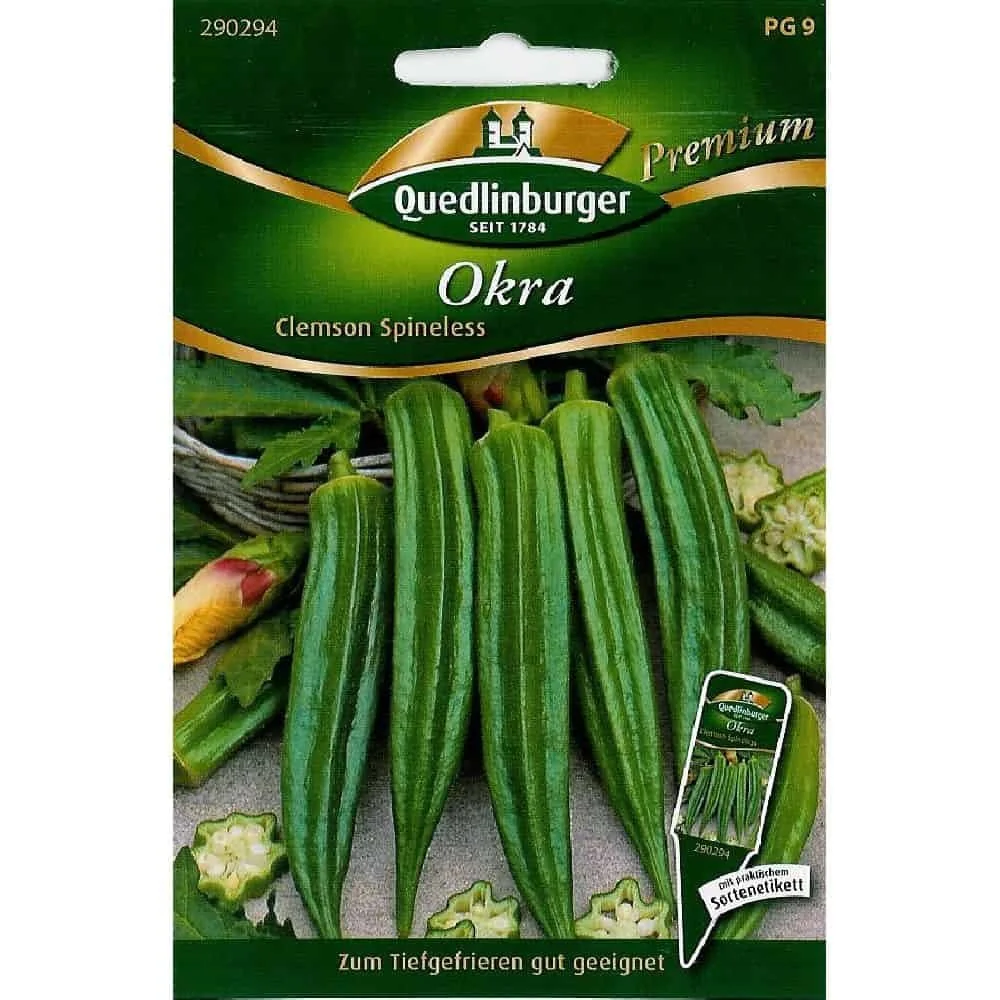
All three plants have similar requirements for warmth, water and nutrients. When growing them together, make sure each plant has enough room for its roots to develop. Use sufficiently large containers and high-quality gardening tools for repotting.
Growing exotic plants in pots is an opportunity to experiment. Not every season develops in the same way. Failure is part of the learning process. Record what you do and adapt your care routine to your local conditions next year.
Common problems when growing turmeric and how to solve them
No shoots despite planting: The rhizomes were too old or stored in conditions that were too cold. Use only fresh, firm planting material and wait longer when temperatures are below 18°C. Growth only begins once it is warm enough.
Small, pale leaves: This indicates a lack of light. Move the plant to a brighter spot, but keep it out of the direct midday sun. Nutrient deficiency can also be the cause. Start fertilising regularly.
Brown leaf tips: This is usually caused by air that is too dry. Spray the plant with low-lime water on warm days. Do not place the pot directly above a radiator.
With this guide, nothing stands in the way of a successful turmeric harvest on your balcony or patio. This exotic plant rewards your care with lush growth and a tasty harvest.
Frequently Asked Questions
- When is the best time to plant turmeric in a pot?
- Plant turmeric rhizomes in late spring, from around mid-May, after the last late frosts. The soil temperature should remain consistently above 15°C. This gives these heat-loving plants the best possible start for the growing season through to the autumn harvest.
- How often do I need to water turmeric in a container?
- Water your turmeric plant regularly so that the growing medium remains evenly moist. However, always avoid waterlogging. On hot summer days, you may need to water daily. Reduce watering in autumn as the foliage dies back.
- Can I plant turmeric from the supermarket?
- Yes, fresh organic turmeric roots from the supermarket are often suitable for growing. Choose firm, undamaged rhizomes with visible buds (eyes). Conventionally grown produce is often treated and may sprout poorly or not at all.
- Why is my turmeric turning yellow and wilting?
- Yellow leaves are often a sign of waterlogging and root rot. Check that the pot drains properly. Nutrient deficiency or a location that is too cold (below 15°C) may also be the cause. Move the plant to a warmer spot and, if necessary, feed it with a liquid organic fertiliser.
- How do I overwinter my turmeric plant correctly?
- After harvesting or when the foliage has died back, dig up the rhizomes. Store them in a dry, dark, frost-free place at 10-15°C in sand or newspaper. Alternatively, move the entire pot to a cool, dry location and stop watering.
You may also be interested in
- Growing vegetables: Your guide to fresh harvests in the garden & on the balcony
- Creating a herb garden: Fragrant variety for your balcony & garden
- Growing and caring for thyme: From garden bed to balcony
- Planting containers: Creative ideas for your balcony & patio
- Raised beds on the balcony
- Exotic houseplants: Care, location & popular varieties